Rubber Flame Retardant Plasticizer
CN → US| HS Code | Tariff Rate | Origin | Destination | Doc |
|---|---|---|---|---|
| 4002990000 | 35.0% | CN | US | Official Doc |
| 4002190019 | 35.0% | CN | US | Official Doc |
| 3506915000 | 37.1% | CN | US | Official Doc |
| 3812105000 | 40.0% | CN | US | Official Doc |
| 3402429000 | 38.7% | CN | US | Official Doc |
Product Images
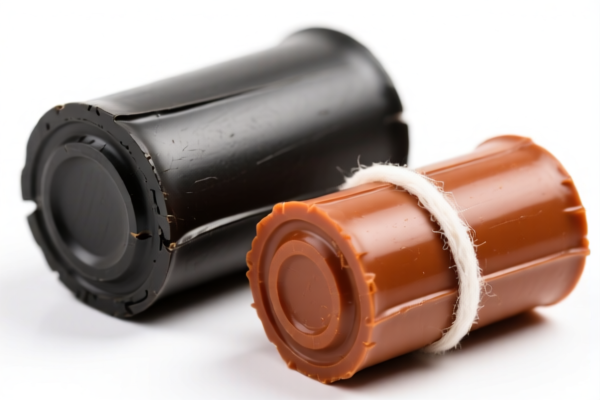

AI Analysis
🔥 Rubber Flame Retardant Plasticizer
🌐 HS Code Reference & Customs Clearance Guide | 2026 Latest Tariff Full Analysis | Professional-Level Clearance Strategy
📌 I. Product Definition and Classification: Do You Really Understand "Rubber Flame Retardant Plasticizer"?
Rubber Flame Retardant Plasticizer is a functional additive used in the rubber industry to improve flexibility while simultaneously enhancing fire resistance. In international trade, its classification is complex because it involves three key elements: Material (Synthetic Rubber/Additive), Function (Flame Retardancy/Plasticizing), and Form.
The classification logic in splits into two main categories: 1. Material-Based Classification (Chapters 35 & 40): If the product is viewed primarily as a synthetic rubber material or a rubber chemical additive. 2. Function-Based Classification (Chapter 38): If the product is viewed primarily as a chemical product with specific performance characteristics (like flame retardancy) or as a surface-active agent (defoaming).
⚠️ Key Distinction Point:
- If the product is a polymer-based synthetic rubber with flame-retardant properties → Chapter 40 or 35.
- If the product is a chemical additive/defoamer used in rubber processing → Chapter 38.
- "Plasticizer" vs. "Flame Retardant": If it acts as a defoamer or chemical compound in rubber processing, it may fall under 3812 (Rubber Processing Agents) or 3402 (Surface Active Agents).
📦 II. HS Code Classification Details (2026 Latest Tariff Authority Comparison)
| HS Code | Product Description | Application Scenario | Classification Logic |
|---|---|---|---|
4002.99.00.00 |
Flame Retardant Synthetic Rubber, Material: Synthetic Rubber, meets bottom-item category rules | General synthetic rubber with flame-retardant features, no specific subtype matches | ✅ Material: Synthetic Rubber (Chapter 40) |
4002.19.00.19 |
Flame Retardant Synthetic Rubber, Material: Synthetic Rubber, Flame Retardancy is a performance feature, classified as other functional products | Specialized functional synthetic rubber, not covered by specific subheadings | ✅ Performance: Flame Retardant (Chapter 40) |
3506.91.50.00 |
Flame Retardant Synthetic Rubber, Material: Synthetic Rubber, meets polymer or rubber category, no morphological conflict | Polymer-based flame retardants, treated as rubber/polymer additives | ✅ Material: Polymer/Rubber (Chapter 35) |
3812.10.50.00 |
Rubber Defoamer, Material: Rubber-related Additive, Use: Belongs to Rubber Auxiliary Category | Additives used in rubber processing to reduce foaming, acts as a rubber auxiliary | ✅ Function: Rubber Auxiliary (Chapter 38) |
3402.42.90.00 |
Rubber Defoamer, Material: Organic Chemical Components, Meets Non-Ionic Surfactant Category | Chemical defoaming agents, classified as non-ionic surface active agents | ✅ Function: Surfactant/Defoamer (Chapter 34) |
🔍 Key Reminders:
-4002.99.00.00&4002.19.00.19: These fall under Chapter 40 (Rubber and Articles Thereof). They are classified because the core material is synthetic rubber. The flame retardant property is treated as a feature of the rubber itself.
-3506.91.50.00: Falls under Chapter 35 (Albuminoidal Substances; Modified Starches; Glues; Enzymes). Here, the product is viewed as a polymer/rubber additive with no morphological conflict.
-3812.10.50.00: Falls under Chapter 38 (Miscellaneous Chemical Products). This is the most common classification for rubber processing additives (like defoamers or flame retardants) that are not the primary material but are used to improve the processing or performance of rubber.
-3402.42.90.00: Falls under Chapter 34 (Soap; Organic Surface-Active Agents; Washing Preparations; Lubricating Preparations). This is used if the product is chemically a non-ionic surfactant used as a defoamer.
💰 III. 2026 Latest Tariff Rate Details (Including Surcharges, Policy Surcharges)
✅ Applicable Country: USA (US)
✅ Origin: China (CN)
✅ Effective Date: From November 10, 2025 (and subsequent imports)
🎯 1. 4002.99.00.00 —— Flame Retardant Synthetic Rubber (General Synthetic Rubber)
| Item | Content |
|---|---|
| Base Tariff | 0.0% (ad valorem) |
| USITC Surcharge | +25% (Under USITC Footnote 9903.88.01, Section 301) |
| IEEPA Surcharge | +10% (For China/HK products, from November 10, 2025) |
| Total Tax Rate | 35.0% |
| Tax Calculation | CIF Value × 35.0% |
| De Minimis Exemption | ❌ Not Eligible (deny_de_minimis) |
| Legal Basis Path | IEEPA:9903.01.25 → IEEPA:9903.01.24 → USITC:4002.99.00.00 → FOOTNOTE:9903.88.01 |
📌 Explanation:
- The 25% USITC surcharge is applied under Section 301 of the Trade Act for Chinese-origin rubber products.
- The 10% IEEPA surcharge is a new additional tariff for Chinese goods under the International Emergency Economic Powers Act.
- Total 35% is a high tariff, requiring pre-clearance planning.
🎯 2. 4002.19.00.19 —— Flame Retardant Synthetic Rubber (Other Functional Products)
| Item | Content |
|---|---|
| Base Tariff | 0.0% |
| USITC Surcharge | +25% |
| IEEPA Surcharge | +10% |
| Total Tax Rate | 35.0% |
| Tax Calculation | CIF × 35.0% |
| De Minimis Exemption | ❌ Not Eligible |
| Legal Basis Path | IEEPA:9903.01.24 → USITC:4002.19.00.19 → FOOTNOTE:9903.88.01 |
📌 Note:
- Same tariff structure as4002.99.00.00.
- Even if the product is a specialized functional synthetic rubber, as long as it is classified under Chapter 40, it faces the 35% total tariff.
🎯 3. 3506.91.50.00 —— Flame Retardant Synthetic Rubber (Polymer Category)
| Item | Content |
|---|---|
| Base Tariff | 2.1% |
| USITC Surcharge | +25% |
| IEEPA Surcharge | +10% |
| Total Tax Rate | 37.1% |
| Tax Calculation | CIF × 37.1% |
| De Minimis Exemption | ❌ Not Eligible |
| Legal Basis Path | IEEPA:9903.01.24 → USITC:3506.91.50.00 → FOOTNOTE:9903.88.01 |
📌 Note:
- Higher than Chapter 40 because of the 2.1% base tariff.
- This classification is used when the product is viewed as a polymer additive rather than a finished rubber product.
- Total 37.1% is the highest among Chapter 35/40 options.
🎯 4. 3812.10.50.00 —— Rubber Defoamer (Rubber Auxiliary)
| Item | Content |
|---|---|
| Base Tariff | 5.0% |
| USITC Surcharge | +25% |
| IEEPA Surcharge | +10% |
| Total Tax Rate | 40.0% |
| Tax Calculation | CIF × 40.0% |
| De Minimis Exemption | ❌ Not Eligible |
| Legal Basis Path | IEEPA:9903.01.24 → USITC:3812.10.50.00 → FOOTNOTE:9903.88.01 |
📌 Note:
- Highest Base Tariff (5.0%) among all options.
- Classified under Chapter 38 (Miscellaneous Chemical Products).
- Total 40.0% is the highest total tariff in .
- Use this only if the product is clearly a rubber processing aid (like a defoamer) and not a primary rubber material.
🎯 5. 3402.42.90.00 —— Rubber Defoamer (Non-Ionic Surfactant)
| Item | Content |
|---|---|
| Base Tariff | 3.7% |
| USITC Surcharge | +25% |
| IEEPA Surcharge | +10% |
| Total Tax Rate | 38.7% |
| Tax Calculation | CIF × 38.7% |
| De Minimis Exemption | ❌ Not Eligible |
| Legal Basis Path | IEEPA:9903.01.24 → USITC:3402.42.90.00 → FOOTNOTE:9903.88.01 |
📌 Note:
- Base Tariff 3.7%.
- Classified under Chapter 34 (Surface Active Agents).
- Total 38.7% is higher than Chapter 40 options but lower than Chapter 38 option.
- Use this if the chemical structure is primarily a non-ionic surfactant.
🛠️ IV. Customs Clearance Practical Advice (Combat Pitfall Avoidance Guide)
✅ 1. Document Preparation Checklist (All Required)
| Document | Must Provide | Description |
|---|---|---|
| ✅ Product Specification Sheet | ✔️ | Must include composition, flame retardant type, plasticizer function, CAS number (if applicable) |
| ✅ Safety Data Sheet (SDS) | ✔️ | Essential for chemical products, especially for defoamers/surfactants |
| ✅ Product Photos (Including Label) | ✔️ | Clear view of branding, model, and any hazard symbols |
| ✅ Third-Party Test Report | ✔️ | Flame retardancy test report, plasticizing efficiency test |
| ✅ Commercial Invoice | ✔️ | Clearly state "Rubber Flame Retardant Plasticizer" or "Rubber Defoamer" |
| ✅ Certificate of Origin (CO) | ✔️ | If not from China, may apply for preferential rates |
| ✅ Packing List | ✔️ | Indicate net/gross weight, volume, and package type |
✅ 2. Declaration Tips (Key Mantra)
🔥 "Material Determines Chapter, Function Determines Subhead, Name Must Match Description, Tariff Can Be Saved!"
| Scenario | Correct Declaration | Wrong Practice |
|---|---|---|
| Product is Synthetic Rubber with flame retardancy | 4002.99.00.00 or 4002.19.00.19 |
Misdeclare as "Defoamer" → 40% |
| Product is a Rubber Additive/Defoamer | 3812.10.50.00 or 3402.42.90.00 |
Misdeclare as "Synthetic Rubber" → 35% |
| Product is a Polymer Additive | 3506.91.50.00 |
Misdeclare as "Defoamer" → 38.7% |
| Product is Non-Ionic Surfactant | 3402.42.90.00 |
Misdeclare as "Rubber Auxiliary" → 40% |
✅ 3. Special Case Handling
| Scenario | Handling Advice |
|---|---|
| OEM Custom Formula | Provide customer order + formula sheet to avoid misclassification |
| Product with Multiple Functions | Declare based on primary function or material content. If flame retardancy is key, use Chapter 40/35. If defoaming is key, use Chapter 38/34. |
| Product Used in Medical Rubber | If for medical use, ensure compliance with FDA regulations, but HS classification remains the same. |
| Product Used in Automotive Rubber | Standard classification applies. No special exemption for automotive use. |
🌍 V. Global Main Market Clearance Comparison (2026 Latest)
| Country/Region | Recommended HS Code | Tariff | Certification Requirements | Remarks |
|---|---|---|---|---|
| 🇺🇸 USA | 4002.99.00.00 |
35.0% | None Specific | High tariff due to Section 301 |
| 🇨🇳 China | 4002.99.00.00 |
5.0% | None Specific | Low base tariff, no surcharges |
| 🇪🇺 EU | 4002.99.00.00 |
0% | REACH + RoHS | No surcharges, but REACH registration needed |
| 🇦🇺 Australia | 4002.99.00.00 |
5.0% | AICIS | No surcharges |
| 🇯🇵 Japan | 4002.99.00.00 |
0% | JIS | No surcharges |
📌 Conclusion:
- USA is the only market with high surcharges (35-40%) for Chinese-origin rubber flame retardant plasticizers.
- China, EU, Japan, Australia have much lower tariffs (0-5%).
- Recommendation: If exporting to the US, consider pre-clearance ruling or supply chain optimization to mitigate tariff impact.
📌 VI. Common Errors & Pitfall Guide (Lessons Learned from Blood and Tears)
❌ Error 1: Declaring "Rubber Defoamer" as "Synthetic Rubber"
👉 Consequence: Tariff drops from 40% to 35% → Savings achieved! But if wrongly declared, risk of audit.
❌ Error 2: Declaring "Synthetic Rubber" as "Defoamer"
👉 Consequence: Tariff rises from 35% to 40% → Extra Cost!
❌ Error 3: Not providing SDS for Chemical Products
👉 Consequence: Customs delay or return due to lack of chemical safety information.
❌ Error 4: Using "Plasticizer" as the only description
👉 Consequence: Ambiguous classification → Risk of being classified under the highest tariff (40%).
✅ Correct Practice:
"Flame Retardant Synthetic Rubber, CAS No. XXXXX, Used for Rubber Processing, Material: Synthetic Rubber, Function: Flame Retardancy + Plasticizing, Model: XYZ"
🎯 VII. Conclusion: Professional Declaration, Save Time, Save Money, Increase Efficiency!
🎯 Remember the Mantra:
🔹 "Material First, Function Second, Chapter 40 is Cheaper, Chapter 38 is Expensive!"
🔹 "HS Code Determines Destiny, 5% Difference Can Cost Thousands!"
📌 Pro Tip:
If your product is originated from Vietnam, Mexico, Thailand, Malaysia, you may apply for IEEPA Exemption, reducing the tariff to 0%~5%.
Suggest applying for an Advance Ruling to avoid clearance risks.
📣 Immediate Action:
📞 Contact a Professional Customs Broker + Provide Product Photos + Apply for HS Code Advance Ruling
🚀 Let your Rubber Flame Retardant Plasticizer, Pass Customs Smoothly, Export Efficiently, Double Profits!
✨ Professional Clearance, Starts with Accurate Classification!
💼 Every Cent of Your Cost Deserves to Be Precisely Calculated!
Customer Reviews
About HS Code Classification
The Harmonized System (HS) is an internationally standardized nomenclature developed by the World Customs Organization (WCO) to classify traded products. Over 200 countries use the HS system as the basis for customs tariffs, trade statistics, and import/export regulations.
Each HS code follows a hierarchical structure:
- Chapter (2 digits) — Broad category of goods (e.g., Chapter 84: Machinery and Mechanical Appliances)
- Heading (4 digits) — More specific grouping within the chapter
- Subheading (6 digits) — Internationally standardized breakdown, used by all WCO member countries
- National subdivisions (8-10 digits) — Country-specific extensions for further classification, such as US HTSUS 10-digit codes
Correct HS code classification is essential for smooth customs clearance, accurate duty payment, and compliance with trade regulations. Misclassification can lead to customs delays, overpayment of duties, or penalties.
When importing from CN to US, the applicable tariff rates may include:
- Most-Favored-Nation (MFN) rate — The standard duty rate applied to WTO members
- General rate — Applied to countries without trade agreements
- Trade remedy duties — Additional tariffs such as Section 301 (anti-dumping), Section 232 (national security), or countervailing duties
The information provided on this page is for reference purposes only. For official classification, please consult with your local customs authority or a licensed customs broker.