Rubber Foam Profile
CN → US| HS Code | Tariff Rate | Origin | Destination | Doc |
|---|---|---|---|---|
| 4006905000 | 37.7% | CN | US | Official Doc |
| 4008111000 | 35.0% | CN | US | Official Doc |
| 4006901000 | 35.0% | CN | US | Official Doc |
| 4008115000 | 38.3% | CN | US | Official Doc |
| 4016996050 | 37.5% | CN | US | Official Doc |
Product Images
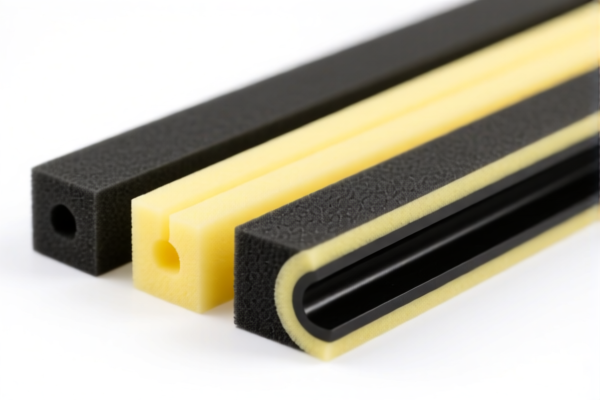
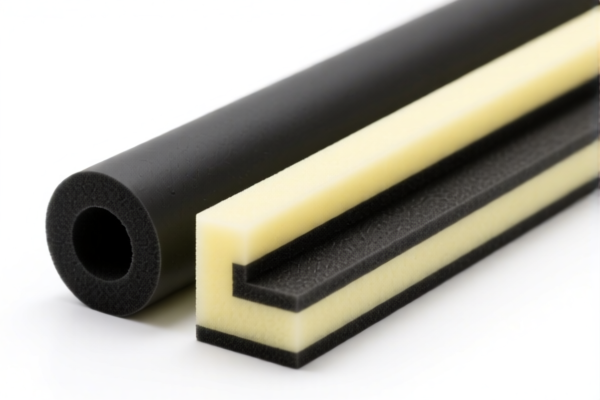
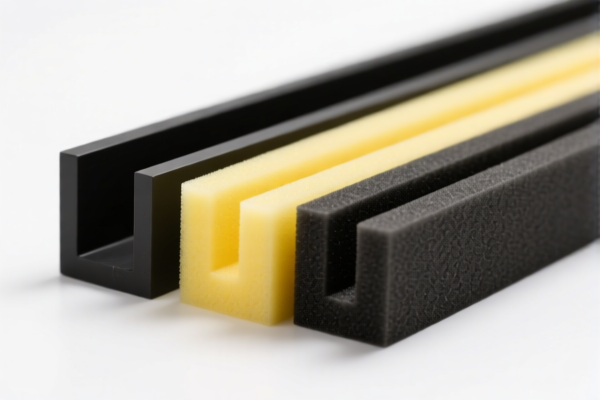
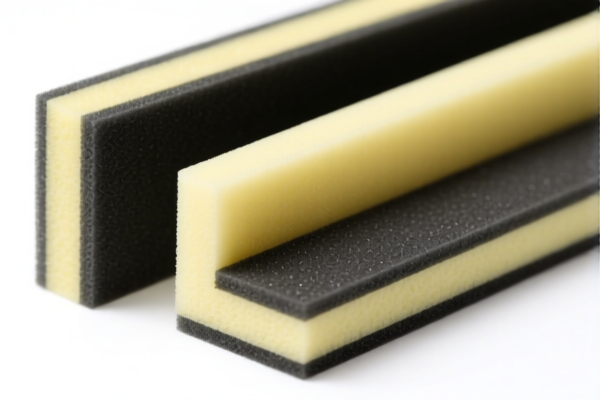
AI Analysis
🛡️ Rubber Foam Profile (Custom Profiles, Strips, & Sheets)
🌐 HS Code Classification & Customs Clearance Guide | 2026 Tax Analysis | Strategic Import Strategy
📌 I. Product Definition: What Exactly is "Rubber Foam Profile"?
In international trade, "Rubber Foam Profile" is a broad term referring to vulcanized or non-vulcanized rubber products with specific cross-sectional shapes (strips, tubes, seals, plates). The critical distinction for customs lies in the processing state (Vulcanized vs. Non-Vulcanized) and the physical form (Plate/Sheet vs. Strip/Profile).
Two Main Categories:
- Unvulcanized Rubber (Raw Material Stage): Rubber that has not yet been hardened through heat/pressure. Typically found as raw sheets or unformed shapes.
- Key HS Chapters: 4006 (Other articles of unvulcanized rubber).
- Vulcanized Rubber (Finished Goods): Rubber that has been processed to be elastic and durable. Includes foam sheets (plates) and shaped profiles (strips).
- Key HS Chapters: 4008 (Plates, sheets, and strip of vulcanized rubber) & 4016 (Other vulcanized rubber articles).
⚠️ Critical Distinction Point:
- If the product is a flat plate/sheet but is UNVULCANIZED → It usually falls under 4006.90.
- If the product is a flat plate/sheet and is VULCANIZED → It usually falls under 4008.11.
- If the product is a Strip/Profile (shaped cross-section) and is VULCANIZED → It generally falls under 4016.99 or 4008.11 (depending on thickness/format interpretation).
📦 II. HS Code Classification Matrix (Based on Provided Data)
| HS Code | Product Description | Classification Logic | Tax Rate Profile |
|---|---|---|---|
4006.90.10.00 |
Unvulcanized Rubber Foam Sheet/Plate | Rubber foam in plate form, not vulcanized. Falls under "Other articles of unvulcanized rubber." | 35.0% (0% Base + 25% Sec 301 + 10% IEEPA) |
4006.90.50.00 |
Unvulcanized Rubber Foam Plate | Rubber foam plate, not vulcanized. Specific subheading for other unvulcanized shapes. | 37.7% (2.7% Base + 25% Sec 301 + 10% IEEPA) |
4008.11.10.00 |
Vulcanized Rubber Foam Plate/Sheet | Rubber foam in plate/sheet form, vulcanized. "Foam plates, sheets, and strip." | 35.0% (0% Base + 25% Sec 301 + 10% IEEPA) |
4008.11.50.00 |
Vulcanized Rubber Foam Strip/Profile | Rubber foam in strip form, vulcanized. Fits definition of foam plates/shapes. | 38.3% (3.3% Base + 25% Sec 301 + 10% IEEPA) |
4016.99.60.50 |
Vulcanized Rubber Foam Strip (General) | Other vulcanized rubber articles (strips/profiles not specified elsewhere). "Other articles of vulcanized rubber." | 37.5% (2.5% Base + 25% Sec 301 + 10% IEEPA) |
🔍 Key Insight:
- Unvulcanized items often have 0% base duty (like4006.90.10.00), but still face heavy add-ons. - Vulcanized Foam Strips (4008.11.50.00) carry the highest base duty (3.3%), making their total cost higher despite being a "foam" product. - Vulcanized Foam Plates (4008.11.10.00) offer the lowest base duty (0%), making them tax-efficient for sheet materials.
💰 III. 2026 Tariff Rate Breakdown (Detailed Policy Analysis)
✅ Applicable Country: USA (US)
✅ Origin: China (CN)
✅ Effective Date: Post-November 2025 (Current Trade Policy)
🎯 1. 4006.90.10.00 & 4008.11.10.00 — The "0% Base" Advantage
| Item | Detail |
|---|---|
| Base Tariff | 0.0% (Ad Valorem) |
| Section 301 Tariff | +25.0% (Additional Duties) |
| IEEPA 122-Clause | +10.0% (Section 122 Tariff) |
| Total Effective Rate | 35.0% |
| Tax Calculation | CIF Value × 35% |
| De Minimis Exemption | ❌ NO (deny_de_minimis) |
| Legal Authority | USITC Harmonized Tariff Schedule → IEEPA Footnotes → Section 301 Lists |
📌 Explanation:
- These codes benefit from zero base duty due to their specific classification (unvulcanized or foam plates). - However, the 35% total burden is still significant. The 25% is a permanent trade war tariff; the 10% is a recent political add-on. - Strategic Value: If you can prove the product is Unvulcanized (4006) or Foam Plate (4008.11.10), you save on the base duty compared to profiles.
🎯 2. 4016.99.60.50 — The "General Article" Classification
| Item | Detail |
|---|---|
| Base Tariff | 2.5% |
| Section 301 Tariff | +25.0% |
| IEEPA 122-Clause | +10.0% |
| Total Effective Rate | 37.5% |
| Tax Calculation | CIF Value × 37.5% |
| De Minimis Exemption | ❌ NO |
| Legal Authority | USITC 4016 (Other vulcanized rubber articles) |
📌 Explanation:
- This is a catch-all code for vulcanized rubber items not specifically listed elsewhere. - It incurs a 2.5% base duty, making it more expensive than the 0% base options. - Use this only if the product shape doesn't fit neatly into "Strip" (4008.11.50) or "Plate" categories.
🎯 3. 4006.90.50.00 — The "Other Unvulcanized" Category
| Item | Detail |
|---|---|
| Base Tariff | 2.7% |
| Section 301 Tariff | +25.0% |
| IEEPA 122-Clause | +10.0% |
| Total Effective Rate | 37.7% |
| Tax Calculation | CIF Value × 37.7% |
| De Minimis Exemption | ❌ NO |
📌 Explanation:
- Slightly higher base duty than4006.90.10.00. - Likely used for unvulcanized foam products that are not "other shapes" (4006.90.10).
🎯 4. 4008.11.50.00 — The "Highest Base Duty" Trap
| Item | Detail |
|---|---|
| Base Tariff | 3.3% |
| Section 301 Tariff | +25.0% |
| IEEPA 122-Clause | +10.0% |
| Total Effective Rate | 38.3% |
| Tax Calculation | CIF Value × 38.3% |
| De Minimis Exemption | ❌ NO |
📌 Explanation:
- Avoid if possible. This code attracts the highest total tax (38.3%). - It classifies Vulcanized Rubber Foam Strips. If your product is a profile/strip, customs may insist on this code, leading to the highest cost. - Counter-Strategy: Can the strip be classified under4016.99.60.50(37.5%)? Only if it doesn't strictly meet the "foam strip" definition of 4008.11.50.
🛠️ IV. Customs Clearance Practical Advice (Pitfall Avoidance)
✅ 1. Documentation Checklist (Mandatory)
| Document | Required | Purpose |
|---|---|---|
| ✅ Product Specification Sheet | ✔️ | Must clearly state: Vulcanized vs. Unvulcanized, Material (e.g., NBR, EPDM, Silicone), Density, and Shape (Plate/Strip). |
| ✅ Cross-Sectional Diagrams | ✔️ | Critical for distinguishing between Plate (4008.11.10) and Strip/Profile (4008.11.50 or 4016.99). |
| ✅ Photos of Raw & Finished Goods | ✔️ | Show texture (foam vs. solid) and dimensions. |
| ✅ Commercial Invoice | ✔️ | Describe as "Vulcanized Rubber Foam Strip/Profile" or "Unvulcanized Rubber Sheet." Do NOT use vague terms like "Rubber Part." |
| ✅ Packing List | ✔️ | Ensure weight and dimensions match the declared HS Code logic. |
| ✅ IEC (Import Export Code) | ✔️ | Standard US importer ID. |
✅ 2. Declaration Strategy (Key Rules)
🔥 "Shape Dictates Code, Vulcanization Dictates Tax!"
| Scenario | Correct HS Code | Risk |
|---|---|---|
| Flat Sheet, Unvulcanized | 4006.90.10.00 |
Low Base Tax (0%) |
| Flat Sheet, Vulcanized | 4008.11.10.00 |
Low Base Tax (0%) |
| Shaped Strip, Vulcanized (Foam) | 4008.11.50.00 |
HIGH TAX (38.3%) |
| Shaped Strip, Vulcanized (Non-Foam/Other) | 4016.99.60.50 |
Medium Tax (37.5%) |
| Shaped Strip, Unvulcanized | 4006.90.50.00 |
Medium Tax (37.7%) |
📌 Critical Warning:
- If you import Vulcanized Foam Strips, Customs will likely classify them under4008.11.50.00(38.3%). - To reduce tax, verify if the product can be considered "Other Vulcanized Rubber Articles" (4016.99.60.50), but be prepared to justify why it’s not a "foam strip" under 4008.11. - Unvulcanized goods are cheaper to tax (0% base) but are rare for finished profiles. Most profiles are vulcanized.
✅ 3. Special Case Handling
| Situation | Recommendation |
|---|---|
| Customs Disputes Shape | Provide 3D CAD drawings showing cross-section. If it’s thin and flexible, argue for "Sheet/Plate" classification under 4008.11.10 (0% base) instead of "Strip" (4008.11.50). |
| Mixed Shipments | Do NOT mix vulcanized and unvulcanized goods in one shipment. Separate entries are required. |
| OEM Private Label | Ensure the supplier’s technical data sheet matches your declaration. Mismatches cause delays. |
| Duty Drawback | If these products are re-exported, check if duty drawback applies (unlikely for China-origin due to 301/122 tariffs, but verify). |
🌍 V. Global Market Comparison (2026)
| Country/Region | Recommended HS Code | Total Tax (China Origin) | Notes |
|---|---|---|---|
| 🇺🇸 USA | 4008.11.10.00 (Best Option) |
35.0% | Lowest total tax for foam plates. |
| 🇺🇸 USA | 4008.11.50.00 (Strip) |
38.3% | Highest tax for foam profiles. |
| 🇪🇺 EU | 4008.11 / 4016.99 | ~10-12% | No Section 301/IEEPA taxes. VAT applies. |
| 🇨🇳 China | 4008.11 / 4016.99 | ~5-7% | Import duty only. No trade war tariffs. |
| 🇬🇧 UK | 4008.11 / 4016.99 | ~5-10% | Post-Brexit tariffs. No US-style penalties. |
📌 Conclusion:
- USA is the most expensive market for rubber foam profiles due to the 25% + 10% add-ons. - Minimize tax by optimizing classification: Use4008.11.10.00(0% base) for flat foam sheets instead of strips. - Strategic Sourcing: If possible, source from Vietnam/Mexico to avoid IEEPA 122-Clause and Section 301 tariffs (check Rules of Origin carefully).
📌 VI. Common Mistakes & Pitfalls (Lessons Learned)
❌ Mistake 1: Calling all rubber foam products "Rubber Sheet"
👉 Consequence: If the product is a strip/profile, Customs will reclassify it to 4008.11.50.00 → Tax jumps from 35% to 38.3%.
❌ Mistake 2: Ignoring Vulcanization Status
👉 Consequence: Declaring vulcanized goods as "unvulcanized" (4006) is fraud. Seizure, fines, and blacklisting.
❌ Mistake 3: Assuming "Foam" Always Gets 0% Base Duty
👉 Consequence: 4008.11.50.00 (Vulcanized Foam Strip) has a 3.3% base duty. Only 4008.11.10.00 (Plate) and 4006.90.10.00 (Unvulcanized) have 0% base.
❌ Mistake 4: Missing the 122-Clause 10% Tax
👉 Consequence: Failing to account for the IEEPA 122-Clause tax leads to underpayment and penalties. The total is Base + 25% + 10%.
✅ Correct Approach:
"Vulcanized EPDM Rubber Foam Profile, Cross-section 10mm x 20mm, for Sealing. Classified under 4016.99.60.50 (if not strictly foam strip) or 4008.11.50.00 (if foam strip). Declare origin: China. Tax: 37.5% or 38.3%."
🎯 VII. Conclusion: Strategic Tax Optimization
🎯 Key Takeaway:
🔹 "Plates are Cheaper (0% Base), Strips are Expensive (3.3% Base)."
🔹 "Vulcanized is the Default. Unvulcanized is Rare but Cheaper (0% Base)."
🔹 "Total Tax = Base + 25% + 10%. Don't Forget the 10%!"
📌 Pro Tip:
If you import Rubber Foam Profiles, negotiate with your supplier to provide technical data that supports classification under 4016.99.60.50 (37.5%) rather than 4008.11.50.00 (38.3%) if the product doesn't strictly meet "foam strip" definitions. Even a 0.8% difference adds up on large volumes.
📣 Immediate Action:
📞 Contact your customs broker with cross-section diagrams.
📦 Verify if your product can be classified as "Plate/Sheet" (4008.11.10.00) instead of "Strip" to save 3.3% in base duty.
🚀 Accurate Classification = Lower Costs = Higher Margins.
✨ Professional Classification, Precision Clearance!
💼 Your Supply Chain’s Profitability Depends on This 0.1% Difference!
Customer Reviews
About HS Code Classification
The Harmonized System (HS) is an internationally standardized nomenclature developed by the World Customs Organization (WCO) to classify traded products. Over 200 countries use the HS system as the basis for customs tariffs, trade statistics, and import/export regulations.
Each HS code follows a hierarchical structure:
- Chapter (2 digits) — Broad category of goods (e.g., Chapter 84: Machinery and Mechanical Appliances)
- Heading (4 digits) — More specific grouping within the chapter
- Subheading (6 digits) — Internationally standardized breakdown, used by all WCO member countries
- National subdivisions (8-10 digits) — Country-specific extensions for further classification, such as US HTSUS 10-digit codes
Correct HS code classification is essential for smooth customs clearance, accurate duty payment, and compliance with trade regulations. Misclassification can lead to customs delays, overpayment of duties, or penalties.
When importing from CN to US, the applicable tariff rates may include:
- Most-Favored-Nation (MFN) rate — The standard duty rate applied to WTO members
- General rate — Applied to countries without trade agreements
- Trade remedy duties — Additional tariffs such as Section 301 (anti-dumping), Section 232 (national security), or countervailing duties
The information provided on this page is for reference purposes only. For official classification, please consult with your local customs authority or a licensed customs broker.