Rubber Food Packaging Lid
CN → US| HS Code | Tariff Rate | Origin | Destination | Doc |
|---|---|---|---|---|
| 4016991500 | 20.2% | CN | US | Official Doc |
| 4016990500 | 20.9% | CN | US | Official Doc |
| 3923500000 | 40.3% | CN | US | Official Doc |
| 7010202000 | 37.5% | CN | US | Official Doc |
| 3923109000 | 38.0% | CN | US | Official Doc |
| 8309900080 | 37.6% | CN | US | Official Doc |
Product Images
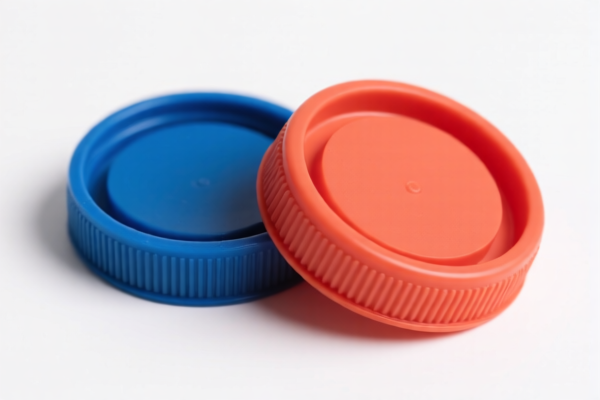
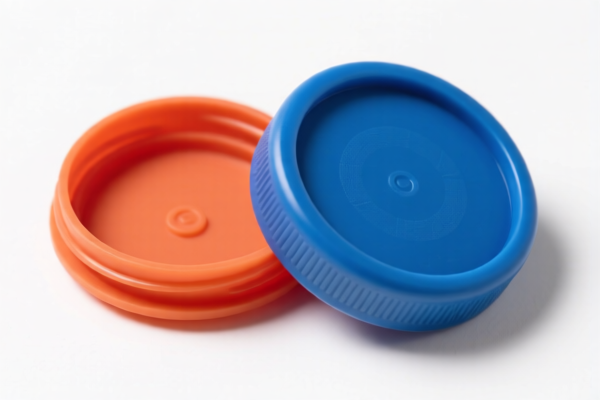
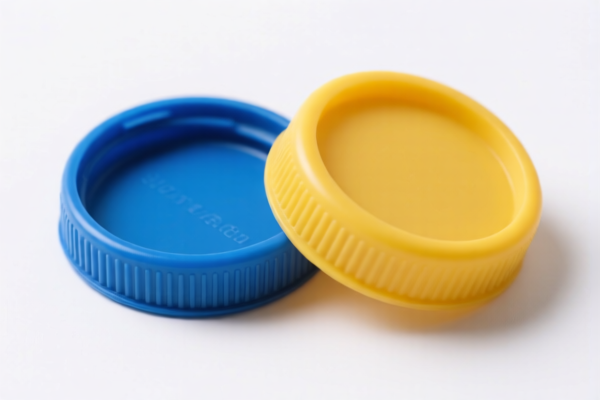
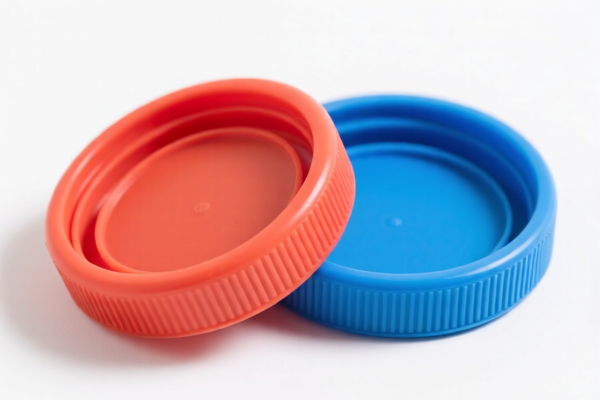
AI Analysis
🍱 Rubber Food Packaging Lids: HS Code Classification & US Customs Clearance Guide (2026)
🌐 HS Code Reference & Customs Strategy | 2026 Latest Tariff Analysis | Professional Clearance Protocols
📌 一、Product Definition & Classification: What Exactly Is a "Rubber Lid"?
In international trade, "Food Packaging Lids" are not a single category. They are strictly classified based on Material Composition and Intended Use. While the user input specifies "Rubber," customs authorities often look for specific material nuances (e.g., Vulcanized Rubber vs. General Rubber) and application (e.g., Household Use vs. Industrial Sealing).
Key Distinctions: * Vulcanized Rubber Lids: Processed rubber, heat-resistant, often used for high-end kitchenware or industrial sealing. → HS 4016.99.15.00 * General Rubber Lids: Unspecified rubber material, generic form. → HS 4016.99.05.00 * Plastic Lids: If the material is mistakenly declared as rubber but is actually plastic (common in food storage). → HS 3923.50.00.00 / 3923.10.90.00 * Glass Lids: Often sold with rubber seals; if the primary article is glass. → HS 7010.20.20.00 * Metal Lids: Screw-top metal lids. → HS 8309.90.00.80
⚠️ Critical Compliance Point:
- Material Misdeclaration is the #1 Cause of Delays. If you declare "Rubber" but the product is Silicone (a type of rubber), it may still fall under Chapter 40, but if it’s TPE or Plastic, it falls under Chapter 39.
- Purpose Matters: A rubber gasket for a pipe is different from a rubber lid for a yogurt cup. The summary must clearly state "Food Packaging Lid" or "Sealing Cap."
📦 二、HS Code Classification Details (2026 Latest Tariff Authority)
Based on the provided data, here are the five possible HS Codes for "Rubber Food Packaging Lid," ranging from the most specific to other material alternatives.
| HS Code | Product Description | Material Basis | Total Tax Rate | Key Tax Components |
|---|---|---|---|---|
4016.99.15.00 |
Rubber Lid, Vulcanized | Vulcanized Rubber | 20.2% | Base: 2.7% + Section 301: 7.5% + Section 122: 10% |
4016.99.05.00 |
Rubber Lid, General | Rubber (Unspecified) | 20.9% | Base: 3.4% + Section 301: 7.5% + Section 122: 10% |
3923.50.00.00 |
Food Lid (Inferred Plastic) | Plastic (Inferred) | 40.3% | Base: 5.3% + Section 301: 25.0% + Section 122: 10% |
7010.20.20.00 |
Food Lid (Inferred Glass) | Glass (Inferred) | 37.5% | Base: 2.5% + Section 301: 25.0% + Section 122: 10% |
3923.10.90.00 |
Food Lid (Inferred Plastic) | Plastic (Inferred) | 38.0% | Base: 3.0% + Section 301: 25.0% + Section 122: 10% |
8309.90.00.80 |
Food Lid (Inferred Metal) | Metal (Inferred) | 37.6% | Base: 2.6% + Section 301: 25.0% + Section 122: 10% |
🔍 重点提醒 (Key Takeaway):
- The lowest tax rate (20.2% - 20.9%) applies specifically to Rubber products.
- If your product is actually Plastic (common in "Rubber" lids due to silicone/TPE confusion), the tax jumps to 38-40.3%.
- Section 122 (10%) is a consistent add-on for these categories, likely related to recent bilateral trade agreements or specific food-grade import rules.
- Section 301 varies: 7.5% for Rubber vs. 25% for Plastic/Glass/Metal. This is the biggest cost driver.
💰 三、2026 Latest Tariff Rate Breakdown (Detailed Clause Analysis)
✅ Applicable Country: United States (US)
✅ Origin: China (CN)
✅ Effective Date: 2025-11-10 onwards
🎯 1. 4016.99.15.00 —— Rubber Lid, Vulcanized (Best Option for Rubber)
| Item | Detail |
|---|---|
| Base Tariff | 2.7% (Ad Valorem) |
| Section 301 Tariff | +7.5% (List 4B) |
| Section 122 Tariff | +10.0% (Food Packaging Specific) |
| Total Tariff | 20.2% |
| Calculation | CIF Value × 20.2% |
| De Minimis Exemption? | ❌ No (Deemed Denied) |
| Legal Path | USITC:4016.99.15.00 → Section 301: 7.5% → Section 122: 10% |
📌 Explanation:
- Base 2.7%: Standard MFN rate for other rubber articles.
- Section 301 (7.5%): Lower than the standard 25% for many goods, indicating this specific rubber subtype may have a negotiated rate or is on a lower-tariff list.
- Section 122 (10%): Additional levy on food-related packaging materials.
- Total 20.2%: This is the most competitive rate if the product is truly Vulcanized Rubber.
🎯 2. 4016.99.05.00 —— Rubber Lid, General Household Use
| Item | Detail |
|---|---|
| Base Tariff | 3.4% |
| Section 301 Tariff | +7.5% |
| Section 122 Tariff | +10.0% |
| Total Tariff | 20.9% |
| Calculation | CIF Value × 20.9% |
| De Minimis Exemption? | ❌ No |
| Legal Path | USITC:4016.99.05.00 → Section 301: 7.5% → Section 122: 10% |
📌 Note:
- Slightly higher than the vulcanized lid due to a higher base rate (3.4% vs 2.7%).
- Use this code if the rubber is not specifically vulcanized or is a generic rubber seal.
🚨 3. Alternative Codes (If Material is Misidentified)
If your "Rubber" lid is actually Plastic (TPE/Silicone not classified as rubber), Glass, or Metal, the tax rate jumps significantly:
| HS Code | Total Rate | Why Higher? |
|---|---|---|
3923.50.00.00 (Plastic) |
40.3% | Base 5.3% + Section 301 (25%) + Sec 122 (10%) |
7010.20.20.00 (Glass) |
37.5% | Base 2.5% + Section 301 (25%) + Sec 122 (10%) |
3923.10.90.00 (Plastic) |
38.0% | Base 3.0% + Section 301 (25%) + Sec 122 (10%) |
8309.90.00.80 (Metal) |
37.6% | Base 2.6% + Section 301 (25%) + Sec 122 (10%) |
🔥 Critical Insight:
- The Section 301 rate is the differentiator. Rubber gets 7.5%, while Plastic/Glass/Metal gets 25%.
- This is a $17.5-$17.8% difference in total tax burden.
- Do not guess the material. If you are unsure, classify as the higher tax rate (Plastic) to avoid penalties, or get a lab test.
🛠️ 四、Customs Clearance Practical Advice (Avoid Pitfalls)
✅ 1. Required Documentation Checklist
| Document | Mandatory? | Notes |
|---|---|---|
| ✅ Product Specification Sheet | ✔️ | Must state material: "Vulcanized Rubber" vs. "TPE" vs. "Silicone". |
| ✅ Material Test Report | ✔️ | Recommended to prove it is Rubber (Chapter 40) and not Plastic (Chapter 39). |
| ✅ Commercial Invoice | ✔️ | Description: "Vulcanized Rubber Food Container Lids". |
| ✅ Packing List | ✔️ | Item weight and quantity. |
| ✅ FDA Compliance (if applicable) | ✔️ | Ensure materials are food-grade (FDA 21 CFR 177.2600 for Rubber Articles). |
✅ 2. Declaration Strategy (Key Mantra)
🔥 "Material Truth, Section 301 Saves, Section 122 Always Applies!"
| Scenario | Correct HS Code | Incorrect HS Code | Consequence |
|---|---|---|---|
| Vulcanized Rubber Lid | 4016.99.15.00 (20.2%) |
3923.50.00.00 (40.3%) |
Overpaying ~20% tax |
| TPE/Plastic Lid | 3923.50.00.00 (40.3%) |
4016.99.15.00 (20.2%) |
Under-declaration Penalty + Back Taxes |
| Glass Jar with Rubber Lid | 7010.20.20.00 (37.5%) |
4016.99.05.00 (20.9%) |
Under-declaration Penalty |
📌 Best Practice:
- If the product is 100% Rubber, use 4016.99.15.00.
- If it is Plastic with a Rubber Seal, it is likely 3923.50.00.00 or 3923.10.90.00.
- Never declare a plastic lid as rubber to save tax. Customs uses X-ray and material testing.
✅ 3. Special Considerations
| Situation | Recommendation |
|---|---|
| Silicone Lids | Silicone is a subset of rubber. If it meets vulcanization criteria, use 4016.99.15.00. If not, it may be 4016.99.05.00. |
| Mixed Packaging | If sold as a set (Container + Lid), the Primary Function determines the HS Code. Usually, the container dominates. If container is plastic, lid is accessory → Plastic HS Code. |
| Section 122 (10%) | This is unavoidable for food packaging. Factor it into your pricing model. |
🌍 五、Global Comparison (2026 Latest)
| Country | Recommended HS Code (Rubber) | Total Tax | Notes |
|---|---|---|---|
| 🇺🇸 USA | 4016.99.15.00 |
20.2% | Includes Section 301 (7.5%) + Sec 122 (10%) |
| 🇨🇳 China | 4016.99.90.00 |
~5-8% | No Section 301/122 equivalent. Lower base rate. |
| 🇪🇺 EU | 4016.99.97 |
~3.7% | No Section 301. VAT applies separately. |
| 🇬🇧 UK | 4016.99.97 |
~3.7% | Post-Brexit rates similar to EU. |
📌 Conclusion:
- The US is significantly more expensive due to Section 301 and Section 122.
- For US market, Vulcanized Rubber (4016.99.15.00) is the most tax-efficient path.
- Plastic alternatives (3923.50.00.00) are nearly double the tax cost.
📌 六、Common Errors & Pitfalls (Lessons Learned)
❌ Error 1: Declaring TPE (Thermoplastic Elastomer) as Rubber.
👉 Result: TPE is often classified as Plastic (Chapter 39). Customs will reclassify and charge 40.3% instead of 20.2%.
👉 Fix: Provide material composition report. If TPE, use 3923.50.00.00.
❌ Error 2: Ignoring Section 122 (10%).
👉 Result: Underpayment of duties.
👉 Fix: Always include the 10% food-packaging levy in cost calculations.
❌ Error 3: Using "Seal" or "Gasket" for Food Lids.
👉 Result: Customs may classify as industrial parts, leading to different duty rates and lack of FDA compliance checks.
👉 Fix: Clearly state "Food Packaging Lid" or "Food Container Lid."
✅ Correct Declaration Example:
"VULCANIZED RUBBER FOOD CONTAINER LIDS, FOODBORNE GRADE, MODEL ABC, HS CODE 4016.99.15.00"
🎯 七、Conclusion: Professional Declaration, Cost Optimization!
🎯 Key Takeaways:
🔹 "Rubber Lids = 20.2% (Best Case)"
🔹 "Plastic Lids = 40.3% (Double the Cost)"
🔹 "Material Proof is Mandatory" – Do not guess.
🔹 "Section 122 (10%) is Non-Negotiable" for food packaging.
📌 Pro Tip:
If you are sourcing from China, verify the material. If it is Vulcanized Rubber, insist on 4016.99.15.00 for the lowest tax. If it is Plastic/TPE, accept the 40.3% rate or switch to a different material supplier.
📣 Action Required:
📞 Contact Customs Broker + Provide Material Test Report + Apply for Advance Ruling
🚀 Ensure Smooth Clearance, Minimize Tax, Maximize Profit!
✨ Professional Customs Clearance Starts with Accurate Classification!
💼 Every Percent of Tax Savings Counts!
Customer Reviews
About HS Code Classification
The Harmonized System (HS) is an internationally standardized nomenclature developed by the World Customs Organization (WCO) to classify traded products. Over 200 countries use the HS system as the basis for customs tariffs, trade statistics, and import/export regulations.
Each HS code follows a hierarchical structure:
- Chapter (2 digits) — Broad category of goods (e.g., Chapter 84: Machinery and Mechanical Appliances)
- Heading (4 digits) — More specific grouping within the chapter
- Subheading (6 digits) — Internationally standardized breakdown, used by all WCO member countries
- National subdivisions (8-10 digits) — Country-specific extensions for further classification, such as US HTSUS 10-digit codes
Correct HS code classification is essential for smooth customs clearance, accurate duty payment, and compliance with trade regulations. Misclassification can lead to customs delays, overpayment of duties, or penalties.
When importing from CN to US, the applicable tariff rates may include:
- Most-Favored-Nation (MFN) rate — The standard duty rate applied to WTO members
- General rate — Applied to countries without trade agreements
- Trade remedy duties — Additional tariffs such as Section 301 (anti-dumping), Section 232 (national security), or countervailing duties
The information provided on this page is for reference purposes only. For official classification, please consult with your local customs authority or a licensed customs broker.