Rubber Foot Pad
CN → US| HS Code | Tariff Rate | Origin | Destination | Doc |
|---|---|---|---|---|
| 4016990500 | 20.9% | CN | US | Official Doc |
| 4016996050 | 37.5% | CN | US | Official Doc |
| 4014905000 | 14.2% | CN | US | Official Doc |
| 4014901000 | 10.0% | CN | US | Official Doc |
| 3926909989 | 22.8% | CN | US | Official Doc |
Product Images
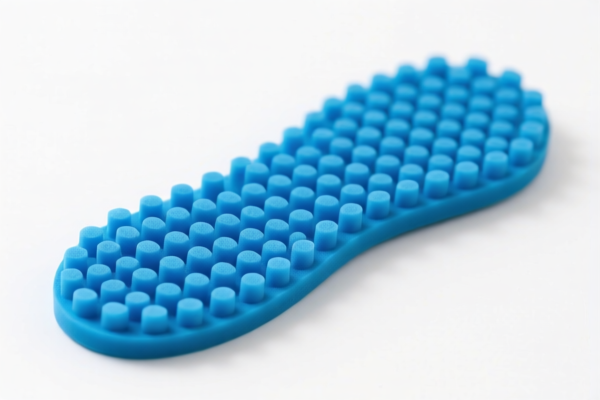
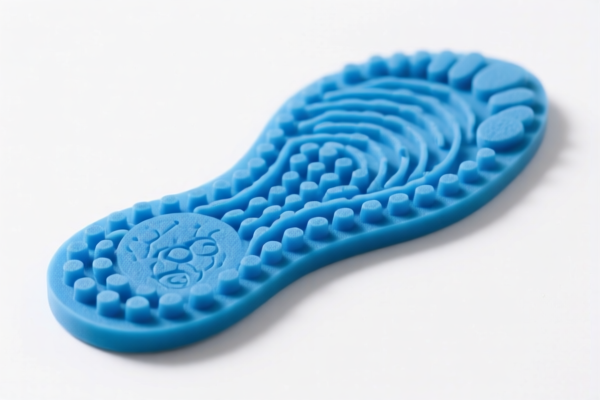
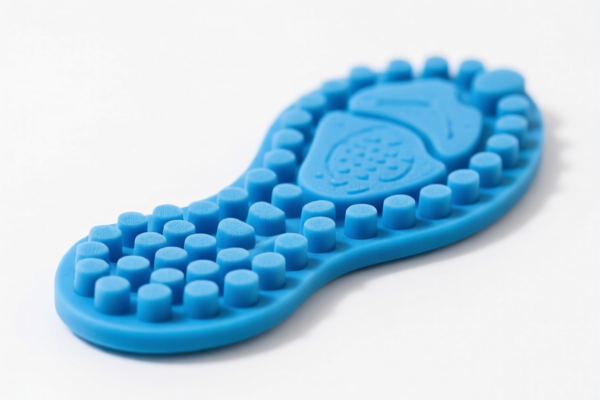
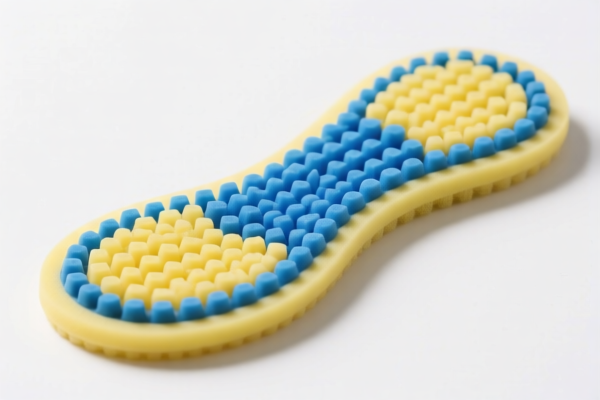
AI Analysis
🛋️ Rubber Foot Pad (Furniture Protectors)
🌐 HS Code Reference & Customs Clearance Guide | 2026 Latest Tariff Analysis | Professional Compliance Strategy
📌 I. Product Definition & Classification: What Exactly is a "Rubber Foot Pad"?
Rubber foot pads are small but critical components used to protect furniture floors, dampen vibration, and prevent slipping. Despite their simple appearance, customs classification varies significantly based on material composition, intended use, and structural design.
In international trade, they are generally categorized into three main types: 1. Household/Decorative Items: Treated as general rubber articles for home use. 2. Specialized Rubber Products: Classified under specific sub-headings for non-automotive mechanical parts. 3. Accessories/Parts: Treated as parts of other goods (e.g., sanitary goods or plastic items).
⚠️ Key Classification Point:
- If used purely as furniture protectors without complex mechanical function → Often falls under 4016 or 4014.
- If considered parts of sanitary/pharmaceutical equipment → Falls under 4014.90.
- If made of plastic/elastomer blends marketed as "plastic products" → Might fall under 3926.
📦 II. HS Code Classification Matrix (2026 Latest Tariff Data)
| HS Code | Summary Description | Applicable Scenario | Primary Category |
|---|---|---|---|
4016.99.05.00 |
Rubber foot pads, classified as other household items; fits vulcanized rubber products classification | General household furniture pads | ✅ Household Rubber |
4016.99.60.50 |
Rubber foot pads, rubber goods category; use: table foot pads; non-vehicle/mechanical parts | General industrial/commercial table pads | ✅ General Rubber Goods |
4014.90.50.00 |
Rubber foot pads, rubber parts excluding sanitary/medical supplies | Parts for non-medical equipment | ✅ Parts/Accessories |
4014.90.10.00 |
Rubber foot pads, use: furniture protection;广义 (broadly) sanitary/daily use category | Household protection items | ✅ Daily Use/Sanitary |
3926.90.99.89 |
Rubber foot pads, elastic/plastic material other products parts | Plastic/elastomer blend pads | ✅ Plastic/Elastomer Parts |
🔍 Key Distinction:
- Chapter 40 (Rubber) is preferred for pure vulcanized rubber pads (4016.99,4014.90).
- Chapter 39 (Plastics) is used if the product is marketed or primarily composed of thermoplastic elastomers (TPE) or plastic-based components (3926.90).
- Misclassification Risk: Declaring rubber pads as plastic parts (3926) when they are vulcanized rubber (4016) can lead to higher tariff penalties due to incorrect duty rates.
💰 III. 2026 Tariff Rate Breakdown (Detailed Tax Clause Analysis)
✅ Applicable Country: United States (US)
✅ Origin: China (CN)
✅ Effective Date: 2025/2026 (Includes Section 301 & IEEPA additions)
🎯 1. 4016.99.05.00 – Rubber Foot Pads (Household Items)
| Item | Detail |
|---|---|
| Base Tariff | 3.4% (ad valorem) |
| Section 301 Additional Tariff | 7.5% |
| 122-Clause Tariff | 10% |
| Total Effective Tax Rate | 20.9% |
| Tax Calculation | CIF Value × 20.9% |
| De Minimis Exemption | ❌ Not Eligible (Subject to full duties) |
| Legal Basis Path | HTSUS:4016.99.05.00 → USITC Footnote:301-04 → 122-Clause:Section122 |
📌 Explanation:
- This is a moderate-cost classification.
- The 10% "122-Clause" tariff is a specific additional duty often applied to certain Chinese rubber goods to protect domestic manufacturing.
- Strategy: If your product is clearly for household furniture, this code offers the lowest total burden (20.9%) among the rubber-specific codes.
🎯 2. 4016.99.60.50 – Rubber Foot Pads (General Rubber Goods)
| Item | Detail |
|---|---|
| Base Tariff | 2.5% |
| Section 301 Additional Tariff | 25.0% |
| 122-Clause Tariff | 10% |
| Total Effective Tax Rate | 37.5% |
| Tax Calculation | CIF Value × 37.5% |
| De Minimis Exemption | ❌ Not Eligible |
| Legal Basis Path | HTSUS:4016.99.60.50 → USITC Footnote:301-04 → 122-Clause:Section122 |
📌 Explanation:
- This code carries the highest penalty among the 4016 codes due to the 25% Section 301 tariff.
- Strategy: Avoid this code unless explicitly required by the nature of the product (e.g., if classified as a "mechanical part" rather than a household item).
🎯 3. 4014.90.50.00 – Rubber Parts (Non-Sanitary/Medical)
| Item | Detail |
|---|---|
| Base Tariff | 4.2% |
| Section 301 Additional Tariff | 0.0% |
| 122-Clause Tariff | 10% |
| Total Effective Tax Rate | 14.2% |
| Tax Calculation | CIF Value × 14.2% |
| De Minimis Exemption | ❌ Not Eligible |
| Legal Basis Path | HTSUS:4014.90.50.00 → USITC Footnote:301-04 (Exempt) → 122-Clause:Section122 |
📌 Explanation:
- CRITICAL INSIGHT: The Section 301 tariff is 0% for this specific subheading.
- Strategy: If your foot pads can be justified as "parts of rubber articles" rather than "household items," this code offers the lowest tax burden (14.2%).
- Risk: Requires robust documentation proving they are "parts" and not general consumer goods.
🎯 4. 4014.90.10.00 – Rubber Parts (Sanitary/Daily Use Broad Category)
| Item | Detail |
|---|---|
| Base Tariff | 0.0% |
| Section 301 Additional Tariff | 0.0% |
| 122-Clause Tariff | 10% |
| Total Effective Tax Rate | 10.0% |
| Tax Calculation | CIF Value × 10.0% |
| De Minimis Exemption | ❌ Not Eligible |
| Legal Basis Path | HTSUS:4014.90.10.00 → USITC Footnote:301-04 (Exempt) → 122-Clause:Section122 |
📌 Explanation:
- LOWEST POSSIBLE RATE: Only 10% total.
- Strategy: This is the most favorable code if the product can be classified under the broad "sanitary/daily use" rubber parts category.
- Warning: Customs may challenge this if the product is clearly for furniture and not related to sanitary/medical equipment. You must provide clear marketing materials showing "daily use protection" context.
🎯 5. 3926.90.99.89 – Plastic/Elastomer Parts
| Item | Detail |
|---|---|
| Base Tariff | 5.3% |
| Section 301 Additional Tariff | 7.5% |
| 122-Clause Tariff | 10% |
| Total Effective Tax Rate | 22.8% |
| Tax Calculation | CIF Value × 22.8% |
| De Minimis Exemption | ❌ Not Eligible |
| Legal Basis Path | HTSUS:3926.90.99.89 → USITC Footnote:301-04 → 122-Clause:Section122 |
📌 Explanation:
- This code applies if the product is marketed as a plastic or TPE product.
- Strategy: Only use if the product is primarily plastic. If it is 100% vulcanized rubber, using this code is a misclassification risk and may result in audits and back-taxes.
🛠️ IV. Customs Clearance Practical Advice (Anti-Pitfall Guide)
✅ 1. Document Checklist (Mandatory)
| Document | Required? | Purpose |
|---|---|---|
| ✅ Product Composition Certificate | ✔️ | Proves material is Vulcanized Rubber (Chapter 40) vs. Thermoplastic (Chapter 39). |
| ✅ Usage Description | ✔️ | Clearly state "Furniture Protection" to support 4016 or 4014.90.10 classifications. |
| ✅ Technical Data Sheet | ✔️ | Shows hardness, density, and shape to justify "part" vs. "finished good." |
| ✅ Commercial Invoice | ✔️ | Must not say "Rubber Foot Pad" ambiguously; use specific descriptions aligned with HS code. |
| ✅ Photos | ✔️ | High-res images showing material texture (rubber vs. plastic) and packaging. |
✅ 2. Declaration Strategy (Key Tips)
🔥 "Material is King, Use is Queen, Code Choice is King!"
| Scenario | Recommended HS Code | Reason |
|---|---|---|
| Pure Vulcanized Rubber, Furniture Use | 4016.99.05.00 |
Safe, standard classification for household rubber goods. |
| Pure Vulcanized Rubber, Claimed as "Parts" | 4014.90.50.00 |
Lower tax (14.2%) if justification for "parts" is strong. |
| Pure Vulcanized Rubber, Broad "Daily Use" | 4014.90.10.00 |
Lowest Tax (10%), but high audit risk. Use with caution and strong documentation. |
| TPE/Plastic Blend, Marketed as Plastic | 3926.90.99.89 |
Must prove plastic composition to avoid misclassification penalties. |
✅ 3. Special Handling
| Situation | Advice |
|---|---|
| Mixed Containers (Rubber + Plastic) | Strictly separate. Do not mix 4016 and 3926 in one shipment without clear line-item declaration. |
Customs Audit Risk for 4014.90.10.00 |
Prepare a Legal Opinion from a trade attorney arguing that "furniture protectors" fall under the broad "sanitary/daily use" category to justify the 10% rate. |
| 122-Clause Tariff Application | Note that 10% additional tariff applies to ALL codes listed above. Factor this into pricing. No exemption for furniture pads under current regulations. |
🌍 V. Global Market Comparison (2026)
| Country/Region | Recommended HS Code | Tariff (China Origin) | Key Certification | Notes |
|---|---|---|---|---|
| 🇺🇸 USA | 4014.90.10.00 or 4016.99.05.00 |
10% ~ 20.9% + 122-Clause (10%) | None specific | High Section 301 risk if misclassified. |
| 🇨🇳 China | 4016.99.00.00 |
5% - 10% | CCC (if applicable) | No Section 301. |
| 🇪🇺 EU | 4016.93.50 |
0% - 3.7% | REACH, RoHS | No additional tariffs. |
| 🇬🇧 UK | 4016.93.50 |
0% - 3.7% | UKCA, REACH | Post-Brexit rules apply. |
| 🇨🇦 Canada | 4016.93.50 |
0% - 5% | None | Generally low duty. |
📌 Conclusion:
- USA is the most complex market due to Section 301 and 122-Clause tariffs.
- EU/UK/Canada offer lower or zero tariffs and simpler compliance.
- Recommendation: For US shipments, optimize classification to4014.90.10.00(10%) if legally defensible, otherwise stick to4016.99.05.00(20.9%) for safety.
📌 VI. Common Mistakes & Pitfalls (Blood & Tears Lessons)
❌ Mistake 1: Declaring Rubber Foot Pads as 3926.90 (Plastic) when they are Rubber
👉 Consequence: Customs detects material mismatch → Back taxes + Penalties + Seizure.
❌ Mistake 2: Using 4014.90.10.00 (10% tax) without proof of "sanitary/daily use" link
👉 Consequence: Customs reclassifies to 4016.99.60.50 (37.5%) → Unexpected 27.5% tax increase.
❌ Mistake 3: Ignoring the 122-Clause 10% Tariff
👉 Consequence: Under-quoting duties → Detention at Port + Delayed Release.
❌ Mistake 4: Combining Rubber and Plastic Pads in One HS Code
👉 Consequence: Audit failure → Manual Inspection + Administrative Fees.
✅ Correct Action:
"Vulcanized Rubber Furniture Protectors, Non-Slip, Household Use, Model XYZ, 100% Rubber"
🎯 VII. Conclusion: Professional Classification, Cost Savings, and Compliance
🎯 Remember the Mantra:
🔹 "Material Defines Chapter, Use Defines Heading, Code Defines Cost!"
🔹 "Rubber in 40, Plastic in 39, Misclassification Costs You Thousands!"
📌 Pro Tip:
- If you are exporting to the USA, consider applying for an Advance Ruling from US Customs (CBP) to secure the 10% or 14.2% rate legally.
- For Section 301 exclusions, check if your specific rubber product code has been exempted (unlikely for general foot pads, but worth verifying).
📣 Immediate Action:
📞 Consult a Customs Broker + Provide Material Safety Data Sheet (MSDS) + Apply for CBP Advance Ruling
🚀 Ensure your Rubber Foot Pads pass US Customs smoothly, avoid high duties, and protect your profit margins!
✨ Professional Customs Clearance Starts with Precise Classification!
💼 Every Percent of Tariff Matters!
Customer Reviews
About HS Code Classification
The Harmonized System (HS) is an internationally standardized nomenclature developed by the World Customs Organization (WCO) to classify traded products. Over 200 countries use the HS system as the basis for customs tariffs, trade statistics, and import/export regulations.
Each HS code follows a hierarchical structure:
- Chapter (2 digits) — Broad category of goods (e.g., Chapter 84: Machinery and Mechanical Appliances)
- Heading (4 digits) — More specific grouping within the chapter
- Subheading (6 digits) — Internationally standardized breakdown, used by all WCO member countries
- National subdivisions (8-10 digits) — Country-specific extensions for further classification, such as US HTSUS 10-digit codes
Correct HS code classification is essential for smooth customs clearance, accurate duty payment, and compliance with trade regulations. Misclassification can lead to customs delays, overpayment of duties, or penalties.
When importing from CN to US, the applicable tariff rates may include:
- Most-Favored-Nation (MFN) rate — The standard duty rate applied to WTO members
- General rate — Applied to countries without trade agreements
- Trade remedy duties — Additional tariffs such as Section 301 (anti-dumping), Section 232 (national security), or countervailing duties
The information provided on this page is for reference purposes only. For official classification, please consult with your local customs authority or a licensed customs broker.