Rubber Formula Additives
CN → US| HS Code | Tariff Rate | Origin | Destination | Doc |
|---|---|---|---|---|
| 1518004000 | 25.5% | CN | US | Official Doc |
| 3824994140 | 39.6% | CN | US | Official Doc |
| 3824994190 | 39.6% | CN | US | Official Doc |
| 3506990000 | 37.1% | CN | US | Official Doc |
| 4002910000 | 35.0% | CN | US | Official Doc |
Product Images
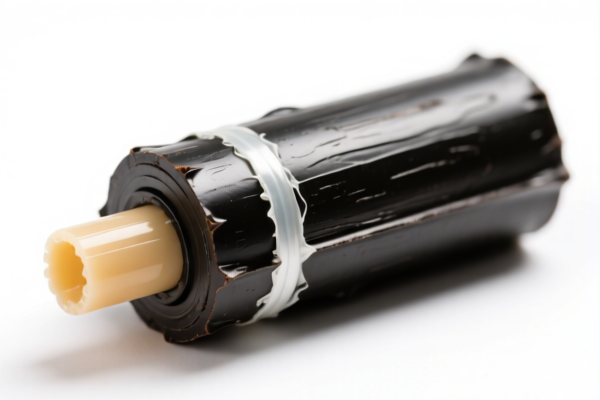
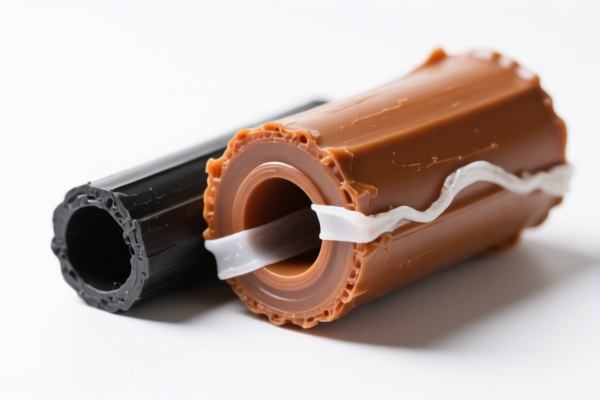
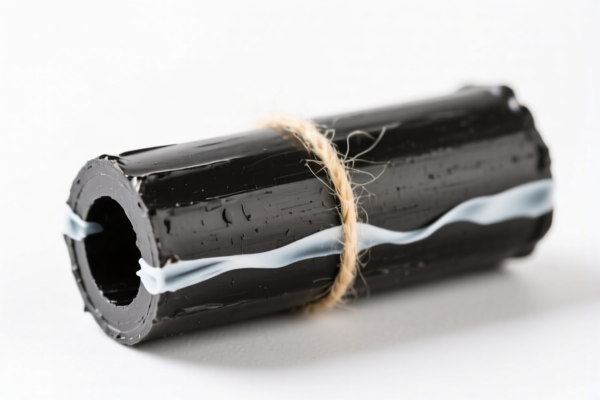
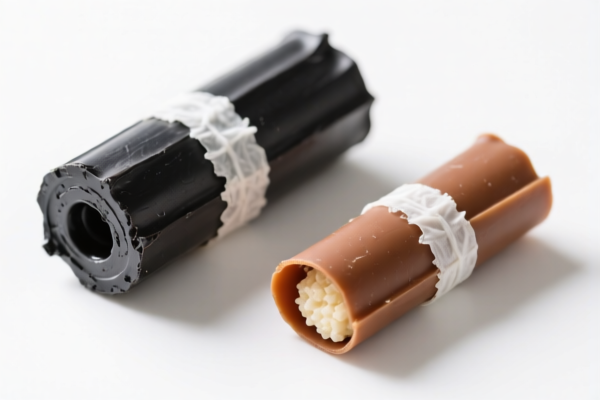
AI Analysis
🧪 Rubber Formula Additives (Oleic Acid & Rubber Adhesives)
🌐 HS Code Reference & Customs Clearance Guide | 2026 Latest Tariff Analysis | Professional Clearance Strategy
📌 1. Product Definition & Classification: What Exactly Are "Rubber Formula Additives"?
"Rubber Formula Additives" is a broad term in the chemical and rubber processing industries. In international trade, the classification depends strictly on the chemical composition, state of aggregation, and specific function of the product. Based on the provided data, these products primarily fall into two categories: Fatty Acid-based Additives and Rubber Adhesive Raw Materials.
A. Fatty Acid-Based Additives (Oleic Acid):
Chemical substances derived from animal or plant oils, used as plasticizers, lubricants, or dispersants in rubber compounding.
B. Rubber Adhesive Raw Materials:
Prepared adhesives or synthetic rubber compounds used to bond rubber to other materials, containing specific chemical preparations.
⚠️ Key Distinction Point:
- If the product is primarily Oleic Acid/Fatty Acids acting as a processing aid → It is classified under Chapter 15 (Animal/Veg. Fats) or Chapter 38 (Miscellaneous Chemical Products).
- If the product is a Prepared Adhesive or Synthetic Rubber Compound → It is classified under Chapter 35 (Albuminoids) or Chapter 40 (Rubber).
📦 2. HS Code Classification Details (2026 Latest Tariff Authority Comparison)
| HS Code | Product Description | Application Scenario | Tax Rate (Total) | Tax Breakdown |
|---|---|---|---|---|
1518.00.40.00 |
Oleic Acid Rubber Additive, Oil/Grease Material, Used as Rubber Additive | Oleic acid derived from fats/oils, used for lubrication/plasticizing in rubber | 25.5% | Base: 8.0%, Section 301: 7.5%, Section 122: 10% |
3824.99.41.40 |
Oleic Acid Rubber Additive, Contains Fatty Acid Components, Other Chem. Industry Products | Fatty acid preparations not elsewhere specified, complex chemical mixtures | 39.6% | Base: 4.6%, Section 301: 25.0%, Section 122: 10% |
3824.99.41.90 |
Oleic Acid Rubber Additive, Animal/Veg. Source Fatty Acids, Chemical Preparations | Fatty acid derivatives from biological sources, classified as miscellaneous chemicals | 39.6% | Base: 4.6%, Section 301: 25.0%, Section 122: 10% |
3506.99.00.00 |
Rubber Adhesive Raw Material, Rubber-Related Material, Prepared Adhesives | Pre-mixed rubber adhesives, bonding agents for rubber manufacturing | 37.1% | Base: 2.1%, Section 301: 25.0%, Section 122: 10% |
4002.91.00.00 |
Rubber Adhesive Raw Material, Rubber Material, Synthetic Rubber in Primary Form | Synthetic rubber compounds used as bases for adhesives, unvulcanized | 35.0% | Base: 0.0%, Section 301: 25.0%, Section 122: 10% |
🔍 Key Reminder:
- Chapter 15 (1518.00.40.00): Applies if the product is essentially processed fats/oils (like refined Oleic Acid) used as a plasticizer. It has the lowest base tariff (8.0%).
- Chapter 38 (3824.99.41.40/90): Applies if the product is a prepared chemical mixture or fatty acid derivative that doesn't fit the pure fat definition. Note the high base tariff (4.6%) and heavy Section 301 penalty (25.0%).
- Chapter 35/40: Applies to adhesives or synthetic rubber. Even though4002.91.00.00has 0% base tariff, the Section 301 rate is still 25%.
💰 3. 2026 Latest Tariff Rate Details (Including Surcharges & Policy Add-ons)
✅ Applicable Country: United States (US)
✅ Origin: China (CN)
✅ Effective Time: Current Section 301 and Section 122 tariffs apply.
🎯 1. 1518.00.40.00 —— Oleic Acid Rubber Additive (Oil/Grease Material)
| Item | Content |
|---|---|
| Base Tariff | 8.0% (ad valorem) |
| Section 301 Tariff | +7.5% |
| Section 122 Tariff | +10.0% |
| Total Tariff | 25.5% |
| Tax Calculation | CIF Value × 25.5% |
| Legal Basis | HTSUS 1518.00.40.00 → Sec 301 List 3/4 → Sec 122 Authority |
📌 Explanation:
- This is the most favorable classification for Oleic Acid-based additives because the base tariff is significantly higher (8%) than Chapter 38 products, but the Section 301 rate is much lower (7.5% vs 25%).
- Section 122 Tariff (10%): A specific retaliatory tariff often applied to certain Chinese imports.
🎯 2. 3824.99.41.40 & 3824.99.41.90 —— Prepared Fatty Acid Additives
| Item | Content |
|---|---|
| Base Tariff | 4.6% |
| Section 301 Tariff | +25.0% |
| Section 122 Tariff | +10.0% |
| Total Tariff | 39.6% |
| Tax Calculation | CIF Value × 39.6% |
| Legal Basis | HTSUS 3824.99.41.xx → Sec 301 List 3/4 → Sec 122 Authority |
📌 Note:
- These codes carry a heavy Section 301 penalty (25%), making them expensive for customs clearance.
- Even though the base tariff is low (4.6%), the total effective rate is 55% higher than the Chapter 15 classification.
- Critical: Ensure your product specification does not allow customs to interpret it as a "prepared chemical mixture" if it is essentially pure Oleic Acid.
🎯 3. 3506.99.00.00 —— Prepared Rubber Adhesives
| Item | Content |
|---|---|
| Base Tariff | 2.1% |
| Section 301 Tariff | +25.0% |
| Section 122 Tariff | +10.0% |
| Total Tariff | 37.1% |
| Tax Calculation | CIF Value × 37.1% |
| Legal Basis | HTSUS 3506.99.00.00 → Sec 301 List 3/4 → Sec 122 Authority |
📌 Explanation:
- Classified as "Prepared Adhesives."
- High Section 301 rate (25%) applies due to Chinese origin.
- Suitable for products that are explicitly mixed adhesives rather than pure raw materials.
🎯 4. 4002.91.00.00 —— Synthetic Rubber in Primary Form
| Item | Content |
|---|---|
| Base Tariff | 0.0% |
| Section 301 Tariff | +25.0% |
| Section 122 Tariff | +10.0% |
| Total Tariff | 35.0% |
| Tax Calculation | CIF Value × 35.0% |
| Legal Basis | HTSUS 4002.91.00.00 → Sec 301 List 3/4 → Sec 122 Authority |
📌 Explanation:
- This code has a 0% base tariff, which looks attractive, but the Section 301 tariff is still 25%.
- Applicable only if the product is unvulcanized synthetic rubber used as an adhesive base.
- Caution: If the product is a rubber compound ready for bonding, it may be classified as an adhesive (Ch 35) instead.
🛠️ 4. Customs Clearance Practical Advice (Actionable Pitfall Avoidance)
✅ 1. Required Documentation Checklist
| Document | Mandatory? | Description |
|---|---|---|
| ✅ Product Specification Sheet | ✔️ | Must clearly state chemical composition (e.g., "Oleic Acid >95%"). |
| ✅ Safety Data Sheet (SDS) | ✔️ | Critical for chemical classification; indicates flammability, composition. |
| ✅ Formula/Ingredient List | ✔️ | For HS Code 3824/3506, customs needs to know if it's a "prepared mixture." |
| ✅ Commercial Invoice | ✔️ | Must use precise descriptions: "Oleic Acid, Technical Grade" vs "Rubber Adhesive." |
| ✅ Certificate of Origin (CO) | ✔️ | To verify Chinese origin and apply Section 301/122 accurately. |
| ✅ Packaging Photos | ✔️ | Show if liquid, powder, or solid state. |
✅ 2. Declaration Tips (Key Mantra)
🔥 “Be Precise About Composition: Pure Acid vs. Prepared Mixture!”
| Scenario | Correct Declaration | Wrong Practice |
|---|---|---|
| Pure Oleic Acid | 1518.00.40.00 |
Declare as "Chemical Additive" → Risk of being pushed to 3824 (39.6%) |
| Mixed Fatty Acid Derivative | 3824.99.41.40/90 |
Declare as "Oil" → Customs may reject due to mismatch |
| Pre-mixed Glue | 3506.99.00.00 |
Declare as "Synthetic Rubber" → If not primary form, classification error |
| Unvulcanized Synthetic Rubber | 4002.91.00.00 |
Declare as "Adhesive" → If it’s just raw rubber, misclassification risk |
✅ 3. Special Handling
| Situation | Recommendation |
|---|---|
| Oleic Acid vs. Fatty Acid Mix | If >90% Oleic Acid, argue for 1518. If mixed with other chemicals, 3824 is safer. |
| Adhesive vs. Rubber | If it contains solvents or resins, it’s likely 3506 (Adhesive). If pure polymer, 4002. |
| Section 122 Applicability | Verify if your product code is on the Section 122 list. All provided codes show 10% S122. |
| Pre-Commitment | Apply for an Advance Ruling with CBP if the product is a novel formulation. |
🌍 5. Global Market Clearance Comparison (2026 Latest)
| Country/Region | Recommended HS Code | Tariff (Total) | Certification Requirements | Notes |
|---|---|---|---|---|
| 🇺🇸 USA | 1518.00.40.00 |
25.5% | None | Best rate for Oleic Acid. |
| 🇺🇸 USA | 3824.99.41.xx |
39.6% | None | High tariff due to Sec 301. |
| 🇺🇸 USA | 3506.99.00.00 |
37.1% | None | Adhesives face high Sec 301. |
| 🇺🇸 USA | 4002.91.00.00 |
35.0% | None | Synthetic rubber faces Sec 301. |
| 🇨🇳 China | Same Codes | Varies | None | Lower base tariffs, no Sec 301. |
| 🇪🇺 EU | Similar Codes | 0-6% | REACH | No Section 301/122 equivalent. |
📌 Conclusion:
- USA is the most challenging market due to Section 301 (25% or 7.5%) and Section 122 (10%).
- Chapter 15 (1518) offers the lowest total tariff (25.5%) for Oleic Acid additives.
- Chapter 38/35/40 carry a uniform 35-39.6% tariff due to high Section 301 rates.
📌 6. Common Mistakes & Pitfall Avoidance (Lessons Learned)
❌ Mistake 1: Declaring "Oleic Acid" as "Rubber Chemical"
👉 Consequence: Customs may classify it under 3824 (39.6%) instead of 1518 (25.5%). Loss: ~14.1% extra tax.
❌ Mistake 2: Mixing "Adhesive" and "Raw Rubber" in one shipment
👉 Consequence: Customs may scrutinize the entire shipment, leading to delays or reclassification of all items.
❌ Mistake 3: Ignoring Section 122 Tariff
👉 Consequence: All provided codes include a 10% Section 122 tariff. Failure to declare correctly may lead to underpayment penalties.
❌ Mistake 4: Using vague names like "Rubber Additive" on Invoice
👉 Consequence: CBP will use their best judgment, likely choosing a higher-tariff code (3824 or 3506).
✅ Correct Approach:
Precise Chemical Name: "Oleic Acid (CAS 112-80-9), Technical Grade, For Rubber Processing Use"
Clear Function: "Prepared Rubber Adhesive, Solvent-Based"
Accurate HS: Match composition to HS Code precisely.
🎯 7. Conclusion: Professional Declaration for Cost Efficiency!
🎯 Remember the Mantra:
🔹 "Pure Acid is Cheap (25.5%), Mixed is Expensive (39.6%)."
🔹 "Section 301 is Heavy (25% or 7.5%), Don’t Miss the Base Rate Difference."
🔹 "Adhesives vs. Rubber: Define Composition, Not Just Use."
📌 Pro Tip:
If your product is Oleic Acid, ensure your SDS and invoice explicitly state "Oleic Acid" and CAS Number to support 1518.00.40.00. Avoid vague terms like "Fatty Acid Mixture" unless necessary.
📣 Immediate Action:
📞 Contact a Customs Broker + Provide SDS + Request HS Code Ruling
🚀 Save 14%+ by Correct Classification!
✨ Professional Clearance Starts with Accurate Classification!
💼 Every Dollar Saved is Pure Profit!
Customer Reviews
About HS Code Classification
The Harmonized System (HS) is an internationally standardized nomenclature developed by the World Customs Organization (WCO) to classify traded products. Over 200 countries use the HS system as the basis for customs tariffs, trade statistics, and import/export regulations.
Each HS code follows a hierarchical structure:
- Chapter (2 digits) — Broad category of goods (e.g., Chapter 84: Machinery and Mechanical Appliances)
- Heading (4 digits) — More specific grouping within the chapter
- Subheading (6 digits) — Internationally standardized breakdown, used by all WCO member countries
- National subdivisions (8-10 digits) — Country-specific extensions for further classification, such as US HTSUS 10-digit codes
Correct HS code classification is essential for smooth customs clearance, accurate duty payment, and compliance with trade regulations. Misclassification can lead to customs delays, overpayment of duties, or penalties.
When importing from CN to US, the applicable tariff rates may include:
- Most-Favored-Nation (MFN) rate — The standard duty rate applied to WTO members
- General rate — Applied to countries without trade agreements
- Trade remedy duties — Additional tariffs such as Section 301 (anti-dumping), Section 232 (national security), or countervailing duties
The information provided on this page is for reference purposes only. For official classification, please consult with your local customs authority or a licensed customs broker.