Rubber Gardening Gloves
CN → US| HS Code | Tariff Rate | Origin | Destination | Doc |
|---|---|---|---|---|
| 6116109500 | 24.5% | CN | US | Official Doc |
| 3926204050 | 16.5% | CN | US | Official Doc |
| 4015191150 | 38.0% | CN | US | Official Doc |
| 6116106500 | 24.5% | CN | US | Official Doc |
| 4015195100 | 49.0% | CN | US | Official Doc |
Product Images
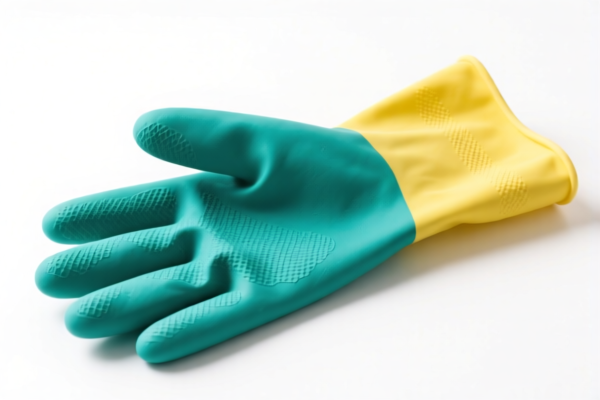

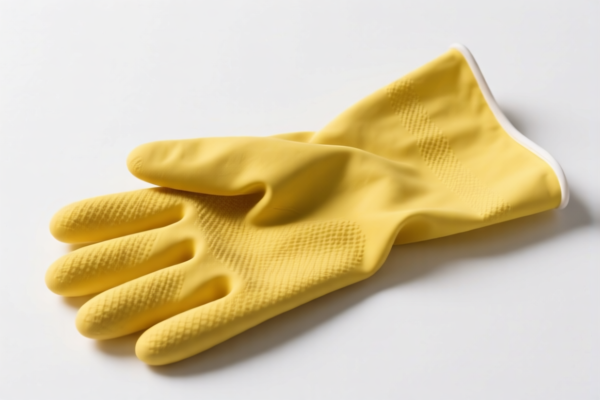

AI Analysis
🧤 Rubber Gardening Gloves: The Ultimate HS Code & Tax Guide (2026)
🌐 Global Customs & Duty Decoder | Smart Classification Strategy | Tax Optimization Report
📌 One: Product Definition & Classification: What Exactly Are You Shipping?
Rubber Gardening Gloves are essential protective gear for agriculture, landscaping, and household gardening. In international trade, their classification is highly sensitive to material composition (raw vs. vulcanized rubber), coating method (dipped vs. knitted), and manufacturing process.
The slightest difference in technical description can shift your duty burden from 16.5% to nearly 50%.
⚠️ Critical Distinction:
- Textile-based gloves with rubber coating (e.g., Knitted glove dipped in rubber) → Often fall under Chapter 61 or 63 (Textiles), usually lower tax.
- Solid molded rubber gloves or Vulcanized rubber gloves → Fall under Chapter 40 (Rubber), often subject to high "Section 301" (Additional) tariffs.
- Plastic-like rubber classification: Some rubber gloves are misclassified under plastics (Chapter 39) to lower taxes, but strict HS rules often reject this.
📦 Two: HS Code Classification Matrix (2026 Official Data)
Based on the official tariff data for Rubber Gardening Gloves, here are the 5 specific classifications with their corresponding duties.
| HS Code | Product Description & Technical Logic | Why this Classification? | Total Tax Rate (China Origin → US) |
|---|---|---|---|
| 6116.10.95.00 | Rubber-coated Knitted Gloves | Knitted base + Rubber coating/impregnation. Fits "Textile gloves coated with rubber." | 24.5% |
| 6116.10.65.00 | Rubber Impregnated Coated Gloves | Similar to above; specific sub-category for rubber-coated gloves in textile chapter. | 24.5% |
| 3926.20.40.50 | Plastic/Rubber Hybrid Gloves | Rare/Low Tax: Classified under "Plastics." Used if rubber material is treated as plastic-like in specific glove contexts. | 16.5% |
| 4015.19.11.50 | Vulcanized Rubber Garments | High Tax: Made of Vulcanized rubber (harder, durable). Fits "Clothing/Apparel of vulcanized rubber." | 38.0% |
| 4015.19.51.00 | Vulcanized Rubber Work Gloves | Highest Tax: Specific sub-category for vulcanized rubber gloves under "Garments/Apparel." | 49.0% |
🔍 Key Logic:
- Lower Duty (16.5% - 24.5%): Relies on the glove being textile-based (knitted) with a rubber coating OR a specific plastic classification.
- Higher Duty (38.0% - 49.0%): Relies on the glove being 100% Rubber (Vulcanized) without a textile core, triggering heavy Section 301 penalties.
💰 Three: 2026 Tax Rate Deep Dive & Legal Breakdown
✅ Target Market: USA (US)
✅ Origin: China (CN)
✅ Effective Date: 2026 (Current Trade War Terms)
🎯 1. The "Sweet Spot" Textile Classifications (6116)
Codes: 6116.10.95.00 / 6116.10.65.00
| Item | Details |
|---|---|
| Base Tariff | 7.0% |
| Section 301 (Additional) | +7.5% |
| Section 122 (China Specific) | +10.0% |
| Total Effective Rate | 24.5% |
| Tax Calculation | CIF Value × 24.5% |
| Legal Basis | Section 301 List 3A / Section 122 (China Specific) |
📌 Explanation:
- Base (7.0%): Standard MFN rate for knitted gloves.
- Section 301 (7.5%): Applied as part of the broader trade penalty on Chinese textiles/apparel.
- Section 122 (10.0%): A specific punitive tariff on Chinese rubber products or related goods.
- Verdict: This is the most economical route for gloves that are knitted fabric + rubber coating.
🎯 2. The "Plastic" Loophole (3926)
Code: 3926.20.40.50
| Item | Details |
|---|---|
| Base Tariff | 6.5% |
| Section 301 (Additional) | 0.0% (No Section 301 on this specific sub-item) |
| Section 122 (China Specific) | +10.0% |
| Total Effective Rate | 16.5% |
| Tax Calculation | CIF Value × 16.5% |
| Legal Basis | Chapter 39 (Plastics) - Specific Footnote for Rubber-Plastic Hybrids |
📌 Explanation:
- Base (6.5%): Standard plastic rate.
- Section 301: $0.0% – This is a rare break where Section 301 does not apply to this specific "plastic-like" rubber classification.
- Section 122: Still applies (+10%).
- Risk: Customs may reject this if the product is clearly vulcanized rubber, not plastic-like. Requires strong technical proof that the material behaves like plastic.
🎯 3. The "Vulcanized Rubber" Pitfall (4015)
Codes: 4015.19.11.50 / 4015.19.51.00
| Item | Details |
|---|---|
| Base Tariff | 3.0% (11) or 14.0% (51) |
| Section 301 (Additional) | +25.0% |
| Section 122 (China Specific) | +10.0% |
| Total Effective Rate | 38.0% (11) or 49.0% (51) |
| Tax Calculation | CIF Value × (38% or 49%) |
| Legal Basis | Section 301 List 1 (Heavy Penalty on Rubber) + Section 122 |
📌 Explanation:
- Base (3% / 14%): Varies by specific vulcanized sub-category.
- Section 301: +25.0% – HIGHEST PENALTY. Rubber products are prime targets for US trade sanctions.
- Section 122: +10.0%.
- Verdict: If your gloves are pure molded rubber (no fabric lining), expect nearly 50% duty. This makes them uncompetitive unless priced very high.
🛠️ Four: Customs Clearance Practical Advice (Avoid the 50% Trap)
✅ 1. Preparation Checklist (Must-Haves)
| Document | Requirement | Why It Matters |
|---|---|---|
| Material Breakdown | Must specify: % Cotton/Rayon vs. % Rubber | Proves if it's a "Knitted/Rubber Coated" glove (6116) or "Vulcanized Rubber" (4015). |
| Manufacturing Process | "Dipping," "Lining," or "Molding"? | Dipping = Textile (6116) = 24.5%. Molding = Rubber (4015) = 49%. |
| Product Photos | Close-up of the inner lining and outer coating | If the inner lining is visible (fabric), argue for 6116. |
| Bill of Materials (BOM) | Detailed list of raw materials | Crucial for proving the "Plastic-like" claim (3926) if applicable. |
| Commercial Invoice | Description: "Garden Gloves with Rubber Coating" | Avoid "Rubber Gloves" alone (triggers 4015). Use "Textile gloves with rubber coating." |
✅ 2. Strategic Classification Tips
🔥 Golden Rule: "If it has fabric, claim Textile. If it's pure rubber, expect 49%."
| Scenario | Recommended HS Code | Strategy |
|---|---|---|
| Knitted Cotton core + Rubber dip | 6116.10.95.00 |
Best Option. Argue it's a "Textile Glove." Lowest tax (24.5%). |
| Synthetic core + Rubber coating | 6116.10.65.00 |
Good Option. Similar to above. |
| Plastic-like texture | 3926.20.40.50 |
Aggressive. Only use if material specs match "Plastic" exactly. Risk of audit. |
| Solid Molded Rubber (No fabric) | 4015.19.51.00 |
Last Resort. High tax (49%). Must be unavoidable. |
✅ 3. Special Cases & Pitfalls
| Situation | Action |
|---|---|
| "Garden Gloves" with Fabric Liners | DO NOT declare as "Rubber Gloves." Declare as "Knitted Gloves with Rubber Impregnation." This saves ~25% in Section 301 tax. |
| Vulcanized Rubber Only | Prepare for 49% tax. Consider shifting production to non-China origins (e.g., Vietnam, Indonesia) to avoid Section 122 & 301. |
| Mixed Packages (Gloves + Tools) | Separate the invoice. Declare gloves separately. Tools may have different HS codes. |
🌍 Five: Global Market Comparison (2026)
| Country | Recommended HS Code | Total Duty (China Origin) | Note |
|---|---|---|---|
| 🇺🇸 USA | 6116.10.95.00 (Best) |
24.5% | Avoid 4015 at all costs. |
| 🇺🇸 USA | 4015.19.51.00 (Worst) |
49.0% | Pure rubber gloves. |
| 🇨🇳 China | 6116.10 |
Low (~7%) | No Section 301/122 inside China. |
| 🇪🇺 EU | 4015.19 |
Variable | Usually 0-2% base, but check specific duties. |
| 🇯🇵 Japan | 4015.19 |
~5% | Generally lower than US. |
📌 Conclusion:
- USA is the most expensive market due to Section 301 and Section 122.
- Key Savings Strategy: Ensure your gloves are textile-based with rubber coating (HS 6116), not pure vulcanized rubber (HS 4015).
📌 Six: Common Mistakes & How to Avoid Them
❌ Mistake 1: Declaring "Knitted Gloves with Rubber Coating" as "Rubber Gloves" (4015).
👉 Result: Tax jumps from 24.5% → 49%. Loss of 24.5% margin.
❌ Mistake 2: Declaring "Plastic" (3926) without proof.
👉 Result: Customs audit, seizure, and back-tax with penalties.
❌ Mistake 3: Failing to mention "Knitted" or "Textile" in the description.
👉 Result: Customs assumes "Solid Rubber" → Higher tax.
✅ Correct Practice:
"Garden Gloves, 100% Cotton Knitted with Nitrile Rubber Coating, Size L, for Agriculture."
HS Code:6116.10.95.00
Duty: 24.5%
🎯 Seven: Final Strategy & Cost Optimization
🚀 The 50% Tax Rule:
"If it's all rubber, pay 49%. If it has fabric, pay 24.5%."
📌 Action Plan: 1. Audit your Product Specs: Does the glove have a fabric lining? 2. Update Descriptions: Change "Rubber Gloves" to "Textile Gloves with Rubber Coating." 3. Verify Material: Ensure the rubber is a coating (dipping), not the main structural material (vulcanized mold). 4. Consider Origin: If you must ship pure rubber gloves, look at non-China supply chains to bypass Section 301/122.
📣 Final Call:
📞 Consult a Customs Broker to review your BOM (Bill of Materials).
🚀 Reclassify correctly today to save $24,500 on every $100,000 shipment.
✨ Smart Trade, Precise Classification!
💼 Your Profit Margin Depends on the First 8 Digits!
Customer Reviews
About HS Code Classification
The Harmonized System (HS) is an internationally standardized nomenclature developed by the World Customs Organization (WCO) to classify traded products. Over 200 countries use the HS system as the basis for customs tariffs, trade statistics, and import/export regulations.
Each HS code follows a hierarchical structure:
- Chapter (2 digits) — Broad category of goods (e.g., Chapter 84: Machinery and Mechanical Appliances)
- Heading (4 digits) — More specific grouping within the chapter
- Subheading (6 digits) — Internationally standardized breakdown, used by all WCO member countries
- National subdivisions (8-10 digits) — Country-specific extensions for further classification, such as US HTSUS 10-digit codes
Correct HS code classification is essential for smooth customs clearance, accurate duty payment, and compliance with trade regulations. Misclassification can lead to customs delays, overpayment of duties, or penalties.
When importing from CN to US, the applicable tariff rates may include:
- Most-Favored-Nation (MFN) rate — The standard duty rate applied to WTO members
- General rate — Applied to countries without trade agreements
- Trade remedy duties — Additional tariffs such as Section 301 (anti-dumping), Section 232 (national security), or countervailing duties
The information provided on this page is for reference purposes only. For official classification, please consult with your local customs authority or a licensed customs broker.