Rubber Gloves Food Service Use
CN → US| HS Code | Tariff Rate | Origin | Destination | Doc |
|---|---|---|---|---|
| 4015191150 | 38.0% | CN | US | Official Doc |
| 3926204050 | 16.5% | CN | US | Official Doc |
| 6116106500 | 24.5% | CN | US | Official Doc |
| 6116109500 | 24.5% | CN | US | Official Doc |
| 4015195100 | 49.0% | CN | US | Official Doc |
Product Images
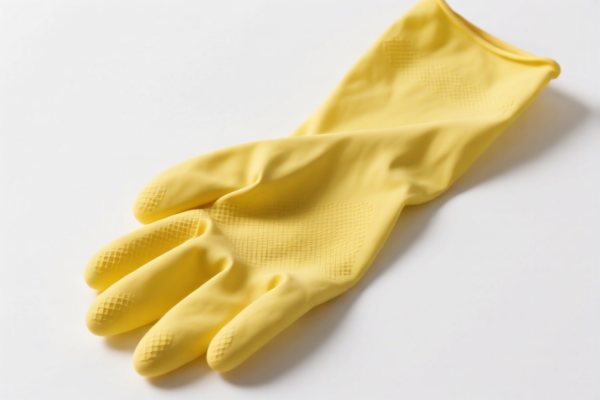
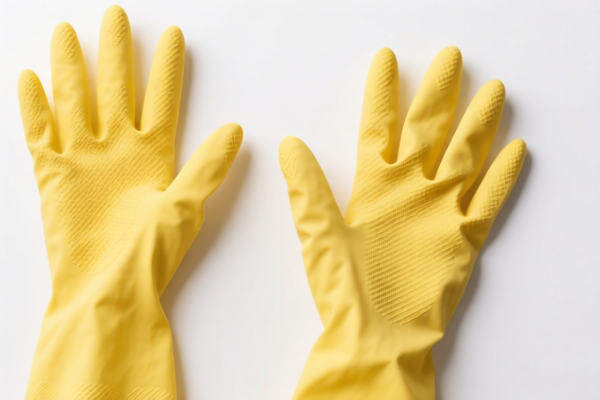

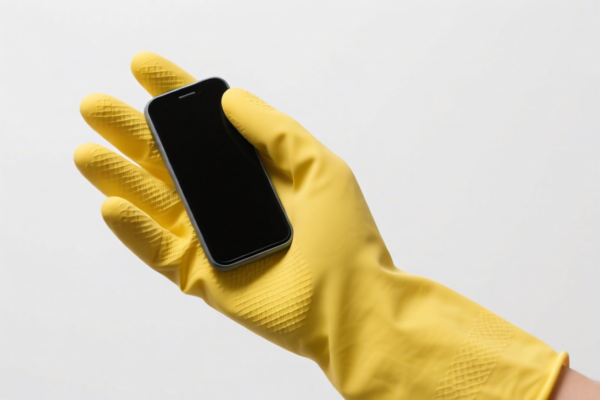
AI Analysis
🧤 Rubber Gloves for Food Service Use
🌐 HS Code Reference & Customs Clearance Guide | 2026 Latest Tariff Analysis | Professional Clearance Strategy
📌 I. Product Definition & Classification: Do You Really Understand "Food Service Rubber Gloves"?
In international trade, rubber gloves for food service are critical protective gear used in food processing, catering, and cleaning. They are primarily made of vulcanized rubber or similar rubber materials and are designed in a glove morphology.
According to customs classification principles, these products can fall under different chapters depending on the specific material composition and manufacturing process: * Chapter 40 (Rubber Products): If the gloves are made of vulcanized rubber and meet specific morphological requirements. * Chapter 39 (Plastics) / Chapter 61 (Apparel): If classified based on other material inferences or specific coating/impregnation standards.
⚠️ Key Distinction Point:
- If the gloves are strictly vulcanized rubber and meet specific classification criteria for "gloves" under Chapter 40, they fall under 4015.19.
- If classified under Chapter 39 or Chapter 61 due to specific impregnation/coating characteristics or material inference, the tax rates differ significantly.
📦 II. HS Code Classification Details (2026 Latest Tariff Authority Comparison)
| HS Code | Product Description | Application Scenario | Material/State |
|---|---|---|---|
4015.19.11.50 |
Rubber material, glove morphology, for food cleaning, falls under clothing/accessories category | Food service cleaning, general protective use | Rubber |
3926.20.40.50 |
Glove morphology, material inferred as rubber制品, for cleaning, no material conflict | General cleaning, rubber-based gloves | Inferred Rubber |
6116.10.65.00 |
Rubber material, glove morphology, judged under other product principles, no conflict | General purpose, specific rubber classification | Rubber |
6116.10.95.00 |
Rubber material, cleaning gloves, meets impregnated/coated rubber requirements | Food service, impregnated/coated rubber | Impregnated Rubber |
4015.19.51.00 |
Vulcanized rubber material, glove purpose, meets specific classification and morphological requirements | High-standard vulcanized rubber gloves | Vulcanized Rubber |
🔍 Key Reminder:
- The classification depends heavily on whether the glove is considered "Vulcanized Rubber" (Chapter 40) or "Impregnated/Coated" (Chapter 61/39). - "No Material Conflict" in some codes suggests flexibility, but customs may require proof of material composition.
💰 III. 2026 Latest Tariff Rate Breakdown (Including Surcharges, Policy Add-ons)
✅ Applicable Country: United States (US)
✅ Country of Origin: China (CN)
✅ Effective Date: From November 10, 2025 (Including subsequent imports)
🎯 1. 4015.19.11.50 – Rubber Gloves (Clothing/Accessory Category)
| Item | Content |
|---|---|
| Base Tariff | 3.0% |
| Additional Tariff (Section 301) | +25.0% |
| 122 Clause Tariff | +10.0% |
| Total Rate | 38.0% |
| Tax Calculation | CIF Value × 38.0% |
| De Minimis Exemption | ❌ Not Eligible |
| Legal Basis Path | Base: 3.0% → Sec 301: 25.0% → 122 Clause: 10.0% |
📌 Explanation:
- This classification attracts a high total tax rate due to the combination of base, Section 301, and 122 Clause tariffs. - Suitable for gloves classified strictly under the "clothing/accessories" category of rubber goods.
🎯 2. 3926.20.40.50 – Other Articles of Plastic/Inferred Rubber (Lowest Risk Option)
| Item | Content |
|---|---|
| Base Tariff | 6.5% |
| Additional Tariff (Section 301) | 0.0% |
| 122 Clause Tariff | +10.0% |
| Total Rate | 16.5% |
| Tax Calculation | CIF Value × 16.5% |
| De Minimis Exemption | ❌ Not Eligible |
| Legal Basis Path | Base: 6.5% → Sec 301: 0.0% → 122 Clause: 10.0% |
📌 Note:
- This is the most cost-effective classification among the options provided, as it avoids the 25% Section 301 tariff. - Applicable if the gloves can be legally inferred as "rubber-based articles" under Chapter 39 without material conflict. - Critical Strategy: If product characteristics allow, this classification saves significant costs.
🎯 3. 6116.10.65.00 – Other Gloves, Rubber (Other Products Principle)
| Item | Content |
|---|---|
| Base Tariff | 7.0% |
| Additional Tariff (Section 301) | +7.5% |
| 122 Clause Tariff | +10.0% |
| Total Rate | 24.5% |
| Tax Calculation | CIF Value × 24.5% |
| De Minimis Exemption | ❌ Not Eligible |
| Legal Basis Path | Base: 7.0% → Sec 301: 7.5% → 122 Clause: 10.0% |
📌 Explanation:
- Falls under "Other Products" principle for rubber gloves. - Moderate tax rate, lower than the main Chapter 40 option but higher than Chapter 39.
🎯 4. 6116.10.95.00 – Other Gloves, Impregnated/Coated Rubber
| Item | Content |
|---|---|
| Base Tariff | 7.0% |
| Additional Tariff (Section 301) | +7.5% |
| 122 Clause Tariff | +10.0% |
| Total Rate | 24.5% |
| Tax Calculation | CIF Value × 24.5% |
| De Minimis Exemption | ❌ Not Eligible |
| Legal Basis Path | Base: 7.0% → Sec 301: 7.5% → 122 Clause: 10.0% |
📌 Note:
- Specifically for gloves that are impregnated or coated with rubber. - Same tax rate as6116.10.65.00. Choose this if the product is definitively coated/impregnated.
🎯 5. 4015.19.51.00 – Vulcanized Rubber Gloves (Highest Cost)
| Item | Content |
|---|---|
| Base Tariff | 14.0% |
| Additional Tariff (Section 301) | +25.0% |
| 122 Clause Tariff | +10.0% |
| Total Rate | 49.0% |
| Tax Calculation | CIF Value × 49.0% |
| De Minimis Exemption | ❌ Not Eligible |
| Legal Basis Path | Base: 14.0% → Sec 301: 25.0% → 122 Clause: 10.0% |
📌 Warning:
- This is the highest tax rate option. - Applicable only for strictly vulcanized rubber gloves that meet specific classification and morphological requirements. - Avoid unless necessary, as the cost impact is severe.
🛠️ IV. Customs Clearance Practical Advice (Battle-Tested Pitfall Avoidance)
✅ 1. Document Checklist (Essential Documents)
| Document | Must Provide | Description |
|---|---|---|
| ✅ Product Specification Sheet | ✔️ | Includes material composition (rubber type), thickness, length, usage scenario. |
| ✅ Material Test Report | ✔️ | Third-party lab report confirming rubber composition and vulcanization status. |
| ✅ Product Photos | ✔️ | Clear images showing texture, coating, and packaging. |
| ✅ Commercial Invoice | ✔️ | Must clearly state "Rubber Gloves for Food Service" and specify material. |
| ✅ Packing List | ✔️ | Detailed breakdown of items, ensuring no separation of glove sets. |
| ✅ Certificate of Origin | ✔️ | For origin verification. |
✅ 2. Declaration Strategy (Key Tips)
🔥 "Material Proof is King, Classification Saves Money!"
| Scenario | Correct Declaration | Wrong Practice |
|---|---|---|
| Standard Rubber Gloves | 3926.20.40.50 (16.5%) |
Misdeclare as 4015.19.11.50 → 38.0% |
| Impregnated/Coated Gloves | 6116.10.95.00 (24.5%) |
Declare as standard rubber → Risk of dispute |
| Vulcanized Rubber Gloves | 4015.19.51.00 (49.0%) |
Only if strictly vulcanized; otherwise, try other codes |
| General Purpose Cleaning Gloves | 3926.20.40.50 |
Avoid high-tax categories if material allows inference |
📌 Critical Strategy:
- Priority #1: Try to qualify for3926.20.40.50(16.5%) by providing evidence that supports "inferred rubber" or "other plastic/rubber articles" without material conflict. This saves ~21.5% compared to the highest tax rate. - Priority #2: If the product is clearly impregnated/coated, use6116.10.95.00(24.5%). - Avoid:4015.19.51.00(49.0%) unless the product is undeniably vulcanized rubber and no other classification is viable.
✅ 3. Special Situations
| Situation | Handling Advice |
|---|---|
| OEM Custom Gloves | Provide design specs and material contracts to support classification choice. |
| Mixed Materials | If gloves have fabric and rubber parts, consult customs for "essential character" determination. |
| Food Safety Compliance | Ensure gloves meet FDA/food contact standards; provide relevant certificates to avoid inspection delays. |
| Origin Labeling | Clearly mark "Made in China" on packaging and documents to avoid origin-related penalties. |
🌍 V. Global Market Clearance Comparison (2026 Latest)
| Country/Region | Recommended HS Code | Tariff Rate (CN Origin) | Certification Requirements | Notes |
|---|---|---|---|---|
| 🇺🇸 USA | 3926.20.40.50 |
16.5% | FDA (if food contact) | Lowest risk among options |
| 🇺🇸 USA | 4015.19.51.00 |
49.0% | FDA | Highest cost, avoid if possible |
| 🇨🇳 China | 4015.19.11.50 |
5-7% | CCC/RoHS | Lower domestic taxes |
| 🇪🇺 EU | 4015.19.11.50 |
3-6% | CE/Food Contact | No Section 301 taxes |
| 🇦🇺 Australia | 4015.19.11.50 |
5-10% | TGA/AFRAC | Moderate taxes |
📌 Conclusion:
- USA imposes significant additional tariffs (Section 301 + 122 Clause) on Chinese-origin rubber/plastic gloves. - Strategic Classification can reduce tax burden from 49% to 16.5%, a 32.5% savings. - EU/China markets do not have these specific US add-ons, so tariff costs are lower.
📌 VI. Common Errors & Pitfall Guide (Lessons Learned)
❌ Error 1: Declaring all rubber gloves as 4015.19.51.00
👉 Consequence: Pay 49% tax when 3926.20.40.50 (16.5%) is applicable. Overpay by 32.5%.
❌ Error 2: Missing material test reports
👉 Consequence: Customs cannot verify "inferred rubber" status → Delayed clearance or forced reclassification to higher tax rate.
❌ Error 3: Incorrect use of "Vulcanized Rubber" label
👉 Consequence: If not truly vulcanized, customs may reject the claim and impose penalties.
❌ Error 4: Ignoring "122 Clause" tariff
👉 Consequence: Unexpected 10% add-on on all classifications → Budget overrun.
✅ Correct Practice:
"Rubber Gloves, Food Service Grade, Impregnated Rubber, Model XYZ, FDA Compliant, HS Code: 3926.20.40.50"
🎯 VII. Conclusion: Smart Classification, Lower Costs, Faster Clearance!
🎯 Key Takeaway:
🔹 "Choose
3926.20.40.50if possible → 16.5% Tax"
🔹 "Avoid4015.19.51.00unless strictly necessary → 49% Tax"
🔹 "Always provide material proof → Avoid customs disputes"
📌 Pro Tip:
If your gloves are not made in China (e.g., Vietnam, Indonesia), you may be exempt from Section 301 and 122 Clause tariffs.
Recommendation: Obtain an Advance Ruling from US Customs and Border Protection (CBP) before shipping to ensure classification accuracy.
📣 Immediate Action:
📞 Contact a professional customs broker + Provide material test reports + Request HS Code Advance Ruling
🚀 Maximize profit, minimize tax, clear goods smoothly!
✨ Professional Clearance Starts with Accurate Classification!
💼 Every percentage point saved is pure profit!
Customer Reviews
About HS Code Classification
The Harmonized System (HS) is an internationally standardized nomenclature developed by the World Customs Organization (WCO) to classify traded products. Over 200 countries use the HS system as the basis for customs tariffs, trade statistics, and import/export regulations.
Each HS code follows a hierarchical structure:
- Chapter (2 digits) — Broad category of goods (e.g., Chapter 84: Machinery and Mechanical Appliances)
- Heading (4 digits) — More specific grouping within the chapter
- Subheading (6 digits) — Internationally standardized breakdown, used by all WCO member countries
- National subdivisions (8-10 digits) — Country-specific extensions for further classification, such as US HTSUS 10-digit codes
Correct HS code classification is essential for smooth customs clearance, accurate duty payment, and compliance with trade regulations. Misclassification can lead to customs delays, overpayment of duties, or penalties.
When importing from CN to US, the applicable tariff rates may include:
- Most-Favored-Nation (MFN) rate — The standard duty rate applied to WTO members
- General rate — Applied to countries without trade agreements
- Trade remedy duties — Additional tariffs such as Section 301 (anti-dumping), Section 232 (national security), or countervailing duties
The information provided on this page is for reference purposes only. For official classification, please consult with your local customs authority or a licensed customs broker.