Rubber Gloves Laboratory Detection Use
CN → US| HS Code | Tariff Rate | Origin | Destination | Doc |
|---|---|---|---|---|
| 6116106500 | 24.5% | CN | US | Official Doc |
| 4014905000 | 14.2% | CN | US | Official Doc |
| 4014901000 | 10.0% | CN | US | Official Doc |
| 6116109500 | 24.5% | CN | US | Official Doc |
| 4014905000 | 14.2% | CN | US | Official Doc |
Product Images
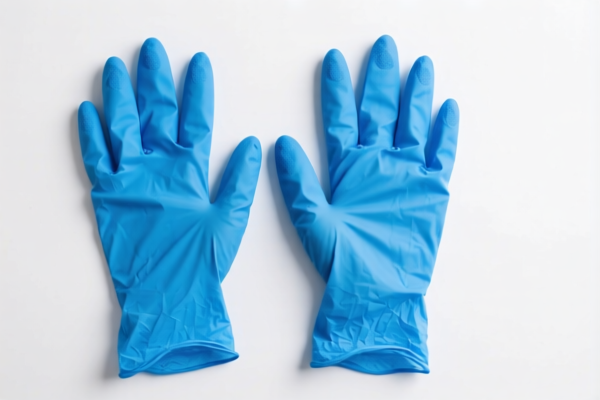


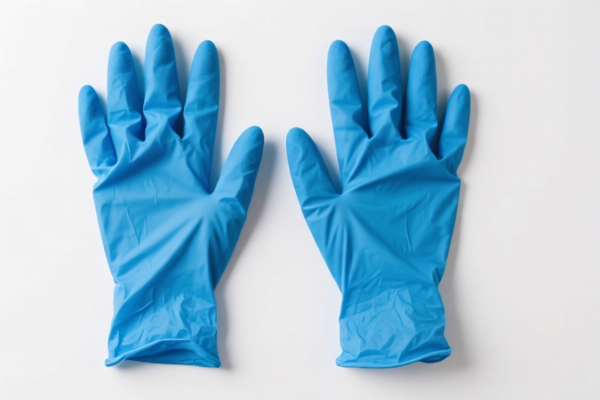
AI Analysis
🧤 Rubber Gloves for Laboratory Detection Use
🌐 HS Code Reference & Customs Clearance Guide | 2024/2025 Latest Tariff Analysis | Professional-Level Clearance Strategy
📌 I. Product Definition & Classification: Do You Really Understand "Laboratory Rubber Gloves"?
Rubber gloves for laboratory detection are essential personal protective equipment (PPE) used in scientific research, medical testing, and chemical handling. In international trade, they are strictly differentiated by material composition and manufacturing process, which directly determine the HS Code and applicable tariff rates.
Two Main Categories in Trade:
- Vulcanized Rubber Gloves (Medical/Pharmaceutical Grade):
Made from natural or synthetic rubber that has been cured (vulcanized). These are typically thinner, more flexible, and intended for medical, sanitary, or precise laboratory testing purposes. - Non-Vulcanized/Other Rubber Gloves (Industrial/Domestic Grade):
May include rubber-coated gloves, latex-coated gloves, or gloves described broadly as "rubber material" without meeting the strict definition of "vulcanized for medical/sanitary use." These often fall under broader, "catch-all" categories.
⚠️ Key Differentiation Point:
- If the gloves are vulcanized and explicitly for hygienic, medical, or laboratory testing purposes → Classified under Chapter 40 (Rubber Articles).
- If the gloves are described simply as "rubber material" without specifying vulcanization for medical use, or if they are knit/cut-and-sew construction → Often misclassified, but may fall under Chapter 61 (Knitted/Crocheted Apparel) or other rubber subheadings depending on construction. Crucially, many "rubber gloves" without medical certification are dumped into generic "other" categories, attracting higher tariffs.
📦 II. HS Code Classification Details (2024/2025 Latest Tariff Authority Cross-Reference)
Based on the provided , here are the precise classifications for "Rubber Gloves Laboratory Detection Use":
| HS Code | Product Description | Applicable Scenario | Tax Rate (Total) | Key Tax Detail |
|---|---|---|---|---|
4014.90.50.00 |
Vulcanized rubber gloves for hygienic or medical use | Standard lab gloves, nitrile/latex examination gloves, medical testing | 14.2% | Base: 4.2%, Section 301: 0%, 122 Clause: 10% |
4014.90.10.00 |
Vulcanized rubber goods for hygienic or medical purposes, laboratory protection class | Specialized lab PPE, chemical-resistant lab gloves, certified medical-grade | 10.0% | Base: 0%, Section 301: 0%, 122 Clause: 10% |
6116.10.65.00 |
Rubber material gloves, fits other catch-all logic | Non-medical rubber gloves, generic industrial rubber gloves, misclassified items | 24.5% | Base: 7.0%, Section 301: 7.5%, 122 Clause: 10% |
6116.10.95.00 |
Rubber material gloves, no obvious material conflict | Generic rubber gloves, non-medical, non-vulcanized specific, broader category | 24.5% | Base: 7.0%, Section 301: 7.5%, 122 Clause: 10% |
🔍 Critical Reminder:
- Gloves intended for laboratory detection MUST be classified under Chapter 40 (4014.xx) if they are vulcanized and for medical/hygienic/lab protection purposes.
- Misclassification into Chapter 61 (6116.xx) results in a significantly higher total tax rate (24.5% vs 10–14.2%).
- The term "catch-all logic" in6116.10.65.00and6116.10.95.00implies these are residual categories for items that do not meet the strict medical/vulcanized criteria of Chapter 40, but are still rubber-covered or rubber-based gloves. Avoid these unless the product is definitively not medical/lab-grade.
💰 III. 2024/2025 Latest Tariff Rate Breakdown (Including Surcharges & Policy Add-ons)
✅ Applicable Country: United States (US)
✅ Country of Origin: China (CN)
✅ Effective Time: Current (Includes Section 301 & 122 Clause)
🎯 1. 4014.90.50.00 — Vulcanized Rubber Gloves (Hygienic/Medical)
| Item | Content |
|---|---|
| Base Tariff | 4.2% (ad valorem) |
| Section 301 Surcharge | 0% (Exempt for medical/lab gloves under certain criteria) |
| 122 Clause Tariff | 10% (Specific to rubber products from China) |
| Total Tax Rate | 14.2% |
| Tax Calculation | CIF Value × 14.2% |
| De Minimis Eligibility | ❌ No (Deny de minimis for rubber gloves from China) |
| Legal Authority Path | USITC:4014.90.50.00 → 122 Clause: 10% → Section 301: 0% (Exempt) |
📌 Explanation:
- Base 4.2%: Standard MFN rate for vulcanized rubber gloves.
- Section 301 Exemption: Many medical and laboratory rubber gloves are exempt from the 25% Section 301 tariff.
- 122 Clause 10%: A specific additional tariff imposed on rubber articles from China.
- Total 14.2%: This is a moderate-high rate, but significantly lower than the "generic" rubber glove category.
🎯 2. 4014.90.10.00 — Laboratory Protection Class Gloves
| Item | Content |
|---|---|
| Base Tariff | 0% |
| Section 301 Surcharge | 0% |
| 122 Clause Tariff | 10% |
| Total Tax Rate | 10.0% |
| Tax Calculation | CIF Value × 10.0% |
| De Minimis Eligibility | ❌ No |
| Legal Authority Path | USITC:4014.90.10.00 → 122 Clause: 10% → Section 301: 0% |
📌 Note:
- This is the most favorable classification for laboratory gloves.
- Requires proof that the gloves are specifically for laboratory protection and meet medical/hygienic standards.
- Zero base tariff is a key advantage, but the 122 Clause still applies.
🎯 3. 6116.10.65.00 & 6116.10.95.00 — Generic Rubber Material Gloves
| Item | Content |
|---|---|
| Base Tariff | 7.0% |
| Section 301 Surcharge | 7.5% |
| 122 Clause Tariff | 10% |
| Total Tax Rate | 24.5% |
| Tax Calculation | CIF Value × 24.5% |
| De Minimis Eligibility | ❌ No |
| Legal Authority Path | USITC:6116.10.65.00/95.00 → 122 Clause: 10% → Section 301: 7.5% |
📌 Warning:
- These codes are "catch-all" categories for rubber gloves that do not qualify as medical/vulcanized lab gloves.
- High risk of misclassification: If you are importing gloves for laboratory detection, classifying them here is likely incorrect and leads to overpayment (24.5% vs 10–14.2%) and potential customs audits.
- Section 301 applies here (7.5%), unlike the Chapter 40 exemptions.
🛠️ IV. Customs Clearance Practical Advice (Battle-Tested Pitfall Avoidance Guide)
✅ 1. Required Documentation Checklist (None Missing)
| Document | Must Provide | Description |
|---|---|---|
| ✅ Product Specification Sheet | ✔️ | Must specify: Material (Nitrile/Latex/PVC), Thickness, Pore Size, Intended Use (Laboratory Detection), Certification (ASTM D6319, EN374) |
| ✅ Medical/Lab Certification | ✔️ | ASTM, FDA, CE, ISO 13485, or EN 455 certificates to prove medical/lab grade |
| ✅ Product Photos | ✔️ | Clear images showing packaging, labels, and any "Medical Use" or "Laboratory" markings |
| ✅ Commercial Invoice | ✔️ | Must explicitly state: "Vulcanized Rubber Gloves for Laboratory Detection, Medical Grade" |
| ✅ Certificate of Origin | ✔️ | Required for tariff exemption claims under Section 301 |
| ✅ Packing List | ✔️ | Detail quantity, weight, and dimensions |
✅ 2. Declaration Tips (Key Mantra)
🔥 "Vulcanized = Chapter 40, Lab Use = Lower Tax, Generic = High Tax, Misclassification = Audit!"
| Scenario | Correct Declaration | Incorrect Practice |
|---|---|---|
| Lab Gloves (Nitrile/Latex, Certified) | 4014.90.10.00 or 4014.90.50.00 |
Declaring as "Rubber Gloves" → 24.5% |
| Non-Certified Generic Rubber Gloves | 6116.10.65.00 or 6116.10.95.00 |
Declaring as "Medical Gloves" → Audit & Penalties |
| Gloves for Industrial Use (Not Lab) | 6116.10.95.00 |
Declaring as "Lab Gloves" → Misclassification |
| OEM Custom Lab Gloves | 4014.90.10.00 (if certified) |
Providing no certification → Forced to generic |
✅ 3. Special Case Handling
| Scenario | Handling Advice |
|---|---|
| OEM Custom Lab Gloves | Provide customer order + design specs + ASTM/EN certifications to justify 4014.90.10.00 |
| Gloves with Packaging Labeling "Non-Medical" | Must be classified under 6116.xx (24.5%), even if used in labs. Labeling matters! |
| Gloves for Veterinary Use | Still often classified under 4014.90.50.00 if for hygienic/medical purposes. Provide veterinary certification. |
| Gloves for Food Handling | If not medical/lab grade, may fall under 6116.10.95.00. Verify with customs broker. |
🌍 V. Global Market Clearance Comparison (2024/2025 Latest)
| Country/Region | Recommended HS Code | Tariff Rate | Certification Requirement | Notes |
|---|---|---|---|---|
| 🇺🇸 USA | 4014.90.10.00 |
10.0% | ASTM, FDA, CE | 24.5% if misclassified. Section 301 exempt for lab gloves. |
| 🇨🇳 China | 4014.90.50.00 |
4.2% | GB Standards | No additional surcharges. |
| 🇪🇺 EU | 4014.90.90 |
0% (if CE marked) | CE, EN 455, REACH | No additional tariffs if compliant. |
| 🇬🇧 UK | 4014.90.90 |
0% | UKCA, CE | Post-Brexit alignment with EU standards. |
| 🇦🇺 Australia | 4014.90.00 |
5% | TGA, AS/NZS | No Section 301 equivalent. |
📌 Conclusion:
- USA is the most complex market due to Section 301 and 122 Clause differences.
- Laboratory-grade gloves under4014.90.10.00enjoy the lowest US tariff (10%) due to Section 301 exemptions.
- Misclassification into6116.xxcosts an extra 10–14.5%. Always provide medical/lab certification.
📌 VI. Common Errors & Pitfall Guide (Blood Lessons)
❌ Error 1: Declaring "Rubber Gloves" without specifying "Vulcanized" or "Medical/Lab"
👉 Consequence: Customs defaults to 6116.10.95.00 → 24.5% tax.
❌ Error 2: Using "Lab Gloves" in description but providing no ASTM/EN certification
👉 Consequence: Customs rejects medical classification → 24.5% tax + potential audit.
❌ Error 3: Labeling gloves as "Non-Medical" but claiming 4014.90.10.00
👉 Consequence: Discrepancy between label and declaration → Seizure or delay.
❌ Error 4: Ignoring the 122 Clause (10%) in calculations
👉 Consequence: Underestimation of total landed cost by 10%.
✅ Correct Practice:
"Nitrile Examination Gloves, Vulcanized, ASTM D6319 Compliant, for Laboratory Detection and Medical Use, Sterile/Non-Sterile, Model XYZ"
🎯 VII. Conclusion: Professional Declaration, Save Time, Reduce Costs!
🎯 Remember the Mantra:
🔹 "Lab Gloves = Chapter 40, Section 301 Exempt, 10–14.2% Tax"
🔹 "Generic Rubber = Chapter 61, 24.5% Tax, High Risk"
🔹 "Certification is Key, No Proof = High Tax!"
📌 Pro Tip:
- If your gloves are manufactured in Vietnam, Malaysia, or Thailand, they may be exempt from 122 Clause tariffs.
- Always request ASTM D6319 or EN 455 certificates from suppliers to support 4014.90.10.00 classification.
- Consider applying for a Customs Ruling (Advance Ruling) from CBP if the product is borderline.
📣 Immediate Action:
📞 Contact a licensed customs broker + Provide product certs + Apply for HS Code Advance Ruling
🚀 Ensure your laboratory gloves clear customs smoothly, efficiently, and cost-effectively!
✨ Professional Clearance Starts with Accurate Classification!
💼 Every cent of cost deserves precise calculation!
Customer Reviews
About HS Code Classification
The Harmonized System (HS) is an internationally standardized nomenclature developed by the World Customs Organization (WCO) to classify traded products. Over 200 countries use the HS system as the basis for customs tariffs, trade statistics, and import/export regulations.
Each HS code follows a hierarchical structure:
- Chapter (2 digits) — Broad category of goods (e.g., Chapter 84: Machinery and Mechanical Appliances)
- Heading (4 digits) — More specific grouping within the chapter
- Subheading (6 digits) — Internationally standardized breakdown, used by all WCO member countries
- National subdivisions (8-10 digits) — Country-specific extensions for further classification, such as US HTSUS 10-digit codes
Correct HS code classification is essential for smooth customs clearance, accurate duty payment, and compliance with trade regulations. Misclassification can lead to customs delays, overpayment of duties, or penalties.
When importing from CN to US, the applicable tariff rates may include:
- Most-Favored-Nation (MFN) rate — The standard duty rate applied to WTO members
- General rate — Applied to countries without trade agreements
- Trade remedy duties — Additional tariffs such as Section 301 (anti-dumping), Section 232 (national security), or countervailing duties
The information provided on this page is for reference purposes only. For official classification, please consult with your local customs authority or a licensed customs broker.