Rubber Gloves Outdoor Activity Use
CN → US| HS Code | Tariff Rate | Origin | Destination | Doc |
|---|---|---|---|---|
| 4015195100 | 49.0% | CN | US | Official Doc |
| 4015191150 | 38.0% | CN | US | Official Doc |
| 6116106500 | 24.5% | CN | US | Official Doc |
| 6116109500 | 24.5% | CN | US | Official Doc |
| 3926204050 | 16.5% | CN | US | Official Doc |
Product Images
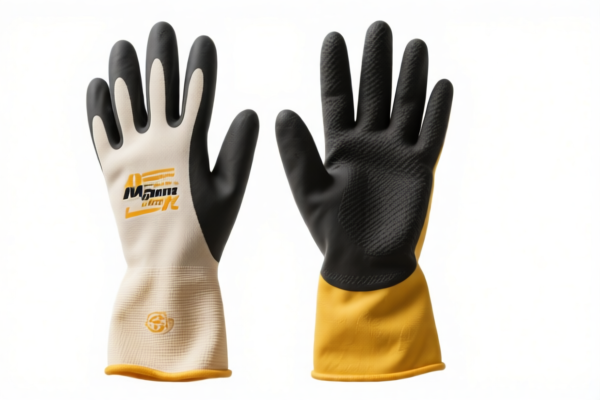
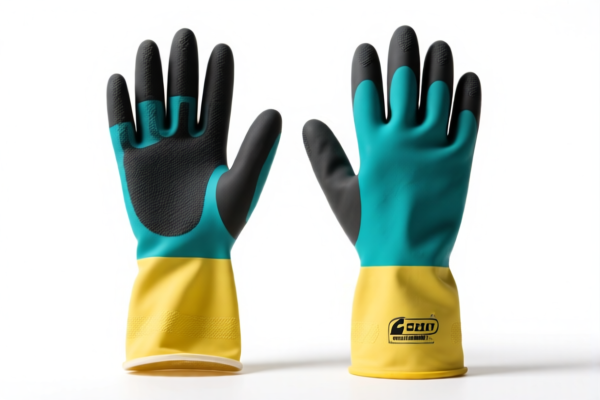
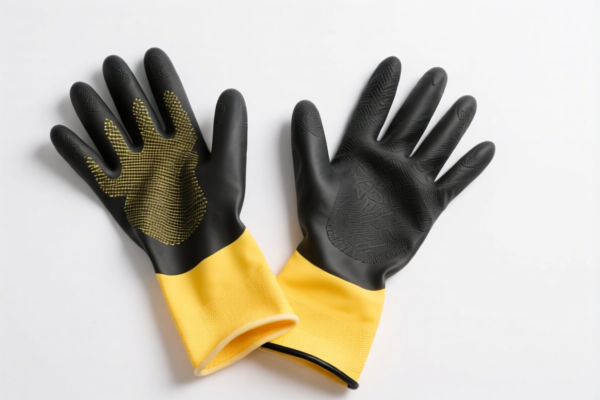
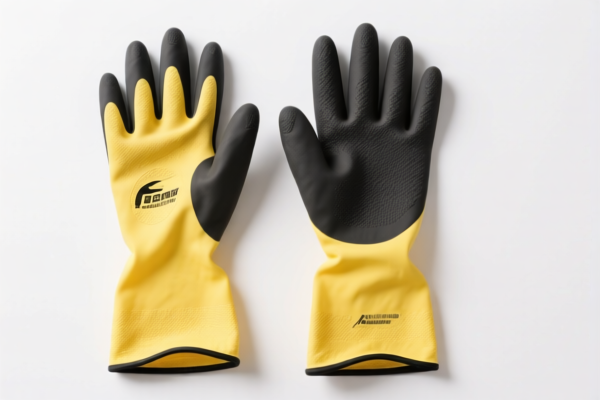
AI Analysis
🧤 Rubber Gloves for Outdoor Activities
🌐 HS Code Reference & Customs Clearance Guide | 2026 Latest Tariff Analysis | Strategic Classification for Agricultural Rubber Gloves
📌 I. Product Definition & Classification: What Are "Outdoor Rubber Gloves"?
In international trade, Rubber Gloves for Outdoor Activities (primarily agricultural, gardening, or general outdoor labor) are classified based on three critical factors:
1. Material: Rubber (Latex or Synthetic)
2. Form/Construction: Gloves, knitted/coated vs. vulcanized clothing
3. Usage: Agriculture/Gardening vs. Industrial/Medical
⚠️ Key Distinction:
- Vulcanized Rubber Gloves (Thick, protective, non-knit base) → Often classified under Chapter 40 (Rubber Goods).
- Knitted/Hooked Gloves with Rubber Coating (Fabric base dipped/coated) → Often classified under Chapter 61/62 (Apparel).
- Plastic-Coated Gloves → Sometimes misclassified as Rubber, but may fall under Chapter 39 (Plastics).
📦 II. HS Code Classification Details (2026 Latest Tariff对照)
| HS Code | Product Description | Key Characteristics | Tax Rate (China to US) |
|---|---|---|---|
4015.19.51.00 |
Vulcanized Rubber Clothing & Accessories (Gloves) | Thick rubber, vulcanized, no fabric base, protective grade | 49.0% |
4015.19.11.50 |
Other Vulcanized Rubber Clothing & Accessories | Specific agricultural use, vulcanized, defined subset | 38.0% |
6116.10.65.00 |
Gloves impregnated/coated with rubber, knitted/hooked | Fabric base + rubber coating, agricultural/gardening | 24.5% |
6116.10.95.00 |
Other gloves impregnated/coated with rubber | Plastic/rubber coated, knitted/hooked logic | 24.5% |
3926.20.40.50 |
Plastic Articles (Gloves) | Misclassified as rubber, but logic follows plastic regulations | 16.5% |
🔍 Critical Note:
- Chapter 40 (4015) applies to vulcanized rubber gloves that are essentially "rubber clothing." These have the highest tariffs.
- Chapter 61 (6116) applies to knitted/fabric gloves with rubber/plastic coating. These are common for gardening and have moderate tariffs.
- Chapter 39 (3926) may apply if the product is technically plastic-based, but still classified as a glove. This offers the lowest tariff among the listed options.
💰 III. 2026 Latest Tariff Rate Breakdown (Including Surtaxes & Policy Add-ons)
✅ Applicable Country: United States (US)
✅ Origin: China (CN)
✅ Effective Date: 2025-Nov-10 onwards (including subsequent imports)
🎯 1. 4015.19.51.00 —— Vulcanized Rubber Gloves (Highest Risk)
| Item | Detail |
|---|---|
| Base Tariff | 14.0% (ad valorem) |
| Section 301 Surtax | +25.0% (USITC Footnote) |
| Section 122 Tariff | +10.0% (Specific to certain rubber goods) |
| Total Tariff | 49.0% |
| Calculation | CIF Value × 49% |
| De Minimis Exemption | ❌ Not Eligible (deny_de_minimis) |
| Legal Path | Section 301 → Section 122 → HS 4015.19.51.00 |
📌 Explanation:
- This code applies to thick, vulcanized rubber gloves (e.g., industrial or heavy-duty agricultural gloves without a fabric base).
- 49% is a very high rate. Misclassification here can significantly impact profit margins.
🎯 2. 4015.19.11.50 —— Specific Vulcanized Rubber Gloves
| Item | Detail |
|---|---|
| Base Tariff | 3.0% |
| Section 301 Surtax | +25.0% |
| Section 122 Tariff | +10.0% |
| Total Tariff | 38.0% |
| Calculation | CIF Value × 38% |
| De Minimis Exemption | ❌ Not Eligible |
| Legal Path | Section 301 → Section 122 → HS 4015.19.11.50 |
📌 Note:
- Slightly lower base tariff (3%) than the previous code, but still subject to full surtaxes.
- Applies to specific agricultural rubber gloves defined under this subheading.
🎯 3. 6116.10.65.00 & 6116.10.95.00 —— Coated Knitted Gloves (Recommended)
| Item | Detail |
|---|---|
| Base Tariff | 7.0% |
| Section 301 Surtax | +7.5% |
| Section 122 Tariff | +10.0% |
| Total Tariff | 24.5% |
| Calculation | CIF Value × 24.5% |
| De Minimis Exemption | ❌ Not Eligible |
| Legal Path | Section 301 → Section 122 → HS 6116.10.x |
📌 Critical Insight:
- These codes apply to gloves with a knitted/fabric base coated with rubber or plastic.
- This is the most common classification for gardening and light outdoor rubber gloves.
- 24.5% is significantly lower than the 49% or 38% rates for vulcanized rubber.
🎯 4. 3926.20.40.50 —— Plastic Gloves (Lowest Tariff Option)
| Item | Detail |
|---|---|
| Base Tariff | 6.5% |
| Section 301 Surtax | 0.0% |
| Section 122 Tariff | +10.0% |
| Total Tariff | 16.5% |
| Calculation | CIF Value × 16.5% |
| De Minimis Exemption | ❌ Not Eligible |
| Legal Path | Section 122 → HS 3926.20.40.50 |
📌 Note:
- If the gloves are technically plastic-based (even if marketed as "rubber"), this code may apply.
- No Section 301 surtax (0%) makes this the most cost-effective option.
- Must ensure the product truly fits "plastic articles" criteria to avoid misclassification penalties.
🛠️ IV. Customs Clearance Practical Advice (Avoid Pitfalls)
✅ 1. Required Documentation Checklist
| Document | Required | Purpose |
|---|---|---|
| ✅ Product Specifications | ✔️ | Detail material (rubber vs. plastic), base fabric (knitted vs. none) |
| ✅ Product Photos (Label & Structure) | ✔️ | Show if gloves are coated or solid rubber |
| ✅ Material Composition Report | ✔️ | Confirm % of rubber/plastic vs. fabric |
| ✅ Commercial Invoice | ✔️ | Clearly state "Rubber/Plastic Coated Gloves for Gardening" |
| ✅ Packing List | ✔️ | Ensure no mixed shipments with unrelated goods |
| ✅ Certificate of Origin (CO) | ✔️ | For origin verification |
✅ 2. Classification Strategy (Key Tip)
🔥 “Base Fabric Determines Chapter: Knitted = Ch. 61, Solid = Ch. 40, Plastic = Ch. 39”
| Scenario | Correct HS Code | Tariff | Reason |
|---|---|---|---|
| Fabric base + Rubber coating (Gardening gloves) | 6116.10.65.00 or 6116.10.95.00 |
24.5% | Knitted goods with coating |
| Solid Rubber (No fabric, vulcanized) | 4015.19.51.00 |
49.0% | Rubber clothing/accessories |
| Plastic-coated (Technical plastic) | 3926.20.40.50 |
16.5% | Plastic articles, no 301 tax |
📌 Warning:
- Do NOT classify solid rubber gloves as "knitted coated gloves" → Heavy penalty for misclassification.
- Do NOT classify knitted gloves as "solid rubber" → Overpayment of 24.5%.
✅ 3. Special Cases
| Situation | Advice |
|---|---|
| OEM Custom Gloves | Provide design specs + material breakdown to prove base fabric type |
| Mixed Materials | If >50% rubber by weight, may still fall under Ch. 40. Use Ch. 61 if fabric base is structural |
| Packaging | If sold as a set (gloves + tools), declare gloves separately |
| Origin | If sourced from Vietnam/Mexico, apply for IEEPA exemption (tariffs may drop to 0-5%) |
🌍 V. Global Market Comparison (2026)
| Country/Region | Recommended HS Code | Tariff (China) | Certification | Note |
|---|---|---|---|---|
| 🇺🇸 USA | 6116.10.65.00 |
24.5% | N/A | Avoid Ch. 40 (49%) |
| 🇨🇳 China | 6116.10.65.00 |
~7-10% | N/A | Lower import duty |
| 🇪🇺 EU | 6116.10.10 |
~0-4% | CE/RoHS | No Section 301/122 |
| 🇦🇺 Australia | 6116.10.10 |
~5% | N/A | Competitive rate |
| 🇯🇵 Japan | 6116.10.10 |
~0-5% | PSE | Low tariff |
📌 Conclusion:
- USA is the most costly market due to Section 301 & 122 tariffs.
- EU, Japan, Australia have much lower tariffs and no punitive surtaxes.
- Optimize supply chain: Consider sourcing from non-China origins if targeting the US market.
📌 VI. Common Mistakes & Pitfalls (Lessons Learned)
❌ Mistake 1: Classifying knitted coated gloves as vulcanized rubber (4015)
👉 Result: Pay 49% instead of 24.5% → Loss of 24.5% profit margin!
❌ Mistake 2: Declaring plastic gloves as rubber gloves (6116)
👉 Result: Pay 24.5% instead of 16.5% → Unnecessary cost increase
❌ Mistake 3: Using vague terms like "Outdoor Gloves" on Invoice
👉 Result: Customs delay, possible audit, retroactive duties
❌ Mistake 4: Ignoring Section 122 (10% surtax)
👉 Result: Even if base tariff is low, total tariff may be 16.5%-49% depending on code.
✅ Correct Declaration Example:
"Knitted Fabric Gloves Coated with Natural Rubber, for Gardening and Agricultural Use, Model XYZ, 12 Pairs/Box"
🎯 VII. Conclusion: Smart Classification, Maximize Profit!
🎯 Remember the Mantra:
🔹 "Knitted Base = Ch. 61 (24.5%), Solid Rubber = Ch. 40 (49%), Plastic = Ch. 39 (16.5%)"
🔹 "HS Code is King, 25% Surtax is Queen, Together they rule the tariff!"
🔹 "Misclassification is Expensive, Precision is Profitable!"
📌 Pro Tip:
If your gloves are sourced from Vietnam, Mexico, Thailand, or Malaysia, you may qualify for IEEPA Exemption, reducing tariffs to 0-5%.
Apply for Advance Ruling to secure classification certainty.
📣 Take Action Now:
📞 Contact a licensed customs broker + Provide product samples + File for Advance Ruling
🚀 Ensure smooth clearance, optimize costs, and boost your export profits!
✨ Professional Clearance Starts with Accurate Classification!
💼 Every Percentage Point Saved is Profit Earned!
Customer Reviews
About HS Code Classification
The Harmonized System (HS) is an internationally standardized nomenclature developed by the World Customs Organization (WCO) to classify traded products. Over 200 countries use the HS system as the basis for customs tariffs, trade statistics, and import/export regulations.
Each HS code follows a hierarchical structure:
- Chapter (2 digits) — Broad category of goods (e.g., Chapter 84: Machinery and Mechanical Appliances)
- Heading (4 digits) — More specific grouping within the chapter
- Subheading (6 digits) — Internationally standardized breakdown, used by all WCO member countries
- National subdivisions (8-10 digits) — Country-specific extensions for further classification, such as US HTSUS 10-digit codes
Correct HS code classification is essential for smooth customs clearance, accurate duty payment, and compliance with trade regulations. Misclassification can lead to customs delays, overpayment of duties, or penalties.
When importing from CN to US, the applicable tariff rates may include:
- Most-Favored-Nation (MFN) rate — The standard duty rate applied to WTO members
- General rate — Applied to countries without trade agreements
- Trade remedy duties — Additional tariffs such as Section 301 (anti-dumping), Section 232 (national security), or countervailing duties
The information provided on this page is for reference purposes only. For official classification, please consult with your local customs authority or a licensed customs broker.