Rubber Gloves for Gardening Planting
CN → US| HS Code | Tariff Rate | Origin | Destination | Doc |
|---|---|---|---|---|
| 6116109500 | 24.5% | CN | US | Official Doc |
| 3926204050 | 16.5% | CN | US | Official Doc |
| 4015191150 | 38.0% | CN | US | Official Doc |
| 6116106500 | 24.5% | CN | US | Official Doc |
| 4015195100 | 49.0% | CN | US | Official Doc |
Product Images
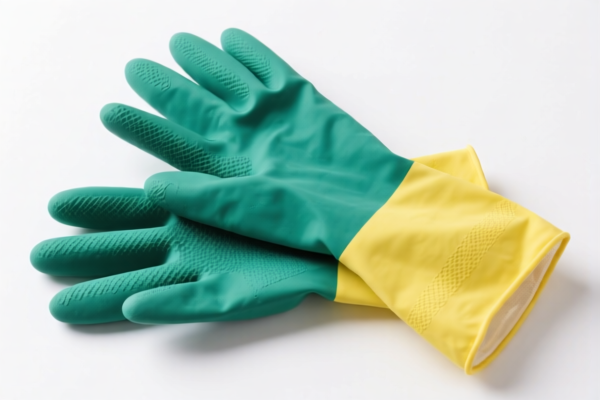
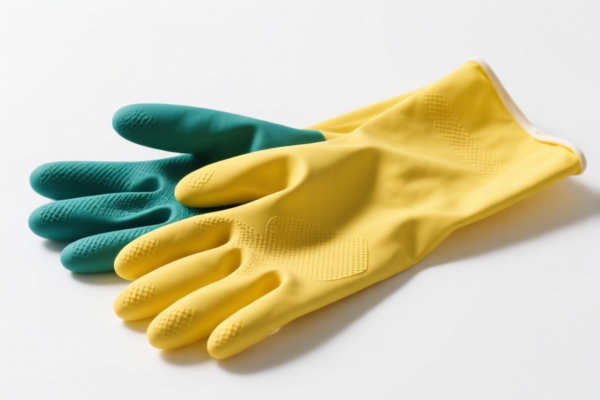
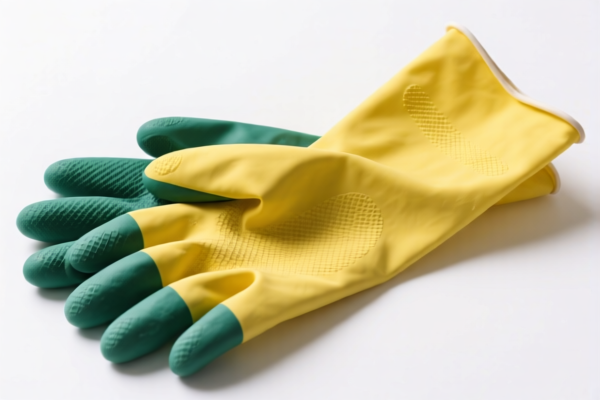

AI Analysis
🧤 Rubber Gloves for Gardening & Planting
🌐 HS Code Reference & Clearance Guide | 2026 Latest Tariff Analysis | Professional Clearance Strategy
📌 I. Product Definition & Classification: Do You Really Understand "Rubber Gardening Gloves"?
Rubber gardening gloves are essential protective gear used to protect hands from soil, thorns, chemicals, and moisture during agricultural and landscaping activities. In international trade, they are primarily classified under Chapter 40 (Rubber and Articles Thereof) or Chapter 61 (Articles of Apparel and Clothing Accessories, Knitted or Crocheted), depending on their specific construction and material composition.
Key Distinction Points:
- Sulfur-Vulcanized Rubber Gloves: Classified under Chapter 40 (e.g., 4015.19.xxxx). These are typically made from solid rubber sheets or tubes, vulcanized into shape. They offer higher durability and chemical resistance.
- Coated/Impregnated Gloves: Classified under Chapter 61 (e.g., 6116.10.xxxx). These usually consist of a knitted or crocheted fabric base (cotton, synthetic, etc.) that is dipped or coated with liquid rubber or latex. They offer better flexibility and breathability.
⚠️ Critical Note:
The classification significantly impacts the tariff rate due to Section 301 (Trade Act) and Section 122 tariffs. Misclassification can lead to substantial duty overpayments or customs penalties.
📦 II. HS Code Classification Details (2026 Latest Tariff Authority Comparison)
Based on the provided data, here are the five relevant HS Codes for rubber gardening gloves:
| HS Code | Product Description | Material/Form Logic | Applicable Scenario |
|--------|--------------------------|-------------------------|
| 6116.10.95.00 | Rubber Coated/Gloves, Knitted/Crocheted | Knitted/Crocheted Base + Rubber Coating. Fits the logic of plastic/rubber coated gloves. | Lightweight gardening gloves, latex-dipped cotton gloves. |
| 3926.20.40.50 | Rubber Gardening Gloves (Plastic Logic) | Plastic Logic Application. Although material is rubber, it fits under plastic制品 logic for gloves in some interpretive contexts. | Specific plastic-like rubber formulations or composite materials treated as plastics. |
| 4015.19.11.50 | Rubber Garments/Accessories | Sulfur-Vulcanized Rubber. Solid rubber suit/glove category. | Heavy-duty, industrial-grade rubber gloves, solid rubber form. |
| 6116.10.65.00 | Rubber Coated/Impregnated Gloves | Rubber Impregnated/Coated. Fits the inference of gloves coated with rubber. | Similar to 6116.10.95.00 but potentially different base fabric or coating thickness. |
| 4015.19.51.00 | Rubber Garments/Accessories | Sulfur-Vulcanized Rubber. Solid rubber accessory category. | Heavy-duty, solid rubber protective gear. |
🔍 Key Insight:
- Chapter 61 (6116.10.xxxx) generally applies to knitted/crocheted gloves with rubber/latex coating.
- Chapter 40 (4015.19.xxxx) applies to solid vulcanized rubber gloves (like heavy-duty dishwashing or industrial gloves).
- Chapter 39 (3926.20.xxxx) is a less common but possible classification if the material is interpreted as a plastic composite.
💰 III. 2026 Latest Tariff Rate Breakdown (Including Additional Taxes & Policy Surcharges)
✅ Applicable Country: United States (US)
✅ Origin: China (CN)
✅ Effective Time: Current tariffs apply (including Section 301 and Section 122 surcharges)
🎯 1. 6116.10.95.00 – Rubber Coated Gloves (Knitted/Crocheted)
| Item | Content |
|---|---|
| Base Duty Rate | 7.0% |
| Section 301 Surcharge | 7.5% |
| Section 122 Tariff | 10.0% |
| Total Tariff Rate | 24.5% |
| Tax Calculation | CIF Value × 24.5% |
| De Minimis Exemption | ❌ Not Eligible (Deny De Minimis) |
| Legal Basis Path | USITC:6116.10.95.00 → Section 301: Footnote 301 → Section 122: 10% |
📌 Explanation:
- This is one of the lower-rate options among the five classifications.
- Suitable for light-to-medium duty gardening gloves with a knitted fabric base and rubber coating.
🎯 2. 3926.20.40.50 – Rubber Gloves (Plastic Logic)
| Item | Content |
|---|---|
| Base Duty Rate | 6.5% |
| Section 301 Surcharge | 0.0% |
| Section 122 Tariff | 10.0% |
| Total Tariff Rate | 16.5% |
| Tax Calculation | CIF Value × 16.5% |
| De Minimis Exemption | ❌ Not Eligible |
| Legal Basis Path | USITC:3926.20.40.50 → Section 122: 10% |
📌 Explanation:
- This is the most cost-effective classification in the dataset.
- Note: Classification under Chapter 39 for rubber goods is unusual and requires strong justification that the material behaves as a plastic or fits specific plastic glove definitions. Use only if technically compliant.
🎯 3. 4015.19.11.50 – Sulfur-Vulcanized Rubber Gloves
| Item | Content |
|---|---|
| Base Duty Rate | 3.0% |
| Section 301 Surcharge | 25.0% |
| Section 122 Tariff | 10.0% |
| Total Tariff Rate | 38.0% |
| Tax Calculation | CIF Value × 38.0% |
| De Minimis Exemption | ❌ Not Eligible |
| Legal Basis Path | USITC:4015.19.11.50 → Section 301: Footnote 9903.01.24 → Section 122: 10% |
📌 Explanation:
- High Section 301 tariff (25%) due to rubber articles classification.
- Suitable for heavy-duty, solid rubber gloves. Higher duty but may be necessary for proper classification if the gloves are truly vulcanized rubber without a fabric base.
🎯 4. 6116.10.65.00 – Rubber Impregnated/Coated Gloves
| Item | Content |
|---|---|
| Base Duty Rate | 7.0% |
| Section 301 Surcharge | 7.5% |
| Section 122 Tariff | 10.0% |
| Total Tariff Rate | 24.5% |
| Tax Calculation | CIF Value × 24.5% |
| De Minimis Exemption | ❌ Not Eligible |
| Legal Basis Path | USITC:6116.10.65.00 → Section 301: Footnote 301 → Section 122: 10% |
📌 Explanation:
- Same total rate as6116.10.95.00.
- Differentiation may lie in the specific subheading criteria (e.g., coating method, base fabric type). Consult HS code notes for precise distinction.
🎯 5. 4015.19.51.00 – Sulfur-Vulcanized Rubber Gloves (Higher Base)
| Item | Content |
|---|---|
| Base Duty Rate | 14.0% |
| Section 301 Surcharge | 25.0% |
| Section 122 Tariff | 10.0% |
| Total Tariff Rate | 49.0% |
| Tax Calculation | CIF Value × 49.0% |
| De Minimis Exemption | ❌ Not Eligible |
| Legal Basis Path | USITC:4015.19.51.00 → Section 301: Footnote 9903.01.24 → Section 122: 10% |
📌 Explanation:
- This is the most expensive classification.
- Only use if the product strictly meets the criteria for this specific subheading. Avoid if other rubber classifications are applicable.
🛠️ IV. Clearance Practical Advice (Avoid Pitfalls)
✅ 1. Documentation Checklist (Essential for Smooth Clearance)
| Document | Required | Notes |
|---|---|---|
| ✅ Product Specification Sheet | ✔️ | Must detail material composition (e.g., "95% Cotton Knitted, 5% Natural Rubber Coating"). |
| ✅ Material Breakdown | ✔️ | Clearly state if the glove is solid rubber (Chapter 40) or coated fabric (Chapter 61). |
| ✅ Photos of Product | ✔️ | Show cross-section if possible, to prove knitted base vs. solid rubber. |
| ✅ Commercial Invoice | ✔️ | Describe product as "Gardening Gloves, Knitted Cotton Base with Rubber Coating" (if Chapter 61). |
| ✅ Origin Certificate | ✔️ | For US imports, verify country of origin. |
| ✅ Section 301 Exclusion List | ❓ | Check if your specific HS code was excluded from Section 301 tariffs in previous years (though likely not for gloves now). |
✅ 2. Declaration Tips (Critical Keywords)
🔥 "Fabric Base = Chapter 61, Solid Rubber = Chapter 40. Be Specific!"
| Product Type | Recommended HS Code | Description for Customs |
|---|---|---|
| Knitted Cotton Glove + Rubber Dip | 6116.10.65.00 or 6116.10.95.00 |
"Knitted gloves, coated with rubber" |
| Latex Dip Gloves (Synthetic Base) | 6116.10.65.00 or 6116.10.95.00 |
"Crocheted gloves, impregnated with latex" |
| Solid Rubber Glove (No Fabric) | 4015.19.11.50 or 4015.19.51.00 |
"Sulfur vulcanized rubber gloves, protective" |
| Plastic Composite Glove | 3926.20.40.50 |
"Plastic gloves, for gardening" (Only if truly plastic-based) |
✅ 3. Special Cases & Risk Management
| Scenario | Advice |
|---|---|
| Misclassification Risk | Declaring solid rubber gloves as coated gloves (6116.10) to save on Section 301 tariffs is risky. Customs may audit and impose penalties. |
| Section 122 Tariff | All 5 HS codes listed are subject to a 10% Section 122 tariff. This is a non-negotiable surcharge for Chinese-origin rubber/plastic gloves. |
| De Minimis (Section 321) | ❌ Not Applicable. Rubber gloves for commercial import do not qualify for the $800 de minimis exemption if they are classified under these HS codes from China. |
| Pre-Ruling Recommendation | ✅ Highly Recommended. Apply for an Advance Ruling from US Customs (CBP) to confirm the correct HS code, especially if the product is a hybrid material. |
🌍 V. Global Market Comparison (2026 Snapshot)
| Country/Region | Recommended HS Code | Total Duty (China Origin) | Key Requirements | Notes |
|---|---|---|---|---|
| 🇺🇸 USA | 6116.10.xxxx or 4015.19.xxxx |
16.5% - 49.0% | Section 301 + Section 122 Apply | High tariffs. 3926.20.40.50 is cheapest but risky. |
| 🇨🇳 China | 6116.10.xxxx or 4015.19.xxxx |
5% - 10% | CCC (if applicable) | No Section 301/122 surcharges. |
| 🇪🇺 EU | 4015.11.00 or 6116.10.00 |
6.5% | CE (if PPE) | No additional punitive tariffs. |
| 🇯🇵 Japan | 4015.19.00 or 6116.10.00 |
5% - 8% | JIS Certification | Moderate duties. |
📌 Conclusion:
- The US market is the most challenging due to Section 301 and Section 122 tariffs.
- Chapter 61 (6116.10.xxxx) is generally preferred over Chapter 40 (4015.19.xxxx) for gardening gloves due to lower Section 301 rates (7.5% vs 25%), provided the product is indeed coated fabric.
📌 VI. Common Errors & Pitfalls (Lessons Learned)
❌ Error 1: Classifying solid rubber gloves as 6116.10 (coated gloves)
👉 Consequence: Customs rejection, audit, back-tariff of 25% difference + penalties.
❌ Error 2: Ignoring Section 122 Tariff
👉 Consequence: Underpayment of 10% on all 5 HS codes. This surcharge applies to all listed codes.
❌ Error 3: Using "Garden Gloves" without material specification
👉 Consequence: Customs may select the highest duty code (49.0%) or assign an "unknown" code with higher provisional duties.
❌ Error 4: Assuming De Minimis ($800) applies
👉 Consequence: Shipment seized or held for duty payment. Rubber gloves from China are NOT eligible for de minimis exemption under Section 321 in many cases.
✅ Correct Approach:
"Gardening Gloves, Knitted Cotton Base, Dipped in Natural Rubber, Model XYZ, HS Code 6116.10.65.00"
🎯 VII. Conclusion: Smart Classification Saves Money!
🎯 Key Takeaway:
🔹 For Knitted/Crocheted Rubber-Coated Gloves: Aim for
6116.10.xxxx(24.5% total) or3926.20.40.50(16.5% total, if compliant).
🔹 For Solid Vulcanized Rubber Gloves: Expect4015.19.xxxx(38.0% or 49.0% total).
🔹 Always Account for Section 122: A flat 10% adds to every code.
📌 Pro Tip:
If your gardening gloves are knitted with a rubber coating, do not classify them under Chapter 40. You could be paying 25% extra in Section 301 duties unnecessarily. Verify your material composition with your supplier before shipping.
📣 Immediate Action:
📞 Contact your customs broker with product photos and material specs.
📄 Request a Pre-Decision Letter from CBP if the classification is ambiguous.
💼 Optimize your supply chain to ensure accurate HS code declaration and avoid costly delays.
✨ Professional clearance starts with accurate classification!
💼 Every percentage point matters in international trade!
Customer Reviews
About HS Code Classification
The Harmonized System (HS) is an internationally standardized nomenclature developed by the World Customs Organization (WCO) to classify traded products. Over 200 countries use the HS system as the basis for customs tariffs, trade statistics, and import/export regulations.
Each HS code follows a hierarchical structure:
- Chapter (2 digits) — Broad category of goods (e.g., Chapter 84: Machinery and Mechanical Appliances)
- Heading (4 digits) — More specific grouping within the chapter
- Subheading (6 digits) — Internationally standardized breakdown, used by all WCO member countries
- National subdivisions (8-10 digits) — Country-specific extensions for further classification, such as US HTSUS 10-digit codes
Correct HS code classification is essential for smooth customs clearance, accurate duty payment, and compliance with trade regulations. Misclassification can lead to customs delays, overpayment of duties, or penalties.
When importing from CN to US, the applicable tariff rates may include:
- Most-Favored-Nation (MFN) rate — The standard duty rate applied to WTO members
- General rate — Applied to countries without trade agreements
- Trade remedy duties — Additional tariffs such as Section 301 (anti-dumping), Section 232 (national security), or countervailing duties
The information provided on this page is for reference purposes only. For official classification, please consult with your local customs authority or a licensed customs broker.