Rubber Hose End Cap
CN → US| HS Code | Tariff Rate | Origin | Destination | Doc |
|---|---|---|---|---|
| 4009120050 | 20.0% | CN | US | Official Doc |
| 4009110000 | 37.5% | CN | US | Official Doc |
| 5909002000 | 38.3% | CN | US | Official Doc |
| 4504101000 | 35.0% | CN | US | Official Doc |
| 4016931010 | 37.5% | CN | US | Official Doc |
Product Images
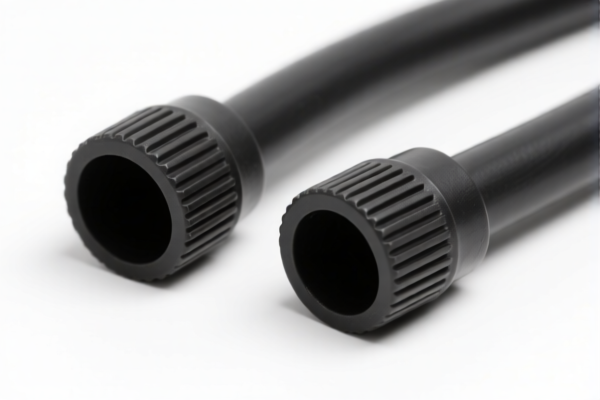
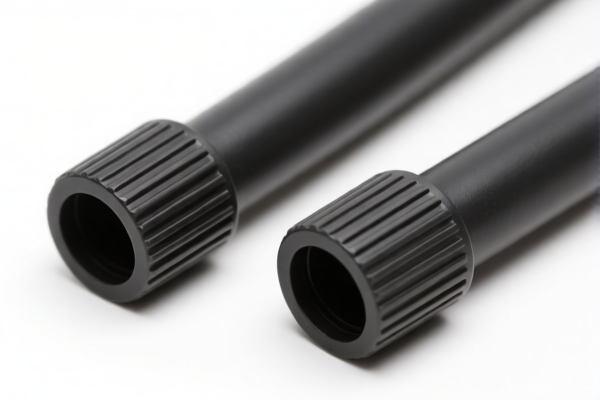
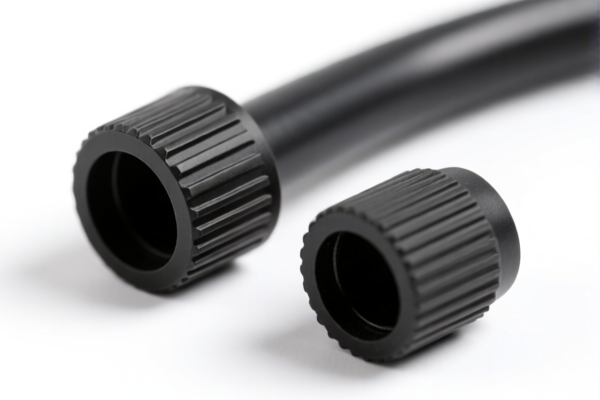
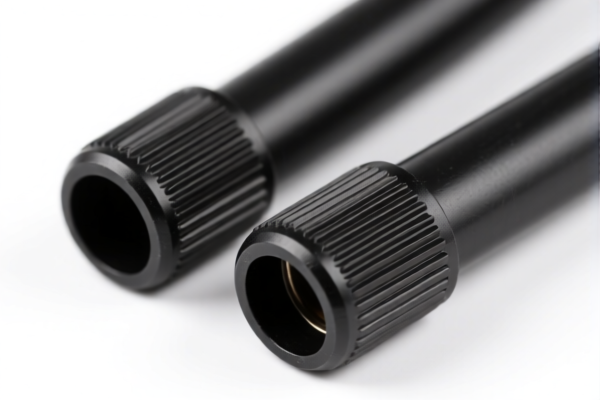
AI Analysis
🛡️ Rubber Hose End Cap (Sealing Plugs)
🌐 HS Code Reference & Customs Clearance Guide | 2026 Latest Tariff Breakdown | Professional Compliance Strategy
📌 I. Product Definition & Classification: What Exactly Is a "Rubber Hose End Cap"?
A Rubber Hose End Cap is a small but critical component used to seal the open ends of rubber hoses, pipes, or tubes. It prevents fluid loss, dust ingress, and contamination when a hose is not in use or during storage/transport.
In international trade, classification depends heavily on the material composition and specific shape: 1. Vulcanized Rubber Tubing/Plugs: If the cap is made of vulcanized rubber and resembles a plug or stopper for tubes, it generally falls under Chapter 40. 2. Cork-Rubber Composite: If the material includes ground cork mixed with rubber (often used for gaskets/seals), it may fall under Chapter 45 or 40 depending on the dominant character. 3. Textile-Reinforced Rubber: If the hose/cap has a textile backbone, it might be classified under Chapter 59.
⚠️ Key Distinction:
- Pure rubber/plastic sealing elements → Chapter 40
- Cork-rubber mixtures → Chapter 45 or 40
- Textile-reinforced hoses/seals → Chapter 59
📦 II. HS Code Classification Details (Based on Provided Data)
| HS Code | Product Description | Material/Form | Key Characteristics |
|---|---|---|---|
4009.12.00.50 |
Rubber Hose / Tubing | Vulcanized Rubber | Fits classification of vulcanized rubber and tubes/hoses. Often used for generic rubber hose ends if considered part of the hose assembly. |
4009.11.00.00 |
Rubber Hose / Tubing | Vulcanized Rubber | Matches "tube, hose or pipe" category completely. Best for pure rubber plug-like ends. |
5909.00.20.00 |
Textile Hose / Tubing | Rubber-coated Textile | Fits the form of "textile hose" or similar tubes. Applicable if the end cap is part of a textile-reinforced system. |
4504.10.10.00 |
Vulcanized Cork-Rubber Seal | Ground Cork + Rubber | Form: Vulcanized sheets and plates. Used if the cap is a composite cork-rubber sealing washer/disk. |
4016.93.10.10 |
Vulcanized Rubber Gasket | Vulcanized Rubber | Form: Gaskets, washers, and other seals. Best for standalone rubber sealing caps/plugs. |
🔍 Critical Insight:
- If the item is a simple rubber plug for a hose,4009or4016are the most likely candidates.
- If the item contains cork,4504or4016applies.
- If it is part of a textile-reinforced hose system,5909may be relevant.
💰 III. 2026 Latest Tariff Rate Breakdown (Detailed Tax Analysis)
✅ Applicable Country: United States (US)
✅ Origin: China (CN)
✅ Effective Date: Post-November 10, 2025 (Including subsequent imports)
🎯 1. 4009.12.00.50 – Rubber Hose (Generic Vulcanized Rubber)
| Item | Content |
|---|---|
| Base Duty | 2.5% |
| Section 301 Additional Duty | 7.5% |
| Section 122 Duty | 10% |
| Total Duty Rate | 20.0% |
| Tax Calculation | CIF Value × 20% |
| De Minimis Exemption | ❌ Not Available (High risk of audit) |
| Legal Basis Path | Base Tariff → Section 301 → Section 122 |
📌 Explanation:
- Section 301 (7.5%): Additional tariff on Chinese goods under Trade Act Section 301.
- Section 122 (10%): Specific tariff provision often applied to certain rubber/textile articles to protect domestic industry.
- Total 20% is relatively moderate compared to other classifications in this list.
🎯 2. 4009.11.00.00 – Rubber Hose (Vulcanized Rubber, Exact Match)
| Item | Content |
|---|---|
| Base Duty | 2.5% |
| Section 301 Additional Duty | 25.0% |
| Section 122 Duty | 10% |
| Total Duty Rate | 37.5% |
| Tax Calculation | CIF Value × 37.5% |
| De Minimis Exemption | ❌ Not Available |
| Legal Basis Path | Base Tariff → Section 301 (25%) → Section 122 |
📌 Warning:
- This classification incurs the maximum Section 301 tariff (25%), likely because it is viewed as a direct substitute for imported rubber tubing.
- Total 37.5% is high and significantly impacts profit margins.
🎯 3. 5909.00.20.00 – Textile Hose / Tubing
| Item | Content |
|---|---|
| Base Duty | 3.3% |
| Section 301 Additional Duty | 25.0% |
| Section 122 Duty | 10% |
| Total Duty Rate | 38.3% |
| Tax Calculation | CIF Value × 38.3% |
| De Minimis Exemption | ❌ Not Available |
| Legal Basis Path | Base Tariff → Section 301 (25%) → Section 122 |
📌 Note:
- The highest base duty in this list (3.3%) combined with 25% Section 301 and 10% Section 122 results in the highest total tax burden (38.3%).
- Only use this if the product is explicitly a textile-reinforced hose assembly. Misclassification here can lead to penalties.
🎯 4. 4504.10.10.00 – Vulcanized Cork-Rubber Sealing Sheets
| Item | Content |
|---|---|
| Base Duty | 0.0% |
| Section 301 Additional Duty | 25.0% |
| Section 122 Duty | 10% |
| Total Duty Rate | 35.0% |
| Tax Calculation | CIF Value × 35.0% |
| De Minimis Exemption | ❌ Not Available |
| Legal Basis Path | Base Tariff (0%) → Section 301 (25%) → Section 122 |
📌 Advantage:
- Zero base duty makes this the second-lowest tax option (35%).
- Suitable only if the end cap is a cork-rubber composite used as a sealing sheet/disk.
🎯 5. 4016.93.10.10 – Vulcanized Rubber Gaskets, Washers, Seals
| Item | Content |
|---|---|
| Base Duty | 2.5% |
| Section 301 Additional Duty | 25.0% |
| > Section 122 Duty | 10% |
| Total Duty Rate | 37.5% |
| Tax Calculation | CIF Value × 37.5% |
| De Minimis Exemption | ❌ Not Available |
| Legal Basis Path | Base Tariff → Section 301 (25%) → Section 122 |
📌 Note:
- This is the standard classification for rubber gaskets and seals.
- If your "End Cap" is a simple rubber plug, this is the most accurate functional classification, despite the 37.5% tax rate.
🛠️ IV. Customs Clearance Practical Advice
✅ 1. Recommended HS Code Strategy
| Scenario | Recommended HS Code | Total Tax | Reasoning |
|---|---|---|---|
| Pure Rubber Plug/Stopper | 4016.93.10.10 |
37.5% | Most accurate for "gaskets/seals." High tax but low misclassification risk. |
| Generic Rubber Hose End | 4009.12.00.50 |
20.0% | Lowest Risk/Low Tax Balance. If the cap is considered part of the hose assembly, this offers significant savings. |
| Cork-Rubber Composite Seal | 4504.10.10.00 |
35.0% | Use only if material is verifiably cork-rubber. |
| Textile-Reinforced Assembly | 5909.00.20.00 |
38.3% | Avoid unless product is explicitly textile-based. Highest tax. |
💡 Pro Tip:
- For simple rubber end caps, argue for4016.93.10.10(as a seal/gasket) or4009.12.00.50(as part of tubing).
-4009.12.00.50is the cost-effective choice (20% vs 37.5%) if you can justify it as a hose component.
- Always ensure your product description matches the HS Code definition.
✅ 2. Required Documentation
| Document | Required | Notes |
|---|---|---|
| Commercial Invoice | ✅ | Clearly state: "Rubber Hose End Cap, Material: Vulcanized Rubber" |
| Product Specifications | ✅ | Include dimensions, material composition (100% rubber vs. cork-rubber) |
| Material Safety Data Sheet (MSDS) | ✅ | For rubber compounds, if requested |
| Photos | ✅ | Show the cap on a hose end to demonstrate function |
| Bill of Lading | ✅ | Standard shipping document |
✅ 3. Common Pitfalls to Avoid
❌ Error 1: Calling it "Hose" when it’s just a cap
👉 Result: Misclassification. If it’s a standalone cap, 4009 might be rejected. Use 4016 for seals.
❌ Error 2: Ignoring Section 122 Duty
👉 Result: Underpayment. All categories in the provided data include a 10% Section 122 tariff. Ensure your broker accounts for this.
❌ Error 3: Claiming De Minimis Exemption for Low-Value Shipments
👉 Result: Seizure. High-duty rubber goods are not eligible for de minimis clearance (under $800) from China.
✅ Correct Declaration Example:
"Rubber Hose End Cap, 1/2 inch, Vulcanized Rubber, Black, Pack of 100. HS Code: 4016.93.10.10"
🌍 V. Global Market Comparison (2026)
| Country | Recommended HS Code | Estimated Duty (China Origin) | Notes |
|---|---|---|---|
| 🇺🇸 USA | 4016.93.10.10 |
37.5% | High duties due to Section 301 & 122. |
| 🇪🇺 EU | 4016.93 |
3.7% | No Section 301/122. Lower barrier. |
| 🇨🇦 Canada | 4016.93 |
5-6% | Moderate duties. |
| 🇲🇽 Mexico | 4016.93 |
5% | Potential USMCA benefits if qualified. |
📌 Conclusion:
- The US market is significantly more expensive due to trade policies.
- If possible, restructure supply chain (e.g., assemble in Vietnam/Mexico) to avoid Section 301 tariffs.
📌 VI. Final Recommendations
- Prioritize
4009.12.00.50if your product can be logically defined as part of the hose system to save 17.5% in taxes. - Use
4016.93.10.10if it is a standalone seal/gasket for accuracy, accepting the 37.5% cost. - Avoid
5909.00.20.00unless you have textile reinforcement, as it incurs the highest tax (38.3%). - Prepare for Audits: Keep samples and material declarations ready. Customs may request proof of rubber content.
🎯 Remember:
🔹 "Cap or Hose? Define it right."
🔹 "Section 122 is mandatory – don’t forget the 10%."
🔹 "Save money: Aim for4009.12if possible!"
📣 Action Plan:
📞 Consult with a licensed customs broker to confirm the functional use of your end cap.
📄 Apply for an Advance Ruling if shipping large volumes.
🚀 Optimize your HS Code to reduce landed costs by up to 18%.
✨ Precision in Classification = Precision in Profit
💼 Your Rubber End Cap, Your Competitive Edge!
Customer Reviews
About HS Code Classification
The Harmonized System (HS) is an internationally standardized nomenclature developed by the World Customs Organization (WCO) to classify traded products. Over 200 countries use the HS system as the basis for customs tariffs, trade statistics, and import/export regulations.
Each HS code follows a hierarchical structure:
- Chapter (2 digits) — Broad category of goods (e.g., Chapter 84: Machinery and Mechanical Appliances)
- Heading (4 digits) — More specific grouping within the chapter
- Subheading (6 digits) — Internationally standardized breakdown, used by all WCO member countries
- National subdivisions (8-10 digits) — Country-specific extensions for further classification, such as US HTSUS 10-digit codes
Correct HS code classification is essential for smooth customs clearance, accurate duty payment, and compliance with trade regulations. Misclassification can lead to customs delays, overpayment of duties, or penalties.
When importing from CN to US, the applicable tariff rates may include:
- Most-Favored-Nation (MFN) rate — The standard duty rate applied to WTO members
- General rate — Applied to countries without trade agreements
- Trade remedy duties — Additional tariffs such as Section 301 (anti-dumping), Section 232 (national security), or countervailing duties
The information provided on this page is for reference purposes only. For official classification, please consult with your local customs authority or a licensed customs broker.