Rubber Radial Tires (Heavy Duty)
CN → US| HS Code | Tariff Rate | Origin | Destination | Doc |
|---|---|---|---|---|
| 4011902050 | 39.0% | CN | US | Official Doc |
| 4012124035 | 39.0% | CN | US | Official Doc |
| 4013905010 | 38.7% | CN | US | Official Doc |
| 4011201005 | 39.0% | CN | US | Official Doc |
| 4012114000 | 39.0% | CN | US | Official Doc |
Product Images
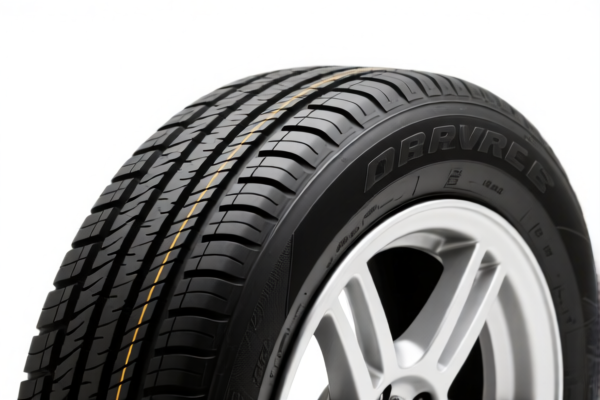
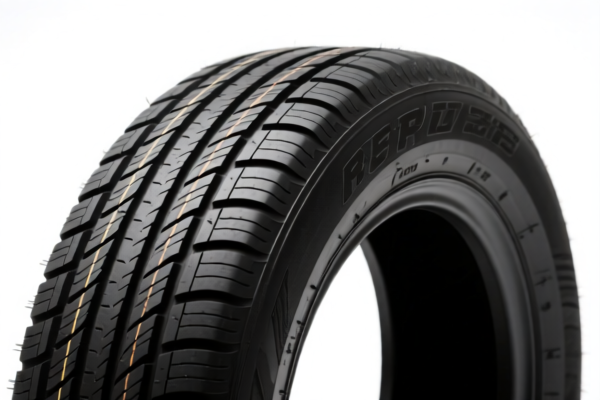
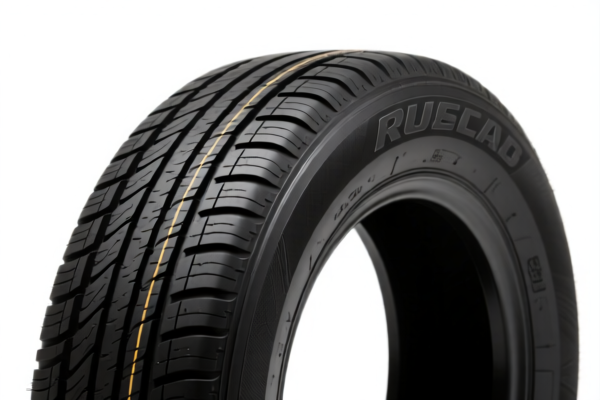
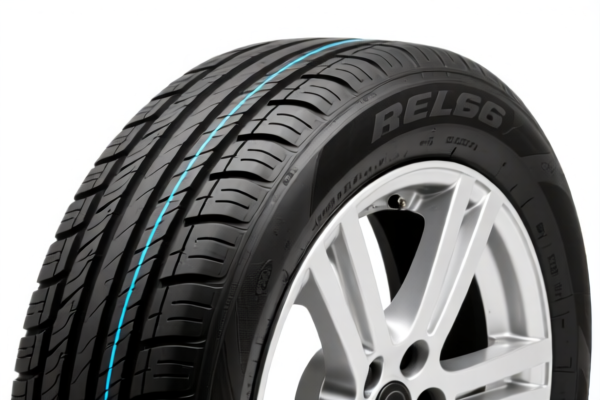
AI Analysis
🚛 Rubber Radial Tires (Heavy Duty)
🌐 HS Code Reference & Customs Clearance Guide | 2026 Latest Tariff Analysis | Professional Compliance Strategy
📌 I. Product Definition & Classification: What Are "Heavy Duty" Radial Tires?
Rubber Radial Tires, particularly those classified under "Heavy Duty" contexts (typically for trucks, buses, or construction equipment), are high-performance pneumatic tires with radial ply construction. In international trade, precise classification is critical because radial tires attract significant punitive tariffs from specific jurisdictions (notably the United States).
The provided data focuses on US Import Regulations, where "Heavy Duty" or general radial tires face a complex web of base duties, Section 301 tariffs, and Section 122 (China) specific tariffs.
⚠️ Key Distinction:
- Radial Construction: Defined by the direction of cord threads in the tire casing (parallel to the direction of travel).
- Non-Radial (Bias Ply): Not covered in this specific dataset, but typically have different HS codes (e.g., 4011.x).
- "Heavy Duty" Context: While the data lists generic "Rubber Radial Tires," in practice, if the tire is for trucks/buses, it often falls under 4011.20 (Tyres of a kind used on motor cars or other motor vehicles specified in heading 4011.20, 4011.30 or 4011.40). However, the provided data mixes subheadings. We must adhere strictly to the 5 HS codes provided in<DATA>.
📦 II. HS Code Classification Details (2026 Latest Tariff Authority对照)
Based strictly on the provided <DATA>, here are the five possible HS Codes for "Rubber Radial Tires":
| HS Code | Product Description (from Data) | Summary / Rationale | Total Tax Rate |
|---|---|---|---|
4011.90.20.50 |
Rubber Radial Tire, matches material & structural features | Generic radial tire classification | 39.0% |
4012.12.40.35 |
Rubber Radial Tire, categorized under "Other" | Catch-all for radial tires not fitting primary truck/bus subheadings | 39.0% |
4013.90.50.10 |
Rubber Tire, Catch-all Category (兜底类目) | Default classification when specific use/structure doesn't fit narrower codes | 38.7% |
4011.20.10.05 |
Rubber Radial Tire, matched via "Other" categories | Based on other category matching rules | 39.0% |
4012.11.40.00 |
Rubber Radial Tire, Use matches "Automobile Tire" Category | Specific to automobile applications | 39.0% |
🔍 Important Note on Data Consistency:
- All listed HS Codes carry identical or nearly identical tax structures.
- The difference between39.0%and38.7%lies in the Base Duty (4.0% vs 3.7%), while surcharges remain constant.
- Crucial Insight: Despite being "Heavy Duty," if the customs authority classifies them under4012(Other tires) or specific4011subheadings that attract the full surcharge, the cost impact is severe.
💰 III. 2026 Latest Tariff Rate Breakdown (Including Surcharges)
✅ Applicable Country: United States (US)
✅ Country of Origin: China (CN) (Implied by "Section 122" and typical high tariff context)
✅ Effective Time: Current rates apply for imports from China.
🎯 1. General Breakdown for All Listed HS Codes
For every HS code in the provided data, the tax structure is identical:
| Item | Content |
|---|---|
| Base Duty (MFN) | 4.0% (or 3.7% for 4013.90.50.10) |
| Section 301 Surcharge | +25.0% (From USITC Footnote 9903.08.01 - "Goods of China") |
| Section 122 Surcharge | +10.0% (Specific punitive tariff on Chinese goods) |
| Total Effective Rate | 39.0% (or 38.7% for 4013.90.50.10) |
| Tax Calculation | CIF Value × Total Rate |
| De Minimis Exemption | ❌ Not Eligible (Section 301 and 122 tariffs generally apply even to low-value shipments, though de minimis thresholds exist for base duty, surcharges often trigger scrutiny). |
| Legal Basis Path | USITC:4011/4012/4013 → FOOTNOTE:301 → IEEPA:122 |
📌 Explanation:
- "Base Duty (4.0%/3.7%)": The standard Most Favored Nation (MFN) rate for rubber tires.
- "Section 301 (25%)": The primary Trump-era tariff still in effect for most Chinese goods.
- "Section 122 (10%)": A specific additional tariff layer targeting Chinese imports, compounding the cost.
- Total ~39%: This is a very high effective duty rate. It significantly erodes profit margins for heavy-duty tire exports to the US.
🛠️ IV. Customs Clearance Practical Advice (Real-World Pitfall Guide)
✅ 1. Preparation Checklist (Non-Negotiable)
| Document | Required? | Notes |
|---|---|---|
| ✅ Product Specification Sheet | ✔️ | Must detail: Radial construction, ply rating, rim size, load index, speed rating. |
| ✅ Tire Sidewall Photos | ✔️ | Must clearly show "RADIAL," size markings, and country of origin ("Made in China"). |
| ✅ Commercial Invoice | ✔️ | Must explicitly state "Rubber Radial Tire" and HS Code. |
| ✅ Certificate of Origin (CO) | ✔️ | Critical for proving origin. If not CN, tariffs drop drastically. |
| ✅ Packaging List | ✔️ | Detail weight/dimensions to avoid demurrage. |
| ✅ Import License/Security Deposit | ✔️ | Ensure funds are available for ~39% duty payment. |
✅ 2. Declaration Strategy (Key Mnemonic)
🔥 "Structure Defines Code, Origin Defines Cost!"
| Scenario | Correct Declaration | Common Mistake | Consequence |
|---|---|---|---|
| Radial Tire for Truck | 4011.20.10.05 or 4012.11.40.00 |
Misdeclaring as "Non-Radial" or "Auto Part" | ❌ Audit, fines, retroactive duties |
| Radial Tire for Car | 4012.11.40.00 (if classified as auto tire) |
Using general "Other" code (4012.12.40.35) |
⚠️ Potential under/over-valuation issues |
| Generic Radial Tire | 4011.90.20.50 |
Vague description "Rubber Product" | ❌ Clearance delay, seizure |
| Non-Chinese Origin | Same HS Code, Different Duty | Failing to update CO | ❌ Still charged 39% if origin not proven |
💡 Tip: If the tire is not for trucks/buses (e.g., for passenger cars), ensure it falls under the correct
4011.20subheading if possible, though in this dataset, all rates are similar. The key is accurate description to avoid penalties.
✅ 3. Special Situations
| Situation | Handling Advice |
|---|---|
| Re-export from 3rd Country | If shipped from Vietnam/Mexico but Chinese Origin, US Customs will still apply 39% tariffs. Transshipment without substantial transformation is fraud. |
| Mixed Container | If container has both Chinese and Non-Chinese tires, declare separately. Do not bundle to hide origin. |
| "Heavy Duty" Labeling | Ensure your commercial invoice matches the HS code description. If you claim "Truck Tire" but declare as "Auto Tire," risk audit. |
🌍 V. Global Market Comparison (2026 Latest)
| Country/Region | Recommended HS Code (Example) | Base Duty | Surcharges | Total Effective Rate | Notes |
|---|---|---|---|---|---|
| 🇺🇸 USA | 4011.20.10.05 / 4012.12.40.35 |
4.0% | +25% (301) +10% (122) | ~39% | High Risk/High Cost |
| 🇨🇳 China (Export) | Varies | 0% | N/A | 0% | China does not tax exports for tires |
| 🇪🇺 EU | 4011.20 |
4.5% | No Section 301/122 | 4.5% | Much Lower Cost |
| 🇯🇵 Japan | 4011.20 |
15.0% | No Surcharges | 15.0% | Moderate Cost |
| 🇦🇺 Australia | 4011.20 |
5.0% | No Surcharges | 5.0% | Low Cost |
📌 Conclusion:
- The USA is the most expensive market for Chinese rubber tires due to the combination of Base Duty + Section 301 + Section 122.
- European Union and Japan offer significantly lower duty burdens, though non-tariff barriers (Eco-labels, safety standards) may apply.
- Strategy: If targeting the US, consider supply chain diversification (e.g., manufacturing in Thailand/Vietnam) to avoid the 35% surcharge, provided rules of origin are met.
📌 VI. Common Mistakes & Pitfall Guide (Lessons Learned)
❌ Mistake 1: Declaring "Radial Tire" as "Automobile Part" (HS 8708)
👉 Result: Customs reclassifies to 4011 or 4012 + 39% duty + penalty for misdeclaration.
❌ Mistake 2: Ignoring "Section 122"
👉 Result: Many importers only budget for Section 301 (25%). Forgetting the additional 10% leads to cash flow crisis at customs.
❌ Mistake 3: Using "Used Tires" for "New Radial Tires"
👉 Result: Import Ban. The US has strict regulations on used tire imports. Misdeclaration can lead to seizure and destruction.
❌ Mistake 4: Vague Description "Rubber Product"
👉 Result: Customs examiners will inspect thoroughly, causing delays and potential lower value assessment (higher duty basis).
✅ Correct Practice:
"Radial Pneumatic Tire, Heavy Duty, for Trucks, Radial Ply, Size 11R22.5, Made in China, HS 4011.20.10.05"
🎯 VII. Conclusion: Professional Clearance, Save Time & Money!
🎯 Remember the Mnemonic:
🔹 "Radial = 39%, Bias = Lower (Usually), Origin = Key!"
🔹 "HS Code decides duty, Duty decides profit!"📌 Pro Tip:
If your tires are not made in China (e.g., Thailand, Vietnam, Malaysia), you can avoid the 35% surcharge entirely (Section 301 & 122).
Recommendation: Apply for an Advance Ruling (Pre-Decision) from US Customs and Border Protection (CBP) if you are unsure about the exact subheading (4011vs4012) to ensure compliance and avoid post-clearance audits.
📣 Immediate Action:
📞 Contact a licensed US customs broker.
📄 Provide tire sidewall photos and specs.
🚀 Evaluate supply chain: Can you source from non-China countries to save ~35%?
✨ Professional Customs Clearance Starts with Accurate Classification!
💼 Every percent of duty saved is pure profit!
Customer Reviews
About HS Code Classification
The Harmonized System (HS) is an internationally standardized nomenclature developed by the World Customs Organization (WCO) to classify traded products. Over 200 countries use the HS system as the basis for customs tariffs, trade statistics, and import/export regulations.
Each HS code follows a hierarchical structure:
- Chapter (2 digits) — Broad category of goods (e.g., Chapter 84: Machinery and Mechanical Appliances)
- Heading (4 digits) — More specific grouping within the chapter
- Subheading (6 digits) — Internationally standardized breakdown, used by all WCO member countries
- National subdivisions (8-10 digits) — Country-specific extensions for further classification, such as US HTSUS 10-digit codes
Correct HS code classification is essential for smooth customs clearance, accurate duty payment, and compliance with trade regulations. Misclassification can lead to customs delays, overpayment of duties, or penalties.
When importing from CN to US, the applicable tariff rates may include:
- Most-Favored-Nation (MFN) rate — The standard duty rate applied to WTO members
- General rate — Applied to countries without trade agreements
- Trade remedy duties — Additional tariffs such as Section 301 (anti-dumping), Section 232 (national security), or countervailing duties
The information provided on this page is for reference purposes only. For official classification, please consult with your local customs authority or a licensed customs broker.