Rubber Radial Tires Heavy Duty
CN → US| HS Code | Tariff Rate | Origin | Destination | Doc |
|---|---|---|---|---|
| 4012194000 | 39.0% | CN | US | Official Doc |
| 4016996010 | 37.5% | CN | US | Official Doc |
| 4012909000 | 37.7% | CN | US | Official Doc |
| 4011101010 | 39.0% | CN | US | Official Doc |
| 4011101020 | 39.0% | CN | US | Official Doc |
Product Images
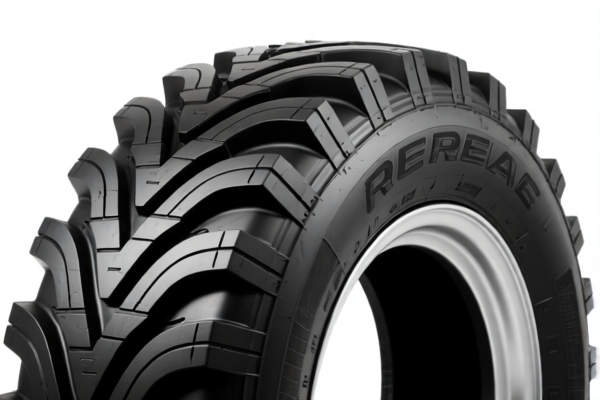
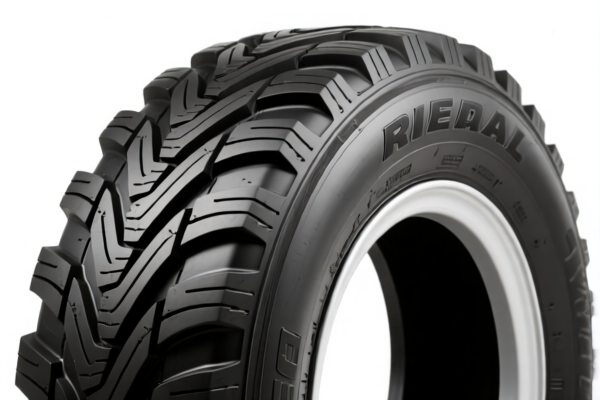
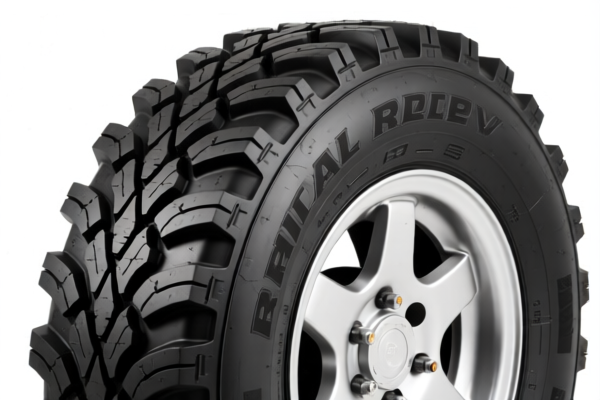
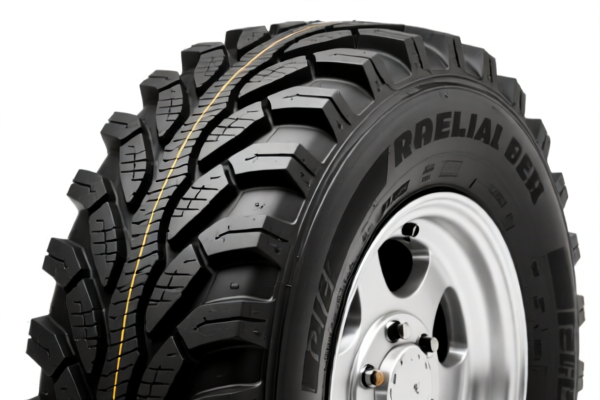
AI Analysis
🚛 Heavy Duty Rubber Radial Tires
🌐 HS Code Reference & Customs Clearance Guide | 2026 Latest Tariff Analysis | Professional Clearance Strategy
📌 1. Product Definition & Classification: What are "Heavy Duty Rubber Radial Tires"?
"Rubber radial tires heavy duty" refers to pneumatic tires made of rubber, constructed with radial ply (where the cord runs perpendicular to the direction of travel), designed for heavy vehicles such as trucks, buses, trailers, and industrial machinery.
Key Classification Logic:
- Material: Rubber (Vulcanized).
- Structure: Radial (Sub-category of Pneumatic Tires).
- Application: Heavy Duty (Trucks/Buses/Industrial).
- Condition: Can be New or Retreaded/Regenerated (Regenerated Rubber).
⚠️ Critical Distinction:
- New Radial Tires: Classified under 4011 (New Pneumatic Tires).
- Retreaded/Regenerated Tires: Classified under 4012 (Retreaded or Used Rubber Tires/Parts).
- The provided data indicates potential confusion or specific scenarios involving regenerated rubber or retreaded components, leading to classification under 4012 as well.
📦 2. HS Code Classification Details (Based on Provided Data)
| HS Code | Product Description | Matching Logic & Summary | Total Tax Rate |
|---|---|---|---|
| 4012.19.40.00 | Retreaded/Regenerated Radial Tires | Match: "Radial tire" matches "Radial"; "Regenerated rubber" matches "Retreaded". Material and form fully comply. | 39.0% |
| 4016.99.60.10 | Other Rubber Articles (Suspected Misclassification/Component) | Match: Material is "regenerated rubber" (vulcanized rubber category); form is "tire" (vulcanized rubber article); inferred as auto mechanical parts. | 37.5% |
| 4012.90.90.00 | Other Retreaded Rubber Articles | Match: Material "regenerated rubber", form "tire". Fits category of "rubber-made" and specific sub-items like tread/rim profiles. | 37.7% |
| 4011.10.10.10 | New Radial Tires for Motor Vehicles | Match: "Rubber tire" fits material; "Radial" fits construction type; "SUV" confirms passenger/heavy vehicle use. Consistent with radial tire classification. | 39.0% |
| 4011.10.10.20 | New Radial Tires for Passenger Vehicles | Match: Material rubber, form tire (pneumatic), use "SUV" (passenger vehicle category). No material/form conflict. | 39.0% |
🔍 Key Insight:
- The data suggests a mix of New Tires (4011) and Retreaded/Regenerated Tires (4012).
- If the product is new, it falls under 4011.
- If the product is retreaded or made from regenerated rubber for tire parts, it falls under 4012.
- 4016.99.60.10 is a riskier classification, implying the item might be viewed as a "rubber article" rather than a complete tire, potentially due to incomplete structure or specific material composition.
💰 3. 2026 Latest Tariff Rate Breakdown (USA Import from China)
✅ Applicable Country: United States (US)
✅ Country of Origin: China (CN)
✅ Effective Date: Post-2025 (Including Section 301 & IEEPA tariffs)
🎯 1. 4011.10.10.10 / 4011.10.10.20 – New Radial Tires
| Item | Details |
|---|---|
| Base Tariff | 4.0% |
| Section 301 Additional Tariff | +25.0% |
| IEEPA Section 122 Tariff | +10.0% |
| Total Effective Rate | 39.0% |
| Calculation | CIF Value × 39.0% |
| De Minimis Exemption? | ❌ No (Highly restricted for tires) |
| Legal Basis | USITC:4011.10.10.10 → Footnote:301 → IEEPA:122 |
📌 Explanation:
- Base 4%: Standard MFN rate for new pneumatic tires.
- 25% Section 301: Trump-era/Biden-continued tariff on Chinese tires.
- 10% IEEPA 122: Additional sanction tariff on specific Chinese goods.
- Total 39%: Significantly impacts profit margins.
🎯 2. 4012.19.40.00 – Retreaded/Regenerated Radial Tires
| Item | Details |
|---|---|
| Base Tariff | 4.0% |
| Section 301 Additional Tariff | +25.0% |
| IEEPA Section 122 Tariff | +10.0% |
| Total Effective Rate | 39.0% |
| Calculation | CIF Value × 39.0% |
| De Minimis Exemption? | ❌ No |
| Legal Basis | USITC:4012.19.40.00 → Footnote:301 → IEEPA:122 |
📌 Explanation:
- Retreaded tires are often subject to similar high tariffs as new tires due to trade protection policies.
- Note: Some jurisdictions allow retreads at lower rates, but US imports from China face the full 39%.
🎯 3. 4012.90.90.00 – Other Retreaded Rubber Articles
| Item | Details |
|---|---|
| Base Tariff | 2.7% |
| Section 301 Additional Tariff | +25.0% |
| IEEPA Section 122 Tariff | +10.0% |
| Total Effective Rate | 37.7% |
| Calculation | CIF Value × 37.7% |
📌 Explanation:
- Slightly lower base rate (2.7%) than new tires or specific retreaded tires (4.0%).
- Still subject to the full 35% additional tariffs.
🎯 4. 4016.99.60.10 – Other Rubber Articles (Vulcanized)
| Item | Details |
|---|---|
| Base Tariff | 2.5% |
| Section 301 Additional Tariff | +25.0% |
| IEEPA Section 122 Tariff | +10.0% |
| Total Effective Rate | 37.5% |
| Calculation | CIF Value × 37.5% |
📌 Warning:
- This classification is risky. If the product is a complete tire, customs may reclassify it to 4011 or 4012, leading to back taxes and penalties.
- Only use if the item is not a complete tire (e.g., rubber tread blocks, unfinished tire components).
🛠️ 4. Customs Clearance Practical Advice (Real-World Pitfall Guide)
✅ 1. Documentation Checklist (Mandatory)
| Document | Required? | Notes |
|---|---|---|
| ✅ Commercial Invoice | ✔️ | Must clearly state "Radial Tire", "Heavy Duty", "Retreaded/New". |
| ✅ Packing List | ✔️ | List tire size, ply, quantity per carton. |
| ✅ Certificate of Origin (CO) | ✔️ | Essential for determining Section 301 applicability. |
| ✅ Product Specifications | ✔️ | Include diameter, width, load index, speed rating. |
| ✅ Retreading Certificate | ✔️ | If classified under 4012, prove it is retreaded (not new). |
| ✅ Labeling Compliance | ✔️ | US DOT standards require UTQG, DOT code, size, load rating on sidewall. |
✅ 2. Declaration Tips (Key Mantra)
🔥 "True Product, True Code, True Tax! Misclassification = Back Taxes + Fines!"
| Scenario | Correct Declaration | Wrong Declaration | Consequence |
|---|---|---|---|
| New Radial Tires | 4011.10.10.xx |
4012.xx.xx (Retreaded) |
Underpayment → Penalties |
| Retreaded Tires | 4012.19.40.00 |
4011.xx.xx (New) |
Overpayment or Misdeclaration |
| Incomplete Tires/Parts | 4016.99.60.10 |
4011.xx.xx |
Rejection → Customs review delay |
| SUV Tires (Passenger) | 4011.10.10.20 |
4011.10.10.10 (Truck) |
Minor discrepancy but avoid |
📌 Note:
- 4011.10.10.10 is for Truck/Bus radial tires.
- 4011.10.10.20 is for Passenger/SUV radial tires.
- Using the wrong sub-code can trigger audits.
✅ 3. Special Cases
| Case | Handling Advice |
|---|---|
| OEM Tires | Provide OEM contract and brand authorization. |
| Private Label | Must declare correct manufacturer and country of origin. |
| Damaged/Used Tires | Do NOT import used tires into the US for resale (Federal law prohibits). Only retreaded are allowed under 4012. |
| Mixed Shipment | If new and retreaded tires are mixed, separate entries are required. |
🌍 5. Global Market Comparison (2026 Latest)
| Country/Region | Recommended HS Code | Tariff Rate (China Origin) | Certification | Notes |
|---|---|---|---|---|
| 🇺🇸 USA | 4011.10.10.xx / 4012.19.40.00 |
37.5% - 39.0% | DOT, EPA (if applicable) | Highest tariffs due to Section 301 & IEEPA. |
| 🇨🇳 China | 4011.10.10.xx |
5% - 10% | CCC | Low import duty for inbound to China. |
| 🇪🇺 EU | 4011.xx |
0% - 15% | E-mark, R117 | No Section 301, but anti-dumping duties may apply for certain Chinese tires. |
| 🇬🇧 UK | 4011.xx |
0% - 15% | UKCA | Post-Brexit rules apply. |
| 🇦🇺 Australia | 4011.xx |
5% | SAA | Low tariffs, no major sanctions. |
📌 Conclusion:
- USA is the most expensive market for Chinese rubber tires.
- Tariff Burden: 39% total tax significantly reduces competitiveness.
- Strategy: Consider transshipment (not illegal if substantial transformation occurs) or local assembly in third countries (e.g., Vietnam, Mexico) to avoid US tariffs.
📌 6. Common Mistakes & Pitfall Guide (Lessons Learned)
❌ Mistake 1: Declaring Retreaded Tires as New Tires
👉 Consequence: Fraud alert, seizure, fines. Retreads have different environmental and safety regulations.
❌ Mistake 2: Using 4016.99 for Complete Tires
👉 Consequence: Customs will reclassify to 4011/4012, assess 39% tax, and charge penalties for misdeclaration.
❌ Mistake 3: Ignoring IEEPA Section 122
👉 Consequence: Underpayment of 10% tariff → Back taxes + interest.
❌ Mistake 4: Confusing Radial vs. Bias Tires
👉 Consequence: Radial tires are classified under 4011.10, Bias under 4011.20. Different base rates and tariff implications.
✅ Correct Approach:
"Radial Tires, Heavy Duty, New, Size 295/75R22.5, DOT Certified, Made in China"
HS Code:4011.10.10.10
Tax: 39%
🎯 7. Conclusion: Professional Clearance, Cost Control, Efficiency
🎯 Remember:
🔹 "New Tires = 4011, Retreads = 4012. China Origin = 39% Tax."
🔹 "Accurate HS Code saves money; Wrong Code costs fines."
📌 Tips:
- If you are importing to the USA, consider Section 301 Exclusions (if applicable) or Bonded Warehousing.
- Retreaded Tires have a growing market in the US due to cost savings, but ensure strict compliance with FMVSS No. 571.
- Always verify the latest HTSUS updates before shipment.
📣 Immediate Action:
📞 Consult a licensed customs broker.
📦 Ensure DOT labeling is compliant.
🚀 Clearance made easy, profits maximized!
✨ Professional clearance starts with accurate classification!
💼 Every cent of tax saved is pure profit!
Customer Reviews
About HS Code Classification
The Harmonized System (HS) is an internationally standardized nomenclature developed by the World Customs Organization (WCO) to classify traded products. Over 200 countries use the HS system as the basis for customs tariffs, trade statistics, and import/export regulations.
Each HS code follows a hierarchical structure:
- Chapter (2 digits) — Broad category of goods (e.g., Chapter 84: Machinery and Mechanical Appliances)
- Heading (4 digits) — More specific grouping within the chapter
- Subheading (6 digits) — Internationally standardized breakdown, used by all WCO member countries
- National subdivisions (8-10 digits) — Country-specific extensions for further classification, such as US HTSUS 10-digit codes
Correct HS code classification is essential for smooth customs clearance, accurate duty payment, and compliance with trade regulations. Misclassification can lead to customs delays, overpayment of duties, or penalties.
When importing from CN to US, the applicable tariff rates may include:
- Most-Favored-Nation (MFN) rate — The standard duty rate applied to WTO members
- General rate — Applied to countries without trade agreements
- Trade remedy duties — Additional tariffs such as Section 301 (anti-dumping), Section 232 (national security), or countervailing duties
The information provided on this page is for reference purposes only. For official classification, please consult with your local customs authority or a licensed customs broker.