Rubber Rain Boot Covers
CN → US| HS Code | Tariff Rate | Origin | Destination | Doc |
|---|---|---|---|---|
| 4016990500 | 20.9% | CN | US | Official Doc |
| 4016996050 | 37.5% | CN | US | Official Doc |
| 6402911000 | 47.5% | CN | US | Official Doc |
| 6402915020 | 47.5% | CN | US | Official Doc |
| 6402911000 | 47.5% | CN | US | Official Doc |
Product Images
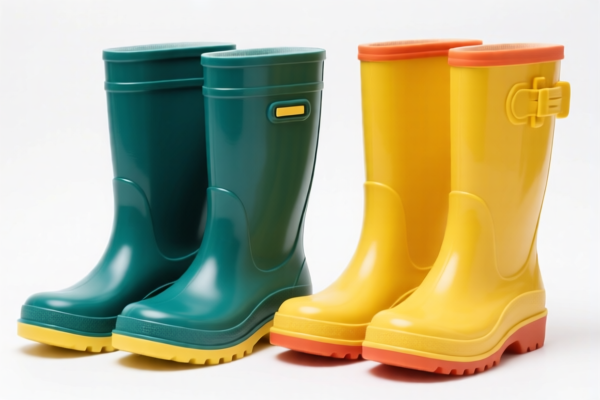
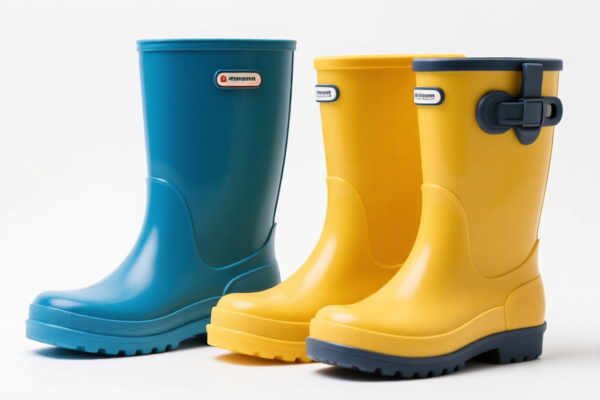
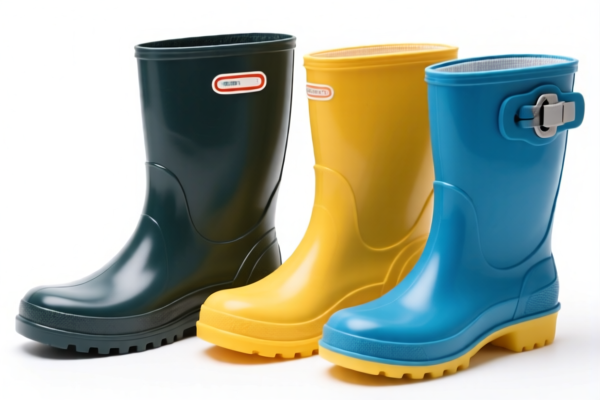
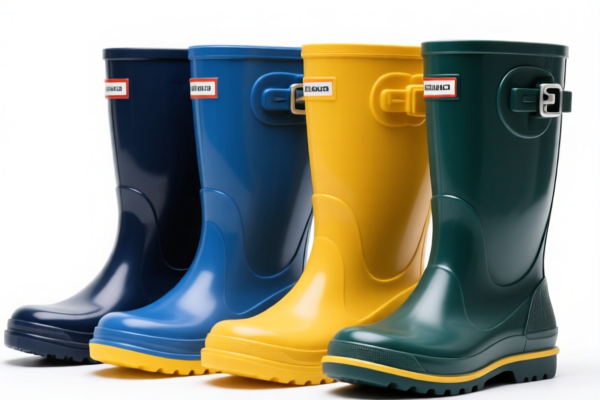
AI Analysis
🥾 Rubber Rain Boot Covers (Shoe Protectors)
🌐 HS Code Reference & Customs Clearance Guide | 2026 Latest Tariff Analysis | Professional Clearance Strategy
📌 I. Product Definition & Classification: Do You Really Understand "Rain Boot Covers"?
Rubber rain boot covers are protective gear designed to be worn over regular shoes to protect against water, mud, oil, and other elements. In international trade, their classification depends heavily on material composition, form factor, and intended use. They can be classified as:
1. Rubber Accessories/Parts: If made purely of rubber and intended as general household or personal protection items, they may fall under general rubber articles.
2. Rubber Footwear (Boots/Shoes): If the product is structured like a boot (covering the ankle) or specifically designed as a shoe cover for waterproofing, it may be classified under footwear chapters (Chapter 64).
⚠️ Key Classification Point:
- If it is a simple over-shoe cover (slip-on, no heel structure, purely for protection) → Likely HS 6402.91 (Footwear covers) or HS 4016.99 (Other rubber articles).
- If it resembles a boot (covers ankle, structured) → Likely HS 6402.91 (Rubber boots).
- Crucial Distinction: The duty rate varies significantly from 20.9% to 47.5% depending on whether it is deemed a "household item," a "non-vehicular rubber article," or "footwear."
📦 II. HS Code Classification Details (2026 Latest Tariff Authority Mapping)
| HS Code | Product Description | Application Scenario | Duty Rate (Total) | Tax Breakdown |
|---|---|---|---|---|
4016.99.05.00 |
Rubber rain boot covers; Material: Rubber; Use: Household/Personal Protective Equipment; Classified as other unlisted household items. | General protective covers, casual use, low structural complexity. | 20.9% | Base Tariff: 3.4% Additional (301): 7.5% Section 122: 10% |
4016.99.60.50 |
Rubber rain boot covers; Material: Vulcanized rubber; Form: Boot cover; Classified as other vulcanized rubber articles for non-vehicular use. | Vulcanized rubber products, durable protective gear, not classified as footwear. | 37.5% | Base Tariff: 2.5% Additional (301): 25.0% Section 122: 10% |
6402.91.10.00 |
Rubber rain boot covers; Material: Rubber; Form fits footwear category; Use: Waterproof/Weather-protective footwear extension. | Rubber boots or covers that mimic boot structure (ankle coverage). | 47.5% | Base Tariff: 37.5% Additional (301): 0.0% Section 122: 10% |
6402.91.50.20 |
Rubber rain boot covers; Material: Rubber; Designed to be worn over other shoes to prevent water/oil damage; Classified as other shoe covers. | Slip-on shoe protectors, disposable or semi-disposable covers, thin rubber. | 47.5% | Base Tariff: 37.5% Additional (301): 0.0% Section 122: 10% |
6402.91.10.00 |
Rubber rain boots; Material: Rubber; Form: Boot covering ankle; Use: Waterproof protection; Consistent with classification explanation. | Structured rubber boots (even if marketed as "covers" if they cover the ankle). | 47.5% | Base Tariff: 37.5% Additional (301): 0.0% Section 122: 10% |
🔍 Key Reminder:
- Lowest Duty (20.9%): Applies only if classified as a general rubber household item (4016.99.05.00).
- Highest Duty (47.5%): Applies if classified as footwear or shoe covers (6402.91.xx.xx).
- Mid Range (37.5%): Applies to vulcanized rubber articles not classified as footwear (4016.99.60.50).
- Section 122 (10%) applies to all categories listed above for Chinese-origin goods.
💰 III. 2026 Latest Tariff Rate Breakdown (Including Additional Taxes & Policy Surcharges)
✅ Applicable Country: United States (US)
✅ Origin: China (CN)
✅ Effective Date: 2025-11-10 onwards (including subsequent imports)
🎯 1. 4016.99.05.00 —— Rubber Rain Boot Covers (Household/Personal Use)
| Item | Details |
|---|---|
| Base Tariff | 3.4% (ad valorem) |
| Section 301 Additional Tariff | +7.5% |
| Section 122 Tariff | +10% |
| Total Effective Rate | 20.9% |
| Tax Calculation | CIF Value × 20.9% |
| De Minimis Exemption | ❌ Not Eligible (Deny De Minimis) |
| Legal Basis Path | Section 122 → USITC:4016.99.05.00 → Section 301: List 3/4 |
📌 Explanation:
- This is the most favorable rate among the options.
- Classification relies on proving the item is a "household item" or "general protective accessory" rather than footwear.
- The 7.5% Section 301 rate is lower than the 25% rate applied to other rubber categories.
🎯 2. 4016.99.60.50 —— Rubber Rain Boot Covers (Vulcanized Rubber, Non-Vehicular)
| Item | Details |
|---|---|
| Base Tariff | 2.5% |
| Section 301 Additional Tariff | +25.0% |
| Section 122 Tariff | +10% |
| Total Effective Rate | 37.5% |
| Tax Calculation | CIF Value × 37.5% |
| De Minimis Exemption | ❌ Not Eligible |
| Legal Basis Path | Section 122 → USITC:4016.99.60.50 → Section 301: List 4 |
📌 Note:
- This category targets vulcanized rubber articles that are not footwear.
- The 25% Section 301 tariff is significantly higher than the 7.5% in the previous category.
- Use this only if the product is clearly a durable rubber accessory but doesn't fit the "household item" definition precisely.
🎯 3 & 4. 6402.91.10.00 & 6402.91.50.20 —— Rubber Boots / Shoe Covers (Footwear Category)
| Item | Details |
|---|---|
| Base Tariff | 37.5% |
| Section 301 Additional Tariff | 0.0% |
| Section 122 Tariff | +10% |
| Total Effective Rate | 47.5% |
| Tax Calculation | CIF Value × 47.5% |
| De Minimis Exemption | ❌ Not Eligible |
| Legal Basis Path | Section 122 → USITC:6402.91.xx.xx → No Section 301 Surcharge |
📌 Caution:
- Although the Section 301 tariff is 0%, the base tariff is very high (37.5%).
- This classification applies if the product is deemed footwear (boots or shoe covers).
- Total duty (47.5%) is the highest among all options.
- Even without Section 301, the high base rate makes this the most expensive option for importers.
🛠️ IV. Customs Clearance Practical Advice (Battle-Tested Pitfall Avoidance Guide)
✅ 1. Required Documentation Checklist (Non-Negotiable)
| Document | Mandatory | Description |
|---|---|---|
| ✅ Product Specification Sheet | ✔️ | Material composition (e.g., natural rubber, synthetic, vulcanized), thickness, design type. |
| ✅ Product Photos | ✔️ | Clear images showing if it covers only the toe/foot or extends up the ankle (critical for HS classification). |
| ✅ Commercial Invoice | ✔️ | Description must match HS Code precisely (e.g., "Rubber Shoe Cover" vs. "Rubber Boot"). |
| ✅ Packing List | ✔️ | Weight and quantity details. |
| ✅ Material Safety Data Sheet (MSDS) | ✔️ | If applicable, to confirm rubber composition. |
✅ 2. Declaration Tips (Key Mantra)
🔥 “Classify by Form, Not Just Name: Low Base, High Section 301? High Base, Low Section 301? Think Twice!”
| Scenario | Correct Declaration | Wrong Action |
|---|---|---|
| Simple slip-on covers, household use | 4016.99.05.00 |
Declare as "Boots" → 47.5% |
| Structured rubber boots (ankle coverage) | 6402.91.10.00 |
Declare as "Household Item" → Risk of audit/penalty |
| Durable vulcanized rubber gear | 4016.99.60.50 |
Declare as "Shoe Cover" → Higher Section 301 |
| Thin, disposable shoe protectors | 6402.91.50.20 |
Declare as "Rubber Part" → Misclassification risk |
✅ 3. Special Situation Handling
| Situation | Handling Advice |
|---|---|
| OEM Custom Covers | Provide design drawings showing lack of heel structure to support 4016.99 classification. |
| Multi-Use Products | If used for both industrial and home, highlight the primary use in the description. |
| Material Ambiguity | If unsure if it's "vulcanized," request a lab test to confirm. Vulcanized status may push it to 4016.99.60.50. |
| High-Value Shipments | Given the 47.5% rate, consider Advance Ruling to lock in classification before shipment. |
🌍 V. Global Major Market Clearance Comparison (2026 Latest)
| Country/Region | Recommended HS Code | Duty Rate | Certification Requirements | Notes |
|---|---|---|---|---|
| 🇺🇸 USA | 4016.99.05.00 |
20.9% | None specific | Lowest duty if classified correctly. |
| 🇨🇳 China | 4016.99.05.00 |
~2.5-3.4% | CCC (if applicable) | Lower base rates; Section 122/301 do not apply. |
| 🇪🇺 EU | 4016.99.00 |
~0-3% | REACH, CE | No Section 122/301 equivalent. |
| 🇬🇧 UK | 4016.99.00 |
~0-3% | UKCA | Post-Brexit rules may vary slightly. |
📌 Conclusion:
- USA is the most complex market due to Section 122 and Section 301 tariffs.
- Correct classification is critical to save up to 26.6% in duty (47.5% vs 20.9%).
- Chinese-origin goods face significant additional tariffs in the US, regardless of HS Code.
📌 VI. Common Errors & Pitfall Guide (Lessons from Tears)
❌ Error 1: Declaring structured ankle-covering "boots" as "shoe covers" (4016.99)
👉 Consequence: Customs may reclassify to 6402.91 → Back taxes + penalties + 47.5% duty.
❌ Error 2: Declaring simple rubber covers as "footwear" (6402.91)
👉 Consequence: Unnecessarily high base tariff (37.5%) when 20.9% was available → Lost profit margin.
❌ Error 3: Ignoring Section 122 (10%)
👉 Consequence: Under-declaration of duties → Fines and delays.
❌ Error 4: Vague description "Rubber Items"
👉 Consequence: Customs officer discretion → Likely highest duty category.
✅ Correct Approach:
"Rubber Over-Shoe Protector, Slip-On Design, Non-Structured, For Household Use, Model XYZ, Material: Synthetic Rubber"
🎯 VII. Conclusion: Professional Declaration, Save Time, Reduce Costs!
🎯 Remember the Mantra:
🔹 "Form Defines HS: Boot = 47.5%, Cover = 20.9%, Vulcanized = 37.5%.
🔹 "Base Rate vs. Surcharge: 37.5% Base (0% 301) vs 2.5% Base (25% 301).
🔹 "Section 122 is Always 10%: Don't Forget It!"
📌 Pro Tip:
If your rubber boot covers are originating from Vietnam, Mexico, or Thailand, you may be eligible for Section 122/301 exemptions or lower rates.
Recommend applying for an Advance Ruling before shipping to avoid clearance risks.
📣 Take Action Now:
📞 Contact a professional customs broker + Provide product photos + Request HS Code Advance Ruling
🚀 Let your rubber boot covers clear smoothly, export efficiently, and maximize profits!
✨ Professional Clearance Starts with Accurate Classification!
💼 Every penny of cost is worth calculating precisely!
Customer Reviews
About HS Code Classification
The Harmonized System (HS) is an internationally standardized nomenclature developed by the World Customs Organization (WCO) to classify traded products. Over 200 countries use the HS system as the basis for customs tariffs, trade statistics, and import/export regulations.
Each HS code follows a hierarchical structure:
- Chapter (2 digits) — Broad category of goods (e.g., Chapter 84: Machinery and Mechanical Appliances)
- Heading (4 digits) — More specific grouping within the chapter
- Subheading (6 digits) — Internationally standardized breakdown, used by all WCO member countries
- National subdivisions (8-10 digits) — Country-specific extensions for further classification, such as US HTSUS 10-digit codes
Correct HS code classification is essential for smooth customs clearance, accurate duty payment, and compliance with trade regulations. Misclassification can lead to customs delays, overpayment of duties, or penalties.
When importing from CN to US, the applicable tariff rates may include:
- Most-Favored-Nation (MFN) rate — The standard duty rate applied to WTO members
- General rate — Applied to countries without trade agreements
- Trade remedy duties — Additional tariffs such as Section 301 (anti-dumping), Section 232 (national security), or countervailing duties
The information provided on this page is for reference purposes only. For official classification, please consult with your local customs authority or a licensed customs broker.