Rubber Rain and Windproof Gloves
CN → US| HS Code | Tariff Rate | Origin | Destination | Doc |
|---|---|---|---|---|
| 6216000800 | 18.3% | CN | US | Official Doc |
| 6216002600 | 24.5% | CN | US | Official Doc |
| 6116109500 | 24.5% | CN | US | Official Doc |
| 3926204050 | 16.5% | CN | US | Official Doc |
| 4015191150 | 38.0% | CN | US | Official Doc |
Product Images
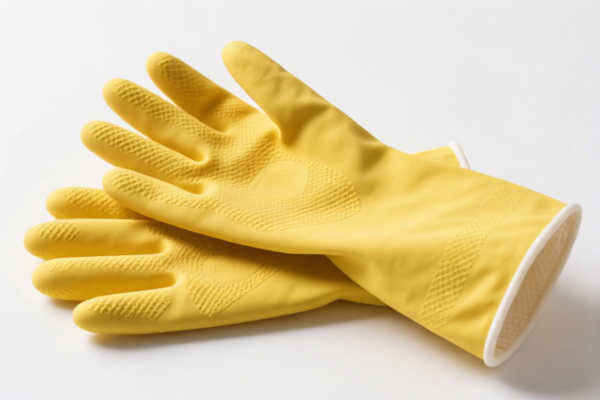
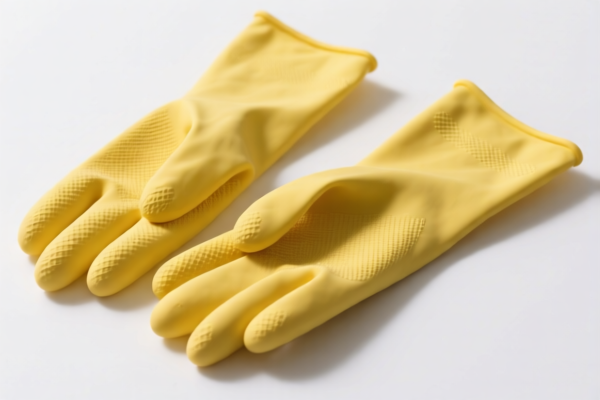
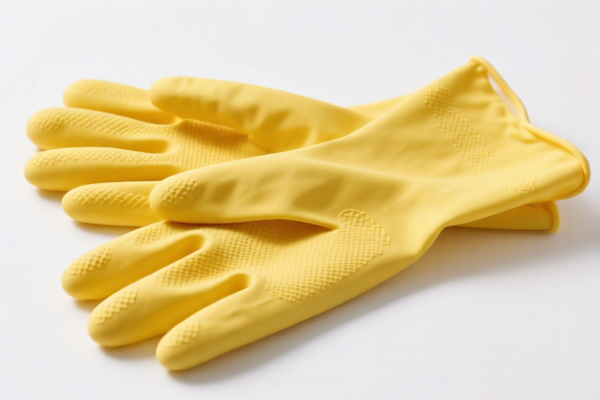
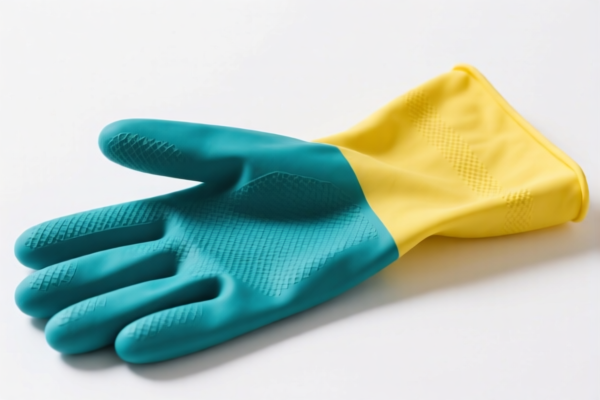
AI Analysis
🧤 Rubber Rain and Windproof Gloves (Protective Handwear)
🌐 HS Code Reference & Clearance Guide | 2026 Latest Tariff Analysis | Professional Clearance Strategy
📌 I. Product Definition and Classification: Do You Really Understand "Rubber Gloves"?
Rubber rain and windproof gloves are protective handwear designed to shield hands from cold, wind, rain, and minor mechanical hazards. In international trade, they are often misunderstood as simple "gloves," but their material composition and manufacturing process dictate their HS Code classification.
Key Distinction Logic: * Textile Base with Rubber/Plastic Impregnation/Covering: If the glove has a fabric (knitted/woven) base that is coated or impregnated with rubber/plastic → Chapter 61 or 62. * Pure Rubber/Plastic (Molded/Extruded): If the glove is entirely made of vulcanized rubber or plastic, without a textile support → Chapter 40 (Rubber) or Chapter 39 (Plastics).
⚠️ Critical Classification Point:
- If it is a fabric glove coated with rubber (common for "windproof/rainproof" work gloves) → Falls under 6116 or 6216.
- If it is a solid rubber glove (like farming or heavy industrial gloves) → Falls under 4015 or 3926.
📦 II. HS Code Classification Details (2026 Latest Tariff Authority Comparison)
Based on the provided data, here are the 5 possible classifications for "Rubber Rain and Windproof Gloves":
| HS Code | Product Description & Logic | Applicable Scenario | Material Structure |
|---|---|---|---|
6216.00.08.00 |
Windproof Gloves, matching use/form; inferred to have rubber/plastic impregnation, coating, or covering. | Light duty, windproof outer layer with coating. | Textile base + Rubber/Plastic Coating |
6216.00.26.00 |
Windproof Gloves, matching form/use; inferred to contain rubber/plastic impregnation or coating, fits "Other" category. | General purpose windproof/rainproof. | Textile base + Rubber/Plastic Coating |
6116.10.95.00 |
Rubber Agricultural Gloves, material is rubber, form is knitted/钩编 (crocheted/knitted), fits plastic/rubber sub-category. | Knitted fabric gloves dipped in latex/rubber. | Knitted Textile + Rubber Dip |
3926.20.40.50 |
Rubber Agricultural Gloves, material is rubber, but logic aligns with plastic goods classification; no material conflict. | Plastic/rubber composite gloves for farming. | Plastic/Rubber Composite |
4015.19.11.50 |
Rubber Agricultural Gloves, material is vulcanized rubber, form is gloves, fits "Vulcanized Rubber Apparel/Accessories". | Solid rubber gloves (e.g., dishwashing, heavy farming). | 100% Vulcanized Rubber |
🔍 Key Reminder:
- Chapter 61/62: Applies if the glove has a textile structure (knitted/woven) that is merely coated or impregnated. This is the most common for "windproof" gloves.
- Chapter 40/39: Applies if the glove is solid rubber/plastic (no textile mesh visible). This is common for "agricultural" or "heavy-duty" rubber gloves.
💰 III. 2026 Latest Tariff Rate Details (Including Surcharges, Policy Add-ons)
✅ Applicable Country: United States (US)
✅ Origin: China (CN)
✅ Effective Date: 2025 November 10 onwards (including subsequent imports)
🎯 1. 6216.00.08.00 —— Windproof Gloves (Light Coating)
| Item | Content |
|---|---|
| Base Tariff | 0.8% (ad valorem) |
| Section 301 Surcharge | +7.5% |
| Section 122 Tariff | +10% |
| Total Rate | 18.3% |
| Tax Calculation | CIF Value × 18.3% |
| De Minimis Eligibility | ❌ Not Eligible (High tariff rate prevents 80USD exemption) |
| Legal Basis Path | USITC:6216.00.08.00 → Section 301: 7.5% → Section 122: 10% |
📌 Explanation:
- This is the lowest tariff option among the listed codes.
- Suitable for gloves where the rubber/plastic coating is thin and the textile nature is dominant.
🎯 2. 6216.00.26.00 —— Windproof Gloves (Other Coated Types)
| Item | Content |
|---|---|
| Base Tariff | 7.0% |
| Section 301 Surcharge | +7.5% |
| Section 122 Tariff | +10% |
| Total Rate | 24.5% |
| Tax Calculation | CIF Value × 24.5% |
| De Minimis Eligibility | ❌ Not Eligible |
| Legal Basis Path | USITC:6216.00.26.00 → Section 301: 7.5% → Section 122: 10% |
📌 Note:
- Higher base tariff (7.0%) than6216.00.08.00.
- Used for windproof gloves that do not fit the specific "08" sub-category, likely due to different coating thickness or fabric type.
🎯 3. 6116.10.95.00 —— Knitted Rubber Gloves
| Item | Content |
|---|---|
| Base Tariff | 7.0% |
| Section 301 Surcharge | +7.5% |
| Section 122 Tariff | +10% |
| Total Rate | 24.5% |
| Tax Calculation | CIF Value × 24.5% |
| De Minimis Eligibility | ❌ Not Eligible |
| Legal Basis Path | USITC:6116.10.95.00 → Section 301: 7.5% → Section 122: 10% |
📌 Note:
- Knitted gloves (Chapter 61) generally attract higher base tariffs than woven/coated gloves (Chapter 62).
- If your glove is knitted with a rubber dip, this is the likely code.
🎯 4. 3926.20.40.50 —— Plastic/Rubber Composite Gloves
| Item | Content |
|---|---|
| Base Tariff | 6.5% |
| Section 301 Surcharge | 0.0% |
| Section 122 Tariff | +10% |
| Total Rate | 16.5% |
| Tax Calculation | CIF Value × 16.5% |
| De Minimis Eligibility | ❌ Not Eligible |
| Legal Basis Path | USITC:3926.20.40.50 → Section 122: 10% |
📌 Highlight:
- THIS IS THE LOWEST TARIFF OPTION (16.5%)!
- It avoids the Section 301 (7.5%) surcharge entirely.
- Applies if the glove is classified under Plastics (Chapter 39) rather than Rubber or Textiles.
- Strategy: If your glove is made of PVC, TPR, or plastic-rubber blends without textile backing, try to argue for this classification to save 1.8% vs6216.00.08.00and 8% vs6216.00.26.00.
🎯 5. 4015.19.11.50 —— Vulcanized Rubber Gloves
| Item | Content |
|---|---|
| Base Tariff | 3.0% |
| Section 301 Surcharge | +25.0% |
| Section 122 Tariff | +10% |
| Total Rate | 38.0% |
| Tax Calculation | CIF Value × 38.0% |
| De Minimis Eligibility | ❌ Not Eligible |
| Legal Basis Path | USITC:4015.19.11.50 → Section 301: 25% → Section 122: 10% |
📌 Warning:
- HIGHEST TARIFF (38.0%).
- Applies to solid vulcanized rubber gloves (e.g., heavy-duty agricultural gloves).
- The 25% Section 301 surcharge is significant. Avoid this code unless the product is strictly solid rubber.
🛠️ IV. Clearance Practical Advice (Battle-Tested Pitfall Guide)
✅ 1. Preparation Checklist (Mandatory)
| Document | Required | Notes |
|---|---|---|
| ✅ Product Spec Sheet | ✔️ | Detail: Material % (Textile vs Rubber/Plastic), Coating Thickness, Knitted/Woven structure. |
| ✅ Material Sample | ✔️ | Provide a small piece to prove if it’s "Textile + Coating" (Ch 61/62) or "Solid Rubber" (Ch 40). |
| ✅ Photos (Clear) | ✔️ | Show texture, inside lining, and any labels. |
| ✅ Commercial Invoice | ✔️ | Description: "Knitted Gloves with Rubber Coating, Windproof" (Not just "Gloves"). |
| ✅ Packing List | ✔️ | Match invoice exactly. |
✅ 2. Declaration Strategy (Key Mantra)
🔥 "Know the Base, Check the Coating, Choose the Chapter, Save the Tax!"
| Scenario | Correct HS Code | Tariff | Why? |
|---|---|---|---|
| Fabric glove with thin rubber coating (Windproof) | 6216.00.08.00 |
18.3% | Best balance of cost and accuracy for coated textiles. |
| PVC/Plastic Glove (No textile) | 3926.20.40.50 |
16.5% | Lowest Tax! Avoids 301 tariffs. Only if NO textile base. |
| Knitted Glove with Latex Dip (Agricultural) | 6116.10.95.00 |
24.5% | High base tariff, but accurate for knitted structure. |
| Solid Rubber Glove (Heavy Duty) | 4015.19.11.50 |
38.0% | Avoid if possible! Highest tax. Only for pure rubber. |
✅ 3. Special Handling Tips
| Situation | Recommendation |
|---|---|
| OEM Custom Gloves | Provide design specs. If it’s "Windproof," emphasize the textile base + coating to target 6216 or 6116. |
| Plastic vs. Rubber | If it’s TPR, PVC, or Thermoplastic, push for Chapter 39 (3926.20.40.50) to get the 16.5% rate. |
| "Windproof" Marketing | Ensure the product is not just "solid rubber." If it’s breathable fabric with a membrane/coating, it’s likely 6216. |
| De Minimis (80USD) | ❌ Do Not Rely on De Minimis. All these codes exceed the threshold or are restricted. Prepare for full customs clearance. |
🌍 V. Global Market Clearance Comparison (2026 Latest)
| Country/Region | Recommended HS Code | Tariff (China Origin) | Certification | Notes |
|---|---|---|---|---|
| 🇺🇸 USA | 3926.20.40.50 |
16.5% (Lowest) | None | Avoid 4015 (38%). Push 3926 if possible. |
| 🇺🇸 USA | 6216.00.08.00 |
18.3% | None | Standard for coated windproof gloves. |
| 🇨🇳 China | 6216.00.08.00 |
~8-10% | No special | No Section 301/122. |
| 🇪🇺 EU | 6116.10.95.00 |
0-4% | CE (if PPE) | Check if classified as PPE (Personal Protective Equipment). |
| 🇬🇧 UK | 6216.00.08.00 |
0% | UKCA | Post-Brexit rules may differ. |
📌 Conclusion:
- USA is the highest-cost market due to Section 301 and Section 122 tariffs.
- Strategy for US Market: If your product is not strictly "Knitted" or "Woven Textile," try to classify under Plastics (3926) to save 1.8% - 8% in tariffs.
📌 VI. Common Mistakes & Pitfalls (Blood & Tears Lessons)
❌ Mistake 1: Classifying Solid Rubber Gloves as 6216 (Coated Textiles).
👉 Consequence: Customs will reclassify to 4015 → 38% Tariff instead of 18.3%. Huge Penalty Risk.
❌ Mistake 2: Calling it "Windproof Gloves" but submitting it as Plastic (3926) when it has a visible knitted inner layer.
👉 Consequence: Customs rejects due to material mismatch. Delay/Return.
❌ Mistake 3: Ignoring Section 122.
👉 Consequence: Even if Base Tariff is low, Section 122 adds 10%. Always include 10% in Landed Cost.
✅ Correct Approach:
"Windproof Gloves, Knitted Polyester Base with PVC Coating, Size M-XL"
→ Target6216.00.08.00(18.3%) or6116.10.95.00(24.5%) based on exact knit vs weave.
OR
"TPR Garden Gloves, Non-Textile Base"
→ Target3926.20.40.50(16.5%).
🎯 VII. Conclusion: Professional Declaration, Save Costs, Clear Smoothly!
🎯 Remember the Mantra:
🔹 "Textile + Coating = 6216/6116; Solid Rubber = 4015; Plastic = 3926."
🔹 "16.5% (Plastic) vs 38% (Rubber): A 21.5% Difference Can Make or Break Your Margin!"
🔹 "Don't ignore Section 122 (10%) – it’s always there for China."
📌 Pro Tip:
If your gloves are made of TPR (Thermoplastic Rubber) or PVC with no textile fabric, INSIST on 3926.20.40.50 to achieve the 16.5% total rate. This is the most tax-efficient path for US imports.
📣 Immediate Action:
📞 Consult a Customs Broker + Provide Material Sample
🚀 Declare Accurately, Avoid Penalties, Maximize Profit!
✨ Professional Clearance Starts with Precise Classification!
💼 Every Percent of Tariff Saves Counts!
Customer Reviews
About HS Code Classification
The Harmonized System (HS) is an internationally standardized nomenclature developed by the World Customs Organization (WCO) to classify traded products. Over 200 countries use the HS system as the basis for customs tariffs, trade statistics, and import/export regulations.
Each HS code follows a hierarchical structure:
- Chapter (2 digits) — Broad category of goods (e.g., Chapter 84: Machinery and Mechanical Appliances)
- Heading (4 digits) — More specific grouping within the chapter
- Subheading (6 digits) — Internationally standardized breakdown, used by all WCO member countries
- National subdivisions (8-10 digits) — Country-specific extensions for further classification, such as US HTSUS 10-digit codes
Correct HS code classification is essential for smooth customs clearance, accurate duty payment, and compliance with trade regulations. Misclassification can lead to customs delays, overpayment of duties, or penalties.
When importing from CN to US, the applicable tariff rates may include:
- Most-Favored-Nation (MFN) rate — The standard duty rate applied to WTO members
- General rate — Applied to countries without trade agreements
- Trade remedy duties — Additional tariffs such as Section 301 (anti-dumping), Section 232 (national security), or countervailing duties
The information provided on this page is for reference purposes only. For official classification, please consult with your local customs authority or a licensed customs broker.