Rubber Retreaded Tire
CN → US| HS Code | Tariff Rate | Origin | Destination | Doc |
|---|---|---|---|---|
| 4012124035 | 39.0% | CN | US | Official Doc |
| 4012118000 | 38.4% | CN | US | Official Doc |
| 4012198000 | 20.9% | CN | US | Official Doc |
| 8708706060 | 37.5% | CN | US | Official Doc |
| 4013100010 | 38.7% | CN | US | Official Doc |
Product Images
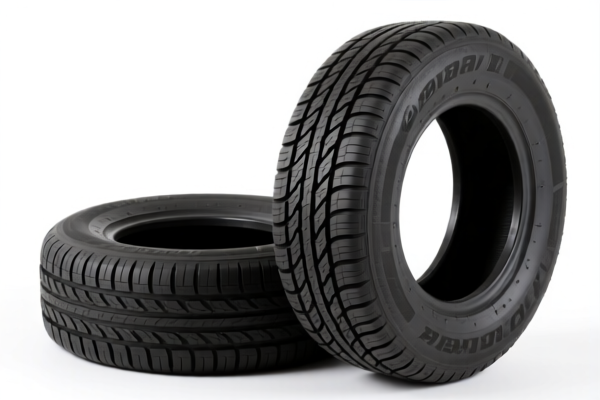
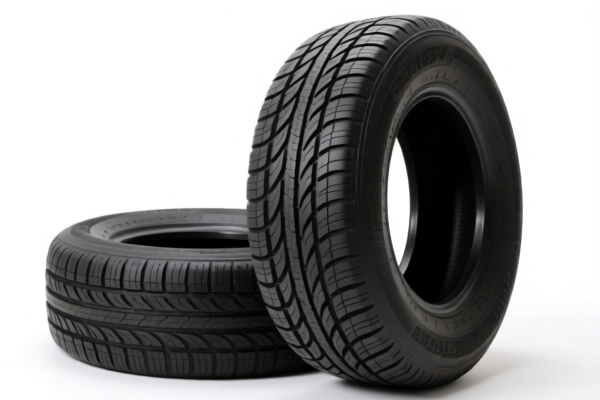
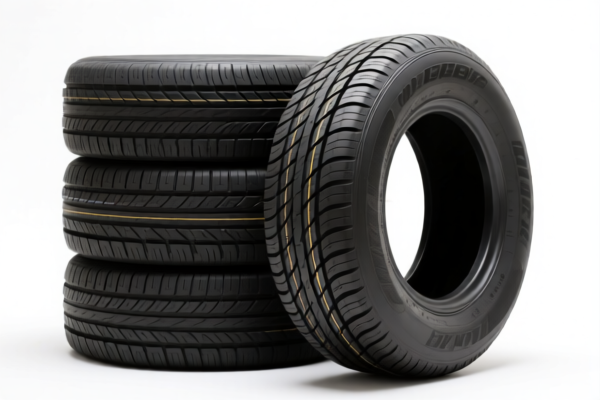
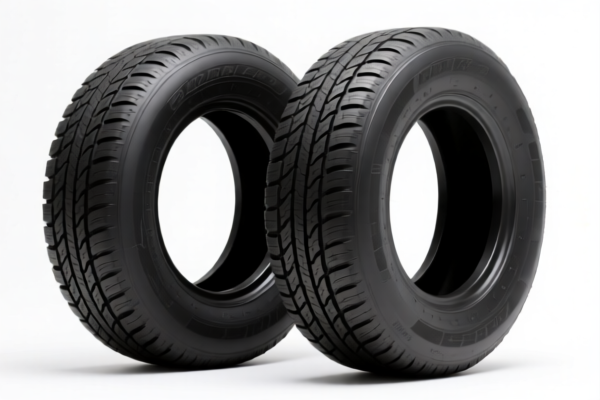
AI Analysis
🛞 Rubber Retreaded Tire (Recapped Tire)
🌐 HS Code Reference & Customs Clearance Guide | 2026 Latest Tariff Analysis | Professional Entry Strategy
📌 I. Product Definition & Classification: Do You Really Know a "Retreaded Tire"?
A Rubber Retreaded Tire is not a "new" tire. It is a used tire carcass that has been restored by replacing the worn tread with new rubber. In international trade, the distinction between a new tire and a retreaded tire is critical because their HS Codes, tax liabilities, and entry requirements differ significantly.
Key Distinction:
- New Tires (4011 series): Manufactured from raw rubber compounds; high base tariffs and heavy punitive taxes.
- Retreaded Tires (4012.19): Second-life products; lower base tariffs but still subject to specific "122 Section" duties and other add-ons.
⚠️ Critical Compliance Point:
- If the product is a new tire (even if packaged loosely), it must be declared under 4011.xx.
- If the product is a retreaded tire (tread replaced on existing carcass), it must be declared under 4012.19.
- Misclassification (e.g., declaring retreaded as new, or vice versa) can lead to severe penalties, seizure, or back taxes.
📦 II. HS Code Classification Details (2026 Latest Tariff Alignment)
Based on the provided data, here are the relevant HS Codes for Rubber Retreaded Tires and related rubber tire products, along with their specific tax breakdowns.
| HS Code | Product Description | Application Scenario | Tax Rate (Total) | Tax Breakdown |
|---|---|---|---|---|
| 4012.19.80.00 | Rubber Retreaded Tires (Exact Match) | Best Fit: Specifically matches "retreaded" morphology and rubber material. | 20.9% | Base: 3.4% Add-on (Sec 301): 7.5% Sec 122 Tariff: 10% |
| 4012.11.80.00 | Other New Pneumatic Tires (Passenger) | Fallback for "New Tires" if retread status is disputed; applies to passenger car tires. | 38.4% | Base: 3.4% Add-on (Sec 301): 25.0% Sec 122 Tariff: 10% |
| 4012.12.40.35 | Other New Pneumatic Tires (Other) | Matches rubber material/tire form but lacks specific use case; categorized under "Other". | 39.0% | Base: 4.0% Add-on (Sec 301): 25.0% Sec 122 Tariff: 10% |
| 8708.70.60.60 | Vehicle Parts & Accessories (Tires) | Declared as a "vehicle part" rather than a rubber good; applies to tires for vehicles. | 37.5% | Base: 2.5% Add-on (Sec 301): 25.0% Sec 122 Tariff: 10% |
| 4013.10.00.10 | Rubber Tubes/Tires (General) | General match for rubber material and tire use; broad category. | 38.7% | Base: 3.7% Add-on (Sec 301): 25.0% Sec 122 Tariff: 10% |
🔍 Key Insight:
- 4012.19.80.00 is the only code that explicitly recognizes the "Retreaded" nature of the product.
- All other codes (4011, 8708, 4013) are either for new tires or generic parts, resulting in significantly higher taxes (37.5%–39.0%) due to the 25% Section 301 add-on.
- Choosing the wrong code can cost you 16–18% more in duties.
💰 III. 2026 Latest Tariff Rate Detailed Breakdown
✅ Applicable Country: United States (US)
✅ Origin: China (CN)
✅ Effective Date: Post-2025 (Including subsequent imports)
🎯 1. 4012.19.80.00 —— Rubber Retreaded Tires (RECOMMENDED)
| Item | Detail |
|---|---|
| Base Tariff | 3.4% (Ad Valorem) |
| Section 301 Add-on | +7.5% (List 4C, specific to retreaded tires) |
| Section 122 Tariff | +10% (Statutory tariff on certain goods) |
| Total Tax Rate | 20.9% |
| Tax Calculation | CIF Value × 20.9% |
| De Minimis Exemption | ❌ Not Eligible (Deny de minimis for tires from China) |
| Legal Basis Path | USITC:4012.19.80.00 → Section 301: List 4C → Section 122: Statutory |
📌 Explanation:
- Why is it cheaper? Retreaded tires are classified under "Retreads" (4012.19), which historically carries lower punitive duties than new tires (4011 series) due to different trade policy treatments.
- Section 301 (7.5%): Unlike new tires (25%), retreaded tires receive a reduced Section 301 rate of 7.5%.
- Section 122 (10%): This is a fixed statutory tariff applied to certain rubber products, including retreads.
- Total 20.9% is the lowest possible rate for this product among the provided options.
🎯 2. 4012.11.80.00 —— Other New Pneumatic Tires (Passenger)
| Item | Detail |
|---|---|
| Base Tariff | 3.4% |
| Section 301 Add-on | +25.0% (Standard high tariff for new tires) |
| Section 122 Tariff | +10% |
| Total Tax Rate | 38.4% |
| Tax Calculation | CIF Value × 38.4% |
| De Minimis Exemption | ❌ Not Eligible |
📌 Warning:
- This code is for NEW tires. If you declare retreaded tires under this code, you will pay 17.5% more in duties than necessary.
- However, if your product is actually new, this is the correct code for passenger car tires.
🎯 3. 8708.70.60.60 —— Vehicle Parts & Accessories
| Item | Detail |
|---|---|
| Base Tariff | 2.5% |
| Section 301 Add-on | +25.0% |
| Section 122 Tariff | +10% |
| Total Tax Rate | 37.5% |
| Tax Calculation | CIF Value × 37.5% |
📌 Note:
- Tires are sometimes declared as "parts" of vehicles. While the base rate is lower (2.5%), the 25% Section 301 tax makes it nearly as expensive as new tires.
- This classification is less precise than4012.19for retreaded goods and may raise customs scrutiny regarding the "primary use" of the item.
🛠️ IV. Customs Clearance Practical Advice (Real-World Pitfall Avoidance)
✅ 1. Documentation Checklist (Non-Negotiable)
| Document | Required? | Explanation |
|---|---|---|
| ✅ Retreading Certificate | ✔️ Critical | Proof that the tire was retreaded (not new). Must include manufacturer details of the retreading plant. |
| ✅ Product Photos | ✔️ | Clear images showing the tread pattern, sidewall markings (e.g., "RETREAD"), and any repair stamps. |
| ✅ Commercial Invoice | ✔️ | Must explicitly state "Rubber Retreaded Tire" (not just "Tire"). |
| ✅ Packing List | ✔️ | Detail the quantity, size, and weight. |
| ✅ Country of Origin | ✔️ | Clearly state China if applicable. |
🔥 Key Tip:
If the customs officer suspects the tire is new but declared as retreaded, they will request the retreading process documentation. Lack of proof leads to reclassification under4011.xx(higher tax) and potential fines.
✅ 2. Declaration Strategy (Golden Rules)
| Scenario | Correct Declaration | Wrong Practice |
|---|---|---|
| Product is Retreaded | 4012.19.80.00 + "Retreaded Tire" |
Declaring as 4011.xx → Pay 38.4% instead of 20.9% |
| Product is New | 4012.11.80.00 + "New Tire" |
Declaring as 4012.19 → Fraud risk, penalties |
| Mixed Shipment | Separate line items for New and Retreaded | Mixing them → Customs delays, full audit |
| Tire Size/Type | Specify "Passenger" or "Truck" | Vague terms like "Rubber Wheel" → Misclassification |
📌 Formula:
"Retreaded = 4012.19 | New = 4011.xx"
Never mix these. The physical appearance (tread wear, sidewall stamps) must match the description.
✅ 3. Special Cases
| Case | Handling Advice |
|---|---|
| OEM Retreads | Provide the original tire manufacturer's certificate + retreading plant license. |
| Re-Treaded vs. Remolded | Ensure distinction: "Retreaded" (new tread layer) vs. "Remolded" (reshaped old tread). Different HS codes may apply. |
| Damaged Tires | If the tire is damaged and cannot be retreaded, it may be classified as "waste" or "used goods" with different duties. |
| High-Profile Truck Tires | Still fall under 4012.19 if retreaded, but ensure correct sub-category if specified. |
🌍 V. Global Market Comparison (2026 Latest)
| Country/Region | Recommended HS Code | Tariff (China Origin) | Certification Requirements | Notes |
|---|---|---|---|---|
| 🇺🇸 USA | 4012.19.80.00 |
20.9% | DOT, ECE (if applicable) | Lowest US rate for retreads; avoid 4011 codes. |
| 🇨🇳 China | 4012.19.80.00 |
~5-10% | CCC (if for new tires, retreads may be exempt) | Domestic trade may have different rules. |
| 🇪🇺 EU | 4012.19 |
0% (Most Favourable) | ECE R108/R109, DOT | No Section 301 or 122 taxes. |
| 🇬🇧 UK | 4012.19 |
0-5% | UKCA, ECE | Post-Brexit rules may vary. |
| 🇦🇺 Australia | 4012.19 |
5% | ADR Compliance | No major punitive tariffs. |
📌 Conclusion:
- The USA is the most complex market due to Section 122 and Section 301 tariffs.
- 4012.19.80.00 is the only viable option for retreaded tires to minimize costs.
- EU/UK/Australia offer much lower tariffs, making retreaded tires more competitive globally.
📌 VI. Common Errors & Pitfall Guide (Lessons Learned)
❌ Error 1: Declaring Retreaded Tires as "New Tires" (4011.xx)
👉 Result: Pay 38.4% instead of 20.9%. Overpayment of 17.5% on every unit.
👉 Fix: Always use 4012.19 for retreads.
❌ Error 2: Vague Description ("Tire")
👉 Result: Customs officer may choose the highest duty rate (4012.12.40.35 at 39.0%) or flag for inspection.
👉 Fix: Explicitly write "Rubber Retreaded Tire, Model XYZ, Size XX/XX".
❌ Error 3: No Retreading Documentation
👉 Result: Customs suspects fraud. Goods held for 30+ days. Audit of entire shipment.
👉 Fix: Include the Retreading Certificate with the shipping documents.
❌ Error 4: Mixing New and Retreaded Tires in One Line Item
👉 Result: Entire shipment may be rejected or taxed at the highest rate.
👉 Fix: Separate line items for new and retreaded tires.
✅ Correct Declaration Example:
"Rubber Retreaded Tires, For Passenger Vehicles, Size 205/55R16, Retreading Manufacturer: ABC Corp, Origin: China, HS Code: 4012.19.80.00"
🎯 VII. Conclusion: Professional Classification Saves Money!
🎯 Remember the Rule:
🔹 "Retreaded = 4012.19 | New = 4011.xx"
🔹 "Section 301: 7.5% for Retreads vs. 25% for New Tires"
🔹 "Section 122: 10% Fixed on Both"
🔹 "Total: 20.9% vs. 38.4%+ — The Difference is Huge!"
📌 Pro Tip:
If you are importing new tires from China, consider transshipping via Vietnam or Mexico to avoid the 25% Section 301 tariff (if eligible).
For retreaded tires, the 7.5% rate is already reduced, so transshipping may not offer significant savings. Focus on accurate documentation to avoid reclassification.
📣 Action Required:
📞 Consult your customs broker for a Pre-Ruling on the "Retreaded" status.
🚀 Ensure your Retreading Certificate is ready for every shipment.
💼 Accurate classification is not just compliance — it's profit protection.
✨ Professional Customs Clearance Starts with Precise Classification!
💼 Every percentage point counts in your logistics budget!
Customer Reviews
About HS Code Classification
The Harmonized System (HS) is an internationally standardized nomenclature developed by the World Customs Organization (WCO) to classify traded products. Over 200 countries use the HS system as the basis for customs tariffs, trade statistics, and import/export regulations.
Each HS code follows a hierarchical structure:
- Chapter (2 digits) — Broad category of goods (e.g., Chapter 84: Machinery and Mechanical Appliances)
- Heading (4 digits) — More specific grouping within the chapter
- Subheading (6 digits) — Internationally standardized breakdown, used by all WCO member countries
- National subdivisions (8-10 digits) — Country-specific extensions for further classification, such as US HTSUS 10-digit codes
Correct HS code classification is essential for smooth customs clearance, accurate duty payment, and compliance with trade regulations. Misclassification can lead to customs delays, overpayment of duties, or penalties.
When importing from CN to US, the applicable tariff rates may include:
- Most-Favored-Nation (MFN) rate — The standard duty rate applied to WTO members
- General rate — Applied to countries without trade agreements
- Trade remedy duties — Additional tariffs such as Section 301 (anti-dumping), Section 232 (national security), or countervailing duties
The information provided on this page is for reference purposes only. For official classification, please consult with your local customs authority or a licensed customs broker.