Rubber Sole
CN → US| HS Code | Tariff Rate | Origin | Destination | Doc |
|---|---|---|---|---|
| 6406200000 | 20.2% | CN | US | Official Doc |
| 6406903030 | 15.3% | CN | US | Official Doc |
| 4016910000 | 37.7% | CN | US | Official Doc |
| 4016991000 | 20.8% | CN | US | Official Doc |
Product Images
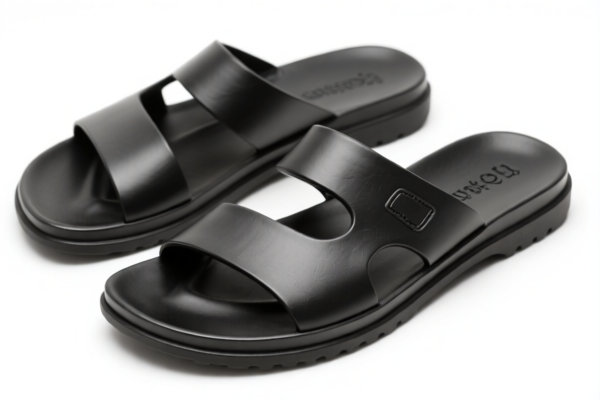
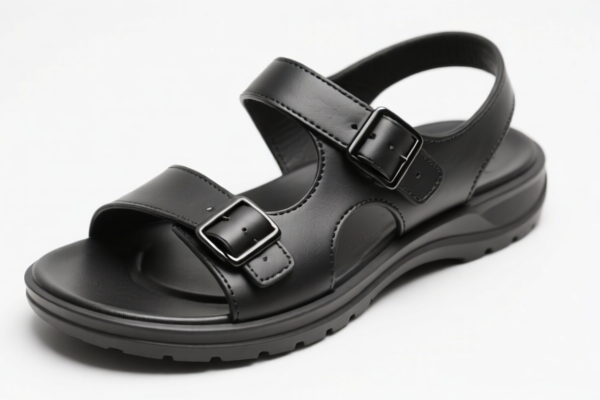
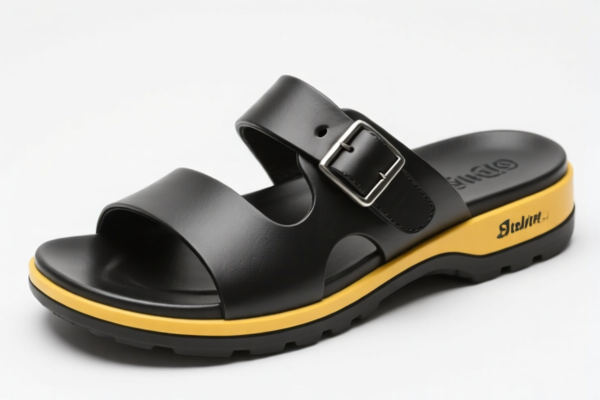
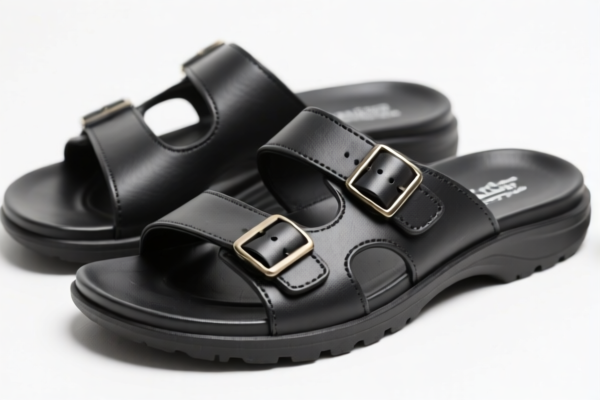
AI Analysis
👟 Rubber Sole (Vulcanized Rubber Footwear Components)
🌐 HS Code Reference & Customs Clearance Guide | 2026 Latest Tariff Analysis | Professional Clearance Strategy
📌 I. Product Definition & Classification: What Exactly is a "Rubber Sole"?
In international trade, "Rubber Sole" is not a single entry but a category containing various components of footwear. The classification depends entirely on function, material composition, and structural role.
1. Outer Soles & Heels (Complete Units):
These are the bottom-most parts that touch the ground. They are often made of vulcanized rubber or plastics. They provide traction, durability, and wear resistance.
2. Other Rubber Parts (Bottoms/Insoles):
These include removable insoles, heel cushions, or structural rubber bottoms that are not the primary "outer sole" but are still critical footwear components.
⚠️ Key Distinction:
- If it is a complete outer sole or heel →归入 6406.20
- If it is a generic rubber article (like a mat or handle) →归入 4016.91 / 4016.99
- If it is a specific footwear bottom part (non-outer sole) →归入 6406.90
📦 II. HS Code Classification Details (2026 Latest Tariff Authority Comparison)
Based on the provided data, here are the exact HS Codes and their tax implications:
| HS Code | Product Description | Application Scenario | Key Feature |
|---|---|---|---|
4016.91.00.00 |
Other articles of vulcanized rubber: Floor coverings and mats | Rubber mats, doormats, industrial rubber flooring | Not footwear; used as flooring/mats |
4016.99.10.00 |
Other articles of vulcanized rubber: Handles and knobs | Rubber grips, door handles, tool knobs | Not footwear; used as handles/knobs |
6406.20.00.00 |
Parts of footwear: Outer soles and heels, of rubber or plastics | Main rubber outsoles for shoes, boots, sandals | Footwear outer sole/heel |
6406.90.30.30 |
Parts of footwear: Of other materials: Rubber or plastics Bottoms | Removable insoles, heel cushions, non-outsole rubber bottoms | Footwear component (not outer sole) |
🔍 Critical Reminder:
- "Rubber Sole" in daily language usually refers to6406.20.00.00(Outer Sole).
- If the product is not a footwear part (e.g., a rubber mat for a gym), it falls under4016.91.00.00.
- If the product is a rubber handle or knob, it falls under4016.99.10.00.
- Misclassification leads to significant tax differences (e.g., 27.7% vs 0%).
💰 III. 2026 Latest Tariff Rate Breakdown (Including Additional Taxes & Policy Surcharges)
✅ Applicable Country: United States (US)
✅ Country of Origin: China (CN)
✅ Effective Date: From 2025 onwards (based on provided tax details)
🎯 1. 6406.20.00.00 —— Outer Soles and Heels, of Rubber or Plastics (Footwear Parts)
| Item | Content |
|---|---|
| Base Tariff | 2.7% (ad valorem) |
| Additional Tariff (Section 301) | +7.5% |
| Total Tax Rate | 10.2% |
| Tax Calculation | CIF Value × 10.2% |
| De Minimis Exemption | ❌ Not Applicable (Standard commercial shipment) |
| Legal Basis Path | HTSUS:6406.20 → Section 301 Footnote |
📌 Explanation:
- This is the most common classification for "Rubber Soles" of shoes.
- The total tax rate is 10.2%, which is moderate compared to other rubber articles.
- Why 7.5% additional? This reflects the current Section 301 tariff list for footwear parts.
🎯 2. 4016.91.00.00 —— Floor Coverings and Mats (Vulcanized Rubber)
| Item | Content |
|---|---|
| Base Tariff | 2.7% |
| Additional Tariff | +25.0% |
| Total Tax Rate | 27.7% |
| Tax Calculation | CIF Value × 27.7% |
| De Minimis Exemption | ❌ Not Applicable |
| Legal Basis Path | HTSUS:4016.91 → Section 301 Footnote |
📌 Explanation:
- If you misdeclare a rubber mat as a "sole," or vice versa, the tax difference is huge.
- 27.7% is a high tariff. This applies to rubber flooring, yoga mats, industrial mats, etc.
- Key Point: These are NOT footwear parts. They are "Other articles of vulcanized rubber."
🎯 3. 4016.99.10.00 —— Handles and Knobs (Vulcanized Rubber)
| Item | Content |
|---|---|
| Base Tariff | 0.0% |
| Additional Tariff | 0.0% |
| Total Tax Rate | 0.0% |
| Tax Calculation | $0 |
| De Minimis Exemption | N/A |
| Legal Basis Path | HTSUS:4016.99.10 |
📌 Explanation:
- Rubber handles (e.g., for tools, doors, bags) are duty-free.
- If your "rubber sole" is actually a rubber grip or handle, you must declare it as such to enjoy 0% tax.
- Warning: Do not force a handle into "footwear" classification.
🎯 4. 6406.90.30.30 —— Other Footwear Parts: Rubber/Plastics Bottoms
| Item | Content |
|---|---|
| Base Tariff | 0.0% |
| Additional Tariff | 0.0% |
| Total Tax Rate | 0.0% |
| Tax Calculation | $0 |
| De Minimis Exemption | N/A |
| Legal Basis Path | HTSUS:6406.90 |
📌 Explanation:
- This code covers removable insoles, heel cushions, or non-outsole rubber bottoms.
- 0% tax makes this a very attractive classification if applicable.
- Key Point: These are footwear parts, but not outer soles or heels.
🛠️ IV. Customs Clearance Practical Advice (Pitfall Avoidance Guide)
✅ 1. Preparation Checklist (Mandatory)
| Document | Required | Description |
|---|---|---|
| ✅ Product Specification Sheet | ✔️ | Material (vulcanized rubber), Thickness, Hardness, Use Case |
| ✅ Product Photos | ✔️ | Clear images of all sides, labels, and unique features |
| ✅ Commercial Invoice | ✔️ | Must clearly state: "Rubber Outer Sole for Footwear" OR "Rubber Mat" |
| ✅ Packing List | ✔️ | Weight, Dimensions, Quantity |
| ✅ Certificate of Origin (CO) | ✔️ | If applicable for preferential treatment |
✅ 2. Declaration Tips (Key Mnemonics)
🔥 "Sole for Shoes, Handle for Grip, Mat for Floor – Don't Mix Up!"
| Scenario | Correct HS Code | Wrong Declaration | Consequence |
|---|---|---|---|
| Shoe Outsole | 6406.20.00.00 |
"Rubber Part" | 10.2% (Correct) |
| Shoe Outsole | 6406.20.00.00 |
"Floor Mat" | 27.7% (Overpaid) |
| Floor Mat | 4016.91.00.00 |
"Shoe Sole" | 27.7% (Underpaid/Rejection) |
| Rubber Handle | 4016.99.10.00 |
"Shoe Sole" | 0% vs 10.2% (Wrong Class) |
| Removable Insole | 6406.90.30.30 |
"Shoe Outsole" | 0% vs 10.2% (Wrong Class) |
✅ 3. Special Cases Handling
| Situation | Handling Advice |
|---|---|
| Rubber Sole with Logo/Brand | Still 6406.20.00.00. Branding does not change classification. |
| Rubber Sole with Texture for Traction | Still 6406.20.00.00. Texture is part of the sole's function. |
| Rubber Mat Sold in Rolls | 4016.91.00.00. Clearly state "Floor Covering." |
| Rubber Handle for Tool | 4016.99.10.00. Clearly state "Handle." |
| Mixed Shipment (Sole + Handle) | Separate Declaration! Do not lump together. Misdeclaration risks penalties. |
🌍 V. Global Market Customs Comparison (2026 Latest)
| Country/Region | Recommended HS Code | Tariff Rate | Certification | Notes |
|---|---|---|---|---|
| 🇺🇸 USA | 6406.20.00.00 |
10.2% | None | High additional tax for rubber mats (27.7%) |
| 🇨🇳 China | 6406.20.00.00 |
~10-12% | None | Import duty varies slightly |
| 🇪🇺 EU | 6406.20.00 |
0-4% | REACH, RoHS | Low duty for footwear parts |
| 🇯🇵 Japan | 6406.20.00 |
0-5% | PSE (if electrical) | Low duty for rubber soles |
| 🇬🇧 UK | 6406.20.00 |
0-5% | UKCA | Post-Brexit rules apply |
📌 Conclusion:
- USA has the highest effective tax rate for rubber mats (27.7%).
- Footwear parts (6406.20) have moderate taxes (10.2%).
- Handles and some footwear bottoms are duty-free (0%).
- Accurate classification is crucial to avoid overpaying or underpaying.
📌 VI. Common Mistakes & Pitfall Guide (Lessons Learned)
❌ Mistake 1: Declaring Rubber Mats as "Shoe Soles"
👉 Result: 17.5% underpaid tax → Penalties, back taxes, and delay.
👉 Correct: Use 4016.91.00.00 (27.7% tax).
❌ Mistake 2: Declaring Rubber Handles as "Shoe Soles"
👉 Result: 10.2% overpaid tax → Lost profit.
👉 Correct: Use 4016.99.10.00 (0% tax).
❌ Mistake 3: Declaring Removable Insoles as "Outer Soles"
👉 Result: 10.2% overpaid tax.
👉 Correct: Use 6406.90.30.30 (0% tax).
❌ Mistake 4: Using generic term "Rubber Product"
👉 Result: Customs may reclassify at their discretion → High risk.
👉 Correct: Be specific: "Vulcanized Rubber Outer Sole," "Rubber Floor Mat," etc.
✅ Correct Declaration Examples:
- "Vulcanized Rubber Outer Sole for Athletic Shoes, Model ABC, 100% Rubber" →
6406.20.00.00- "Industrial Rubber Floor Mat, Gray, 2mm Thickness" →
4016.91.00.00- "Rubber Handle Grip for Hammers, Ergonomic Design" →
4016.99.10.00- "Removable Rubber Insole for Sneakers, Cushioned" →
6406.90.30.30
🎯 VII. Conclusion: Precision Classification Saves Money!
🎯 Remember the Mnemonic:
🔹 "Sole = 10.2%, Mat = 27.7%, Handle = 0%, Insole = 0%."
🔹 "Don't call a mat a sole, don't call a handle a sole!"
🔹 "HS Code is King, Tax Rate is Queen, Accuracy is the Crown."
📌 Pro Tip:
- If your product is rubber flooring, expect 27.7% tax.
- If your product is shoe soles, expect 10.2% tax.
- If your product is handles or insoles, enjoy 0% tax.
- Always consult a licensed customs broker before shipping.
- Apply for Advance Ruling if unsure about classification.
📣 Take Action Now:
📞 Contact a Customs Broker + Provide Product Photos + Verify HS Code
🚀 Clear your goods smoothly, save costs, and maximize profits!
✨ Professional Customs Clearance Starts with Accurate Classification!
💼 Every Cent Counts in Global Trade!
Customer Reviews
About HS Code Classification
The Harmonized System (HS) is an internationally standardized nomenclature developed by the World Customs Organization (WCO) to classify traded products. Over 200 countries use the HS system as the basis for customs tariffs, trade statistics, and import/export regulations.
Each HS code follows a hierarchical structure:
- Chapter (2 digits) — Broad category of goods (e.g., Chapter 84: Machinery and Mechanical Appliances)
- Heading (4 digits) — More specific grouping within the chapter
- Subheading (6 digits) — Internationally standardized breakdown, used by all WCO member countries
- National subdivisions (8-10 digits) — Country-specific extensions for further classification, such as US HTSUS 10-digit codes
Correct HS code classification is essential for smooth customs clearance, accurate duty payment, and compliance with trade regulations. Misclassification can lead to customs delays, overpayment of duties, or penalties.
When importing from CN to US, the applicable tariff rates may include:
- Most-Favored-Nation (MFN) rate — The standard duty rate applied to WTO members
- General rate — Applied to countries without trade agreements
- Trade remedy duties — Additional tariffs such as Section 301 (anti-dumping), Section 232 (national security), or countervailing duties
The information provided on this page is for reference purposes only. For official classification, please consult with your local customs authority or a licensed customs broker.