Rubber Tire Pressure Valve Piece
CN → US| HS Code | Tariff Rate | Origin | Destination | Doc |
|---|---|---|---|---|
| 4016996010 | 37.5% | CN | US | Official Doc |
| 8714100050 | 17.5% | CN | US | Official Doc |
| 8714998000 | 27.5% | CN | US | Official Doc |
| 4016990300 | 38.0% | CN | US | Official Doc |
| 8481909060 | 85.0% | CN | US | Official Doc |
Product Images
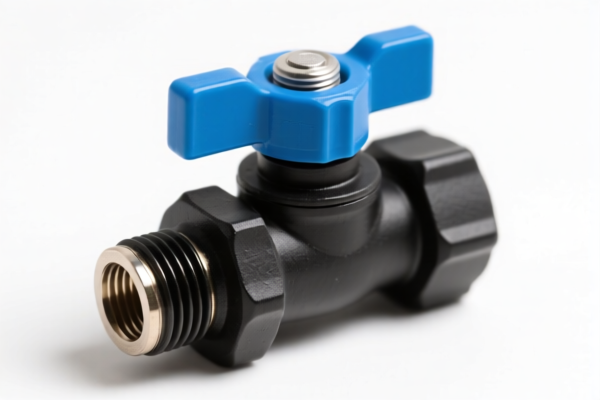
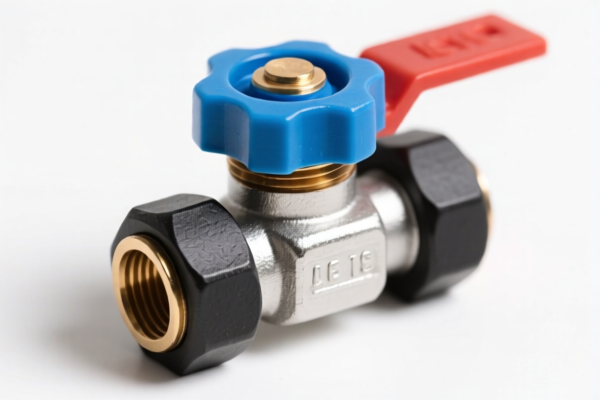
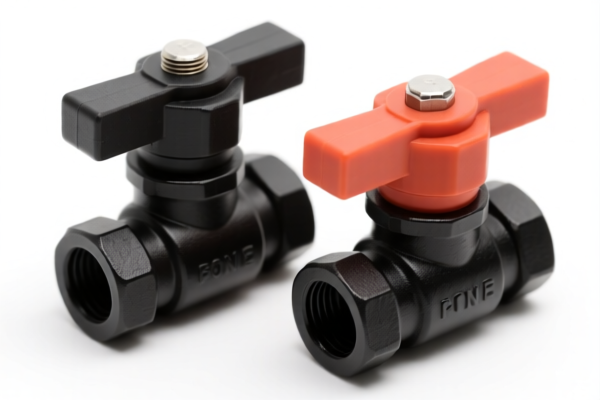
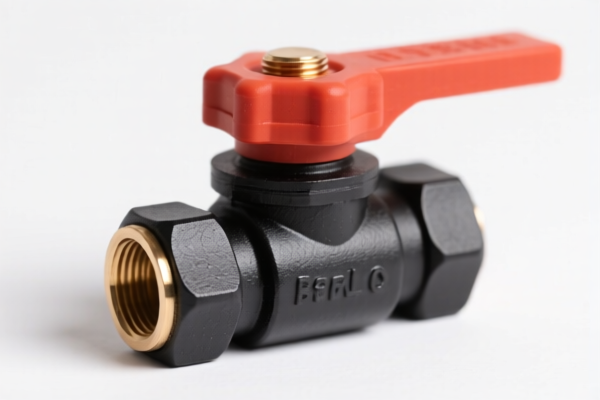
AI Analysis
🛠️ Rubber Tire Pressure Valve Extension (Rubber Valve Stem)
🌐 HS Code Reference & Customs Clearance Guide | 2026 Latest Tariff Analysis | Professional Clearance Strategy
📌 Part 1: Product Definition & Classification: Are You Clear on What a "Valve Extension" Is?
A Rubber Tire Pressure Valve Piece (commonly known as a Valve Extension or Valve Stem) is a critical component used to extend the tire valve stem, allowing for easier access to the valve core, especially when using thick rims, wheel spacers, or low-profile tires.
In international trade, the classification hinges on two distinct interpretations: 1. As a Rubber Product: If classified primarily by its material (sulfurated rubber) and general utility as a rubber article. 2. As a Vehicle Part: If classified specifically as a spare part for motor vehicles (cars, motorcycles, etc.).
⚠️ Key Distinction Point:
- If the product is marketed strictly as a "Rubber Accessory" without explicit vehicle-specific branding → Likely Chapter 40.
- If marketed as a "Motorcycle/Car Part" or used specifically for vehicle maintenance → Likely Chapter 87.
- Warning: Misclassification can lead to massive duty differences due to Section 301 (US-China) and Section 232 tariffs.
📦 Part 2: HS Code Classification Details (2026 Latest Tariff Authority Comparison)
| HS Code | Product Description | Scenario / Application | Material Focus |
|---|---|---|---|
4016.99.60.10 |
Rubber valve stem extensions, made of sulfurated rubber, classified as mechanical parts, used for auto accessories. | General automotive accessories; marketed as rubber parts. | ✅ Rubber (Primary) |
8714.10.00.50 |
Rubber valve stem extensions, classified as motorcycle parts and accessories, under "Other parts". | Specific to motorcycles; "Other parts" category. | ✅ Vehicle Part (Motorcycle) |
8714.99.80.00 |
Rubber valve stem extensions, classified as vehicle tire accessories, under "Other parts and accessories of vehicles". | General vehicle parts (Car/Motorcycle); generic "other" category. | ✅ Vehicle Part (General) |
4016.99.03.00 |
Rubber valve stem extensions, made of sulfurated rubber, classified as other vulcanized rubber制品 (products). | General rubber articles; non-specific vehicle part status. | ✅ Rubber (General) |
8481.90.90.60 |
Valve stems, classified as parts of valves and similar apparatus. | Technical classification as a "valve part" rather than a tire accessory. | ⚠️ Mechanical Part |
🔍 Important Reminder:
- Chapter 40 (Rubber) products often face Section 301 tariffs (25%) + Section 122 tariffs (10%).
- Chapter 87 (Vehicle Parts) may face different rates depending on whether it's considered a "specialized part" or "general part".
- Chapter 84 (Valves) can carry the highest tariff burden due to complex mechanical classification and potential steel/aluminum surcharges.
💰 Part 3: 2026 Latest Tariff Rate Breakdown (Including Surtaxes & Policy Add-ons)
✅ Applicable Country: United States (US)
✅ Origin: China (CN)
✅ Effective Date: Post-2025 policy implementation
🎯 1. 4016.99.60.10 —— Rubber Valve Extension (Mechanical Part Category)
| Item | Content |
|---|---|
| Base Rate | 2.5% (ad valorem) |
| Section 301 Surtax | +25.0% (Additional Duty) |
| Section 122 Tariff | +10.0% (China-specific additional duty) |
| Total Rate | 37.5% |
| Tax Calculation | CIF Value × 37.5% |
| De Minimis Exemption? | ❌ No (High tariff rate exceeds thresholds) |
| Legal Basis Path | HTSUS:4016.99.60.10 → Section 301: Footnote 1 → Section 122: 50 U.S.C. 1702 |
📌 Explanation:
- This code classifies the item as a rubber mechanical part.
- The 25% is the standard US-China Section 301 tariff.
- The 10% is a specific additional duty under Section 122 for certain Chinese-origin goods.
- Total 37.5% is significant and must be factored into pricing.
🎯 2. 8714.10.00.50 —— Motorcycle Valve Extension (Other Parts)
| Item | Content |
|---|---|
| Base Rate | 0.0% (Most Favored Nation) |
| Section 301 Surtax | +7.5% (Reduced Additional Duty) |
| Section 122 Tariff | +10.0% |
| Total Rate | 17.5% |
| Tax Calculation | CIF Value × 17.5% |
| De Minimis Exemption? | ❌ No |
| Legal Basis Path | HTSUS:8714.10.00.50 → Section 301: Footnote 1 → Section 122 |
📌 Key Insight:
- If you can prove the product is exclusively for motorcycles, the base duty drops to 0%.
- However, the 7.5% additional duty still applies due to trade tensions.
- 17.5% is a much more favorable rate than Chapter 40 codes.
🎯 3. 8714.99.80.00 —— General Vehicle Tire Accessory (Other Parts)
| Item | Content |
|---|---|
| Base Rate | 10.0% |
| Section 301 Surtax | +7.5% |
| Section 122 Tariff | +10.0% |
| Total Rate | 27.5% |
| Tax Calculation | CIF Value × 27.5% |
| De Minimis Exemption? | ❌ No |
| Legal Basis Path | HTSUS:8714.99.80.00 → Section 301 → Section 122 |
📌 Note:
- This is a "catch-all" for vehicle parts not specifically listed elsewhere.
- The 10% base duty is higher than motorcycle parts, but still lower than rubber general articles.
- 27.5% is a middle-ground rate.
🎯 4. 4016.99.03.00 —— Other Vulcanized Rubber Articles
| Item | Content |
|---|---|
| Base Rate | 3.0% |
| Section 301 Surtax | +25.0% |
| Section 122 Tariff | +10.0% |
| Total Rate | 38.0% |
| Tax Calculation | CIF Value × 38.0% |
| De Minimis Exemption? | ❌ No |
| Legal Basis Path | HTSUS:4016.99.03.00 → Section 301 → Section 122 |
📌 Warning:
- This is the highest cost option among rubber codes.
- It treats the item as a generic rubber good, attracting the full 25% Section 301 tariff.
- Avoid this classification if a vehicle part code is applicable.
🎯 5. 8481.90.90.60 —— Valve Parts (Mechanical Valves)
| Item | Content |
|---|---|
| Base Rate | 0.0% |
| Section 301 Surtax | +25.0% |
| Section 122 Tariff | +10.0% |
| Steel/Aluminum Surtax | +50.0% (If applicable) |
| Total Rate | 85.0% |
| Tax Calculation | CIF Value × 85.0% |
| De Minimis Exemption? | ❌ No |
| Legal Basis Path | HTSUS:8481.90.90.60 → Section 301 → Section 122 → Section 232 |
📌 Critical Alert:
- This classification is extremely expensive.
- It classifies the valve extension as a mechanical valve part.
- The 50% steel/aluminum surcharge (Section 232) may apply if metal components are present, pushing the total to 85%.
- DO NOT USE this code unless absolutely necessary and confirmed by legal counsel.
🛠️ Part 4: Customs Clearance Practical Advice (Real-World Pitfall Guide)
✅ 1. Preparation Checklist (Essential Documents)
| Document | Required? | Description |
|---|---|---|
| ✅ Product Specification Sheet | ✔️ | Must specify material (Sulfurated Rubber), dimensions, and intended use (Car/Motorcycle). |
| ✅ Product Photos | ✔️ | Clear images of the valve extension, showing no metal cores if possible to avoid Section 232. |
| ✅ Commercial Invoice | ✔️ | Must clearly state "Rubber Valve Extension for Motorcycle" or "Automotive Accessory". |
| ✅ HS Code Justification Letter | ✔️ | Explain why it fits under 8714 (Vehicle Part) vs 4016 (Rubber Article). |
| ✅ Packing List | ✔️ | Include model numbers and quantities. |
✅ 2. Classification Strategy (Key Tactics)
🔥 "Vehicle Part < Rubber Good. Motorcycle < General Car. Avoid Mechanical Valves!"
| Scenario | Recommended HS Code | Expected Duty | Reason |
|---|---|---|---|
| Motorcycle Only | 8714.10.00.50 |
17.5% | Lowest base duty (0%), lower Section 301 (7.5%). |
| General Auto/Car | 8714.99.80.00 |
27.5% | Standard vehicle part rate. |
| Generic Rubber Part | 4016.99.60.10 |
37.5% | Higher Section 301 (25%). |
| Mechanical Valve Part | 8481.90.90.60 |
85.0% | AVOID! Highest duty due to steel/aluminum surcharge. |
✅ 3. Special Case Handling
| Scenario | Handling Advice |
|---|---|
| OEM Custom Parts | Provide customer PO and design drawings to prove specific vehicle application. |
| Valve with Metal Core | Be cautious of Section 232 (Steel/Aluminum) tariffs. If metal > 50% by weight, duty may skyrocket. |
| Mixed Shipments (Cars + Motorcycles) | Split the shipment! Declare motorcycle parts under 8714.10.00.50 and car parts under 8714.99.80.00. Do not mix in one line item. |
| No Clear Vehicle Use | If not specific, use 8714.99.80.00 (27.5%) rather than 4016.99.03.00 (38.0%). |
🌍 Part 5: Global Market Comparison (2026 Latest)
| Country/Region | Recommended HS Code | Tariff Rate | Certification Requirements | Notes |
|---|---|---|---|---|
| 🇺🇸 USA | 8714.10.00.50 |
17.5% | N/A | Best rate for motorcycle parts. |
| 🇨🇳 China | 8714.10.00.50 |
5-10% | CCC (if applicable) | No surtaxes. |
| 🇪🇺 EU | 8714.99 |
0-4% | CE (if applicable) | No Section 301/122. |
| 🇬🇧 UK | 8714.99 |
0-4% | UKCA | Post-Brexit standards. |
| 🇦🇺 Australia | 8714.99 |
5% | RCM | No major surtaxes. |
📌 Conclusion:
- The US is the most complex market due to Section 301, Section 122, and potential Section 232 tariffs.
- Targeting Motorcycle Parts (8714.10.00.50) offers the lowest duty (17.5%) for Chinese-origin goods in the US.
- Avoid Mechanical Valve Classification (8481) to prevent an 85% duty hit.
📌 Part 6: Common Mistakes & Pitfalls (Lessons from Blood)
❌ Mistake 1: Declaring all valve extensions as 4016.99.03.00
👉 Consequence: Paying 38% duty instead of 17.5%.
👉 Solution: Always specify vehicle type (Motorcycle vs. Car).
❌ Mistake 2: Using 8481.90.90.60 for rubber valve extensions
👉 Consequence: Paying 85% duty due to Section 232 steel/aluminum surcharge.
👉 Solution: Do not classify rubber accessories as mechanical valve parts unless they are metal valves.
❌ Mistake 3: Mixing Car and Motorcycle parts in one shipment without proper documentation
👉 Consequence: Customs may reclassify everything to the highest applicable rate (8714.99.80.00 at 27.5%).
👉 Solution: Separate shipments or provide clear line-item breakdowns with different HS codes.
🎯 Part 7: Conclusion: Professional Declaration, Save Money, Avoid Delays!
🎯 Remember the Golden Rule:
🔹 "Motorcycle First (17.5%), Car Second (27.5%), Rubber Last (37.5%), Mechanical Avoid (85%)."
🔹 "HS Code determines cost. A 17.5% vs 85% difference can kill your profit margin."
📌 Pro Tip:
If your product is only used for motorcycles, ensure your invoice and marketing materials explicitly state "For Motorcycle Use Only". This can help support the 8714.10.00.50 classification.
Consider applying for an Advance Ruling from US Customs (CBP) to confirm your HS Code before shipping.
📣 Immediate Action:
📞 Consult with a licensed customs broker.
📝 Provide product photos and usage details.
🚀 Optimize your HS Code to save up to 67.5% in duties!
✨ Professional Customs Clearance Starts with Accurate Classification!
💼 Every cent of duty matters in global trade.
Customer Reviews
About HS Code Classification
The Harmonized System (HS) is an internationally standardized nomenclature developed by the World Customs Organization (WCO) to classify traded products. Over 200 countries use the HS system as the basis for customs tariffs, trade statistics, and import/export regulations.
Each HS code follows a hierarchical structure:
- Chapter (2 digits) — Broad category of goods (e.g., Chapter 84: Machinery and Mechanical Appliances)
- Heading (4 digits) — More specific grouping within the chapter
- Subheading (6 digits) — Internationally standardized breakdown, used by all WCO member countries
- National subdivisions (8-10 digits) — Country-specific extensions for further classification, such as US HTSUS 10-digit codes
Correct HS code classification is essential for smooth customs clearance, accurate duty payment, and compliance with trade regulations. Misclassification can lead to customs delays, overpayment of duties, or penalties.
When importing from CN to US, the applicable tariff rates may include:
- Most-Favored-Nation (MFN) rate — The standard duty rate applied to WTO members
- General rate — Applied to countries without trade agreements
- Trade remedy duties — Additional tariffs such as Section 301 (anti-dumping), Section 232 (national security), or countervailing duties
The information provided on this page is for reference purposes only. For official classification, please consult with your local customs authority or a licensed customs broker.