Rubber Tires
CN → US| HS Code | Tariff Rate | Origin | Destination | Doc |
|---|---|---|---|---|
| 4012118000 | 38.4% | CN | US | Official Doc |
| 4012124035 | 39.0% | CN | US | Official Doc |
| 4013100010 | 38.7% | CN | US | Official Doc |
| 4011802010 | 39.0% | CN | US | Official Doc |
| 4011801010 | 35.0% | CN | US | Official Doc |
| 4012198000 | 20.9% | CN | US | Official Doc |
Product Images
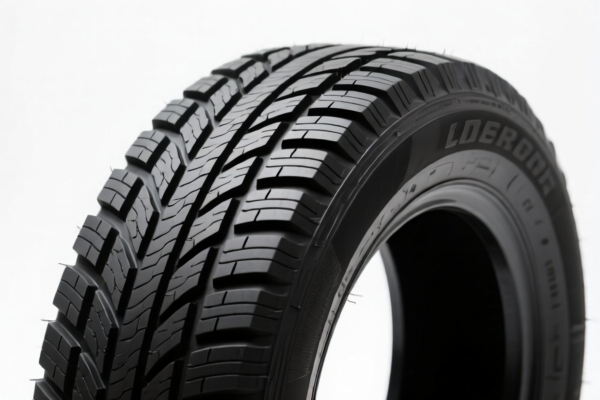
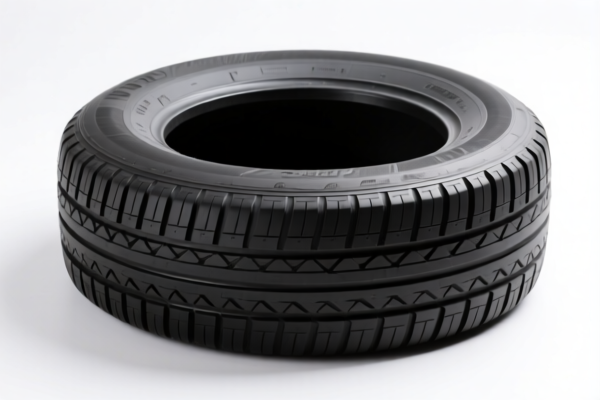
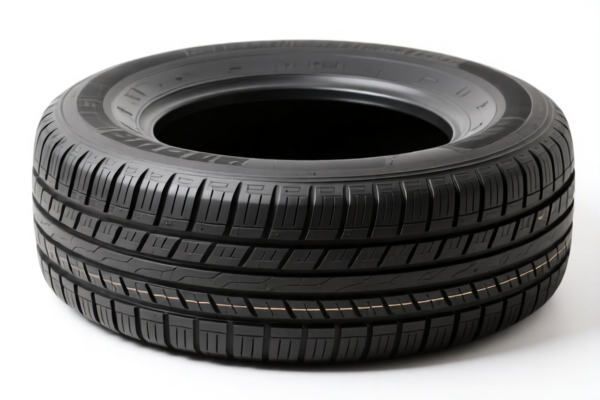
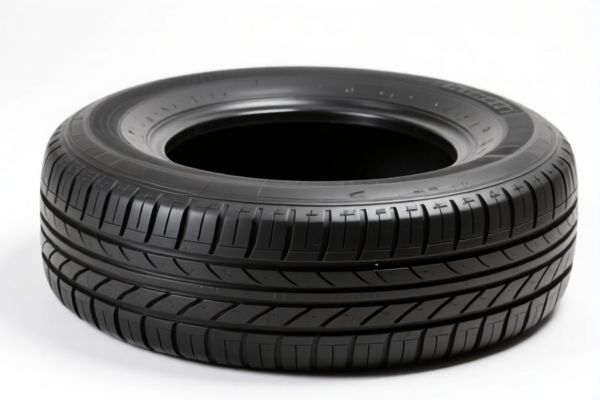
AI Analysis
🚗 Rubber Tires (Classification & Customs Clearance Guide)
🌐 HS Code Reference & Customs Clearance Guide | 2026 Latest Tariff Analysis | Professional Clearance Strategy
📌 I. Product Definition: Do You Really Understand "Rubber Tires"?
Rubber tires are critical safety components for vehicles, machinery, and industrial equipment. In international trade, they are strictly categorized based on Material, Structure, Intended Use, and Design Type. Misclassification is common because many tire types share similar physical appearances but fall under different tariff headings.
Key Distinction Points: * Passenger Cars vs. Commercial/Industrial: Passenger car tires often fall under different sub-headings than truck, bus, or engineering vehicle tires. * Tube vs. Tubeless: While often grouped together, specific structural classifications may apply. * New vs. Retreaded: New tires and retreaded tires have completely different HS codes and tax treatments. Note: The provided data below focuses on new rubber tires.
⚠️ Critical Warning:
- If the tire is for passenger cars and is radial, it typically falls under 4011.
- If for trucks/buses, check if it is radial (4011) or non-radial (4012).
- If for engineering/construction vehicles, it may fall under 4011 or 4012 depending on specific design and size.
- General/Other categories often act as "catch-all" buckets with different tax implications.
📦 II. HS Code Classification Details (Based on Provided Data)
The following table maps specific HS Codes to their descriptions, tax rates, and breakdowns as per the provided dataset.
| HS Code | Product Description & Rationale | Total Tax Rate | Tax Breakdown |
|---|---|---|---|
4012.11.80.00 |
Rubber Tire: Material is rubber, form is tire. Classified under "Other" category as a catch-all rule. | 38.4% | Base: 3.4% Additional: 25.0% Section 122: 10% |
4012.12.40.35 |
Rubber Tire: Matches material and form. Since end-use is unspecified, classified under "Other". | 39.0% | Base: 4.0% Additional: 25.0% Section 122: 10% |
4013.10.00.10 |
Rubber Tire: Material and end-use align with core elements of reference classification. | 38.7% | Base: 3.7% Additional: 25.0% Section 122: 10% |
4011.80.20.10 |
Rubber Engineering Tire: Material is rubber. End-use: Engineering vehicles, construction, or industrial. Classified as a Radial Tire category. | 39.0% | Base: 4.0% Additional: 25.0% Section 122: 10% |
4011.80.10.10 |
Rubber Engineering Tire: Material is rubber. End-use: Construction/industrial vehicles. Meets tire form characteristics. | 35.0% | Base: 0.0% Additional: 25.0% Section 122: 10% |
4012.19.80.00 |
Rubber Tire: Material is rubber, form is tire. Classified under "Other" with no conflict. | 20.9% | Base: 3.4% Additional: 7.5% Section 122: 10% |
🔍 Key Observation:
- Base Tariffs Vary: From 0% (4011.80.10.10) to 4.0% (4011.80.20.10).
- Additional Tariffs Vary: Most are 25%, but4012.19.80.00has only 7.5%.
- Section 122 Tax: Consistently 10% across all entries in this dataset.
- Total Range: From 20.9% to 39.0%.
💰 III. 2026 Latest Tariff Rate Details (Including Surcharges & Policy Add-ons)
✅ Applicable Country: United States (US)
✅ Origin: China (CN) (Implied by "Section 122" and high additional tariffs typical of US-China trade context)
✅ Effective Time: Post-2025 regulations
🎯 1. 4012.11.80.00 — Rubber Tire (Other/Catch-all)
| Item | Details |
|---|---|
| Base Tariff | 3.4% |
| Additional Tariff | 25.0% (Section 301 or similar surcharge) |
| Section 122 Tariff | 10% (Specific policy surcharge) |
| Total Rate | 38.4% |
| Calculation | CIF Value × 38.4% |
| De Minimis Exemption | ❌ Not Eligible (High rates exclude small packages from exemption) |
📌 Explanation:
- The 25% additional tariff likely refers to Section 301 trade remedies against Chinese goods.
- The 10% Section 122 tariff is a specific statutory surcharge.
- Total 38.4% is significant. Importers must budget accordingly.
🎯 2. 4012.12.40.35 — Rubber Tire (End-Use Unspecified)
| Item | Details |
|---|---|
| Base Tariff | 4.0% |
| Additional Tariff | 25.0% |
| Section 122 Tariff | 10% |
| Total Rate | 39.0% |
| Calculation | CIF Value × 39.0% |
| De Minimis Exemption | ❌ Not Eligible |
📌 Note:
- This is the highest total tax rate in the list.
- The lack of specified end-use triggers a less favorable classification, resulting in a higher base rate (4.0% vs. 3.4%).
- Advice: Always specify the exact end-use (e.g., "for pickup trucks") to avoid being defaulted to "other."
🎯 3. 4013.10.00.10 — Rubber Tire (Aligned Reference)
| Item | Details |
|---|---|
| Base Tariff | 3.7% |
| Additional Tariff | 25.0% |
| Section 122 Tariff | 10% |
| Total Rate | 38.7% |
| Calculation | CIF Value × 38.7% |
| De Minimis Exemption | ❌ Not Eligible |
📌 Note:
- Slightly lower than4012.12.40.35due to a lower base rate (3.7%).
- Still subject to the same surcharges.
🎯 4. 4011.80.20.10 — Rubber Engineering Tire (Radial)
| Item | Details |
|---|---|
| Base Tariff | 4.0% |
| Additional Tariff | 25.0% |
| Section 122 Tariff | 10% |
| Total Rate | 39.0% |
| Calculation | CIF Value × 39.0% |
| De Minimis Exemption | ❌ Not Eligible |
📌 Note:
- Engineering tires are heavily regulated.
- Despite being for industrial use, the 25% surcharge applies, likely due to the origin (China).
- Ensure the product truly fits "Engineering Vehicle" criteria to avoid misclassification.
🎯 5. 4011.80.10.10 — Rubber Engineering Tire (Non-Radial/Special Case)
| Item | Details |
|---|---|
| Base Tariff | 0.0% |
| Additional Tariff | 25.0% |
| Section 122 Tariff | 10% |
| Total Rate | 35.0% |
| Calculation | CIF Value × 35.0% |
| De Minimis Exemption | ❌ Not Eligible |
📌 Note:
- This is the most cost-effective classification in the list due to a 0% base rate.
- However, the 25% + 10% surcharges still bring the total to 35%.
- Key Differentiator: Likely a non-radial or specific structural variant not captured in the 4.0% base rate.
🎯 6. 4012.19.80.00 — Rubber Tire (Other/Catch-all with Lower Surcharge)
| Item | Details |
|---|---|
| Base Tariff | 3.4% |
| Additional Tariff | 7.5% |
| Section 122 Tariff | 10% |
| Total Rate | 20.9% |
| Calculation | CIF Value × 20.9% |
| De Minimis Exemption | ❌ Not Eligible |
📌 Note:
- Lowest Total Rate (20.9%).
- The Additional Tariff is only 7.5% instead of 25%. This suggests this code might be exempt from Section 301 or subject to a different trade policy.
- Strategic Advantage: If the product qualifies, this code saves ~18% in taxes compared to the highest rate.
🛠️ IV. Customs Clearance Practical Advice (Avoid Pitfalls)
✅ 1. Essential Documentation Checklist
| Document | Required? | Purpose |
|---|---|---|
| Product Specification Sheet | ✔️ | Confirm material, structure (radial/non-radial), size, and load index. |
| Commercial Invoice | ✔️ | Must clearly state "Rubber Tire" and specify end-use (e.g., "for construction vehicles"). |
| Packing List | ✔️ | Detail quantities, weights, and dimensions. |
| Certificate of Origin | ✔️ | To prove origin and determine applicability of additional tariffs (e.g., Section 301). |
| Technical Drawings/Photos | ✔️ | To prove radial vs. non-radial structure and engineering vehicle compatibility. |
| Third-Party Test Reports | ✔️ | DOT/ECE certification may be required for safety compliance. |
✅ 2. Classification Strategy (Key Mnemonic)
🔥 "Use Defines Code, Structure Defines Tax!"
| Scenario | Recommended HS Code | Reasoning |
|---|---|---|
| Passenger Car Radial Tire | Typically 4011.xx (Check base rate) |
Passenger tires often have specific sub-headings. |
| Truck/Bus Radial Tire | 4011.xx |
Heavy-duty radial tires. |
| Engineering Vehicle Tire | 4011.80.10.10 or 4011.80.20.10 |
Specify if non-radial (0% base) or radial (4% base). |
| Unclear/Other Use | 4012.11.80.00 or 4012.19.80.00 |
"Other" categories. 4012.19.80.00 offers 20.9% total tax, which is much lower than 4012.12.40.35 (39.0%). Investigate eligibility for 4012.19.80.00! |
| Unspecified End-Use | 4012.12.40.35 |
Avoid if possible. High base rate (4.0%) + high surcharge. |
✅ 3. Special Circumstances
| Situation | Advice |
|---|---|
| Misclassification Risk | Do not guess "Other" codes if the product fits a specific use (e.g., engineering). Misclassification can lead to penalties. |
| Section 122 Tariff | This 10% surcharge is universal in this dataset. No exemption is visible. Factor this into cost. |
| Tax Optimization | 4012.19.80.00 (20.9%) is significantly cheaper than 4012.12.40.35 (39.0%). If your tire can legally be classified under 4012.19.80.00 (e.g., as a general-purpose tire not meeting "engineering" criteria), choose this code. |
| Engineering Tires | Differentiate between radial (39.0%) and non-radial (35.0%). The 0% base rate for 4011.80.10.10 is a major saving. |
🌍 V. Global Market Comparison (2026 Snapshot)
| Market | Typical HS Code for Tires | Est. Total Tax (China Origin) | Notes |
|---|---|---|---|
| 🇺🇸 United States | 4011, 4012, 4013 |
20.9% – 39.0% | Includes Section 301 (25%) and Section 122 (10%). High complexity. |
| 🇨🇳 China (Import) | 4011, 4012 |
~0% – 10% | Generally low base rates, no Section 301/122 surcharges. |
| 🇪🇺 European Union | 4011, 4012 |
~4% – 5% | No additional punitive tariffs. CE/ECE marking required. |
| 🇮🇳 India | 4011, 4012 |
~7.5% – 15% | Basic Customs Duty + S&Cess. Anti-dumping duties may apply. |
📌 Conclusion:
- The US market presents the highest tariff barrier due to additional policy surcharges.
- Strategic Choice: If the product allows, classify under4012.19.80.00(20.9%) rather than4012.12.40.35(39.0%).
- Engineering Tires: The4011.80.10.10code offers the best base rate (0%), but still incurs the 25% + 10% surcharges.
📌 VI. Common Errors & Pitfalls (Lessons Learned)
❌ Error 1: Classifying all tires as 4012.12.40.35 ("Other, unspecified")
👉 Consequence: 39.0% tax. If it could be 4012.19.80.00, you overpaid by 18.1%.
❌ Error 2: Assuming "Engineering Tire" always has a low base rate
👉 Consequence: Radial engineering tires (4011.80.20.10) have a 4.0% base vs. non-radial (4011.80.10.10) at 0.0%. Check structure!
❌ Error 3: Ignoring Section 122 Tariff
👉 Consequence: Forgetting the 10% surcharge leads to underpayment and penalties at customs.
❌ Error 4: Not Specifying End-Use
👉 Consequence: Customs may default to the highest base rate category ("Other") if end-use is unclear.
✅ Correct Approach:
"Rubber Tire, Radial, for Construction Vehicles, DOT Certified, Model XYZ, Origin China"
🎯 VII. Conclusion: Precision Classification Saves Money
🎯 Remember the Rule:
🔹 "Specify Use, Check Structure, Avoid 'Other' Traps!"
🔹 "Section 122 is 10%, Always Add It!"
🔹 "4012.19.80.00(20.9%) vs.4012.12.40.35(39.0%): Choose the Lower Rate if Eligible!"
📌 Pro Tip:
If your tires are not manufactured in China (e.g., Vietnam, Thailand), Section 301 (25%) may not apply, drastically reducing the total tax. Always verify Origin first!
📣 Immediate Action:
📞 Consult a Customs Broker to review your product specs.
📄 Request an Advance Ruling for your specific tire type.
🚀 Clear customs faster, pay only what is due, and protect your margin!
✨ Professional Clearance Starts with Accurate Classification!
💼 Every percentage point matters in global trade!
Customer Reviews
About HS Code Classification
The Harmonized System (HS) is an internationally standardized nomenclature developed by the World Customs Organization (WCO) to classify traded products. Over 200 countries use the HS system as the basis for customs tariffs, trade statistics, and import/export regulations.
Each HS code follows a hierarchical structure:
- Chapter (2 digits) — Broad category of goods (e.g., Chapter 84: Machinery and Mechanical Appliances)
- Heading (4 digits) — More specific grouping within the chapter
- Subheading (6 digits) — Internationally standardized breakdown, used by all WCO member countries
- National subdivisions (8-10 digits) — Country-specific extensions for further classification, such as US HTSUS 10-digit codes
Correct HS code classification is essential for smooth customs clearance, accurate duty payment, and compliance with trade regulations. Misclassification can lead to customs delays, overpayment of duties, or penalties.
When importing from CN to US, the applicable tariff rates may include:
- Most-Favored-Nation (MFN) rate — The standard duty rate applied to WTO members
- General rate — Applied to countries without trade agreements
- Trade remedy duties — Additional tariffs such as Section 301 (anti-dumping), Section 232 (national security), or countervailing duties
The information provided on this page is for reference purposes only. For official classification, please consult with your local customs authority or a licensed customs broker.