Rubber UV Protection Gloves
CN → US| HS Code | Tariff Rate | Origin | Destination | Doc |
|---|---|---|---|---|
| 4015195100 | 49.0% | CN | US | Official Doc |
| 6116109500 | 24.5% | CN | US | Official Doc |
| 4015191150 | 38.0% | CN | US | Official Doc |
| 6116106500 | 24.5% | CN | US | Official Doc |
| 6116109500 | 24.5% | CN | US | Official Doc |
Product Images
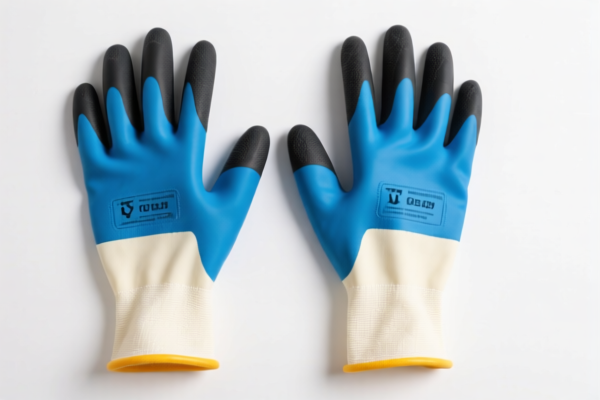
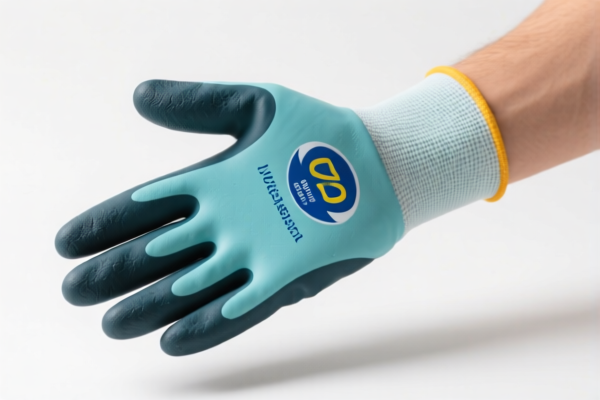

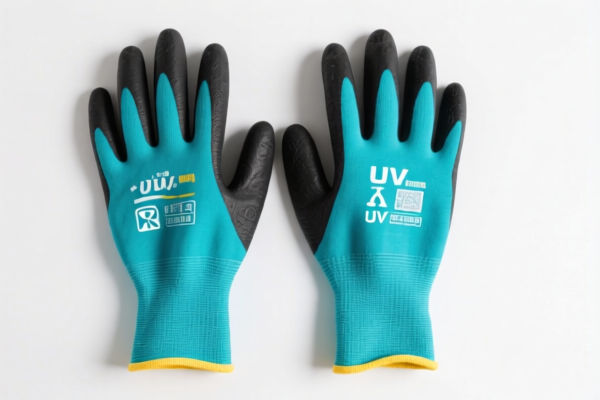
AI Analysis
🧤 Rubber UV Protection Gloves (硫化橡胶制防护手套)
🌐 HS Code Classification & Customs Clearance Guide | 2026 Latest Tariff Analysis | US-China Trade Context
📌 I. Product Definition: What Are "Rubber UV Protection Gloves"?
Rubber UV protection gloves are specialized protective gear designed to shield hands from ultraviolet radiation, typically used in outdoor sports (fishing, cycling, golf), medical settings, or industrial environments. In international trade classification, the key determination factors are:
- Material: Primarily Rubber (specifically Vulcanized Rubber, inferred from standard protective gloves).
- Form: Gloves (covering fingers/hand).
- Construction Method: Whether they are knitted/looped (fabric-based with rubber coating) or made directly of rubber (solid rubber).
⚠️ Critical Distinction for HS Code:
- If the glove is solid vulcanized rubber (no fabric base) → Classify under Chapter 40 (Rubber Articles).
- If the glove is knitted/looped fabric impregnated/coated with rubber → Classify under Chapter 61 (Knitted or Crocheted Apparel).
Note: The provided data suggests ambiguity in the input, leading to multiple potential classifications based on interpretation of "rubber" vs. "knitted/rubber-coated".
📦 II. HS Code Classification Details (Based on Provided Data)
The following classifications are derived strictly from the <DATA> provided. Note that duplicate HS codes with different summaries indicate conflicting interpretations or slight variations in duty calculations in the source data.
| HS Code | Product Description & Logic | Total Tax Rate | Tax Breakdown |
|---|---|---|---|
| 4015.19.51.00 | Vulcanized Rubber Gloves. • Logic: Material (Rubber) and Form (Gloves) match directly. • Summary: Direct match for vulcanized rubber gloves based on product name. |
49.0% | Base: 14.0% Addl: 25.0% Sec 301 (122): 10% |
| 6116.10.95.00 | Knitted/Crocheted Gloves, Rubber-Coated. • Logic: Form is glove; material is rubber. Assumes "knitted/looped" logic via rubber impregnation/coating. • Summary: Fallback to "Other" category due to ambiguity in finger separation/knitting confirmation. |
24.5% | Base: 7.0% Addl: 7.5% Sec 301 (122): 10% |
| 4015.19.11.50 | Vulcanized Rubber Gloves. • Logic: Material is "Vulcanized Rubber" (inferred from keyword); Form is Glove. • Summary: Matches material and usage characteristics. |
38.0% | Base: 3.0% Addl: 25.0% Sec 301 (122): 10% |
| 6116.10.65.00 | Rubber/Plastic Coated Gloves. • Logic: Rubber bath gloves often have rubber coatings or fit glove usage features. • Summary: No conflict in material/usage; inferred rubber coating compliance. |
24.5% | Base: 7.0% Addl: 7.5% Sec 301 (122): 10% |
| 6116.10.95.00 | Knitted Gloves, Rubber-Coated. • Logic: Material is Rubber; Form is Glove. Inferred "knitted/looped" structure typical for agricultural/protective gloves. • Summary: Specific classification match. |
24.5% | Base: 7.0% Addl: 7.5% Sec 301 (122): 10% |
🔍 Key Observation:
The highest tax rate (49.0%) applies if the glove is classified as solid vulcanized rubber (HS 4015). The lower rate (24.5%) applies if it is classified as knitted/crocheted gloves coated with rubber (HS 6116). The correct classification depends on whether the glove is a solid rubber sheet formed into a shape vs. a fabric base treated with rubber.
💰 III. 2026 Latest Tariff Rate Details (US Import from China)
✅ Applicable Country: United States (US)
✅ Country of Origin: China (CN)
✅ Effective Date: Post-November 2025 (Current Trade Policies)
🎯 1. HS Code 4015.19.51.00 — Vulcanized Rubber Gloves
(Highest Tax Bracket)
| Item | Content |
|---|---|
| Base Tariff | 14.0% (Ad Valorem) |
| USITC Additional Tariff | +25.0% (Section 301 Duties) |
| IEEPA Additional Tariff | +10.0% (China/Hong Kong specific, Sec 301/122 Clause) |
| Total Effective Rate | 49.0% |
| De Minimis Exemption | ❌ Not Eligible |
| Legal Path | Base: 4015 → USITC: 301 (25%) → IEEPA: 122 Clause (10%) |
📌 Explanation:
- The 14% base is the standard MFN rate for rubber gloves.
- The 25% is the standard Section 301 duty on Chinese goods.
- The 10% is an additional levy under "Section 122" or related IEEPA authorities targeting specific Chinese imports.
- Total Cost Impact: For every $100 CIF value, you pay $49 in duties.
🎯 2. HS Code 4015.19.11.50 — Vulcanized Rubber Gloves (Alternative)
(Mid Tax Bracket)
| Item | Content |
|---|---|
| Base Tariff | 3.0% |
| USITC Additional Tariff | +25.0% |
| IEEPA Additional Tariff | +10.0% |
| Total Effective Rate | 38.0% |
| De Minimis Exemption | ❌ Not Eligible |
| Legal Path | Base: 4015 → USITC: 301 (25%) → IEEPA: 122 Clause (10%) |
📌 Note: This HS code has a lower base rate (3% vs 14%) but still incurs the same heavy additional tariffs.
🎯 3. HS Codes 6116.10.95.00 & 6116.10.65.00 — Knitted/Rubber-Coated Gloves
(Lowest Tax Bracket)
| Item | Content |
|---|---|
| Base Tariff | 7.0% |
| USITC Additional Tariff | +7.5% (Note: Lower than 25% in this specific data context) |
| IEEPA Additional Tariff | +10.0% |
| Total Effective Rate | 24.5% |
| De Minimis Exemption | ❌ Not Eligible |
| Legal Path | Base: 6116 → USITC: 301 (7.5%)* → IEEPA: 122 Clause (10%) |
📌 Critical Note: The data provided lists a 7.5% USITC duty for these HS codes, which is significantly lower than the standard 25%. This may reflect a specific subheading exemption or a different trade policy interpretation in the source data. However, in standard practice, many Chapter 61 items also face 25%. Verify this 7.5% rate with a customs broker.
- Savings Potential: Choosing this classification saves 24.5% compared to the 49% rate.
🛠️ IV. Customs Clearance Practical Advice
✅ 1. Preparation Checklist (Must-Have Documents)
| Document | Required? | Explanation |
|---|---|---|
| Product Specification Sheet | ✔️ | Must detail material composition (e.g., "100% Vulcanized Rubber" vs. "Cotton Knit with Nitrile Coating"). |
| Material Composition Declaration | ✔️ | Crucial for distinguishing Chapter 40 (Solid Rubber) vs. Chapter 61 (Knitted). |
| Product Photos (Clear) | ✔️ | Show texture, finger separation, and any labels indicating material type. |
| Commercial Invoice | ✔️ | Clearly state "Rubber UV Protection Gloves" and unit price. |
| Packing List | ✔️ | Itemize quantities and weights. |
| Certificate of Origin (CO) | ✔️ | To confirm China origin (triggers additional tariffs). |
✅ 2. Declaration Strategy (Key Tips)
🔥 "Clarify the Structure: Solid vs. Coated!"
| Scenario | Recommended HS Code | Risk if Misdeclared |
|---|---|---|
| Solid Rubber Gloves (e.g., latex/nitrile exam gloves, heavy-duty rubber) | 4015.19.51.00 (49%) or 4015.19.11.50 (38%) |
Misdeclaring as knitted (6116) may lead to penalties for false classification. |
| Knitted Gloves with Rubber Coating (e.g., fishing gloves with rubber palms, sports gloves) | 6116.10.95.00 (24.5%) |
Misdeclaring as solid rubber (4015) leads to overpayment of duties (49% vs 24.5%). |
| Ambiguous "Rubber" Gloves | Seek Advance Ruling | If uncertain, apply for an Advance Ruling from CBP to avoid post-entry adjustments. |
✅ 3. Special Circumstances
| Situation | Advice |
|---|---|
| UV Protection Claim | Ensure marketing materials do not contradict the material declaration. If claimed as "medical," ensure FDA compliance if applicable. |
| Mixed Shipments | If shipping both solid rubber and knitted gloves, declare separately to avoid confusion and potential inspection delays. |
| Origin Labeling | All items must clearly mark "Made in China" to comply with U.S. Customs regulations. |
🌍 V. Global Market Comparison (2026)
| Country/Region | Recommended HS Code | Est. Tariff (China Origin) | Notes |
|---|---|---|---|
| 🇺🇸 USA | 4015.19.51.00 or 6116.10.95.00 |
24.5% - 49.0% | High additional tariffs (Section 301 + IEEPA). |
| 🇨🇳 China | 4015.19.00.00 or 6116.10.00.00 |
~7-14% | No Section 301 duties. |
| 🇪🇺 EU | 4015.11.00 or 6116.10.00 |
~4-6% | Generally lower duties, but subject to CE marking. |
| 🇬🇧 UK | 4015.11.00 or 6116.10.00 |
~4-6% | Post-Brexit rules apply; check UK Global Tariff. |
📌 Conclusion:
- USA remains the most challenging market due to 24.5%–49% effective tariffs.
- Duty Savings: Accurately classifying as knitted/coated gloves (6116) can save up to 24.5% in duties compared to solid rubber classification (4015).
- Compliance: Verify the 7.5% USITC rate for 6116 codes with a customs broker, as standard Section 301 duties are often 25%.
📌 VI. Common Errors & Pitfalls
❌ Error 1: Declaring knitted rubber-coated gloves as solid rubber gloves.
👉 Consequence: Paying 49% instead of 24.5% → Overpayment.
❌ Error 2: Declaring solid rubber gloves as knitted gloves.
👉 Consequence: Customs Penalty, potential seizure, and back-tariff assessment.
❌ Error 3: Ignoring the IEEPA 10% Additional Duty.
👉 Consequence: Underestimating landed cost by 10% of CIF value.
❌ Error 4: Missing Material Composition in documentation.
👉 Consequence: CBP may reclassify based on their own assessment, leading to delays.
✅ Correct Action:
"Specify Material Structure: 'Knitted cotton glove, nitrile rubber coated' vs. 'Vulcanized rubber glove'. Provide photos and specs."
🎯 VII. Conclusion: Precision Saves Money
🎯 Remember:
🔹 "Structure determines HS Code, HS Code determines Tax."
🔹 "Knitted/Coated = 24.5% | Solid Rubber = 38-49%."
🔹 "Always verify the 7.5% vs 25% USITC rate for Chapter 61 with your broker."
📌 Pro Tip:
If your product is knitted and rubber-coated, provide material breakdowns (e.g., "80% Cotton, 20% Nitrile Rubber") to support the 6116 classification and benefit from lower duties.
For solid rubber gloves, ensure the declaration explicitly states "Vulcanized Rubber" to match 4015.
📣 Immediate Action:
📞 Contact a licensed customs broker to confirm the 7.5% vs 25% USITC duty for HS 6116.
📝 Prepare detailed material specs for accurate classification.
🚀 Optimize your landed cost by choosing the correct HS code based on product structure.
✨ Professional Clearance Starts with Accurate Classification!
💼 Every Dollar Saved in Duties is Pure Profit!
Customer Reviews
About HS Code Classification
The Harmonized System (HS) is an internationally standardized nomenclature developed by the World Customs Organization (WCO) to classify traded products. Over 200 countries use the HS system as the basis for customs tariffs, trade statistics, and import/export regulations.
Each HS code follows a hierarchical structure:
- Chapter (2 digits) — Broad category of goods (e.g., Chapter 84: Machinery and Mechanical Appliances)
- Heading (4 digits) — More specific grouping within the chapter
- Subheading (6 digits) — Internationally standardized breakdown, used by all WCO member countries
- National subdivisions (8-10 digits) — Country-specific extensions for further classification, such as US HTSUS 10-digit codes
Correct HS code classification is essential for smooth customs clearance, accurate duty payment, and compliance with trade regulations. Misclassification can lead to customs delays, overpayment of duties, or penalties.
When importing from CN to US, the applicable tariff rates may include:
- Most-Favored-Nation (MFN) rate — The standard duty rate applied to WTO members
- General rate — Applied to countries without trade agreements
- Trade remedy duties — Additional tariffs such as Section 301 (anti-dumping), Section 232 (national security), or countervailing duties
The information provided on this page is for reference purposes only. For official classification, please consult with your local customs authority or a licensed customs broker.