Rubber elastic cord
CN → US| HS Code | Tariff Rate | Origin | Destination | Doc |
|---|---|---|---|---|
| 4016996050 | 37.5% | CN | US | Official Doc |
| 5604909000 | 40.0% | CN | US | Official Doc |
| 5604100000 | 41.3% | CN | US | Official Doc |
| 9506910030 | 22.1% | CN | US | Official Doc |
| 9506996080 | 21.5% | CN | US | Official Doc |
| 4016993510 | 35.0% | CN | US | Official Doc |
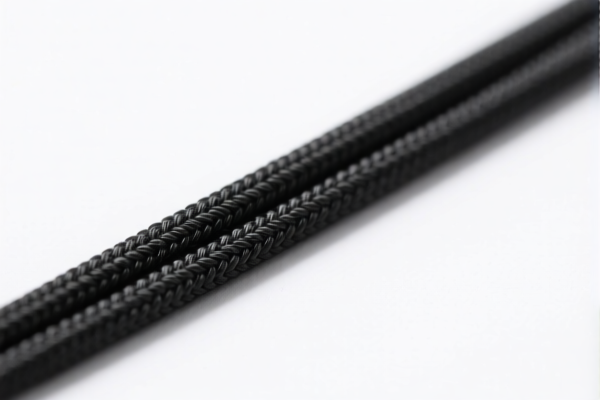
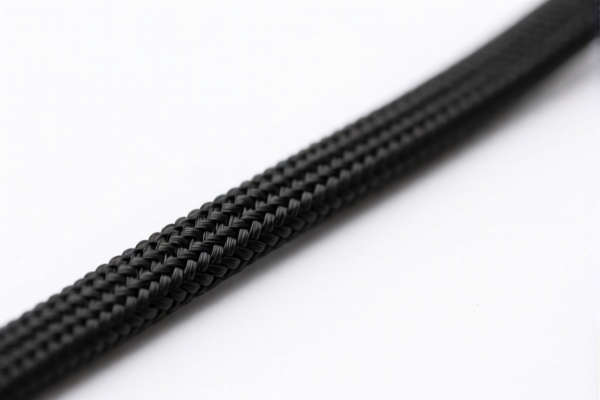
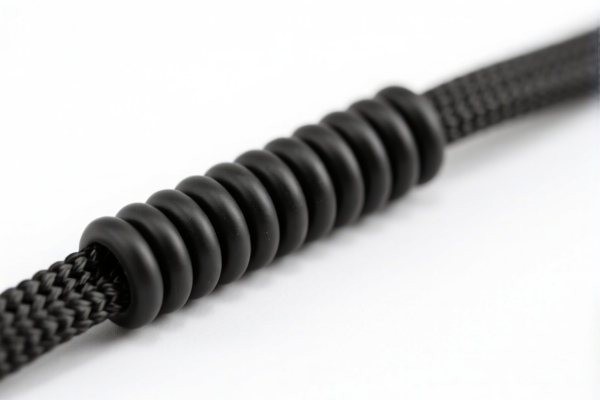
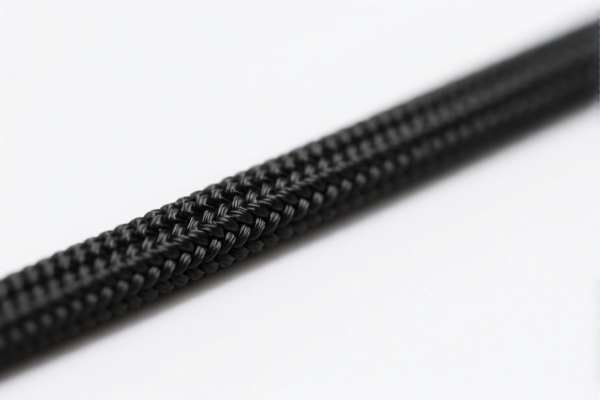
Product Images
AI Analysis
🧵 Rubber Elastic Cord (Rubber Elastic Cord/Rope)
🌐 HS Code Reference & Customs Clearance Guide | 2026 Latest Tariff Analysis | Professional Strategy for Rubber Products
📌 I. Product Definition & Classification: What Exactly Is "Rubber Elastic Cord"?
Rubber elastic cord, often referred to as elastic rubber rope or bungee cord, is a versatile industrial and consumer good. In international trade, its classification depends heavily on its material composition and physical form. It generally falls into two categories:
1. Pure Rubber Elastic Cord (Cord/Rope Form):
- Made primarily of natural or synthetic rubber, possibly coated with textile materials but retaining the form of a cord or rope.
- Key characteristic: It functions as a continuous flexible line used for tying, bundling, or suspension.
2. Other Rubber Articles (Non-Specific Use):
- If the item is cut into specific shapes (like small bands, seals, or gaskets) rather than sold as a continuous cord/rope, it may fall under general rubber articles.
- Note: The term "Elastic Cord" in the prompt usually implies the rope-like form, but we must distinguish between pure rubber cords and textile-covered rubber cords for accurate HS coding.
⚠️ Key Distinction Point:
- If it is pure rubber and in the form of a cord/rope → Look at 4016 or specific rubber cord headings.
- If it is covered with textile material (e.g., nylon or cotton thread wrapped around rubber) → Look at 5604 (Textile materials coated with rubber).
- If it is specifically elastic bands (like hair ties or small rubber bands) → Look at 4016.99.35.10.
📦 II. HS Code Classification Details (2026 Latest Tariff Authority Comparison)
Based on the provided data, here are the precise classifications for "Rubber Elastic Cord" scenarios:
| HS Code | Product Description | Applicable Scenario | Material/Form Characteristics |
|---|---|---|---|
4016.99.60.50 |
Rubber articles, other, not specified elsewhere | General-purpose rubber elastic items (non-specific use) | Made of vulcanized rubber or ebonite. Non-specific form (not necessarily rope). |
5604.90.90.00 |
Thread, cord, rope, and articles thereof, coated with rubber | Textile-covered rubber cord/rope | Textile-covered rubber line or rope. Form: Rope/Cord. |
5604.10.00.00 |
Thread, cord, rope, and articles thereof, coated with rubber or plastic | Rubber-coated textile thread/cord | Meets the form of cord/rope AND rubber/textile coverage features. |
4016.99.35.10 |
Other articles of vulcanized rubber other than hard rubber | Natural Rubber Bands | Specifically elastic rubber bands (e.g., hair ties, small elastic loops). |
🔍 Critical Reminder:
- "Rubber Elastic Cord" is ambiguous.
- If it is a long, continuous rope made of rubber or rubber-covered textile → Use 5604 codes (5604.90.90.00or5604.10.00.00).
- If it is a general rubber item not specifically a rope/cord but made of vulcanized rubber → Use 4016.99.60.50.
- If it is a small elastic band (like a hair tie) → Use 4016.99.35.10.
💰 III. 2026 Latest Tariff Rate Details (Including Additional Taxes & Policy Add-ons)
✅ Applicable Country: United States (US)
✅ Origin: China (CN)
✅ Effective Date: Current trade policies apply (Section 301 + IEEPA)
🎯 1. 4016.99.60.50 —— General Vulcanized Rubber Articles
| Item | Content |
|---|---|
| Base Tariff | 2.5% (ad valorem) |
| Section 301 Additional Tariff | +25.0% (From USITC Footnote 9903.88.01 / Section 301) |
| IEEPA Additional Tariff | +10.0% (针对中国/香港产品, since Nov 10, 2025) |
| Total Tax Rate | 37.5% |
| Tax Calculation | CIF Value × 37.5% |
| De Minimis Eligibility | ❌ No (Deny De Minimis for China origin under current enforcement) |
| Legal Basis Path | IEEPA:9903.01.24 → USITC:4016.99.60.50 → SECTION 301: 25% |
📌 Explanation:
- This code covers general rubber articles. The 37.5% total rate is extremely high due to the combination of base, Section 301, and IEEPA taxes.
- Material: Vulcanized or ebonite rubber.
🎯 2. 5604.90.90.00 —— Textile-Coated Rubber Cord/Rope
| Item | Content |
|---|---|
| Base Tariff | 5.0% (ad valorem) |
| Section 301 Additional Tariff | +25.0% |
| IEEPA Additional Tariff | +10.0% |
| Total Tax Rate | 40.0% |
| Tax Calculation | CIF Value × 40.0% |
| De Minimis Eligibility | ❌ No |
| Legal Basis Path | IEEPA:9903.01.24 → USITC:5604.90.90.00 → SECTION 301: 25% |
📌 Explanation:
- This applies if the elastic cord is covered with textile material (e.g., nylon sheath over rubber core).
- Note: Higher base tariff (5%) leads to a higher total rate (40%) compared to pure rubber articles.
🎯 3. 5604.10.00.00 —— Rubber-Coated Textile Cord/Rope
| Item | Content |
|---|---|
| Base Tariff | 6.3% (ad valorem) |
| Section 301 Additional Tariff | +25.0% |
| IEEPA Additional Tariff | +10.0% |
| Total Tax Rate | 41.3% |
| Tax Calculation | CIF Value × 41.3% |
| De Minimis Eligibility | ❌ No |
| Legal Basis Path | IEEPA:9903.01.24 → USITC:5604.10.00.00 → SECTION 301: 25% |
📌 Explanation:
- This is for textile-based cords/ropes that are coated with rubber.
- Highest base tariff (6.3%) among the cord/rope categories.
- Total Rate: 41.3% – This is the most expensive option for "cord" classification.
🎯 4. 4016.99.35.10 —— Natural Rubber Elastic Bands
| Item | Content |
|---|---|
| Base Tariff | 0.0% (ad valorem) |
| Section 301 Additional Tariff | +25.0% |
| IEEPA Additional Tariff | +10.0% |
| Total Tax Rate | 35.0% |
| Tax Calculation | CIF Value × 35.0% |
| De Minimis Eligibility | ❌ No |
| Legal Basis Path | IEEPA:9903.01.24 → USITC:4016.99.35.10 → SECTION 301: 25% |
📌 Explanation:
- Specifically for natural rubber elastic bands (like hair elastics, small loops).
- Lowest total rate (35%) among all rubber codes listed because the base tariff is 0%.
- Material: Natural rubber with elastic characteristics.
🛠️ IV. Customs Clearance Practical Advice (Real-World Pitfall Avoidance Guide)
✅ 1. Documentation Checklist (Must-Haves)
| Document | Required | Explanation |
|---|---|---|
| ✅ Product Specification Sheet | ✔️ | Must clearly state: Material (Natural/Synthetic Rubber), Coating (Yes/No), Form (Cord/Rope/Band). |
| ✅ Material Composition Report | ✔️ | Crucial for distinguishing between 5604 (textile-covered) and 4016 (pure rubber). |
| ✅ Product Photos (Clear & Labelled) | ✔️ | Show cross-section (if possible) to prove coating or pure rubber nature. |
| ✅ Commercial Invoice | ✔️ | Describe as "Vulcanized Rubber Cord" or "Textile-Coated Rubber Rope" precisely. |
| ✅ Certificate of Origin (CO) | ✔️ | If non-China origin, may qualify for reduced/zero tariffs (check FTA rules). |
| ✅ Packing List | ✔️ | Detail weight, quantity, and packaging type. |
✅ 2. Declaration Tips (Key Mnemonics)
🔥 "Pure Rubber Low Base, Textile Covered High Base, Bands Best Rate!"
| Scenario | Correct HS Code | Wrong Way | Consequence |
|---|---|---|---|
| General Rubber Elastic Item (e.g., seals, gaskets, non-rope shapes) | 4016.99.60.50 (37.5%) |
Misdeclare as 5604 |
Overpay taxes (37.5% vs 40%+). |
| Elastic Rope with Textile Covering (e.g., bungee cords with nylon wrap) | 5604.90.90.00 (40.0%) |
Misdeclare as 4016 |
Under-declare value/tax → Penalties! |
| Rubber-Coated Textile Cord (Textile core, rubber shell) | 5604.10.00.00 (41.3%) |
Misdeclare as 4016 |
Highest tax risk (41.3%). |
| Natural Rubber Bands (Hair ties, small loops) | 4016.99.35.10 (35.0%) |
Misdeclare as 5604 |
Overpay (35% vs 40%+). |
✅ 3. Special Circumstances Handling
| Situation | Handling Advice |
|---|---|
| Mixed Materials (e.g., rubber core + plastic coating) | Use 5604.90.90.00 (40.0%) – treat as rubber-coated textile/plastic. |
| Natural Rubber vs. Synthetic | For bands (4016.99.35.10), specify "Natural Rubber" to benefit from 0% base. Synthetic may fall under general rubber (37.5%). |
| OEM Custom Cords | Provide client order + design specs. Avoid vague terms like "Elastic String." |
| Origin Diversification | If manufactured in Vietnam, Mexico, Thailand, apply for IEEPA Exemption → Tax drops to 0%~5%. |
🌍 V. Global Main Market Clearance Comparison (2026 Latest)
| Country/Region | Recommended HS Code | Tariff (China Origin) | Certification | Notes |
|---|---|---|---|---|
| 🇺🇸 USA | 4016.99.60.50 / 5604.* |
35% – 41.3% | None specific | High tariffs due to Section 301 + IEEPA. |
| 🇨🇳 China | 4016.99.60.50 |
~5-6% | RoHS | No additional tariffs for import into China. |
| 🇪🇺 EU | 4016.99.90 |
0% (if MFN) | CE | No additional tariffs. |
| 🇯🇵 Japan | 4016.93.00 |
3.5-5% | PSE (if electrical) | No additional tariffs. |
📌 Conclusion:
- USA is the most challenging market for rubber elastic cords due to 35-41% effective tariffs.
- EU, Japan, and China offer significantly lower costs.
- Strategy: Consider supply chain relocation (e.g., Vietnam, Mexico) to mitigate US tariffs.
📌 VI. Common Mistakes & Pitfall Guide (Lessons from Experience)
❌ Mistake 1: Calling all rubber cords "Rubber Rope" without specifying coating.
👉 Consequence: Customs may classify under 5604.10.00.00 (41.3%) if they suspect textile coating, leading to overpayment.
❌ Mistake 2: Declaring "Elastic Bands" as "General Rubber Articles" (4016.99.60.50).
👉 Consequence: Paying 37.5% instead of 35.0% → Unnecessary cost increase.
❌ Mistake 3: Ignoring "Textile Coverage" in documentation.
👉 Consequence: If Customs inspects and finds textile coverage, they will reclassify to 5604 → Back taxes + Penalties.
❌ Mistake 4: Not specifying "Natural Rubber" for bands.
👉 Consequence: If material is not specified, customs may apply the highest general rubber rate (37.5%) instead of the 0% base for natural rubber bands.
✅ Correct Declaration Example:
"Vulcanized Natural Rubber Elastic Bands, for Hair Tying, No Textile Coating, HS: 4016.99.35.10"
OR
"Cord, Elastic, Rubber-Coated, with Nylon Outer Sheath, HS: 5604.90.90.00"
🎯 VII. Conclusion: Professional Declaration, Save Money, Efficient Clearance!
🎯 Remember the Key Rules:
🔹 "Pure Rubber = 4016; Textile-Coated = 5604; Bands = Low Base."
🔹 "US Tariffs are High: 35-41%. Plan Ahead!"
🔹 "Specify Material & Form: Avoid Ambiguity!"
📌 Pro Tip:
If your rubber elastic cord is originating from Vietnam, Mexico, or Thailand, you can apply for IEEPA Exemption, reducing the tariff to 0%~5%.
Recommend applying for an Advance Ruling with US Customs to confirm the correct HS Code before shipment.
📣 Immediate Action:
📞 Contact a professional customs broker + Provide Product Specs + Apply for HS Code Advance Ruling
🚀 Let your rubber elastic cord pass customs smoothly, reduce costs, and boost profits!
✨ Professional clearance starts with accurate classification!
💼 Every cent of your cost deserves precise calculation!
Customer Reviews
About HS Code Classification
The Harmonized System (HS) is an internationally standardized nomenclature developed by the World Customs Organization (WCO) to classify traded products. Over 200 countries use the HS system as the basis for customs tariffs, trade statistics, and import/export regulations.
Each HS code follows a hierarchical structure:
- Chapter (2 digits) — Broad category of goods (e.g., Chapter 84: Machinery and Mechanical Appliances)
- Heading (4 digits) — More specific grouping within the chapter
- Subheading (6 digits) — Internationally standardized breakdown, used by all WCO member countries
- National subdivisions (8-10 digits) — Country-specific extensions for further classification, such as US HTSUS 10-digit codes
Correct HS code classification is essential for smooth customs clearance, accurate duty payment, and compliance with trade regulations. Misclassification can lead to customs delays, overpayment of duties, or penalties.
When importing from CN to US, the applicable tariff rates may include:
- Most-Favored-Nation (MFN) rate — The standard duty rate applied to WTO members
- General rate — Applied to countries without trade agreements
- Trade remedy duties — Additional tariffs such as Section 301 (anti-dumping), Section 232 (national security), or countervailing duties
The information provided on this page is for reference purposes only. For official classification, please consult with your local customs authority or a licensed customs broker.