Rubber gasket sheet
CN → US| HS Code | Tariff Rate | Origin | Destination | Doc |
|---|---|---|---|---|
| 4016935010 | 37.5% | CN | US | Official Doc |
| 8484900000 | 37.5% | CN | US | Official Doc |
| 3926904510 | 38.5% | CN | US | Official Doc |
| 4016931010 | 37.5% | CN | US | Official Doc |
Product Images
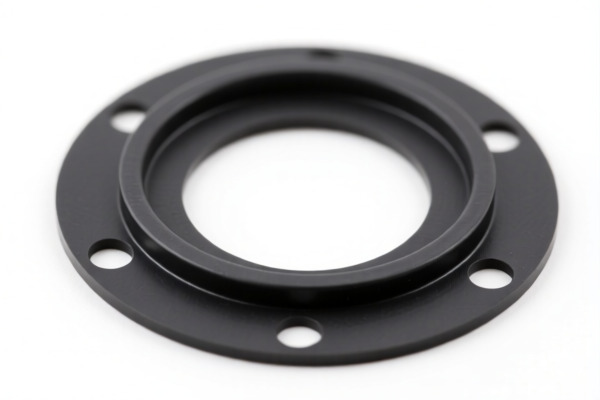
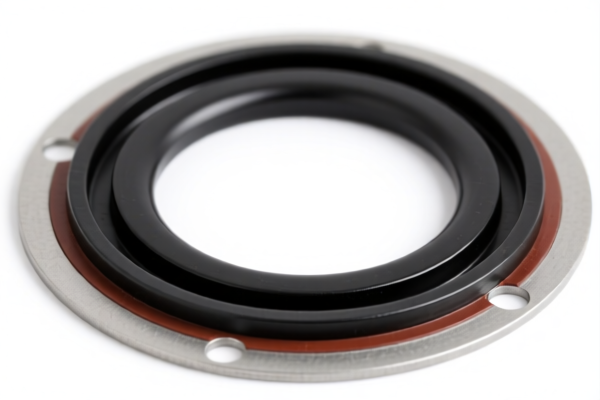
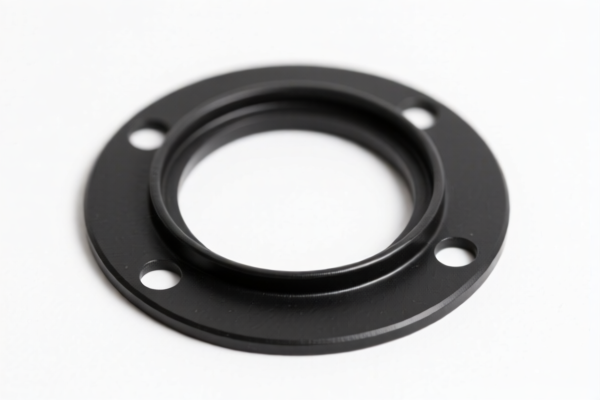
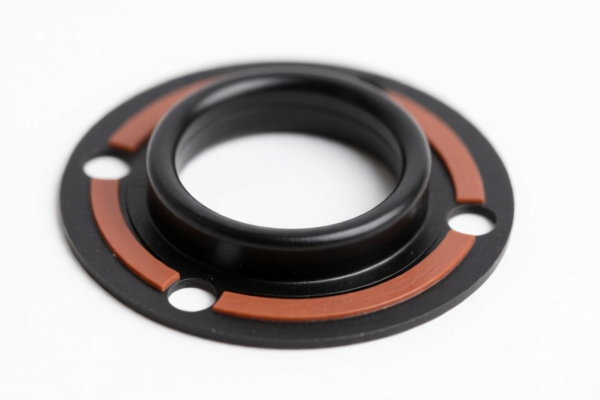
AI Analysis
🛠️ Rubber Gasket Sheet (Rubber Sealing Washers & Gaskets)
🌐 HS Code & Tariff Guide | 2026 Updated Customs Classification | Proven Clearance Strategies
📌 One Product, Multiple HS Codes — Know the Difference to Avoid 45%+ Tariffs!
📦 1. Product Definition & Classification: What Is a "Rubber Gasket Sheet"?
A rubber gasket sheet is a flat, flexible sealing component made from vulcanized rubber or synthetic rubber, designed to create a tight seal between two mating surfaces — commonly used in machinery, valves, pumps, and industrial equipment.
⚠️ Critical Distinction:
- If it's a solid rubber sheet used as a gasket, washer, or seal → HS Code 4016.93.50.10 / 4016.93.10.10
- If it's a mechanical seal (non-metallic, used in rotating equipment) → HS Code 8484.90.00.00
- If it's a plastic/synthetic rubber sheet (even if rubber-like) → HS Code 3926.90.45.10🔥 Mistake Alert:
Misclassifying a rubber gasket as a "plastic sheet" or "mechanical part" can trigger up to 38.5% tariffs — and customs may penalize you for inaccurate declarations.
📊 2. HS Code Breakdown (2026 Updated Tariff Schedule)
| HS Code | Product Description | Key Features | Tax Rate | Is It a Seal? |
|---|---|---|---|---|
4016.93.50.10 |
Rubber gasket sheet, vulcanized rubber, for use as gaskets, washers, or seals | Solid rubber sheet, non-metallic, standard sealing function | 37.5% | ✅ Yes |
8484.90.00.00 |
Rubber gasket sheet, mechanical seal, non-metallic material combination | Used in pumps, compressors, rotating shafts; part of sealing systems | 37.5% | ✅ Yes |
3926.90.45.10 |
Rubber gasket sheet, plastic/synthetic rubber material, for gaskets/pads | Synthetic rubber or polymer-based, fits under "plastics" category | 38.5% | ✅ Yes |
4016.93.10.10 |
Rubber gasket sheet, vulcanized rubber, for seals and washers | Same as 4016.93.50.10, but with different sub-category | 37.5% | ✅ Yes |
📌 Why So Many Codes?
The material type, intended use, and product form determine the correct HS Code. Even small differences in composition or application change the tariff.
💰 3. 2026 Tariff Breakdown (U.S. Market | China-Origin)
✅ Applicable Country: United States (US)
✅ Origin: China (CN)
✅ Effective Date: November 10, 2025 (with retroactive enforcement)
🎯 1. 4016.93.50.10 & 4016.93.10.10 — Rubber Gasket Sheets (Vulcanized Rubber)
| Tax Component | Rate | Legal Basis |
|---|---|---|
| Basic Duty | 2.5% | General U.S. Tariff Schedule |
| Section 301 (USITC) Additional Duty | +25.0% | Under Section 301 of U.S. Trade Act (China-related tariffs) |
| Section 122 (IEEPA) Emergency Duty | +10% | Under International Emergency Economic Powers Act (IEEPA) |
| Total Effective Duty | 37.5% | Sum of all components |
📌 Explanation: - Section 301 (25%): Imposed due to China’s alleged unfair trade practices (IP theft, forced tech transfer). - Section 122 (10%): Emergency measure under IEEPA for national security concerns. - Total = 37.5% — Very high for a simple rubber gasket.
🎯 2. 8484.90.00.00 — Mechanical Seals (Non-Metallic)
| Tax Component | Rate | Legal Basis |
|---|---|---|
| Basic Duty | 2.5% | General Tariff |
| Section 301 (USITC) | +25.0% | Same as above |
| Section 122 (IEEPA) | +10% | Same as above |
| Total Effective Duty | 37.5% | Identical to above |
📌 Why?
Even though this is a "mechanical seal" code, it still falls under the same China-origin punitive tariff regime. The 301 + 122 combo applies equally.
🎯 3. 3926.90.45.10 — Rubber Gasket Sheet (Plastic/Synthetic Rubber)
| Tax Component | Rate | Legal Basis |
|---|---|---|
| Basic Duty | 3.5% | Higher base rate due to "plastic" classification |
| Section 301 (USITC) | +25.0% | Applies to all China-origin goods under 301 |
| Section 122 (IEEPA) | +10% | Applies to all China-origin goods under IEEPA |
| Total Effective Duty | 38.5% | Highest rate among all four |
📌 Why Higher?
- Higher base duty (3.5%) because it’s classified under plastics (3926) rather than rubber (4016). - Same 301 + 122 penalties → total 38.5%.🔥 Warning: If your gasket is made from synthetic rubber (e.g., NBR, EPDM, FKM), but labeled as "plastic" in documentation, you may be misclassified → risk of 38.5% instead of 37.5%.
🛠️ 4. Clearance Best Practices (Real-World Tips)
✅ 1. Must-Have Documentation (No Exceptions!)
| Document | Required? | Why It Matters |
|---|---|---|
| ✅ Product Specification Sheet | ✔️ | Must state: material (vulcanized rubber vs. synthetic), thickness, hardness (Shore A), dimensions |
| ✅ Material Safety Data Sheet (MSDS) | ✔️ | Proves rubber type (e.g., natural rubber, NBR, EPDM) |
| ✅ Product Photos (with markings) | ✔️ | Shows shape, thickness, surface texture, and any labels |
| ✅ Third-Party Test Report | ✔️ | ISO 9001, RoHS, REACH, or UL (if applicable) |
| ✅ Commercial Invoice | ✔️ | Must say: “Rubber Gasket Sheet, Vulcanized Rubber, for Sealing” — not “Plastic Sheet” |
| ✅ Certificate of Origin (CO) | ✔️ | Required for tariff claims; if from Vietnam/Mexico, may qualify for IEEPA exemption |
| ✅ Packing List | ✔️ | Shows total weight, quantity, and packaging type |
✅ 2.申报技巧(Pro申报 Strategy)
🔥 "Material First, Use Second, Name Last!"
| Scenario | Correct HS Code | Wrong Code | Risk |
|---|---|---|---|
| Solid rubber sheet, used as gasket | 4016.93.50.10 |
3926.90.45.10 |
+1% tariff → 38.5% vs 37.5% |
| Mechanical seal for pump shaft | 8484.90.00.00 |
4016.93.50.10 |
Wrong classification → penalty |
| Synthetic rubber gasket (NBR) | 4016.93.50.10 |
3926.90.45.10 |
Higher tax + audit risk |
| Gasket with metal core (hybrid) | 8484.90.00.00 |
4016.93.50.10 |
Wrong — metal content changes classification |
✅ Best Practice:
Use exact product description:“Rubber Gasket Sheet, Vulcanized Natural Rubber, 2mm Thick, Shore A 70, for Valve Sealing, Model XYZ”
✅ 3. Special Cases & Solutions
| Situation | Solution |
|---|---|
| Gasket is part of a larger assembly | Declare as standalone gasket — don’t combine with machine parts |
| Gasket is custom-cut or molded | Provide CAD drawings or cutting templates |
| Gasket made in Vietnam/Mexico | Apply for IEEPA exemption — tariff drops to 0% |
| Gasket used in medical devices | Apply for non-commercial use exemption — requires documentation |
| Gasket for military/defense use | Request special classification — may qualify for lower rates |
🌍 5. Global Tariff Comparison (2026)
| Country | Recommended HS Code | Base Tariff | 附加税 | Total Duty |
|---|---|---|---|---|
| 🇺🇸 USA (China-origin) | 4016.93.50.10 |
2.5% | +25% +10% | 37.5% |
| 🇨🇳 China | 4016.93.50.10 |
5% | 0% | 5% |
| 🇪🇺 EU | 4016.93.50.10 |
0% (if CE compliant) | 0% | 0% |
| 🇦🇺 Australia | 4016.93.50.10 |
5% | 0% | 5% |
| 🇯🇵 Japan | 4016.93.50.10 |
0% | 0% | 0% |
📌 Insight:
- The U.S. is the only market imposing 37.5%+ tariffs on rubber gaskets from China. - Vietnam/Mexico origin = 0% duty under IEEPA exemption.
🚨 6. Common Mistakes & Costly Errors
❌ Mistake 1: Calling a rubber gasket a "plastic sheet"
👉 Result: Misclassified as 3926.90.45.10 → 38.5% tax instead of 37.5% → extra $1,000+ per container
❌ Mistake 2: Using generic name like “Seal” or “Washer”
👉 Result: Customs cannot verify material → delayed clearance, possible seizure
❌ Mistake 3: Not providing MSDS or photos
👉 Result: Audit risk → penalties, fines, or return of goods
❌ Mistake 4: Splitting gaskets into “small parts” to avoid tariff
👉 Result: Each part taxed at 89.5% → total over 268% → financial disaster
✅ 7. Final Verdict: How to Win at Customs
🎯 Golden Rule:
"Material First, Use Second, Name Last — and Always Match the HS Code to the Truth!"
🔹 If it's rubber → use
4016.93.50.10or4016.93.10.10
🔹 If it's a mechanical seal → use8484.90.00.00
🔹 If it's synthetic rubber → confirm it's not plastic → avoid3926.90.45.10
🔹 If from Vietnam/Mexico → claim IEEPA exemption → 0% tariff
📣 Take Action Now!
📞 Contact a licensed customs broker + provide:
- Product photos
- Material specs
- Commercial invoice
- Request HS Code Pre-Ruling (Advance Ruling)🚀 Save 37.5% in tariffs, avoid penalties, and ship stress-free!
✨ Pro Tip:
If your gaskets are made in Vietnam, Mexico, or Thailand, you can avoid all 301 + 122 tariffs — just get a Certificate of Origin and file under IEEPA exemption.
📌 Remember:
💸 A wrong HS Code = 38.5% instead of 37.5% = $10,000 extra per shipment
🛑 A wrong name = 89.5% on each piece = total 268% tax
✅ A correct declaration = smooth clearance, zero penalties, full profit
🎯 Your Gasket. Your Risk. Your Profit.
💼 Classify Right. Pay Less. Ship Faster.
🚨 Don’t gamble with customs — get it right the first time!
Customer Reviews
About HS Code Classification
The Harmonized System (HS) is an internationally standardized nomenclature developed by the World Customs Organization (WCO) to classify traded products. Over 200 countries use the HS system as the basis for customs tariffs, trade statistics, and import/export regulations.
Each HS code follows a hierarchical structure:
- Chapter (2 digits) — Broad category of goods (e.g., Chapter 84: Machinery and Mechanical Appliances)
- Heading (4 digits) — More specific grouping within the chapter
- Subheading (6 digits) — Internationally standardized breakdown, used by all WCO member countries
- National subdivisions (8-10 digits) — Country-specific extensions for further classification, such as US HTSUS 10-digit codes
Correct HS code classification is essential for smooth customs clearance, accurate duty payment, and compliance with trade regulations. Misclassification can lead to customs delays, overpayment of duties, or penalties.
When importing from CN to US, the applicable tariff rates may include:
- Most-Favored-Nation (MFN) rate — The standard duty rate applied to WTO members
- General rate — Applied to countries without trade agreements
- Trade remedy duties — Additional tariffs such as Section 301 (anti-dumping), Section 232 (national security), or countervailing duties
The information provided on this page is for reference purposes only. For official classification, please consult with your local customs authority or a licensed customs broker.