Rubber impregnated Knitted Artificial Fiber Gloves
CN → US| HS Code | Tariff Rate | Origin | Destination | Doc |
|---|---|---|---|---|
| 4015195100 | 49.0% | CN | US | Official Doc |
| 9018390020 | 10.0% | CN | US | Official Doc |
| 9018390050 | 10.0% | CN | US | Official Doc |
| 3926201050 | 10.0% | CN | US | Official Doc |
| 4015191150 | 38.0% | CN | US | Official Doc |
Product Images
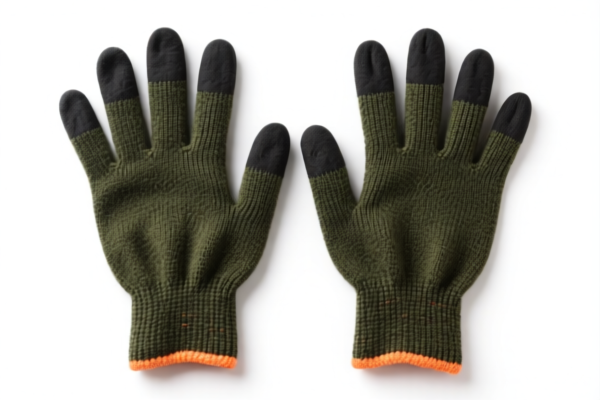
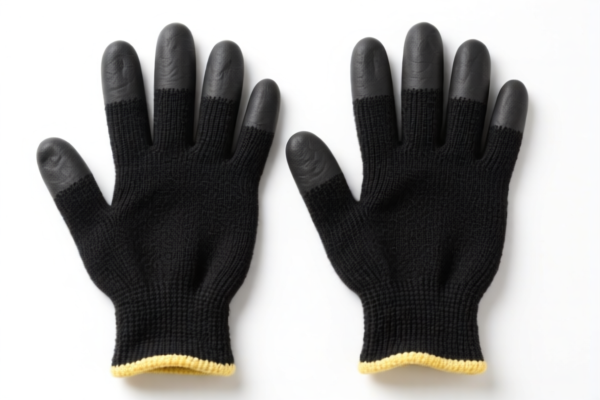


AI Analysis
🧤 Rubber Impregnated Knitted Artificial Fiber Gloves (Gloves with Finger Cots/Implements)
🌐 HS Code Reference & Customs Clearance Guide | 2026 Latest Tariff Analysis | Professional Clearance Strategy
📌 I. Product Definition & Classification: Do You Really Understand "Rubber Impregnated Gloves"?
Rubber impregnated knitted artificial fiber gloves are composite protective wear. They consist of a base layer made of knitted artificial fibers (such as nylon, polyester, or acrylic) that are impregnated or coated with rubber (natural or synthetic, e.g., latex, nitrile, PVC).
In international trade, these products are often confused with medical catheters, medical instruments, or composite polymer materials. The core distinction lies in the primary function and structural composition:
- Protective/Industrial Gloves: If the item is a full glove, mitten, or specifically cut finger cot/cap designed for hand protection, hygiene, or handling, it generally falls under Chapter 40 (Rubber).
- Medical Devices: If the item is technically a "finger cot" used strictly as a medical implement (e.g., for catheterization, surgical examination, or as an extension of a medical probe) and lacks the structural integrity of a general-purpose glove, it might be argued for Chapter 90 (Medical Instruments).
- Composite Materials: If sold as a raw material or a generic "rubber-coated fabric" component for further manufacturing, it may fall under Chapter 39 or 40 non-glove categories.
⚠️ Key Distinction Point: - If it is a finger cot or glove used for protection/hygiene → Chapter 40 (Rubber). - If it is a medical probe/catheter accessory specifically designed for clinical diagnosis/treatment → Chapter 90 (Medical). - If it is a raw composite sheet or generic coated fabric → Chapter 39/40 non-glove.
📦 II. HS Code Classification Details (2026 Latest Tariff Authority Comparison)
Based on the specific data provided, here are the four possible classifications for "Rubber Impregnated Knitted Artificial Fiber Gloves" (often categorized under "Finger Cots" or "Implements"):
| HS Code | Product Description | Application Scenario | Tariff Complexity |
|---|---|---|---|
4015.19.51.00 |
Rubber impregnated finger cots/gloves classified as Sulfur-vulcanized rubber gloves and accessories. | Standard hygiene gloves, industrial handling, general-purpose finger protection. | ⚠️ High Risk (High Total Tax) |
9018.39.00.20 |
Rubber impregnated finger cots classified as Medical catheters/derivatives. | Finger cots used specifically for medical procedures (e.g., examination, catheter insertion assistance). | ✅ Low Tax |
9018.39.00.50 |
Rubber impregnated finger cots classified as Other medical instruments/appliances. | Specialized medical finger protective gear not covered by other medical headings. | ✅ Low Tax |
3926.20.10.50 |
Rubber impregnated finger cots classified as Composite gloves made of polymer materials. | General polymer composite items, potentially for non-medical, non-industrial specific uses (less common for true "rubber" goods). | ✅ Low Tax |
4015.19.11.50 |
Rubber impregnated finger cots classified as Other accessories of vulcanized rubber apparel. | Rubber-coated clothing accessories, less common for simple finger cots unless part of a suit. | ⚠️ High Risk (Medium-High Tax) |
🔍 Critical Reminder: -
4015.19.51.00is the most common classification for standard rubber-dipped finger cots/gloves but carries the highest tax burden (49%). -9018.39.00.20and9018.39.00.50offer the lowest tax (10%) but require strong justification that the product is a medical device/accessory, not just a general-purpose glove. -3926.20.10.50is a "catch-all" for polymer composite goods but may be challenged if the rubber content is significant.
💰 III. 2026 Latest Tariff Rate Breakdown (Including Surcharges & Policy Add-ons)
✅ Applicable Country: United States (US)
✅ Origin: China (CN)
✅ Effective Date: Post-November 2025 (Including subsequent imports)
🎯 1. 4015.19.51.00 —— Rubber-Glove Class (Sulfur-Vulcanized Rubber Gloves)
| Item | Content |
|---|---|
| Base Tariff | 14.0% (Ad Valorem) |
| Section 301 Surcharge | +25.0% |
| 122 Provision Surcharge | +10.0% |
| Total Tax Rate | 49.0% |
| Tax Calculation | CIF Value × 49% |
| De Minimis Exemption | ❌ Not Eligible |
| Legal Basis Path | Section 301: Footnote 9903.88.01 → IEEPA: 9903.01.25 → USITC: 4015.19.51.00 |
📌 Explanation: - This classification treats the product as a standard rubber glove. - The 14% base tariff is high for rubber products. - Combined with the 25% Section 301 tariff and 10% Section 122 tariff, the total cost is prohibitive for low-margin goods. - Result: 49% Total Tax. This is the default, safest, but most expensive classification.
🎯 2. 9018.39.00.20 —— Medical Catheter Derivative
| Item | Content |
|---|---|
| Base Tariff | 0.0% |
| Section 301 Surcharge | 0.0% |
| 122 Provision Surcharge | +10.0% |
| Total Tax Rate | 10.0% |
| Tax Calculation | CIF Value × 10% |
| De Minimis Exemption | ❌ Not Eligible (Subject to IEEPA) |
| Legal Basis Path | IEEPA: 9903.01.25 → USITC: 9018.39.00.20 → FOOTNOTE: 9903.88.01 |
📌 Explanation: - Medical instruments often enjoy 0% base tariff. - Section 301 (25%) does not apply to most medical devices under Chapter 90. - However, the 122 Provision (10%) still applies to Chinese-origin goods. - Result: 10% Total Tax. Significant savings vs. 49%.
🎯 3. 9018.39.00.50 —— Other Medical Instruments
| Item | Content |
|---|---|
| Base Tariff | 0.0% |
| Section 301 Surcharge | 0.0% |
| 122 Provision Surcharge | +10.0% |
| Total Tax Rate | 10.0% |
| Tax Calculation | CIF Value × 10% |
| De Minimis Exemption | ❌ Not Eligible |
| Legal Basis Path | IEEPA: 9903.01.25 → USITC: 9018.39.00.50 |
📌 Explanation: - Similar to
9018.39.00.20, this is a medical classification. - Result: 10% Total Tax. Ideal for FDA-registered medical finger cots.
🎯 4. 3926.20.10.50 —— Polymer Composite Gloves
| Item | Content |
|---|---|
| Base Tariff | 0.0% |
| Section 301 Surcharge | 0.0% |
| 122 Provision Surcharge | +10.0% |
| Total Tax Rate | 10.0% |
| Tax Calculation | CIF Value × 10% |
| De Minimis Exemption | ❌ Not Eligible |
| Legal Basis Path | IEEPA: 9903.01.25 → USITC: 3926.20.10.50 |
📌 Explanation: - Classified under Chapter 39 (Plastics/Polymer Articles) rather than Rubber. - Avoids the high base tariff of Chapter 40. - Result: 10% Total Tax. Viable if the product can be defined as a composite polymer item rather than a pure rubber glove.
🎯 5. 4015.19.11.50 —— Rubber Apparel Accessory
| Item | Content |
|---|---|
| Base Tariff | 3.0% |
| Section 301 Surcharge | +25.0% |
| 122 Provision Surcharge | +10.0% |
| Total Tax Rate | 38.0% |
| Tax Calculation | CIF Value × 38% |
| De Minimis Exemption | ❌ Not Eligible |
| Legal Basis Path | Section 301: Footnote 9903.88.01 → IEEPA: 9903.01.25 → USITC: 4015.19.11.50 |
📌 Explanation: - Lower base tariff (3%) than
4015.19.51.00(14%), but still subject to the 25% Section 301. - Result: 38% Total Tax. Better than 49%, but still significantly higher than the medical/polymer options.
🛠️ IV. Customs Clearance Practical Advice (Real-World Pitfall Avoidance)
✅ 1. Documentation Checklist (Non-Negotiable)
| Document | Required | Explanation |
|---|---|---|
| ✅ Product Specifications | ✔️ | Detail the knitted fiber material (e.g., Nylon 6) and rubber type (e.g., Latex, Nitrile). |
| ✅ Usage Declaration | ✔️ | Crucial: If claiming 9018, state "For Medical Use Only" or "For Clinical Examination". |
| ✅ FDA Registration Letter | ✔️ | If using 9018.39, provide FDA establishment registration to prove medical device status. |
| ✅ Composition Analysis | ✔️ | Lab report showing % of rubber vs. polymer to support 3926 or 4015 classification. |
| ✅ Commercial Invoice | ✔️ | Clearly describe as "Medical Finger Cot" or "Rubber-Dipped Glove" based on HS code. |
| ✅ Packing List | ✔️ | Ensure quantities match invoice. |
✅ 2. Declaration Strategy (Key Mnemonics)
🔥 "Medical Claim, 10% Rate; Glove Claim, 49% Rate! Documentation is Key!"
| Scenario | Correct Declaration | Wrong Declaration |
|---|---|---|
| Selling to Hospitals/Clinics | 9018.39.00.20 (Medical Catheter/Derivative) |
Misdeclare as 4015.19.51.00 → Pay 49% unnecessarily. |
| Selling to Industrial Workers | 4015.19.51.00 (Rubber Gloves) |
Try to claim 9018 without medical proof → Audit/Rejection. |
| Selling as Raw Material/Composite | 3926.20.10.50 (Polymer Article) |
Declare as finished glove → Risk of reclassification. |
| Selling as Rubber Apparel Part | 4015.19.11.50 (Accessory) |
Rarely used for finger cots; only if part of a suit kit. |
✅ 3. Special Cases Handling
| Case | Handling Suggestion |
|---|---|
| OEM Medical Gloves | Provide FDA registration and intended use statement from the buyer to support 9018 classification. |
| Dual-Use (Medical & Industrial) | If sold to both, consider separate shipments with different HS codes, or choose the safer 4015.19.51.00 if volume is low and risk tolerance is high. |
| "Finger Cot" vs. "Glove" | Finger cots are often scrutinized. If they are open-ended and used for examination, argue for 9018. If they are closed and used for grip/protection, argue for 4015. |
| Polymer vs. Rubber | If the rubber coating is thin (<50% by weight), consider 3926.20.10.50 to avoid Section 301. |
🌍 V. Global Market Comparison (2026 Latest)
| Country/Region | Recommended HS Code | Total Tax (China Origin) | Certification Required | Notes |
|---|---|---|---|---|
| 🇺🇸 USA | 9018.39.00.20 (Medical) |
10% | FDA Registration | Best for medical-grade finger cots. |
| 🇺🇸 USA | 4015.19.51.00 (Glove) |
49% | None | Default for general-purpose gloves. |
| 🇪🇺 EU | 4015.19.90 |
0-4% | CE (if medical) | No Section 301/122 surcharges. |
| 🇨🇳 China | 4015.19.90 |
5-10% | CCC (if applicable) | Low tax, but domestic consumption. |
📌 Conclusion: - The US market is the most complex due to Section 301 and 122 tariffs. - Medical classification (
9018) offers a 39% tax saving compared to the standard glove classification (4015). - Risk: Customs may audit the "medical" claim. Ensure FDA compliance and clear intended use.
📌 VI. Common Errors & Pitfall Guide (Lessons Learned)
❌ Mistake 1: Declaring medical finger cots as 4015.19.51.00 because "it's a glove."
👉 Consequence: Pay 49% tax instead of 10%. $39,000 extra tax on $1M shipment.
❌ Mistake 2: Claiming 9018 without FDA registration or medical proof.
👉 Consequence: Customs reclassifies to 4015.19.51.00, demands back taxes + penalties.
❌ Mistake 3: Using 3926.20.10.50 for heavily rubber-coated gloves.
👉 Consequence: Customs challenges the "polymer" classification due to high rubber content, leading to delays.
❌ Mistake 4: Ignoring the 122 Provision (10%) even for medical goods.
👉 Consequence: Underpayment of 10% tax, resulting in late fees.
✅ Correct Approach:
"FDA-Registered Medical Finger Cot, Latex-Impregnated Nylon Knit, for Clinical Examination Use. HS Code:
9018.39.00.20."
🎯 VII. Conclusion: Precise Classification, Maximizing Profit!
🎯 Remember the Mantra:
🔹 "Medical = 10% (122 Only); Glove = 49% (Base + 301 + 122)."
🔹 "Document the Medical Use, Keep the FDA Letter, Save the 39%!"
📌 Pro Tip:
If your product is exported to the US, and you are selling medical-grade finger cots, always use 9018.39.00.20 or 9018.39.00.50.
For industrial/general gloves, accept 4015.19.51.00 and factor the 49% cost into your pricing.
📣 Immediate Action:
📞 Consult a Customs Broker: Provide your product samples and FDA registration.
📄 Apply for an Advance Ruling: Secure the 10% tax rate before shipping.
🚀 Optimize Your Supply Chain: Ensure your documentation matches your HS Code claim.
✨ Professional Clearance Starts with Accurate Classification!
💼 Every Percent Saved is Pure Profit!
Customer Reviews
About HS Code Classification
The Harmonized System (HS) is an internationally standardized nomenclature developed by the World Customs Organization (WCO) to classify traded products. Over 200 countries use the HS system as the basis for customs tariffs, trade statistics, and import/export regulations.
Each HS code follows a hierarchical structure:
- Chapter (2 digits) — Broad category of goods (e.g., Chapter 84: Machinery and Mechanical Appliances)
- Heading (4 digits) — More specific grouping within the chapter
- Subheading (6 digits) — Internationally standardized breakdown, used by all WCO member countries
- National subdivisions (8-10 digits) — Country-specific extensions for further classification, such as US HTSUS 10-digit codes
Correct HS code classification is essential for smooth customs clearance, accurate duty payment, and compliance with trade regulations. Misclassification can lead to customs delays, overpayment of duties, or penalties.
When importing from CN to US, the applicable tariff rates may include:
- Most-Favored-Nation (MFN) rate — The standard duty rate applied to WTO members
- General rate — Applied to countries without trade agreements
- Trade remedy duties — Additional tariffs such as Section 301 (anti-dumping), Section 232 (national security), or countervailing duties
The information provided on this page is for reference purposes only. For official classification, please consult with your local customs authority or a licensed customs broker.