Rubber tire repair flap
CN → US| HS Code | Tariff Rate | Origin | Destination | Doc |
|---|---|---|---|---|
| 4008111000 | 35.0% | CN | US | Official Doc |
| 4008210000 | 35.0% | CN | US | Official Doc |
| 4016990500 | 20.9% | CN | US | Official Doc |
| 4016996050 | 37.5% | CN | US | Official Doc |
| 4013100010 | 38.7% | CN | US | Official Doc |
Product Images
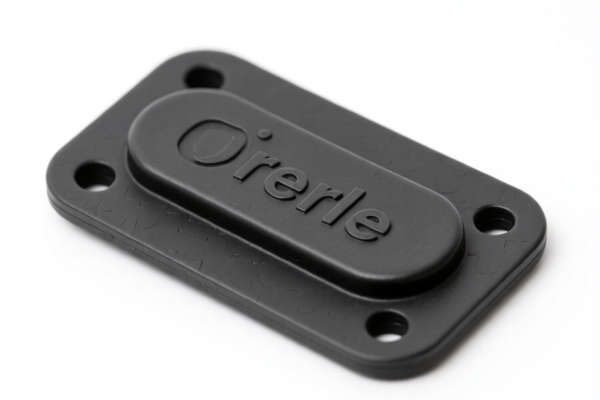
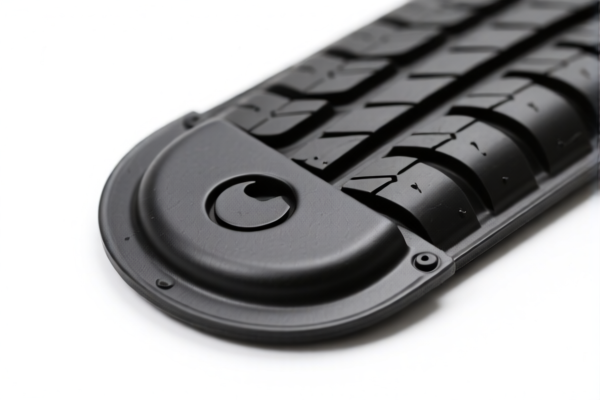
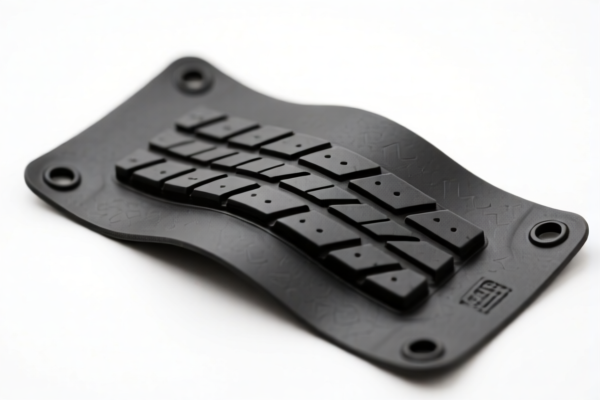
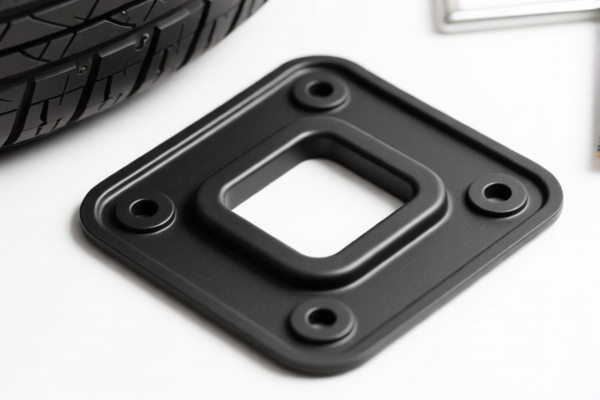
AI Analysis
🛠️ Rubber Tire Repair Flap (Rubber Patch)
🌐 HS Code Reference & Customs Clearance Guide | 2026 Latest Tariff Analysis | Professional Clearance Strategy
📌 I. Product Definition and Classification: What is a "Rubber Tire Repair Flap"?
A Rubber Tire Repair Flap (also known as a rubber patch, cureless patch, or vulcanized rubber patch) is a specialized accessory used in the maintenance and repair of pneumatic tires. In international trade, its classification depends heavily on its form, material state (vulcanized vs. non-vulcanized), and specific application.
The core material is Vulcanized Rubber (硫化橡胶). However, the HS Code shifts based on whether it is classified as a generic "slab, sheet, or strip" of rubber or a specific "other vulcanized rubber article."
⚠️ Key Distinction Point:
- If the flap is strictly defined as a slab, sheet, or strip of vulcanized rubber (even if cut for repair), it often falls under Chapter 40 heading 4008.
- If it is viewed as a finished article or a specific use-case item not listed elsewhere, it may fall under 4016 (Other articles of vulcanized rubber).
- Crucial Note: While commonly called "tire repair," these flaps are rarely classified under Tire Headings (4011/4012) because they are not tires themselves, nor are they interchangeable tire parts like treads. They are treated as rubber materials or general rubber articles.
📦 II. HS Code Classification Details (2026 Latest Tariff Authority Comparison)
| HS Code | Product Description | Application Scenario | Classification Logic |
|---|---|---|---|
4008.11.10.00 |
Rubber Repair Flap (Sheet/Strip Form) Vulcanized rubber, in slabs, sheets, or strips. |
General purpose patches, bulk supply for tire repair shops. | Matches the "slab, sheet, or strip" characteristic of vulcanized rubber. |
4008.21.00.00 |
Rubber Repair Flap (Non-foam) Non-cellular rubber, in slabs, sheets, or strips. |
High-density patches, industrial-grade repairs. | Specifically excludes foam; focuses on the physical form (sheet) rather than end-use. |
4016.99.05.00 |
Rubber Repair Flap (General Purpose) Other vulcanized rubber articles, for household or general use. |
When customs authorities view the flap as a "finished article" rather than raw material/sheet. | "N.o.s. (not elsewhere specified)" household/general use category. |
4016.99.60.50 |
Rubber Repair Flap (Other) Other vulcanized rubber articles, not vehicle-specific. |
Non-vehicle specific repairs, or when "sheet" classification is disputed. | Broad catch-all for rubber articles not specified in other 4016 subheadings. |
4013.10.00.10 |
Rubber Tire Repair Flap (Misclassification Risk) Specifically matched to tire material/usage. |
Rare/Error Case: Only if declared explicitly as a "Tire Component" with identical core elements to tires. | ⚠️ Warning: This code is for Tires. Using this for a flap/patch is risky unless strictly defined as a tire part. See detailed analysis below. |
🔍 Key Reminder:
-4008Series: Best for bulk, sheet-form patches. Lower risk if you can prove it's sold as "sheets/strips."
-4016Series: Best for finished, cut-to-shape patches. Higher risk of additional duties if viewed as a "general good."
-4013Series: High Risk. Most customs authorities will reject "repair flaps" as tires. Only use if the flap is integral to a tire assembly and declared as such.
💰 III. 2026 Latest Tariff Rate Details (Including Additional Taxes & Policy Add-ons)
✅ Applicable Country: United States (US)
✅ Origin: China (CN)
✅ Effective Date: November 10, 2025 onwards (for subsequent imports)
🎯 1. 4008.11.10.00 — Rubber Repair Flap (Vulcanized, Sheet/Strip)
| Item | Detail |
|---|---|
| Base Rate | 0.0% (ad valorem) |
| USITC Additional Duty | +25.0% (Section 301) |
| 122 Section Duty | +10.0% (Specific to certain rubber goods from China) |
| Total Tax Rate | 35.0% |
| Tax Calculation | CIF Value × 35.0% |
| De Minimis Eligibility | ❌ No (deny_de_minimis) |
| Legal Basis Path | Base: 4008.11 → 301: +25% → 122: +10% |
📌 Explanation:
- The 25% is the standard Section 301 tariff on Chinese rubber products.
- The 10% is a specific "122 Section" duty, often applied to rubber goods that have a specific national security or trade balance concern.
- Total 35% is significant. Ensure your invoice value accurately reflects the CIF cost.
🎯 2. 4008.21.00.00 — Rubber Repair Flap (Non-Foam, Sheet/Strip)
| Item | Detail |
|---|---|
| Base Rate | 0.0% |
| USITC Additional Duty | +25.0% (Section 301) |
| 122 Section Duty | +10.0% |
| Total Tax Rate | 35.0% |
| Tax Calculation | CIF Value × 35.0% |
| De Minimis Eligibility | ❌ No |
| Legal Basis Path | Base: 4008.21 → 301: +25% → 122: +10% |
📌 Note:
- Identical tax treatment to4008.11.
- Non-foam is key. If your repair flaps are foam-backed (rare for tire repair), they might fall under4008.19or4008.99, which could have different rates. Stick to "non-foam" for this code.
🎯 3. 4016.99.05.00 — Rubber Repair Flap (General Purpose)
| Item | Detail |
|---|---|
| Base Rate | 3.4% |
| USITC Additional Duty | +7.5% (Note: Lower than 301 section? See analysis below) |
| 122 Section Duty | +10.0% |
| Total Tax Rate | 20.9% |
| Tax Calculation | CIF Value × 20.9% |
| De Minimis Eligibility | ❌ No |
| Legal Basis Path | Base: 4016.99 → USITC: +7.5% → 122: +10% |
📌 Critical Insight:
- This code has a lower total tax rate (20.9%) compared to the4008series (35%).
- Why is USITC only 7.5%? Some rubber articles under 4016 may benefit from lower additional duty rates or are excluded from the highest 301 bracket depending on specific USITC footnotes.
- Strategy: If your product can be reasonably argued as a "general vulcanized rubber article" (4016) rather than "rubber sheet" (4008), this code is highly advantageous. However, it requires strong justification that it is a "finished article" and not a raw sheet.
🎯 4. 4016.99.60.50 — Rubber Repair Flap (Other)
| Item | Detail |
|---|---|
| Base Rate | 2.5% |
| USITC Additional Duty | +25.0% (Section 301) |
| 122 Section Duty | +10.0% |
| Total Tax Rate | 37.5% |
| Tax Calculation | CIF Value × 37.5% |
| De Minimis Eligibility | ❌ No |
| Legal Basis Path | Base: 4016.99 → 301: +25% → 122: +10% |
📌 Warning:
- This is the highest tax rate in the dataset.
- Use this only if the product does not fit4008(sheet) and is not "general household" (4016.99.05). It is a "catch-all" with no tariff relief.
🎯 5. 4013.10.00.10 — Rubber Tire Repair Flap (Tire Classification)
| Item | Detail |
|---|---|
| Base Rate | 3.7% |
| USITC Additional Duty | +25.0% (Section 301) |
| 122 Section Duty | +10.0% |
| Total Tax Rate | 38.7% |
| Tax Calculation | CIF Value × 38.7% |
| De Minimis Eligibility | ❌ No |
| Legal Basis Path | Base: 4013.10 → 301: +25% → 122: +10% |
📌 Explanation:
- This code is for Tires.
- Risk: Customs may reject this classification for a "repair flap" because it is not a tire. If rejected, you will face penalties, back taxes, and delays.
- Benefit: If you can prove the flap is an integral part of a tire (e.g., sold as a "Tubeless Tire Repair Kit" with the tire), this might be argued. But for standalone flaps, avoid this code unless you have a pre-ruling.
🛠️ IV. Customs Clearance Practical Advice (Real-World Pitfall Guide)
✅ 1. Documentation Checklist (Mandatory)
| Document | Required | Purpose |
|---|---|---|
| ✅ Product Specification Sheet | ✔️ | Must state: Material (Vulcanized Rubber), Form (Sheet/Strip/Pre-cut), Thickness, Hardness (Shore A). |
| ✅ Commercial Invoice | ✔️ | Clear description: "Vulcanized Rubber Patches for Tire Repair" or "Rubber Slabs." Avoid vague terms like "Rubber Goods." |
| ✅ Photos of Product | ✔️ | Show the flap’s shape, thickness, and packaging. Prove it is not a tire. |
| ✅ Certificate of Origin (CO) | ✔️ | Essential for proving Chinese origin to apply (or deny) 301/122 duties. |
| ✅ Bill of Lading (B/L) | ✔️ | Ensure weight and volume match invoice. |
✅ 2. Declaration Tips (Key Mnemonics)
🔥 “Form Defines Code, Sheet vs. Article, 4008 vs. 4016, Think Twice!”
| Scenario | Recommended HS Code | Reason |
|---|---|---|
| Bulk rubber sheets/strips for cutting | 4008.11.10.00 or 4008.21.00.00 |
Classified as "slab, sheet, strip." |
| Pre-cut, ready-to-use patches | 4016.99.05.00 |
Classified as "other vulcanized rubber articles." Lower Tax (20.9%)! |
| Foam-backed patches | Check 4008.19 or 4008.99 |
Not in the main dataset, but foam changes classification. |
| Tire Repair Kit (with tire) | 4013.10.00.10 |
Only if sold as a tire assembly. |
📌 Strategic Recommendation:
- If your repair flaps are pre-cut and shaped, argue for4016.99.05.00to benefit from the 20.9% tax rate.
- If they are raw sheets to be cut locally, use4008.11.10.00(35%).
- Avoid4016.99.60.50(37.5%) and4013.10.00.10(38.7%) unless necessary.
✅ 3. Special Case Handling
| Situation | Handling Advice |
|---|---|
| Mixed Containers | Declare rubber flaps separately from other rubber goods (e.g., hoses, belts) to avoid misclassification. |
| "No-Cure" Patches | Specify "Cureless" or "Vulcanizing" in description. If no vulcanization, they may fall under Chapter 40 Heading 4002 (Unvulcanized), which has different rates. |
| Small Packages (De Minimis) | ❌ Do not use. All codes listed have deny_de_minimis. Even small shipments are subject to full duty. |
| Labeling | Ensure labels say "For Tire Repair Only" to support 4016 classification as a "general article" rather than a tire part. |
🌍 V. Global Market Comparison (2026 Latest)
| Country/Region | Recommended HS Code | Tariff (China Origin) | Certification Req. | Notes |
|---|---|---|---|---|
| 🇺🇸 USA | 4016.99.05.00 |
20.9% (Best Option) | None specific | High 301/122 duties on 4008 series. |
| 🇨🇳 China | 4008.11.10.00 |
5-10% | CCC (if applicable) | Import duties lower; focus on VAT. |
| 🇪🇺 EU | 4008.11.00 |
4.2% + Anti-dumping? | REACH, RoHS | Check for anti-dumping on rubber products. |
| 🇬🇧 UK | 4008.11.00 |
4.2% | UKCA | Post-Brexit rules apply. |
| 🇦🇺 Australia | 4008.11.00 |
5% | ACCC | No major anti-dumping. |
📌 Conclusion:
- USA is the most complex market due to 301 and 122 duties.
- Optimization Strategy: Classify pre-cut flaps as4016.99.05.00to save ~14% in taxes compared to4008series.
📌 VI. Common Mistakes & Pitfalls (Lessons Learned)
❌ Mistake 1: Classifying pre-cut patches as "Tires" (4013)
👉 Consequence: Customs rejection, penalties, and 38.7% tax + delay.
👉 Fix: Use 4016.99.05.00 for general rubber articles.
❌ Mistake 2: Declaring "Rubber Sheets" when products are "Pre-cut Patches"
👉 Consequence: 35% tax (4008) instead of 20.9% (4016.99.05).
👉 Fix: Provide photos showing pre-cut shapes to justify 4016.
❌ Mistake 3: Ignoring the 122 Section Duty
👉 Consequence: Underpayment of 10% on all rubber goods.
👉 Fix: Always add 10% to base + 301 duties for Chinese rubber imports to US.
❌ Mistake 4: Using "De Minimis" for small samples
👉 Consequence: Seizure of goods.
👉 Fix: All rubber repair flaps are not eligible for de minimis exemption in the US.
✅ Correct Practice:
"Pre-cut Vulcanized Rubber Patches for Tire Repair, 2mm Thickness, Non-Foam, For General Automotive Use"
🎯 VII. Conclusion: Professional Declaration, Cost Savings!
🎯 Remember the Mnemonic:
🔹 "Sheet is 4008 (35%), Cut is 4016 (20.9%), Tire is 4013 (38.7%)."
🔹 "122 Section adds 10% to all, 301 adds 25% (or 7.5% for 4016.05)."
🔹 "Pre-cut saves tax, raw sheet costs more!"
📌 Pro Tip:
If your product is originating from Vietnam, Thailand, or Malaysia, you may apply for IEEPA Exemption or lower 301 rates.
Recommend Applying for an Advance Ruling (Preliminary Ruling) from CBP to confirm 4016.99.05.00 eligibility for pre-cut flaps.
📣 Take Action Now:
📞 Contact a licensed customs broker + Provide product photos + Request HS Code Pre-Ruling
🚀 Ensure smooth clearance, lower taxes, and faster delivery for your rubber repair flaps!
✨ Professional clearance starts with accurate classification!
💼 Every percentage point saved is profit earned!
Customer Reviews
About HS Code Classification
The Harmonized System (HS) is an internationally standardized nomenclature developed by the World Customs Organization (WCO) to classify traded products. Over 200 countries use the HS system as the basis for customs tariffs, trade statistics, and import/export regulations.
Each HS code follows a hierarchical structure:
- Chapter (2 digits) — Broad category of goods (e.g., Chapter 84: Machinery and Mechanical Appliances)
- Heading (4 digits) — More specific grouping within the chapter
- Subheading (6 digits) — Internationally standardized breakdown, used by all WCO member countries
- National subdivisions (8-10 digits) — Country-specific extensions for further classification, such as US HTSUS 10-digit codes
Correct HS code classification is essential for smooth customs clearance, accurate duty payment, and compliance with trade regulations. Misclassification can lead to customs delays, overpayment of duties, or penalties.
When importing from CN to US, the applicable tariff rates may include:
- Most-Favored-Nation (MFN) rate — The standard duty rate applied to WTO members
- General rate — Applied to countries without trade agreements
- Trade remedy duties — Additional tariffs such as Section 301 (anti-dumping), Section 232 (national security), or countervailing duties
The information provided on this page is for reference purposes only. For official classification, please consult with your local customs authority or a licensed customs broker.