Rubberized Textile Fabric
CN → USProduct Images
AI Analysis
🛍️ Rubberized Textile Fabric (Rubberized Cloth)
🌐 HS Code Reference & Customs Clearance Guide | 2026 Latest Tariff Analysis | Professional Clearance Strategy
📌 I. Product Definition & Classification: Do You Really Know "Rubberized Fabric"?
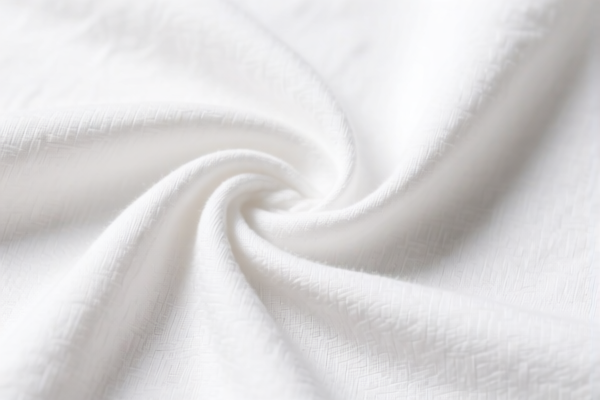
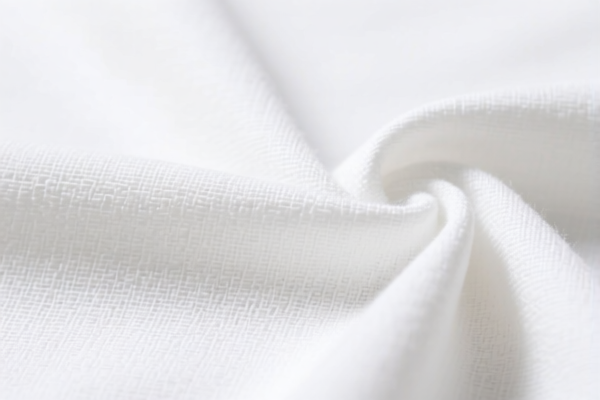
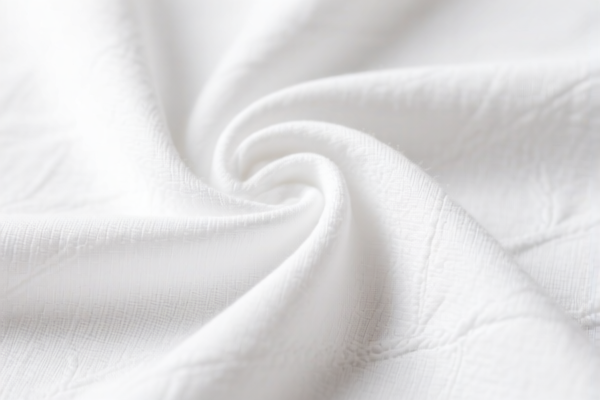
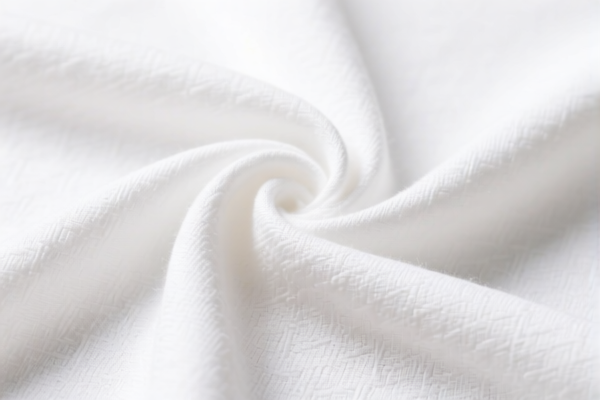
Rubberized Textile Fabric refers to textile materials (such as cotton, nylon, polyester, or canvas) that have been coated, impregnated, or laminated with rubber, latex, PVC, or other polymer substances to make them waterproof, airtight, or elastic.
In international trade, the classification depends heavily on the base material and the processing method:
1. By Base Material:
- Textile-Based (Most Common): Cotton, synthetic fibers, etc., coated with rubber. → Usually falls under Chapter 59.
- Rubber-Based: Where rubber is the essential character, and textile is merely reinforcement. → May fall under Chapter 40 (Rubber articles).
2. By Processing Method:
- Impregnated/Coated: Liquid rubber applied to fabric.
- Laminated: Solid rubber sheet bonded to fabric.
⚠️ Key Distinction Point:
- If the textile provides the essential structure and rubber is just a surface treatment → Chapter 59.
- If the rubber layer dominates and the fabric is only a backing → Chapter 40 (e.g., rubber gloves, hose).
- Most commercial "Rubberized Fabric" for umbrellas, raincoats, tents, and luggage belongs to Chapter 59.
📦 II. HS Code Classification Details (2026 Latest Tariff Authority Comparison)
| HS Code | Product Description | Applicable Scenario | Base Material | Rubber Content |
|---|---|---|---|---|
5906.91.00.00 |
Rubberized textile fabrics, of cotton | Cotton canvas/rubber coating | 100% Cotton | High |
5906.99.10.00 |
Other rubberized textile fabrics, other than those of cotton | Synthetic blends, nylon, polyester | Synthetic | High |
5906.99.90.00 |
Other rubberized textile fabrics (not specified) | Mixed fibers, industrial uses | Mixed | High |
4009.31.00.00 |
Rubber tubes with internal or external reinforcement only (not textile core) | Rare for fabric | Rubber | N/A |
6302.93.00.00 |
Other bed linen, of man-made fibers | If used as mattress covers | Synthetic | Low/None |
🔍 Key Reminder:
- Cotton-based rubberized fabric →5906.91.00.00
- Non-cotton (e.g., Nylon, Polyester) rubberized fabric →5906.99.10.00or5906.99.90.00
- Do NOT misclassify as general apparel (Chapter 61/62) or raw rubber (Chapter 40) unless it is a finished rubber article like gloves.
💰 III. 2026 Latest Tariff Rate Details (Including Surcharges, Policy Add-ons)
✅ Applicable Country: United States (US)
✅ Country of Origin: China (CN)
✅ Effective Date: November 10, 2025 onwards (for subsequent imports)
🎯 1. 5906.91.00.00 —— Rubberized Textile Fabric, of Cotton
| Item | Content |
|---|---|
| Base Rate | 15.5% (ad valorem) |
| USITC Surcharge | +25% (from USITC Footnote 9903.88.01) |
| IEEPA Surcharge | +10% (for China/Hong Kong products, effective Nov 10, 2025) |
| Total Rate | 69.5% |
| Tax Calculation | CIF Value × 69.5% |
| De Minimis Exemption? | ❌ Not Eligible (deny_de_minimis) |
| Legal Path | IEEPA:9903.01.25 → IEEPA:9903.01.24 → USITC:5906.91.00.00 → FOOTNOTE:9903.88.01 |
📌 Explanation:
- "USITC 25% Surcharge" is under Section 301 of the U.S. Trade Act;
- "IEEPA 10%" is the additional tariff under the International Emergency Economic Powers Act for Chinese products;
- Total 69.5%, which is extremely high, requiring advance cost assessment!
🎯 2. 5906.99.10.00 —— Other Rubberized Textile Fabrics (Non-Cotton)
| Item | Content |
|---|---|
| Base Rate | 10.2% (ad valorem) |
| USITC Surcharge | +25% |
| IEEPA Surcharge | +10% |
| Total Rate | 57.7% |
| Tax Calculation | CIF × 57.7% |
| De Minimis Exemption? | ❌ Not Eligible |
| Legal Path | IEEPA:9901.25 → IEEPA:9903.01.24 → USITC:5906.99.10.00 → FOOTNOTE:9903.88.01 |
📌 Note:
- Applies to nylon, polyester, acrylic, or blended rubberized fabrics;
- Lower base rate than cotton, but still very high due to surcharges;
- Commonly used for luggage, raincoats, tents, and outdoor gear.
🛠️ IV. Customs Clearance Practical Advice (Pitfall Avoidance Guide)
✅ 1. Document Checklist (All Required)
| Document | Mandatory | Description |
|---|---|---|
| ✅ Product Specification Sheet | ✔️ | Material composition (cotton vs. synthetic), rubber type (latex, PVC, etc.), coating weight |
| ✅ Material Safety Data Sheet (MSDS) | ✔️ | For rubber/chemical components, especially if volatile |
| ✅ Product Photos (Clear Labeling) | ✔️ | Show texture, coating, and any certification marks |
| ✅ Third-Party Test Report | ✔️ | REACH, CA65 (California Prop 65), Oeko-Tex, or RoHS if applicable |
| ✅ Commercial Invoice | ✔️ | Clearly state "Rubberized Cotton Fabric" or "Rubberized Nylon Fabric" |
| ✅ Certificate of Origin (CO) | ✔️ | If not from China, apply for preferential rates |
| ✅ Packing List | ✔️ | Show weight, dimensions, and packaging type |
✅ 2. Declaration Tips (Key Mantras)
🔥 "Material First, Rubber Second, Name Precise, Tax Reduced!"
| Scenario | Correct Declaration | Wrong Practice |
|---|---|---|
| Cotton-based rubberized fabric | 5906.91.00.00 |
Misdeclared as "Textile Roll" → 15.5% + 25% + 10% = 50.5% (still high but different code) |
| Nylon-based rubberized fabric | 5906.99.10.00 |
Misdeclared as "Plastic Sheet" → May face different penalties |
| Finished rubber gloves | 4015.11.00.00 |
Misdeclared as "Fabric" → 4015 has different rules |
| Mixed fabric rolls | 5906.99.90.00 |
Vague description "Rubber Cloth" → High risk of audit |
✅ 3. Special Cases Handling
| Scenario | Handling Advice |
|---|---|
| Custom Coating | Provide contract + technical specs to prove rubber content |
| Flame-Retardant Rubber Fabric | May require additional certification (e.g., NFPA) |
| Used/Recycled Fabric | Subject to stricter EPA regulations; may need import permit |
| Small Samples (< $800) | Still subject to duty if misclassified; not exempt from HS code rules |
🌍 V. Global Market Comparison (2026 Latest)
| Country/Region | Recommended HS Code | Tariff (China Origin) | Certification Required | Notes |
|---|---|---|---|---|
| 🇺🇸 USA | 5906.91.00.00 / 5906.99.10.00 |
57.7% – 69.5% | CA65, REACH (if EU-bound) | High due to 301 & IEEPA |
| 🇨🇳 China | 5906.91.00.00 / 5906.99.10.00 |
15% – 20% | CCC (if used in safety gear) | No surcharges |
| 🇪🇺 EU | 5906.91.00 / 5906.99.00 |
6.5% | REACH, RoHS | No surcharges, but strict chemical compliance |
| 🇬🇧 UK | 5906.91.00 / 5906.99.00 |
6.5% | UKCA | Post-Brexit alignment with EU |
| 🇦🇺 Australia | 5906.91.00 / 5906.99.00 |
5% | SAA | No surcharges |
📌 Conclusion:
- USA is the most expensive market for rubberized fabric imports due to Section 301 + IEEPA;
- EU/UK/Australia have lower tariffs but strict chemical safety requirements (REACH, CA65, etc.);
- Diversify supply chain to Vietnam, Bangladesh, or Turkey to avoid US surcharges.
📌 VI. Common Errors & Pitfall Guide (Lessons Learned)
❌ Error 1: Declaring "Rubberized Fabric" as "General Textile Roll"
👉 Consequence: Under-declaration → Penalty + Back Taxes + Audit
❌ Error 2: Ignoring CA65 (California Proposition 65) compliance
👉 Consequence: Product seizure in California ports; fines up to $7,500 per day
❌ Error 3: Misclassifying rubber-based products as textiles
👉 Consequence: Wrong HS code → Reclassification + Delay + Storage Fees
❌ Error 4: Not providing MSDS for rubber coatings
👉 Consequence: Customs may hold shipment for safety review
✅ Correct Practice:
"100% Cotton Canvas, PVC Rubberized, Waterproof, 500gsm, Roll, 10m Width, For Umbrella Making, REACH Compliant"
🎯 VII. Conclusion: Precise Classification Saves Money and Time!
🎯 Remember Mantras:
🔹 "Material First, Rubber Second, Name Precise, Tax Reduced!"
🔹 "HS Code Determines Cost, 10% Difference Means Thousands in Savings!"
🔹 "CA65 and REACH Are Critical for US and EU Markets!"
📌 Pro Tips:
- If your rubberized fabric is originating from Vietnam, Bangladesh, or Turkey, you may apply for IEEPA Exemption, reducing tariffs to 0%–10%;
- Recommend applying for an Advance Ruling (Pre-classification) from CBP to avoid clearance risks;
- For California-bound shipments, ensure Proposition 65 warning labels are on packaging.
📣 Take Action Now:
📞 Contact a professional customs broker + Provide product specs + Apply for HS Code Pre-classification
🚀 Let your rubberized fabric clear customs smoothly, boost efficiency, and maximize profits!
✨ Professional Clearance Starts with Accurate Classification!
💼 Every Dollar You Save Is Accounted For!
Customer Reviews
About HS Code Classification
The Harmonized System (HS) is an internationally standardized nomenclature developed by the World Customs Organization (WCO) to classify traded products. Over 200 countries use the HS system as the basis for customs tariffs, trade statistics, and import/export regulations.
Each HS code follows a hierarchical structure:
- Chapter (2 digits) — Broad category of goods (e.g., Chapter 84: Machinery and Mechanical Appliances)
- Heading (4 digits) — More specific grouping within the chapter
- Subheading (6 digits) — Internationally standardized breakdown, used by all WCO member countries
- National subdivisions (8-10 digits) — Country-specific extensions for further classification, such as US HTSUS 10-digit codes
Correct HS code classification is essential for smooth customs clearance, accurate duty payment, and compliance with trade regulations. Misclassification can lead to customs delays, overpayment of duties, or penalties.
When importing from CN to US, the applicable tariff rates may include:
- Most-Favored-Nation (MFN) rate — The standard duty rate applied to WTO members
- General rate — Applied to countries without trade agreements
- Trade remedy duties — Additional tariffs such as Section 301 (anti-dumping), Section 232 (national security), or countervailing duties
The information provided on this page is for reference purposes only. For official classification, please consult with your local customs authority or a licensed customs broker.