Rubberwood Base
CN → US| HS Code | Tariff Rate | Origin | Destination | Doc |
|---|---|---|---|---|
| 9403910080 | 35.0% | CN | US | Official Doc |
| 9403910010 | 35.0% | CN | US | Official Doc |
| 4421991000 | 35.0% | CN | US | Official Doc |
| 4421991500 | 35.0% | CN | US | Official Doc |
Product Images
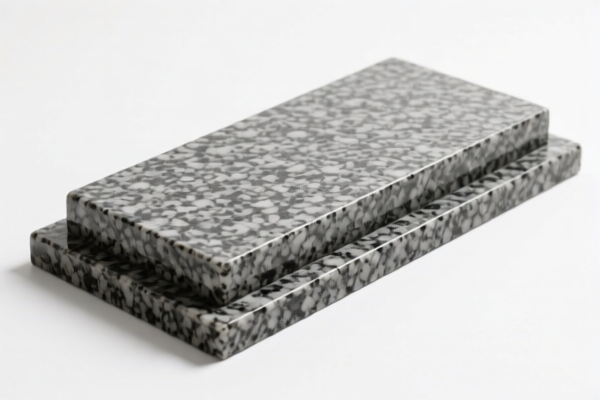
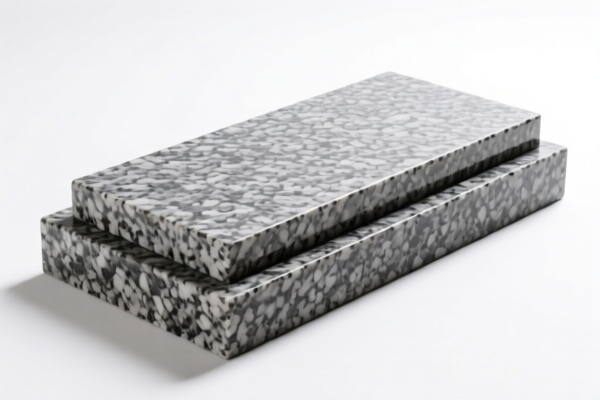
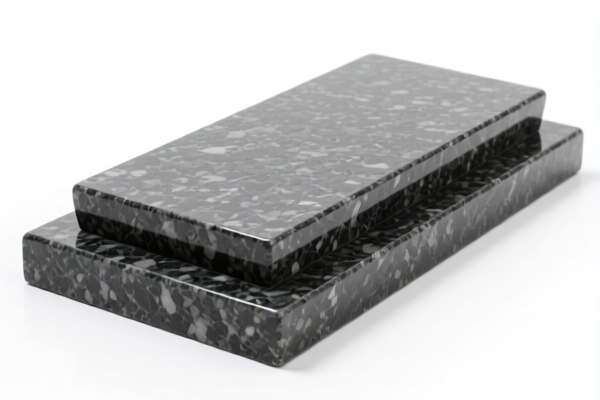
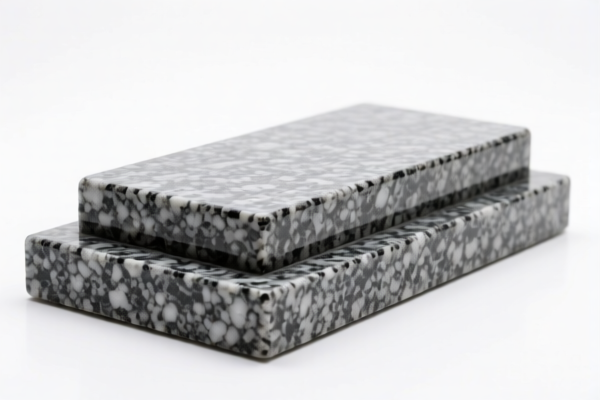
AI Analysis
🪵 Rubberwood Base (Wooden Furniture Bases)
🌐 HS Code Reference & Customs Clearance Guide | 2026 Latest Tariff Breakdown | Professional Compliance Strategy
📌 I. Product Definition & Classification: What is a "Rubberwood Base"?
In the world of furniture manufacturing, a Rubberwood Base is typically a structural component supporting tables, stools, cabinets, or display units. Rubberwood (Hevea brasiliensis) is a major coniferous-adjacent hardwood commonly used for durable, eco-friendly furniture.
In international trade, classification depends on the function and completeness of the item:
- As a Furniture Part: If it is specifically designed for and used with a particular type of furniture (e.g., a table base, chair leg assembly), it is classified under Chapter 94 (Furniture).
- As a Generic Wood Article: If it is a generic dowel pin, rod, or unshaped wood piece used for assembly (e.g., plain wooden pins for joining parts), it is classified under Chapter 44 (Wood and Wood Articles).
⚠️ Key Distinction Point:
- If the item is a structural support for a finished furniture piece →归类 to 9403 (Furniture Parts).
- If the item is a simple connector (like a dowel pin) or generic wooden article →归类 to 4421 (Other Wood Articles).
📦 II. HS Code Classification Details (2026 Latest Tariff对照)
Based on the provided data, here are the four potential classifications for Rubberwood bases/parts:
| HS Code | Product Description | Application Scenario | Classification Logic |
|---|---|---|---|
4421.99.10.00 |
Wood Dowel Pins: Plain: Coniferous | Generic wooden dowels made from rubberwood (classified under "Other" wood in some contexts, or broadly as wood articles) | Generic wood component, not a finished furniture part |
4421.99.15.00 |
Wood Dowel Pins: Plain: Other | Other plain wooden pins/rods not specifically for coniferous wood | Generic wood component, broader category |
9403.91.00.80 |
Parts of Wood, Other | General wooden furniture parts (e.g., table bases, leg assemblies, brackets) | Functional part of furniture, specific use |
9403.91.00.10 |
Parts of Wood for Play Yards/Child Enclosures | Wooden bases specifically designed for baby playpens, cribs, or confinement enclosures | Specialized use for children’s safety products |
🔍 Crucial Reminder:
- Rubberwood is often treated as "Other" wood in HS classifications, not strictly "Coniferous" (pine/spruce), but the tariff data provided lists4421.99.10.00for "Coniferous" and4421.99.15.00for "Other". For rubberwood dowels,4421.99.15.00is often more accurate unless local customs interpret rubberwood under the broader wood article header.
- Furniture Parts (9403) generally attract the same tariff rate in this dataset but are classified differently for statistical and regulatory purposes.
- Never mix "Dowel Pins" (Chapter 44) with "Furniture Bases" (Chapter 94) in the same shipment without clear documentation.
💰 III. 2026 Latest Tariff Rate Breakdown (Detailed Tax Clause Explanation)
✅ Applicable Country: United States (US)
✅ Origin: China (CN) (Assumed based on tariff structure)
✅ Effective Date: Current (Includes Section 301 Duties)
🎯 1. 4421.99.10.00 & 4421.99.15.00 —— Wood Dowel Pins / Other Wood Articles
| Item | Content |
|---|---|
| Base Duty Rate | 0.0% (Ad Valorem) |
| Section 301 Surcharge | +25.0% (From USITC Footnote 9903.88.01 / Trade Act Section 301) |
| Total Tax Rate | 25.0% |
| Tax Calculation | CIF Value × 25% |
| De Minimis Eligibility | ❌ NO (Section 301 duties apply regardless of value; de minimis does not apply to goods subject to these additional duties) |
| Legal Basis | HTSUS: 4421.99.10.00 → Section 301: 25% additional duty on Chinese-origin goods |
📌 Explanation:
- Base Rate 0%: Standard duty for generic wood articles is often 0%.
- Add-on 25%: This is the critical cost factor. Due to US-China trade tensions, most Chinese-origin wood products (including furniture parts and generic wood articles) are subject to an additional 25% tariff under Section 301.
- Total 25%: This is a high tariff for a simple wooden item. Importers must budget accordingly.
🎯 2. 9403.91.00.80 & 9403.91.00.10 —— Parts of Wooden Furniture
| Item | Content |
|---|---|
| Base Duty Rate | 0.0% (Ad Valorem) |
| Section 301 Surcharge | +25.0% |
| Total Tax Rate | 25.0% |
| Tax Calculation | CIF Value × 25% |
| De Minimis Eligibility | ❌ NO |
| Legal Basis | HTSUS: 9403.91.00.80 → Section 301: 25% additional duty on Chinese-origin furniture parts |
📌 Explanation:
- Like dowel pins, furniture parts from China are subject to the same 25% surcharge.
- There is no tax advantage in choosing between9403(Furniture Parts) and4421(Wood Articles) regarding the rate in this specific dataset (both are 0% base + 25% surcharge = 25% total).
- However, classification accuracy is vital for compliance, inspections, and potential future rate changes.
🛠️ IV. Customs Clearance Practical Advice (Pitfall Avoidance Guide)
✅ 1. Required Documentation Checklist
| Document | Mandatory? | Notes |
|---|---|---|
| ✅ Commercial Invoice | ✔️ | Must clearly state: "Rubberwood Base" or "Wooden Dowel Pin", HS Code, Origin (China), Value |
| ✅ Packing List | ✔️ | Detail quantity, weight, and dimensions |
| ✅ Product Photos | ✔️ | Show the item clearly. If it’s a "base," show its shape. If it’s a "dowel," show its cylindrical form |
| ✅ Material Declaration | ✔️ | Specify "Rubberwood" (Coniferous/Other wood classification) |
| ✅ ISF (Importer Security Filing) | ✔️ | Required for ocean freight to the US. File 24 hours before loading |
| ✅ Fumigation Certificate | ✔️ | Critical for Wood! IPPC stamp or phytosanitary certificate required to prove wood is treated against pests |
⚠️ Wood-Specific Warning:
- All wooden goods entering the US must comply with ISPM 15 standards.
- Lack of proper fumigation or IPPC marking can lead to rejection, destruction, or re-export of the entire shipment.
✅ 2. Classification Strategy (Key Tips)
| Scenario | Recommended HS Code | Reason |
|---|---|---|
| Generic Wooden Cylindrical Pins | 4421.99.15.00 |
Clearly defined as "Wood Articles" |
| Table Base / Chair Leg Assembly | 9403.91.00.80 |
Clearly a "Part of Furniture" |
| Baby Playpen Base | 9403.91.00.10 |
Specialized use for child confinement |
| Mixed Shipment (Parts + Pins) | Separate Lines | Do not mix 9403 and 4421 on one line item. Use separate line items to avoid confusion and potential misclassification penalties. |
🔥 Golden Rule:
"Describe Function, Not Just Material."
- Don’t just write "Wood Parts." Write "Rubberwood Table Base, Unfinished" or "Rubberwood Dowel Pins, Plain."
✅ 3. Cost Optimization & Risk Management
| Strategy | Action |
|---|---|
| Tariff Engineering | Since both 9403 and 4421 have 25% total duty, there is no tariff savings by changing classification. Focus on compliance and avoiding penalties. |
| De Minimis Exploit? | ❌ Do NOT use de minimis (Section 321) for these items. Section 301 duties (25%) are explicitly excluded from the $800 de minimis exemption. Attempting to ship via de minimis will result in seizure. |
| Origin Labeling | Ensure all packaging clearly marks "Made in China" to avoid anti-dumping or country-of-origin verification issues. |
| Pre-Ruling | If unsure, apply for an HTSUS Advance Ruling from CBP. It costs little but provides legal certainty. |
🌍 V. Global Market Comparison (2026)
| Country/Region | HS Code | Duty Rate | Remarks |
|---|---|---|---|
| 🇺🇸 USA | 4421.99.15.00 / 9403.91.00.80 |
25% | Includes 25% Section 301 surcharge. High compliance risk for wood. |
| 🇨🇳 China | Same | 0-5% | Import duty varies; low if sourced locally. |
| 🇪🇺 EU | 4421.99 / 9403.91 |
0-5% | No Section 301 equivalent. Lower tariff burden. |
| 🇬🇧 UK | Same | 0-5% | Post-Brexit, general duty rates apply. |
| 🇦🇺 Australia | Same | 5% | No special surcharges on wood articles. |
📌 Insight:
- The US market is significantly more expensive due to the 25% additional duty.
- Exporters should consider pricing strategies to absorb or pass on the 25% cost, or explore transshipment (high risk, not recommended) or supply chain diversification.
📌 VI. Common Mistakes & Pitfalls (Lessons Learned)
❌ Mistake 1: Misclassifying Furniture Parts as "Wood Articles"
👉 Risk: While the tariff rate is the same (25%) in this dataset, misclassification can lead to inspection delays, compliance audits, and penalties for false declaration. CBP can challenge the functional description.
❌ Mistake 2: Ignoring Wood Phytosanitary Requirements
👉 Risk: Shipment held at port for lack of ISPM 15 stamp. Additional cost for fumigation or destruction.
❌ Mistake 3: Using De Minimis for Section 301 Goods
👉 Risk: CBP will reject the entry, charge back duties + penalties, and flag your company for future audits.
❌ Mistake 4: Vague Description
👉 Risk: "Wood Base" is too vague. Use "Rubberwood Furniture Base, Unfinished" or "Rubberwood Dowel Pin, 50mm."
✅ Correct Practice:
"Rubberwood Table Base, Unfinished, Made in China, HS 9403.91.00.80, ISPM 15 Compliant"
🎯 VII. Conclusion: Compliant Clearance, Cost Control
🎯 Key Takeaways:
🔹 Total Duty is 25% for all listed HS Codes due to Section 301.
🔹 Classification Matters for compliance, not just tax rate.
🔹 Wood Phytosanitary Certificates are Mandatory.
🔹 No De Minimis Exemption for these goods from China.
📌 Pro Tip:
If you are importing large volumes, consider applying for a Section 301 Exclusion if your specific product type qualifies (though many wood products have limited exclusions). Consult with a trade compliance expert.
📣 Immediate Action:
📞 Contact your freight forwarder to confirm ISPM 15 compliance.
📄 Prepare accurate Commercial Invoices with specific HS Codes.
🚀 Ensure smooth customs clearance by avoiding de minimis misuse.
✨ Professional Customs Clearance Starts with Accurate Classification!
💼 Your Cost Efficiency Depends on Your Compliance Precision!
Customer Reviews
About HS Code Classification
The Harmonized System (HS) is an internationally standardized nomenclature developed by the World Customs Organization (WCO) to classify traded products. Over 200 countries use the HS system as the basis for customs tariffs, trade statistics, and import/export regulations.
Each HS code follows a hierarchical structure:
- Chapter (2 digits) — Broad category of goods (e.g., Chapter 84: Machinery and Mechanical Appliances)
- Heading (4 digits) — More specific grouping within the chapter
- Subheading (6 digits) — Internationally standardized breakdown, used by all WCO member countries
- National subdivisions (8-10 digits) — Country-specific extensions for further classification, such as US HTSUS 10-digit codes
Correct HS code classification is essential for smooth customs clearance, accurate duty payment, and compliance with trade regulations. Misclassification can lead to customs delays, overpayment of duties, or penalties.
When importing from CN to US, the applicable tariff rates may include:
- Most-Favored-Nation (MFN) rate — The standard duty rate applied to WTO members
- General rate — Applied to countries without trade agreements
- Trade remedy duties — Additional tariffs such as Section 301 (anti-dumping), Section 232 (national security), or countervailing duties
The information provided on this page is for reference purposes only. For official classification, please consult with your local customs authority or a licensed customs broker.