Rush Mats Floor Coverings
CN → US| HS Code | Tariff Rate | Origin | Destination | Doc |
|---|---|---|---|---|
| 4602198000 | 37.3% | CN | US | Official Doc |
| 4602191800 | 39.5% | CN | US | Official Doc |
| 5703210090 | 41.7% | CN | US | Official Doc |
| 5703310030 | 41.0% | CN | US | Official Doc |
| 3918101040 | 40.3% | CN | US | Official Doc |
| 3918101020 | 40.3% | CN | US | Official Doc |
Product Images
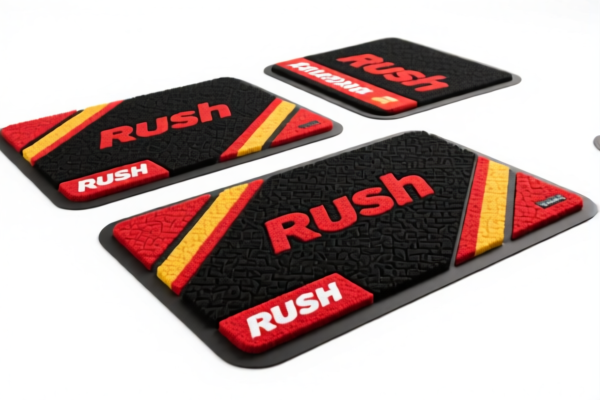
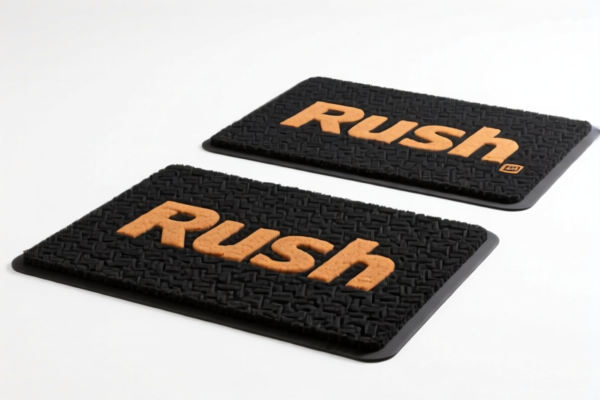
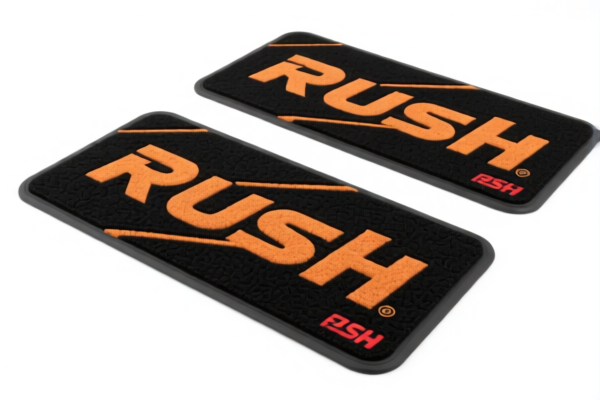
AI Analysis
🌿 Rush Mats & Floor Coverings (Natural Fiber Plaiting)
🌐 HS Code Reference & Clearance Guide | 2026 Latest Tariff Analysis | Professional通关 Strategy
📌 One, Product Definition and Classification: What Exactly Are "Rush Mats"?
Rush Mats, often referred to as floor coverings made from plaiting materials, are traditional yet highly functional floor products. In international trade, they are classified based on their material composition and manufacturing method. Unlike synthetic vinyl or textile carpets, these fall under the category of "Basketwork, wickerwork and other articles, made directly to shape from plaiting materials" (Chapter 46).
Key Distinction: * Natural Plaited Mats: Made from vegetable materials (rush, reed, straw, bamboo) woven or plaited directly into shape → Chapter 46 (4602). * Textile Carpets: Tufted or woven from synthetic/natural fibers → Chapter 57 (5703). * Vinyl Tiles: Plastic-based → Chapter 39 (3918).
⚠️ Critical Classification Point:
If the product is a natural fiber mat (rush, reed, bamboo) that is plaited/woven rather than tufted like a carpet, it belongs to HS Code 4602, NOT 5703 (textile) or 3918 (plastic).
If it is artificial turf made from nylon or polyamides, it belongs to Chapter 57.
📦 Two, HS Code Classification Details (2026 Latest Tariff Authority Reference)
Based on the provided data, here are the specific classifications for floor coverings and related plaited items. Note that "Rush Mats" typically fall under 4602, while other plastic/textile floor coverings are listed for comparison.
| HS Code | Product Description | Material Type | Applicable Scenario |
|---|---|---|---|
4602.19.80.00 |
Basketwork, wickerwork... Other: Other: Other: Other | Vegetable Materials (Plaited) | Rush Mats, Reed Mats, Wicker-style floor coverings made directly to shape from plaiting materials. |
4602.19.18.00 |
Basketwork... Of vegetable materials... Other baskets and bags... Other | Vegetable Materials | Specific types of vegetable-based plaited articles, possibly including specific mat styles if not covered by general "Other". |
3918.10.10.40 |
Floor coverings of plastics... Of polymers of vinyl chloride... Vinyl tile Other | Vinyl Chloride (Plastic) | Synthetic vinyl tiles, PVC floor coverings (Self-adhesive or roll). |
3918.10.10.20 |
Floor coverings... Of polymers of vinyl chloride... Vinyl tile consisting of a rigid solid polymer core | Vinyl Chloride (Plastic) | Rigid-core vinyl flooring (SPC/WPC style). |
5703.21.00.90 |
Carpets... Tufted... Of nylon or other polyamides... Turf Other | Synthetic Textile (Nylon/Polyamide) | Artificial turf or tufted synthetic fiber mats. |
5703.31.00.30 |
Carpets... Tufted... Of other man-made textile materials... Turf Measuring not more than 5.25 m² | Synthetic Textile | Small-area artificial turf mats (≤5.25 sqm). |
🔍 Focus for "Rush Mats":
For traditional Rush/Reed Mats, the correct classification is almost certainly4602.19.80.00(or potentially4602.19.18.00depending on specific shape/lining).
DO NOT classify natural rush mats as3918(plastic) or5703(textile carpet) unless they are heavily synthetic-coated or tufted with synthetic fibers, which changes their essential character.
💰 Three, 2026 Latest Tariff Rate Details (Zero Duty Environment)
✅ Applicable Countries: USA (US)
✅ Origin: Likely China (CN) or Global (based on zero-rate data)
✅ Effective Time: Current 2025-2026 Tariff Schedule
🎯 1. 4602.19.80.00 —— Basketwork/Plaited Articles (Vegetable Materials)
| Item | Detail |
|---|---|
| Basic Tariff | 0.0% |
| Additional Tariffs (Section 301/IEEPA) | 0.0% |
| Total Effective Tax Rate | 0.0% |
| Tax Detail | Base: 0.0%, Additional: 0.0% |
| De Minimis Eligibility | ✅ Yes (Generally applicable for low-value shipments, subject to current thresholds) |
| Legal Basis | General Harmonized Tariff Schedule (HTS) for Chapter 46 |
📌 Explanation:
- No Additional Tariffs: Unlike electronics or steel, natural fiber plaited goods (Chapter 46) are NOT subject to the high Section 301 (25%) or IEEPA (10%) surcharges typically applied to Chinese goods.
- Zero Duty: This is a highly favorable classification for cost-saving.
- Note: Ensure the product is genuinely "made from plaiting materials" (rush, reed, bamboo) and not misclassified as a textile carpet to avoid audits.
🎯 2. 3918.10.10.40 & 3918.10.10.20 —— Vinyl Floor Coverings (Plastic)
| Item | Detail |
|---|---|
| Basic Tariff | 0.0% |
| Additional Tariffs | 0.0% |
| Total Effective Tax Rate | 0.0% |
| Tax Detail | Base: 0.0%, Additional: 0.0% |
📌 Explanation:
- Vinyl floor coverings (PVC) also enjoy 0% duty in this specific dataset.
- However, these are subject to different environmental and safety regulations (e.g., VOC content, lead-free requirements) compared to natural rush mats.
🎯 3. 5703.21.00.90 & 5703.31.00.30 —— Tufted Synthetic Turf/Mats
| Item | Detail |
|---|---|
| Basic Tariff | 0.0% |
| Additional Tariffs | 0.0% |
| Total Effective Tax Rate | 0.0% |
| Tax Detail | Base: 0.0%, Additional: 0.0% |
📌 Explanation:
- Tufted synthetic fiber floor coverings (nylon/polyamide) also show 0% duty in this data.
- Warning: Ensure the "tufted" definition is accurate. If it is hand-woven or plaited, it must move to Chapter 46.
🛠️ Four, Customs Clearance Practical Advice (Avoid Pitfalls)
✅ 1. Required Documentation Checklist (Must-Haves)
| Document | Required? | Purpose |
|---|---|---|
| ✅ Product Specification Sheet | ✔️ | Must state: "Made from natural rush/reed," "Plaited/Woven," NOT "Tufted Carpet." |
| ✅ Material Composition Statement | ✔️ | Explicitly list materials: e.g., "100% Natural Juncus Effusus (Rush)." Avoid vague terms like "Plant Fiber." |
| ✅ Product Photos | ✔️ | Show the weave/plaiting structure clearly. Contrast with tufted pile to prove it is Chapter 46. |
| ✅ Commercial Invoice | ✔️ | Description: "Natural Rush Floor Mat, Plaited, Vegetable Material." |
| ✅ Packing List | ✔️ | Weight and dimensions. |
| ✅ Origin Certificate | ✔️ | To prove country of origin (though duty is 0%, origin affects other regulations). |
✅ 2. Classification Strategy (Key Tips)
🔥 "Plaited is Plant, Tufted is Textile, Rigid is Plastic!"
| Scenario | Correct HS Code | Risk if Wrong |
|---|---|---|
| Natural Rush/Reed Mat | 4602.19.80.00 |
Misclassifying as textile (5703) or plastic (3918) may lead to higher duties if rates change or penalties for misdeclaration. |
| Vinyl/PVC Tile | 3918.10.10.x0 |
Must not be declared as "natural" to avoid fraud allegations. |
| Artificial Turf (Nylon) | 5703.21.00.90 |
Must confirm it is tufted. If woven, it might be different. |
| Mixed Materials | Consult Customs | If a rush mat has a rubber backing, it may still be 4602, but declare the backing separately or note it. |
✅ 3. Special Cases & Warnings
| Situation | Recommendation |
|---|---|
| "Rush" is actually synthetic | If made from plastic strips, it MUST be 3918 (Plastic), NOT 4602. Misdeclaration is high risk. |
| Large Area Mats | If the mat is >5.25 m² and tufted, it falls under 5703.21.00.90 (Other), NOT 5703.31.00.30. |
| Customs Audit on "Plant Material" | Provide botanical evidence or supplier declarations confirming the material is natural (Juncus, Bamboo, etc.), not synthetic. |
| Packaging | Ensure rush mats are not crushed. Use sturdy packaging to avoid damage claims, which can delay clearance. |
🌍 Five, Global Market Comparison (2026 Latest)
| Country/Region | Recommended HS Code | Tariff (China Origin) | Certification Requirements | Notes |
|---|---|---|---|---|
| 🇺🇸 USA | 4602.19.80.00 |
0% | None specific for natural rush | No Section 301 tariffs for Chapter 46! Huge advantage. |
| 🇨🇳 China | 4602.19.80.00 |
~10-12% (Import) | N/A | Export from China is free; Import to China has duty. |
| 🇪🇺 EU | 4602.19.00 |
0-4% (Varies) | CE (if treated with chemicals) | Low tariffs for natural fiber goods. |
| 🇦🇺 Australia | 4602.19.80.00 |
5% | None | Competitive natural fiber market. |
📌 Conclusion:
- USA is the best market for Rush Mats due to 0% duty and no additional tariffs.
- Natural fiber goods are generally exempt from the harsh tariffs applied to steel, aluminum, and high-tech goods.
📌 Six, Common Errors & Pitfalls (Lessons Learned)
❌ Mistake 1: Declaring natural rush mats as "Textile Carpets" (5703)
👉 Consequence: If customs determines it's plaited, they may impose penalties for misclassification. While duty might be 0% in both, the regulatory requirements differ.
❌ Mistake 2: Using "Vinyl" or "PVC" terms for natural mats
👉 Consequence: High Risk of Fraud Detection. Natural rush is organic; vinyl is synthetic. Clear distinction is vital.
❌ Mistake 3: Not specifying "Plaited" vs "Tufted"
👉 Consequence: Confusion between Chapter 46 (Plaited) and Chapter 57 (Tufted). Always use precise terms: "Plaited from Natural Rush".
❌ Mistake 4: Ignoring Backing Materials
👉 Consequence: If the mat has a non-natural backing (e.g., heavy rubber), ensure the description is accurate. If the backing is essential, it may change classification.
✅ Correct Declaration Example:
"Natural Rush Floor Mat, Hand-Plaited from Juncus Effusus, Unbacked, for Home Decor. HS Code: 4602.19.80.00."
🎯 Seven, Conclusion: Professional Declaration for Cost Savings
🎯 Remember the Key Rules:
🔹 "Natural + Plaited = Chapter 46 (0% Duty)"
🔹 "Plastic + Floor = Chapter 39 (0% Duty)"
🔹 "Synthetic + Tufted = Chapter 57 (0% Duty)"
🔹 Avoid Generic Terms: Always specify material and manufacturing method.
📌 Pro Tip:
If your rush mats are treated with flame retardants or chemical stains, ensure these are declared. They may still fall under 4602, but proof of "natural material" is even more critical.
📣 Immediate Action:
📞 Verify material source: Is it 100% natural rush/reed?
📄 Use precise HS Code4602.19.80.00for clearance.
🚀 Zero Duty Advantage: Maximize profit by leveraging the 0% tariff on natural fiber goods in the US market!
✨ Precision in Classification = Savings in Customs!
💼 Every correct HS Code saves you time and money!
Customer Reviews
About HS Code Classification
The Harmonized System (HS) is an internationally standardized nomenclature developed by the World Customs Organization (WCO) to classify traded products. Over 200 countries use the HS system as the basis for customs tariffs, trade statistics, and import/export regulations.
Each HS code follows a hierarchical structure:
- Chapter (2 digits) — Broad category of goods (e.g., Chapter 84: Machinery and Mechanical Appliances)
- Heading (4 digits) — More specific grouping within the chapter
- Subheading (6 digits) — Internationally standardized breakdown, used by all WCO member countries
- National subdivisions (8-10 digits) — Country-specific extensions for further classification, such as US HTSUS 10-digit codes
Correct HS code classification is essential for smooth customs clearance, accurate duty payment, and compliance with trade regulations. Misclassification can lead to customs delays, overpayment of duties, or penalties.
When importing from CN to US, the applicable tariff rates may include:
- Most-Favored-Nation (MFN) rate — The standard duty rate applied to WTO members
- General rate — Applied to countries without trade agreements
- Trade remedy duties — Additional tariffs such as Section 301 (anti-dumping), Section 232 (national security), or countervailing duties
The information provided on this page is for reference purposes only. For official classification, please consult with your local customs authority or a licensed customs broker.