Rust Preventive Oil
CN → US| HS Code | Tariff Rate | Origin | Destination | Doc |
|---|---|---|---|---|
| 3403191000 | 35.2% | CN | US | Official Doc |
| 3403195000 | 40.8% | CN | US | Official Doc |
| 3811210000 | 41.5% | CN | US | Official Doc |
| 3824992900 | 41.5% | CN | US | Official Doc |
| 3824994900 | 41.5% | CN | US | Official Doc |
Product Images
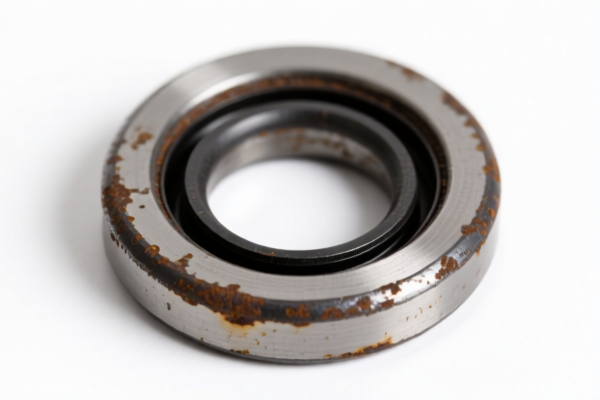
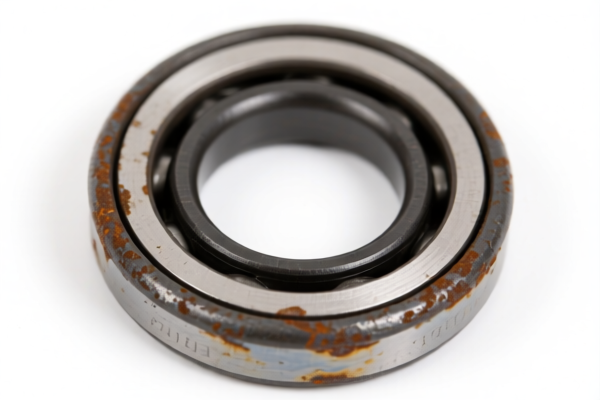
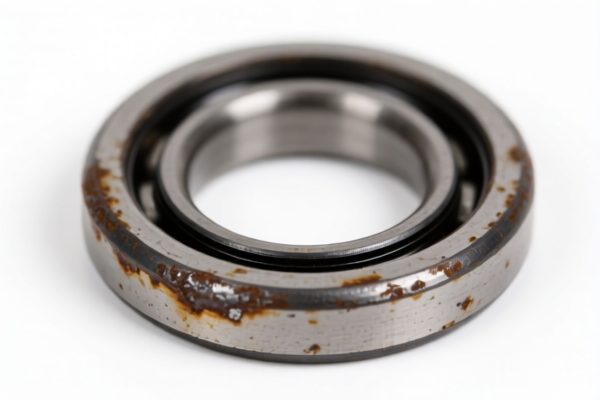
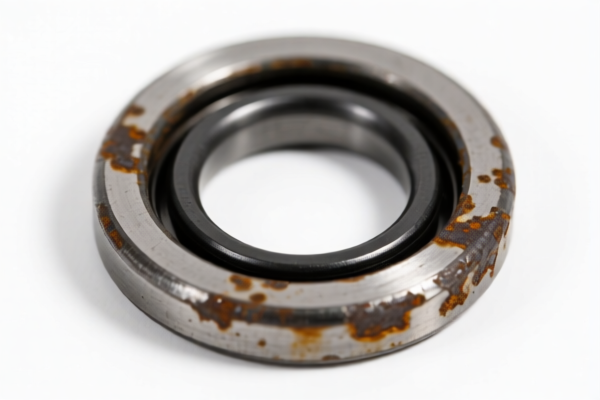
AI Analysis
🛢️ Rust Preventive Oil for Hydraulic Systems
🌐 HS Code Reference & Customs Clearance Guide | 2026 Latest Tariff Analysis | Professional Clearance Strategy
📌 I. Product Definition & Classification: Do You Really Understand "Rust Preventive Oil"?
Rust Preventive Oil (specifically formulated for hydraulic systems) is a specialized chemical mixture used to protect metal components from corrosion during storage, transportation, or operation. In international trade, its classification depends heavily on its primary function (lubrication vs. pure rust prevention) and composition (petroleum vs. chemical mixture).
⚠️ Key Distinction:
- If the product is primarily a lubricant additive or a formulated oil mixture for hydraulic systems → It falls under Chapter 34 (Lubricating Preparations) or Chapter 38 (Miscellaneous Chemical Products) depending on specific ingredient ratios.
- If it is a pure chemical inhibitor with minor oil content → It may fall under Chapter 38 (Chemical Preparations).
- Critical Note: Since it is for hydraulic systems, it often overlaps with lubricant codes, but if the rust prevention is the dominant function and it’s not primarily for friction reduction, customs may scrutinize the "Lubricant" classification.
📦 II. HS Code Classification Details (2026 Latest Tariff Authority Cross-Reference)
Based on the provided data, here are the 5 possible HS Codes for "Rust Preventive Oil" and the rationale for each:
| HS Code | Product Description | Applicable Scenario | Key Classification Rationale |
|---|---|---|---|
3403.19.10.00 |
Rust Preventive Oil, Rust Preventer Type | Primary use: Rust prevention; Composition: Petroleum/Mineral Oil base | Classified under Lubricating Preparations because it contains mineral oil and is used for surface protection (a form of light lubrication/protection). Lowest Base Duty. |
3403.19.50.00 |
Rust Preventive Oil, General Rust Preventer | Primary use: Rust prevention; Composition: Petroleum/Asphalt/Mineral Oil | Also under Lubricating Preparations, but for broader/different formulations than 3403.19.10. Higher Base Duty. |
3811.21.00.00 |
Rust Preventive Oil, Lubricant Additive | Primary use: Additive for mineral oil liquids; Formulation: Chemical additive | Classified as a Preparation for Lubricating Oils. It is considered an additive to lubricants, not a standalone lubricant itself. |
3824.99.29.00 |
Rust Preventive Oil, Chemical Mixture | Primary use: General Chemical Preparation; Composition: Hydrocarbon mixture | Classified under Miscellaneous Chemical Preparations. Used as a "catch-all" for chemical mixtures not specifically described elsewhere. |
3824.99.49.00 |
Rust Preventive Oil, Hydrocarbon-based Chemical Mixture | Primary use: Chemical Mixture; Composition: Hydrocarbons (Petroleum-derived) | Specifically for hydrocarbon-based chemical mixtures. Emphasizes the chemical nature over the lubricating function. |
🔍 Important Reminder:
- 3403.19 codes are generally preferred if the product is widely recognized as a "lubricating preparation" that also prevents rust.
- 3811.21 is correct if the product is sold strictly as an additive to be mixed into base oils by the end-user.
- 3824.99 codes are used if the product is primarily a chemical compound where the oil is just a carrier, and it doesn't fit the strict definition of "lubricant preparation."
💰 III. 2026 Latest Tariff Rate Breakdown (Including Surtaxes & Policy Add-ons)
✅ Applicable Country: United States (US)
✅ Country of Origin: China (CN)
✅ Effective Date: From November 10, 2025 (including subsequent imports)
✅ Special Note: All codes below are subject to Section 301 Tariffs and Section 122 Tariffs.
🎯 1. 3403.19.10.00 —— Rust Preventive Oil (Lubricating Preparation, Rust Preventer)
| Item | Detail |
|---|---|
| Base Tariff | 0.2% (Most Favored Nation Rate) |
| Section 301 Surtax | +25.0% (Due to List 4B/4A China-origin goods) |
| Section 122 Tariff | +10.0% (Under IEEPA Authority for specific Chinese goods) |
| Total Tax Rate | 35.2% |
| Tax Calculation | CIF Value × 35.2% |
| De Minimis Eligibility | ❌ Not Eligible (High tariff rate disqualifies from $800 de minimis) |
| Legal Basis Path | IEEPA:122 → USITC:3403.19.10.00 → FOOTNOTE:301 |
📌 Explanation:
- This is the most cost-effective HS code among the options, with the lowest base duty (0.2%).
- However, the 35.2% total rate is still very high.
- Recommendation: If your product fits this description precisely (Rust Preventer type, mineral oil base), choose this code to minimize tax burden.
🎯 2. 3403.19.50.00 —— Rust Preventive Oil (Lubricating Preparation, Other)
| Item | Detail |
|---|---|
| Base Tariff | 5.8% |
| Section 301 Surtax | +25.0% |
| Section 122 Tariff | +10.0% |
| Total Tax Rate | 40.8% |
| Tax Calculation | CIF Value × 40.8% |
| De Minimis Eligibility | ❌ Not Eligible |
| Legal Basis Path | IEEPA:122 → USITC:3403.19.50.00 → FOOTNOTE:301 |
📌 Explanation:
- Higher base duty than 3403.19.10.00.
- Use only if the product composition (e.g., asphalt content) does not fit the "Rust Preventer" sub-category of 3403.19.10.
🎯 3. 3811.21.00.00 —— Rust Preventive Oil (Lubricant Additive)
| Item | Detail |
|---|---|
| Base Tariff | 6.5% |
| Section 301 Surtax | +25.0% |
| Section 122 Tariff | +10.0% |
| Total Tax Rate | 41.5% |
| Tax Calculation | CIF Value × 41.5% |
| De Minimis Eligibility | ❌ Not Eligible |
| Legal Basis Path | IEEPA:122 → USITC:3811.21.00.00 → FOOTNOTE:301 |
📌 Explanation:
- This code is for products marketed strictly as additives.
- If you sell it as a "standalone rust preventive," customs may reject this code and reclassify it to 3403.3811 is only valid if you are selling additives to be mixed by the customer.
🎯 4. 3824.99.29.00 —— Rust Preventive Oil (Miscellaneous Chemical Preparation)
| Item | Detail |
|---|---|
| Base Tariff | 6.5% |
| Section 301 Surtax | +25.0% |
| Section 122 Tariff | +10.0% |
| Total Tax Rate | 41.5% |
| Tax Calculation | CIF Value × 41.5% |
| De Minimis Eligibility | ❌ Not Eligible |
| Legal Basis Path | IEEPA:122 → USITC:3824.99.29.00 → FOOTNOTE:301 |
📌 Explanation:
- A "catch-all" for chemical mixtures.
- Use if the product is primarily a chemical solution and not considered a "lubricating preparation" under Chapter 34.
🎯 5. 3824.99.49.00 —— Rust Preventive Oil (Hydrocarbon-based Chemical Mixture)
| Item | Detail |
|---|---|
| Base Tariff | 6.5% |
| Section 301 Surtax | +25.0% |
| Section 122 Tariff | +10.0% |
| Total Tax Rate | 41.5% |
| Tax Calculation | CIF Value × 41.5% |
| De Minimis Eligibility | ❌ Not Eligible |
| Legal Basis Path | IEEPA:122 → USITC:3824.99.49.00 → FOOTNOTE:301 |
📌 Explanation:
- Specifically for hydrocarbon-based mixtures.
- Choose this if the product is predominantly hydrocarbons but doesn't fit the "lubricant preparation" definition of Chapter 34.
🛠️ IV. Customs Clearance Practical Advice (Battle-Proven Pitfall Avoidance)
✅ 1. Document Checklist (All Required)
| Document | Required | Notes |
|---|---|---|
| ✅ Product Specification Sheet | ✔️ | Must detail: Base oil type (petroleum/mineral), additive package, function (rust prevention vs. lubrication). |
| ✅ Certificate of Origin (CO) | ✔️ | Critical for determining Section 301 applicability. If not China-origin, taxes drop significantly. |
| ✅ Commercial Invoice | ✔️ | Must clearly state: "Rust Preventive Oil for Hydraulic Systems" + HS Code. |
| ✅ Packing List | ✔️ | Net/Gross weight, volume, packaging type. |
| ✅ Material Safety Data Sheet (MSDS) | ✔️ | Required for hazardous material classification. |
| ✅ Formula/Composition Breakdown | ✔️ | To justify HS Code choice (e.g., % of petroleum vs. chemical inhibitors). |
✅ 2. Declaration Strategy (Key Mantras)
🔥 "Function Drives Code, Origin Drives Tax, Description Drives Clearance!"
| Scenario | Correct Declaration | Risk of Error |
|---|---|---|
| Product is primarily for rust prevention but contains mineral oil | 3403.19.10.00 |
If misclassified as 3824, you may face penalties for under-declaring base duty. |
| Product is an additive sold to be mixed into base oil | 3811.21.00.00 |
If sold as a standalone product, customs may reclassify to 3403. |
| Product is a complex chemical mixture with no clear lubricating purpose | 3824.99.29.00 or 3824.99.49.00 |
Ensure it doesn't meet the definition of "lubricating preparation" in Chapter 34. |
| Any of these from China | Add 25% (301) + 10% (122) | Failure to declare origin correctly leads to seizure + fines. |
📌 Warning:
- Do not use "Rust Preventive Oil" as the only description. Use:
"Rust Preventive Oil, Hydraulic System Grade, Mineral Oil Based, for Corrosion Protection"
- This helps customs verify the "Lubricating Preparation" classification under 3403.
✅ 3. Special Situations
| Situation | Handling Advice |
|---|---|
| OEM/White Label Products | Ensure the invoice reflects the actual manufacturer’s origin. If assembled in China from US components, rule of origin rules apply. |
| Small Quantities (Under $800) | ❌ De Minimis Does NOT Apply due to Section 301/122 tariffs. Even $100 shipments are taxed. |
| Pre-Shipment Inspection | Recommended for high-value shipments to confirm HS Code alignment with US CBP standards. |
| Hydraulic System Compatibility | Provide proof that the product is safe for hydraulic seals (O-ring compatibility) to avoid rejection under environmental/chemical regulations. |
🌍 V. Global Market Customs Comparison (2026 Latest)
| Country/Region | Recommended HS Code | Tariff (China-Origin) | Certification Requirements | Notes |
|---|---|---|---|---|
| 🇺🇸 USA | 3403.19.10.00 |
35.2% | None specific, but MSDS required | Highest tariff burden due to 301+122. |
| 🇨🇳 China | 3403.19.10.00 |
1.0% - 5% (Import Duty) | CCC (if applicable) | Low import duty, but check environmental regulations. |
| 🇪🇺 EU | 3811.21.00 or 3403.19.10 |
0% - 6% | REACH Registration | REACH compliance is critical for chemicals. |
| 🇬🇧 UK | 3403.19.10.00 |
0% - 5% | UK REACH | Post-Brexit rules, check UK REACH status. |
| 🇯🇵 Japan | 3403.19.10.00 |
2.0% - 6% | JIS Standards | No additional surtaxes for China. |
📌 Conclusion:
- USA is the most expensive market due to Section 301 and 122 tariffs.
- EU/UK require REACH registration, which can be costly and time-consuming.
- China/Japan have lower tariffs but strict quality/safety certifications.
📌 VI. Common Mistakes & Pitfall Guide (Lessons Learned)
❌ Mistake 1: Using 3811.21.00.00 for a standalone rust preventive oil
👉 Consequence: CBP may reclassify to 3403.19.10.00 → Base duty drops from 6.5% to 0.2%, but you may face penalties for incorrect classification if the product is not an additive.
❌ Mistake 2: Assuming "De Minimis" applies to shipments under $800
👉 Consequence: ALL shipments from China are subject to 301/122 tariffs, regardless of value. Failure to declare leads to seizure.
❌ Mistake 3: Ignoring "Section 122" tariffs
👉 Consequence: Even if you think 301 doesn't apply, Section 122 (10%) may still apply to certain chemical/oil products from China.
❌ Mistake 4: Vague product descriptions ("Rust Preventive Oil")
👉 Consequence: Delays in customs clearance, requests for additional documentation, potential audits.
✅ Correct Practice:
"Rust Preventive Oil, Hydraulic System Grade, Mineral Oil Based, Contains Anti-Corrosion Additives, HS: 3403.19.10.00"
🎯 VII. Conclusion: Professional Declaration, Save Time, Reduce Costs!
🎯 Remember the Mantra:
🔹 "3403.19.10.00 is the Gold Standard for Rust Preventive Oil!"
🔹 "Base Duty 0.2% + 25% (301) + 10% (122) = 35.2% Total Tax."
🔹 "No De Minimis for China-Origin Chemicals!"
📌 Pro Tip:
If your product is originating from Vietnam, Mexico, or Thailand, you may exempt from Section 301 and 122 tariffs, reducing the total tax to ~0.2% - 5.8% (base duty only).
Recommendation: Obtain a Certificate of Origin from a non-China country if possible, or apply for an HS Code Pre-Ruling from US CBP to ensure compliance.
📣 Immediate Action:
📞 Contact a licensed customs broker + Provide Product Formula + Apply for HS Code Pre-Ruling
🚀 Ensure smooth clearance, avoid penalties, and maximize profit margins!
✨ Professional Clearance Starts with Accurate Classification!
💼 Every penny of tax is worth calculating precisely!
Customer Reviews
About HS Code Classification
The Harmonized System (HS) is an internationally standardized nomenclature developed by the World Customs Organization (WCO) to classify traded products. Over 200 countries use the HS system as the basis for customs tariffs, trade statistics, and import/export regulations.
Each HS code follows a hierarchical structure:
- Chapter (2 digits) — Broad category of goods (e.g., Chapter 84: Machinery and Mechanical Appliances)
- Heading (4 digits) — More specific grouping within the chapter
- Subheading (6 digits) — Internationally standardized breakdown, used by all WCO member countries
- National subdivisions (8-10 digits) — Country-specific extensions for further classification, such as US HTSUS 10-digit codes
Correct HS code classification is essential for smooth customs clearance, accurate duty payment, and compliance with trade regulations. Misclassification can lead to customs delays, overpayment of duties, or penalties.
When importing from CN to US, the applicable tariff rates may include:
- Most-Favored-Nation (MFN) rate — The standard duty rate applied to WTO members
- General rate — Applied to countries without trade agreements
- Trade remedy duties — Additional tariffs such as Section 301 (anti-dumping), Section 232 (national security), or countervailing duties
The information provided on this page is for reference purposes only. For official classification, please consult with your local customs authority or a licensed customs broker.