S Shirt
CN → US| HS Code | Tariff Rate | Origin | Destination | Doc |
|---|---|---|---|---|
| 6205202026 | 37.2% | CN | US | Official Doc |
| 6105100030 | 37.2% | CN | US | Official Doc |
| 6206303045 | 32.9% | CN | US | Official Doc |
| 6205302030 | 0.0% | CN | US | Official Doc |
Product Images

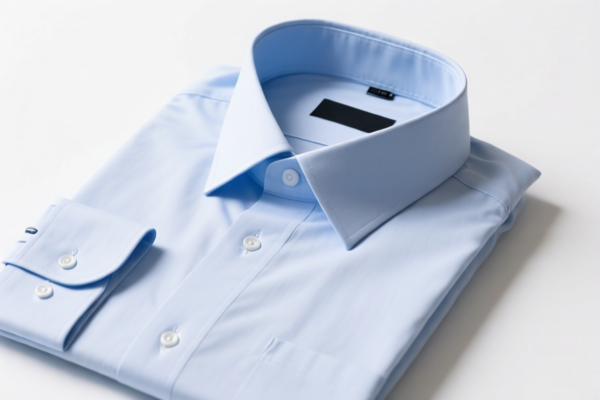

AI Analysis
👕 Shirt: The Ultimate Global Trade Classification Guide (2026 Edition)
🌐 HS Code Reference & Customs Clearance Guide | 2026 Tariff Full Analysis | Professional Clearance Strategy
📌 I. Product Definition: Is Your "Shirt" a Cotton Classic or a Tech Fabric?
In international trade, the term "Shirt" is deceptively simple. It spans everything from casual cotton T-shirts to high-tech polyester blends, and from men's formal dress shirts to women's blouses. The HS Code hinges on two critical factors: 1. Fiber Composition: Is it Cotton, Synthetic, Man-made Fiber, or Wool? 2. Gender & Form: Is it Men's (6205) or Women's (6206)? Is it Knitted (6105) or Woven (6205/6206)?
⚠️ Critical Distinction:
- "Knitted" vs. "Woven": This is the #1 classification trap. If the fabric is knitted (stretched like a sweater), it falls under 6105. If it is woven (like a classic button-down), it falls under 6205. - "Material Inference": When descriptions are missing, customs authorities rely on "Shape/Morphology" to infer material. If the garment looks like a standard cotton shirt but the tag is missing, 6205.20.20.26 is often the default inference.
📦 II. HS Code Classification Details (2026 Latest Tariff Reference)
Based on the provided data, here is the precise breakdown for the "Shirt" category, covering both Men's and Women's, Knitted and Woven varieties.
| HS Code | Product Description | Material Inference | Gender | Tax Status |
|---|---|---|---|---|
6205.20.20.26 |
Woven Shirt, Cotton | Inferred via morphology (Cotton) | Men's | 🇺🇸 37.2% |
6105.10.00.30 |
Knitted Shirt | Description missing, but morphology consistent (Cotton) | Unisex/Men's | 🇺🇸 37.2% |
6206.30.30.45 |
Woven Blouse/Shirt | Inferred via morphology (Cotton) | Women's | 🇺🇸 32.9% |
6205.30.20.30 |
Woven Shirt | Inferred as "Other" (Non-Cotton/Mixed) | Men's | 🇺🇸 29.1¢/kg + 25.9% + 10% |
🔍 Key Observation:
- Cotton Shirts (Men's/Women's) face the highest tariffs (32.9% - 37.2%) due to the combination of Base Duty + Section 301 Additions + Section 122 Tariffs. - Non-Cotton Shirts (e.g., Synthetic blends) in Men's category (6205.30.20.30) have a mixed rate: A specific duty based on weight (29.1 cents/kg) PLUS an ad valorem percentage (25.9%), plus the 10% Section 122 tariff.
💰 III. 2026 Tariff Rate Breakdown (Detailed Policy Analysis)
✅ Target Market: United States (US)
✅ Origin: China (CN)
✅ Effective Date: Current 2026 Tariff Regime
🎯 1. The "Cotton Shirt" Regime (Men's & Women's)
Applicable Codes: 6205.20.20.26, 6105.10.00.30, 6206.30.30.45
| Tax Component | Rate | Legal Basis | Description |
|---|---|---|---|
| Base Tariff (MFN) | 19.7% | HTSUS General | Standard duty for woven/shirts of cotton. |
| Section 301 Add-on | 7.5% | Section 301 | Additional tariff for specific Chinese textiles. |
| Section 122 Add-on | 10.0% | Section 122 | New/Specific tariff on textiles/apparel from China. |
| TOTAL RATE | 37.2% | Cumulative | Ad Valorem (Percentage of Value) |
📌 Calculation Logic:
Total Duty = CIF Value × (19.7% + 7.5% + 10.0%) = CIF × 37.2%
Note: For the Women's Cotton Blouse (6206.30.30.45), the Base Tariff is lower (15.4%), resulting in a 32.9% total, but the Section 301 and 122 duties remain constant at 7.5% and 10%.
🎯 2. The "Non-Cotton / Other" Regime
Applicable Code: 6205.30.20.30
| Tax Component | Rate | Calculation Method | Description |
|---|---|---|---|
| Specific Duty | 29.1¢/kg | Weight-based | Additional charge per kilogram of goods. |
| Base Tariff (MFN) | 25.9% | Ad Valorem | Standard duty for "Other" shirts. |
| Section 301 Add-on | 0.0% | N/A | No Section 301 add-on for this specific subcategory. |
| Section 122 Add-on | 10.0% | Ad Valorem | Section 122 tariff applies. |
| TOTAL RATE | 29.1¢/kg + 35.9% | Mixed | (25.9% + 10%) + 29.1¢/kg |
📌 Critical Warning:
This is a Mixed Rate. The importer must pay a percentage of the value PLUS a fixed fee per kilogram.
Example: 100kg of shirts valued at $1,000.
- Ad Valorem: $1,000 × 35.9% = $359
- Specific: 100kg × $0.291 = $29.10
- Total: $388.10 (Higher complexity, higher risk of miscalculation).
🛠️ IV. Customs Clearance Practical Advice (Avoiding Pitfalls)
✅ 1. Mandatory Documentation Checklist
| Document | Status | Why It's Critical |
|---|---|---|
| Detailed Composition Label | ⚠️ MUST HAVE | If the label says "100% Cotton" but you declare "Other", you face 37.2% vs 29.1¢/kg + 35.9% penalties. Morphology alone is risky. |
| Photographs (Front/Back/Tag) | ⚠️ MUST HAVE | To prove "Knitted" vs "Woven". 6105 (Knitted) vs 6205 (Woven) changes the entire tax structure. |
| Material Certificate (Third-Party) | ✅ Recommended | Proves "Cotton" inference if the supplier description is vague. Prevents "Reasonable Inference" disputes. |
| Commercial Invoice | ⚠️ MUST HAVE | Must explicitly state "Men's/Women's Shirt" and "Cotton/Synthetic". |
| Packing List (with Weight) | ⚠️ MUST HAVE | CRITICAL for 6205.30.20.30 because the 29.1¢/kg charge applies! |
✅ 2. Declaration Strategy (The "Shape & Material" Trap)
🔥 Golden Rule: "Don't Guess the Material, Prove It!"
| Scenario | Correct Declaration | Risk if Wrong |
|---|---|---|
| Vague Description: "Men's Shirt, Cotton" | 6205.20.20.26 |
✅ Safe. Base 19.7% + 7.5% + 10% = 37.2%. |
| Missing Material: "Men's Woven Shirt" | RISK: Customs infers Cotton (6205.20.20.26). |
❌ You pay 37.2% even if it's Polyester! |
| Knitted Shirt: "Men's T-Shirt" | 6105.10.00.30 |
✅ Inferred as Cotton. Pay 37.2%. |
| Synthetic Blend: "Men's Polyester Shirt" | 6205.30.20.30 |
❌ Mistake: If you declare this as Cotton, you pay 37.2% on value only. If correctly declared, you pay 29.1¢/kg + 35.9%. |
| Women's Blouse: "Woven Shirt" | 6206.30.30.45 |
✅ Inferred as Cotton. Pay 32.9%. |
📌 Special Tip for
6205.30.20.30:
If your product is a synthetic blend (e.g., Polyester/Cotton), ensure the weight is accurate. The 29.1¢/kg charge can skyrocket if the packing list weight is inflated.
✅ 3. Special Scenarios & Mitigation
| Situation | Strategy |
|---|---|
| Missing Material Tags | Declare as "Cotton Inferred" (6205.20.20.26) to avoid "Unknown" classification penalties, but be prepared for potential audit if later proven wrong. |
| "Other" Material (e.g., Silk, Wool) | These rarely fall under 6205.30.20.30 (which is usually Man-made). Verify the exact subheading for Silk/Wool to avoid the 29.1¢/kg trap. |
| High Volume Shipments | For 6205.30.20.30, the weight-based fee is significant. Optimize packaging to reduce "billable weight" (volumetric vs. actual weight). |
🌍 V. Global Market Comparison (US vs. Rest of World)
| Region | Recommended HS Code | Tariff Structure | Notes |
|---|---|---|---|
| 🇺🇸 USA (China Origin) | 6205.20.20.26 / 6206.30.30.45 |
37.2% (Cotton) 35.9% + 29.1¢/kg (Other) |
Highest Risk: Triple taxation (Base + 301 + 122). |
| 🇪🇺 EU | 6105.10.00 / 6205.20.00 |
~10-12% (Base only) | No Section 301 or 122 equivalents. Much cheaper. |
| 🇨🇦 Canada | 6105.10.00 / 6205.20.00 |
~10-15% | Generally stable, no massive punitive tariffs. |
| 🇯🇵 Japan | 6105.10.00 / 6205.20.00 |
~0-10% | Low tariffs, strict material labeling. |
📌 Conclusion:
The US market is uniquely hostile to Chinese textile exports due to the 37.2% ceiling.
- Strategy: If possible, re-route to Vietnam/Mexico to avoid Section 301/122.
- Cost Control: For6205.30.20.30, keep the weight low and ensure the material mix is declared accurately to avoid the specific duty penalty.
📌 VI. Common Mistakes & "Blood-Tear" Lessons
❌ Mistake 1: The "Inference" Trap
Scenario: Shipping a Polyester shirt but declaring "Shirt" without material details.
Result: Customs infers Cotton (6205.20.20.26) → 37.2%.
Lesson: Always declare the material. If it's Polyester, it might be6205.30.20.30(different calculation) or a different code entirely.
❌ Mistake 2: Weight Calculation Error for Mixed Rates
Scenario: Declaring
6205.30.20.30but using the CIF value only and ignoring the 29.1¢/kg.
Result: Short payment → Penalties + Delay.
Lesson: This code REQUIRES weight calculation. Add the specific duty to the ad valorem duty!
❌ Mistake 3: Knitted vs. Woven Confusion
Scenario: Calling a Knitted T-shirt
6205(Woven).
Result: Rejection or Re-classification to6105.
Lesson: Check the fabric construction. Knitted =6105. Woven =6205.
🎯 VII. Final Verdict: Action Plan for Shippers
🎯 Remember the Strategy:
🔹 "Cotton = 37.2% (Men/Women)"
🔹 "Other = 29.1¢/kg + 35.9%"
🔹 "Knitted = 6105 (37.2%)"
🔹 "Material is King - Don't Guess!"
📌 Pro Tip:
If you are shipping large quantities of shirts to the US, the Section 122 (10%) and Section 301 (7.5%) taxes are non-negotiable for Chinese-origin goods.
Recommendation:
1. Apply for Pre-Ruling if the material is ambiguous.
2. Audit your Weight if the code is 6205.30.20.30.
3. Consider Third-Country Transshipment (e.g., Vietnam) to bypass US punitive tariffs.
📣 Take Action Now:
📞 Contact your Customs Broker with the exact Material Composition Report and Fabric Structure (Knitted/Woven).
🚀 Avoid the 37.2% trap by getting the HS Code right on day one!
✨ Professional Clearance Starts with Accurate Classification!
💼 Every cent of duty counts!
Customer Reviews
About HS Code Classification
The Harmonized System (HS) is an internationally standardized nomenclature developed by the World Customs Organization (WCO) to classify traded products. Over 200 countries use the HS system as the basis for customs tariffs, trade statistics, and import/export regulations.
Each HS code follows a hierarchical structure:
- Chapter (2 digits) — Broad category of goods (e.g., Chapter 84: Machinery and Mechanical Appliances)
- Heading (4 digits) — More specific grouping within the chapter
- Subheading (6 digits) — Internationally standardized breakdown, used by all WCO member countries
- National subdivisions (8-10 digits) — Country-specific extensions for further classification, such as US HTSUS 10-digit codes
Correct HS code classification is essential for smooth customs clearance, accurate duty payment, and compliance with trade regulations. Misclassification can lead to customs delays, overpayment of duties, or penalties.
When importing from CN to US, the applicable tariff rates may include:
- Most-Favored-Nation (MFN) rate — The standard duty rate applied to WTO members
- General rate — Applied to countries without trade agreements
- Trade remedy duties — Additional tariffs such as Section 301 (anti-dumping), Section 232 (national security), or countervailing duties
The information provided on this page is for reference purposes only. For official classification, please consult with your local customs authority or a licensed customs broker.