SILICONE BREAST FORM
CN → US| HS Code | Tariff Rate | Origin | Destination | Doc |
|---|---|---|---|---|
| 9021218000 | 10.0% | CN | US | Official Doc |
| 9021390000 | 10.0% | CN | US | Official Doc |
| 3926902100 | 21.7% | CN | US | Official Doc |
| 3926905900 | 37.4% | CN | US | Official Doc |
| 9021390000 | 10.0% | CN | US | Official Doc |
| 9021310000 | 10.0% | CN | US | Official Doc |
Product Images
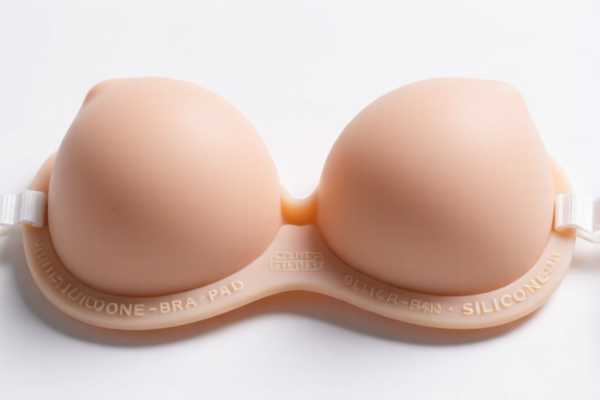
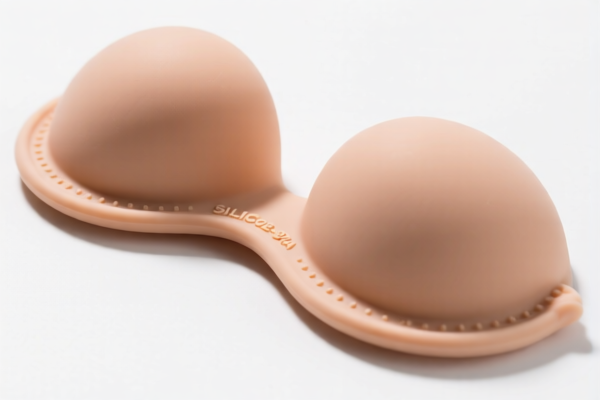
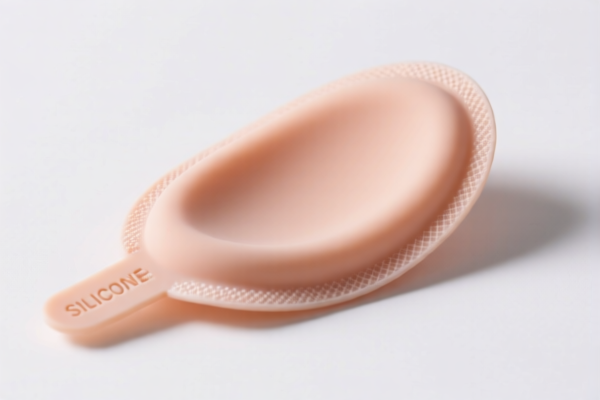
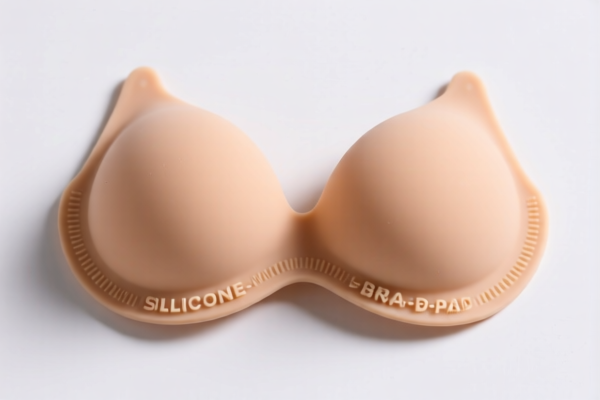
AI Analysis
👙 Silicone Breast Forms (Post-Mastectomy / Cosmetic)
🌐 HS Code Reference & Customs Clearance Guide | 2026 Latest Tariff Analysis | Professional Compliance Strategy
📌 I. Product Definition & Classification: Do You Really Know "Silicone Breast Forms"?
Silicone breast forms are prosthetic devices designed to replace a missing breast, typically used by post-mastectomy patients. In international trade, they are primarily classified under Chapter 90 (Optical, photographic, cinematographic, measuring, checking, precision, medical or surgical instruments and apparatus).
Key Distinction: * Medical Prosthesis: Specifically designed to compensate for a defect or disability (e.g., mastectomy). These are generally duty-free. * Cosmetic/Novelty Item: If marketed purely as a cosmetic toy or fetish item without medical indication, it might be misclassified under Chapter 39 (Plastics), leading to significant duty risks.
⚠️ Critical Classification Point:
- If the product is a medical prosthesis (implanted or worn to compensate for a defect) → Chapter 90 (9021.39.00.00)
- ❌ DO NOT classify as "Plastic Articles" (Chapter 39) unless it is explicitly a non-medical novelty item, which is rare for this product category. Misclassification leads to unexpected tariffs.
📦 II. HS Code Classification Details (2026 Latest Tariff Authority Comparison)
Based on the provided data, here are the relevant HS Codes for Silicone Breast Forms and related items:
| HS Code | Product Description | Applicability to Silicone Breast Forms | Tax Rate (CN Origin to US) |
|---|---|---|---|
9021.39.00.00 |
Other artificial parts of the body; parts and accessories thereof | ✅ Primary Classification for medical/cosmetic breast prostheses worn to compensate for disability/defect. | 0.0% |
9021.31.00.00 |
Artificial joints and parts and accessories thereof | ❌ Not applicable (Joints are for limbs/spine, not breast tissue). | 0.0% |
9021.21.80.00 |
Artificial teeth and dental fittings | ❌ Not applicable (Dental only). | 0.0% |
3926.90.21.00 |
Ice bags; douche bags... invalid cushions; dress shields... | ⚠️ Risk Zone: Some customs officers may misclassify "dress shields" or non-structural silicone pads here. | 11.7% |
3926.90.59.00 |
Other articles of plastics (e.g., belting, general plastic goods) | ❌ Avoid. This is a "catch-all" for plastics and carries high penalties. | 27.4% |
🔍 Key Takeaway:
- The correct HS Code for Silicone Breast Forms is9021.39.00.00.
- This category falls under "Other artificial parts of the body... to compensate for a defect or disability."
- Tariff Advantage: 0% Total Duty.
- Risk: Classifying under Chapter 39 (3926.90.21.00) triggers an 11.7% duty, and misclassification as generic plastic (3926.90.59.00) triggers a 27.4% duty.
💰 III. 2026 Latest Tariff Rate Breakdown (Including Surcharges)
✅ Applicable Country: United States (US)
✅ Origin: China (CN)
✅ Effective Date: Current Rates (No IEEPA/Section 301 Surcharges for Chapter 90 Medical Goods)
🎯 1. 9021.39.00.00 —— Silicone Breast Forms (Medical/Cosmetic Prostheses)
| Item | Content |
|---|---|
| Base Tariff | 0% (ad valorem) |
| Section 301 Surcharges | 0% (Medical appliances are generally excluded from aggressive Section 301 lists compared to consumer goods) |
| IEEPA Surcharges | 0% (No additional emergency tariffs for this medical category) |
| Total Tariff | 0.0% |
| Tax Calculation | CIF Value × 0% = $0 |
| De Minimis Eligibility | ✅ Yes (If value <$800, generally eligible for duty-free entry under Section 321, subject to FDA/Customs scrutiny on quantity) |
| Legal Basis Path | HTSUS:9021.39.00.00 → "Other artificial parts of the body" |
📌 Explanation:
- 0% Duty: This is a critical advantage. Medical and orthopedic appliances like breast forms are considered essential health products.
- No Surcharges: Unlike electronics or plastics, Chapter 90 items do not bear the heavy Section 301 or IEEPA surcharges that apply to Chapter 39 plastics.
- Verification: Ensure the product is clearly labeled as a "Prosthesis" or "Breast Form" to justify the 0% rate.
🛠️ IV. Customs Clearance Practical Advice (Real-World Pitfall Guide)
✅ 1. Document Checklist (Non-negotiable)
| Document | Required | Notes |
|---|---|---|
| ✅ Product Description | ✔️ | Must explicitly state: "Silicone Breast Form, Medical Prosthesis, for Post-Mastectomy Use" |
| ✅ Technical Data Sheet | ✔️ | Material composition (100% Medical Grade Silicone), density, weight. |
| ✅ Intended Use Statement | ✔️ | Letter from manufacturer or distributor confirming medical/cosmetic prosthesis use. |
| ✅ FDA Registration | ✔️ | If marketed in the US, ensure FDA compliance (Class I Medical Device). |
| ✅ Commercial Invoice | ✔️ | HS Code 9021.39.00.00 must be clearly listed. |
| ✅ Packing List | ✔️ | Number of units per box. |
✅ 2. Declaration Tips (Key Mantras)
🔥 "Declare as Prosthesis, Not Plastic! Use 9021, Not 3926!"
| Scenario | Correct Declaration | Incorrect Declaration |
|---|---|---|
| Silicone Breast Form | 9021.39.00.00 (0% Duty) |
3926.90.21.00 (11.7% Duty) |
| Breast Support Bra + Form | Declare Form separately as 9021.39.00.00; Bra as 6117.xxxx |
Bundle them incorrectly as one item |
| Non-Medical Novelty Item | 3926.90.21.00 (11.7%) |
Claiming 0% duty for non-medical item → Fraud Risk |
📌 Warning:
- Do not use vague terms like "Silicone Pad" or "Plastic Implant" without context.
- Use precise terms: "Medical Breast Prosthesis", "Silicone Breast Form", "Post-Mastectomy Device".
✅ 3. Special Situations
| Situation | Handling Advice |
|---|---|
| OEM Private Label | Provide OEM agreement + design specs to prove it’s a prosthesis, not a generic plastic good. |
| Mixed Shipment | If shipping breast forms with bras (6117) or other apparel, separate lines on the invoice to avoid triggering general plastic tariffs for the whole shipment. |
| FDA Compliance | While FDA is not a customs agency, customs may detain shipments lacking proper FDA registration numbers for medical devices. Ensure FDA DUNS/License Number is on the commercial invoice. |
🌍 V. Global Market Comparison (2026 Latest)
| Country/Region | Recommended HS Code | Duty Rate (China Origin) | Certification Requirements | Notes |
|---|---|---|---|---|
| 🇺🇸 USA | 9021.39.00.00 |
0% | FDA (Class I) | Best duty rate; critical to prove medical use. |
| 🇨🇳 China | 9021.39.00.00 |
0% | NMPA (Medical Device License) | Duty-free for medical prostheses. |
| 🇪🇺 EU | 9021.39.00 (8-digit) |
0% | CE Marking (MDR) | No VAT on medical devices in some member states, but VAT usually applies. |
| 🇬🇧 UK | 9021.39.00 |
0% | UKCA Marking | Post-Brexit rules apply; still duty-free for medical goods. |
📌 Conclusion:
- USA, China, EU, UK all offer 0% duty for properly classified medical breast prostheses.
- The key risk is misclassification into Chapter 39 (Plastics), which incurs 11.7% - 27.4% duties.
- Documentation is king: Proving "Medical/Cosmetic Prosthesis" intent is essential for 0% classification.
📌 VI. Common Mistakes & Pitfalls (Lessons Learned)
❌ Mistake 1: Classifying Silicone Breast Forms under 3926.90.99 (Other Plastic Articles)
👉 Consequence: Duty jumps from 0% to 27.4% (if misclassified as generic plastic) or 11.7% (if misclassified as other plastic goods). Heavy penalty!
❌ Mistake 2: Using "Silicone Implant" without "Medical" context
👉 Consequence: Customs may view it as a non-medical plastic good, triggering higher duties and potential FDA hold.
❌ Mistake 3: Bundling Breast Forms with Bras in a single HS Code line
👉 Consequence: Confusion in valuation. The bra (6117) and prosthesis (9021) have different duty rates. Keep them separate.
✅ Correct Approach:
"Silicone Breast Prosthesis, 350g, Medical Grade, for Post-Mastectomy Use, Model XYZ, FDA Registered"
🎯 VII. Conclusion: Precision Classification Saves Money!
🎯 Remember the Mantra:
🔹 "Silicone Breast Form = 9021.39.00.00 (0% Duty)"
🔹 "Not a Plastic Toy! Not a General Accessory!"
🔹 "Prove Medical Use, Avoid 27.4% Penalty!"
📌 Pro Tip:
If you are exporting to the US, ensure your Commercial Invoice clearly states:
"HS Code: 9021.39.00.00 | Description: Silicone Breast Form (Medical Prosthesis) | Country of Origin: China | Duty Rate: 0%"
📞 Action Plan:
- Classify as
9021.39.00.00.- Document medical intent (FDA, Specs).
- Separate from apparel in shipping documents.
- Verify no Section 301 tariffs apply (confirmed 0% for Ch 90).
✨ Professional Customs Clearance, Starting with Accurate Classification!
💼 Your Profit Margin Depends on This 0% Duty Rate!
Customer Reviews
About HS Code Classification
The Harmonized System (HS) is an internationally standardized nomenclature developed by the World Customs Organization (WCO) to classify traded products. Over 200 countries use the HS system as the basis for customs tariffs, trade statistics, and import/export regulations.
Each HS code follows a hierarchical structure:
- Chapter (2 digits) — Broad category of goods (e.g., Chapter 84: Machinery and Mechanical Appliances)
- Heading (4 digits) — More specific grouping within the chapter
- Subheading (6 digits) — Internationally standardized breakdown, used by all WCO member countries
- National subdivisions (8-10 digits) — Country-specific extensions for further classification, such as US HTSUS 10-digit codes
Correct HS code classification is essential for smooth customs clearance, accurate duty payment, and compliance with trade regulations. Misclassification can lead to customs delays, overpayment of duties, or penalties.
When importing from CN to US, the applicable tariff rates may include:
- Most-Favored-Nation (MFN) rate — The standard duty rate applied to WTO members
- General rate — Applied to countries without trade agreements
- Trade remedy duties — Additional tariffs such as Section 301 (anti-dumping), Section 232 (national security), or countervailing duties
The information provided on this page is for reference purposes only. For official classification, please consult with your local customs authority or a licensed customs broker.