SMA Calibrator
CN → US| HS Code | Tariff Rate | Origin | Destination | Doc |
|---|---|---|---|---|
| 8543709860 | 37.6% | CN | US | Official Doc |
| 9031909195 | 85.0% | CN | US | Official Doc |
| 9031808085 | 35.0% | CN | US | Official Doc |
| 8543200000 | 35.0% | CN | US | Official Doc |
| 9033009000 | 39.4% | CN | US | Official Doc |
Product Images
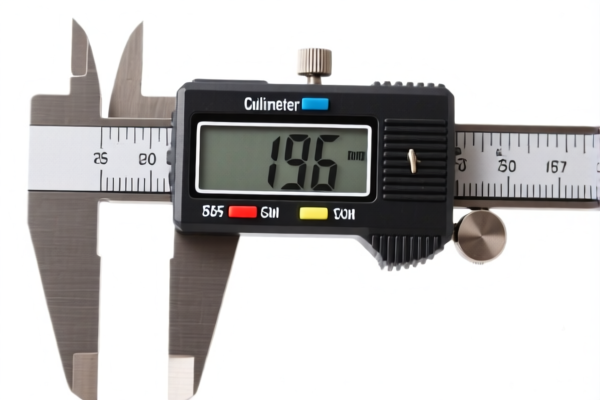
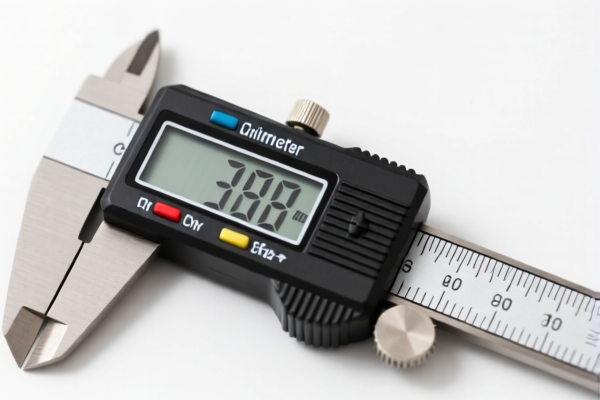
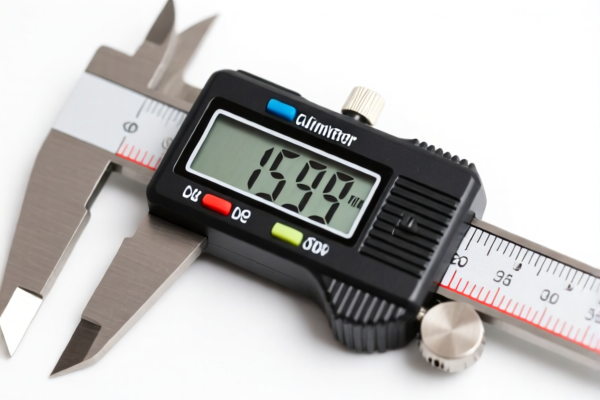
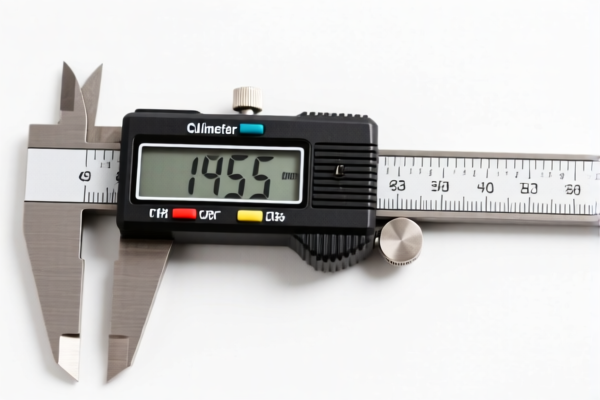
AI Analysis
📡 SMA Calibrator (Signal Integrity & RF Testing Device)
🌐 HS Code Classification & Customs Clearance Guide | 2026 Latest Tariff Analysis | Strategic Compliance Strategy
📌 I. Product Definition & Classification: What Exactly is an "SMA Calibrator"?
An SMA Calibrator is a precision electronic instrument used primarily in radio frequency (RF) and microwave engineering. Its core function is to provide known, stable electrical characteristics (such as impedance, phase delay, or attenuation) to calibrate vector network analyzers (VNAs), spectrum analyzers, or other RF test and measurement equipment. It ensures the accuracy of signal testing by eliminating errors inherent in the test setup.
In international trade, the classification of this device is highly contested because it sits on the borderline between: 1. Electronic Signal Processing Equipment (Chapter 85), which focuses on the electronic circuitry and signal generation aspects. 2. Instrument Accessories/Parts (Chapter 90), which focuses on its role as an attachment for measuring devices. 3. Specialized Measuring Instruments (Chapter 90), which focuses on its specific metrological function.
⚠️ Critical Distinction Point:
- If the device is viewed as a standalone electronic component that processes signals for calibration purposes, it may fall under Chapter 85.
- If it is viewed strictly as an accessory/attachment for a measuring instrument (e.g., a plug-in calibration kit), it falls under Chapter 90.
- Risk Alert: Misclassification can lead to massive tariff differences (from 35% to 85%!) due to the "Section 301" and "122 Section" additional tariffs.
📦 II. HS Code Classification Matrix (2026 Latest Tariff Authority Comparison)
Below are the five potential HS Codes derived from the provided data, each representing a different legal interpretation of the product.
| HS Code | Product Description (Legal Interpretation) | Applicable Scenario | Tariff Impact |
|---|---|---|---|
8543.70.98.60 |
Electronic Signal Processing Device: Classified as an electronic testing/measuring device not elsewhere specified, matching "other machines and apparatus." | Viewed as a standalone electronic signal generator/calibrator unit. | 37.6% (Lowest Risk) |
9031.90.91.95 |
Instrument Accessory: Classified as an attachment/part for measuring or inspecting instruments. | Viewed as a "calibration standard" or plug-in accessory for a VNA. | 85.0% (Highest Risk) |
9031.80.80.85 |
Measuring/Calibration Instrument: Classified as a specialized instrument for measurement and calibration. | Viewed as a dedicated metrology device for precision calibration. | 35.0% (Moderate Risk) |
8543.20.00.00 |
Signal Processing Equipment: Classified as equipment that processes signals, similar to a signal generator. | Viewed functionally as a signal source/prober rather than a passive calibrator. | 35.0% (Moderate Risk) |
9033.00.90.00 |
Instrument Part/Accessory (General): Classified as parts and accessories of Chapter 90 instruments. | Viewed as a generic mechanical/electrical part for a larger measuring system. | 39.4% (Moderate Risk) |
🔍 Key Insight:
- The Tariff Gap is enormous: 35% vs. 85%.
- Classification under9031.90.91.95attracts a 50% steel/aluminum/copper surcharge in addition to standard taxes, making it the most expensive option.
- Classifications under8543and9031.80are generally preferred as they avoid the highest surcharges.
💰 III. 2026 Latest Tariff Rate Breakdown (Including Additional Taxes & Policy Surcharges)
✅ Applicable Country: United States (US)
✅ Origin: China (CN)
✅ Effective Date: From November 10, 2025 (for subsequent imports)
🎯 1. 8543.70.98.60 — Electronic Testing Device (Preferred Option)
| Item | Detail |
|---|---|
| Base Duty | 2.6% (Ad Valorem) |
| Section 301 Additional Duty | +25.0% |
| Section 122 Additional Duty | +10.0% |
| Total Effective Rate | 37.6% |
| Tax Calculation | CIF Value × 37.6% |
| De Minimis Exemption | ❌ Not Eligible |
| Legal Basis Path | IEEPA:9903.01.24 (10%) + USITC:8543.70.98.60 (25%) |
📌 Explanation:
- This classification treats the calibrator as an electronic device.
- It incurs the standard 25% Section 301 tariff and the 10% IEEPA/Section 122 surcharge.
- Advantage: Lower base duty (2.6%) compared to instrument parts (4.4% or 0%).
🎯 2. 9031.90.91.95 — Instrument Accessory (High Risk)
| Item | Detail |
|---|---|
| Base Duty | 0.0% |
| Section 301 Additional Duty | +25.0% |
| Section 122 Additional Duty | +10.0% |
| Steel/Al/Cu Surcharge | +50.0% (If made of steel, aluminum, or copper) |
| Total Effective Rate | 85.0% (or higher with material surcharge) |
| Tax Calculation | CIF Value × 85.0% |
| De Minimis Exemption | ❌ Not Eligible |
| Legal Basis Path | IEEPA:9903.01.24 + USITC:9031.90.91.95 + Material Surcharge |
📌 Warning:
- This is the most punitive classification.
- The 50% surcharge is triggered if any component of the calibrator (even connectors or housing) contains steel, aluminum, or copper.
- Avoid this classification unless absolutely necessary.
🎯 3. 9031.80.80.85 — Measuring/Calibration Instrument
| Item | Detail |
|---|---|
| Base Duty | 0.0% |
| Section 301 Additional Duty | +25.0% |
| Section 122 Additional Duty | +10.0% |
| Total Effective Rate | 35.0% |
| Tax Calculation | CIF Value × 35.0% |
| De Minimis Exemption | ❌ Not Eligible |
| Legal Basis Path | IEEPA:9903.01.24 + USITC:9031.80.80.85 |
📌 Note:
- This is the lowest overall tax rate (35%) among all options.
- It requires convincing customs that the device is a primary measuring instrument, not just an accessory.
- Strategy: Emphasize the device’s independent calibration standards and metrological certification.
🎯 4. 8543.20.00.00 — Signal Processing Equipment
| Item | Detail |
|---|---|
| Base Duty | 0.0% |
| Section 301 Additional Duty | +25.0% |
| Section 122 Additional Duty | +10.0% |
| Total Effective Rate | 35.0% |
| Tax Calculation | CIF Value × 35.0% |
| De Minimis Exemption | ❌ Not Eligible |
| Legal Basis Path | IEEPA:9903.01.24 + USITC:8543.20.00.00 |
📌 Note:
- Similar tax profile to9031.80.
- Requires justification that the device processes or generates signals akin to a signal generator, rather than just providing a passive calibration standard.
🎯 5. 9033.00.90.00 — Instrument Parts/Accessories (General)
| Item | Detail |
|---|---|
| Base Duty | 4.4% |
| Section 301 Additional Duty | +25.0% |
| Section 122 Additional Duty | +10.0% |
| Total Effective Rate | 39.4% |
| Tax Calculation | CIF Value × 39.4% |
| De Minimis Exemption | ❌ Not Eligible |
| Legal Basis Path | IEEPA:9903.01.24 + USITC:9033.00.90.00 |
📌 Note:
- Higher base duty (4.4%) makes this less attractive than8543or9031.80.
- Typically used for generic parts that don’t fit into specific instrument subcategories.
🛠️ IV. Customs Clearance Practical Advice (Combat-Tested Pitfall Avoidance)
✅ 1. Preparation Checklist (Non-Negotiable)
| Document | Required | Purpose |
|---|---|---|
| ✅ Product Datasheet | ✔️ | Must specify "Calibration Standard" vs. "Signal Generator." |
| ✅ Circuit Diagram | ✔️ | Proves whether it’s passive (calibrator) or active (processor). |
| ✅ Product Photos | ✔️ | Clear images of connectors, labels, and any material markings. |
| ✅ Calibration Certificate | ✔️ | Third-party proof of metrological accuracy (supports 9031.80 classification). |
| ✅ Commercial Invoice | ✔️ | Must explicitly state: "SMA RF Calibration Standard for Network Analyzer." |
| ✅ Material Composition Statement | ✔️ | Critical to avoid the 50% steel/aluminum surcharge (9031.90.91.95). |
✅ 2. Declaration Strategy (Key Rules)
🔥 "Function Determines Fate, Material Determines Surcharge, Description Avoids Surprise!"
| Scenario | Recommended HS Code | Reason |
|---|---|---|
| Active Calibrator with Electronics | 8543.20.00.00 or 8543.70.98.60 |
It processes/generates signals; active components justify Chapter 85. |
| Passive Precision Load/Phase Shifter | 9031.80.80.85 |
It is a standalone metrological standard. |
| Simple Plug-in Adapter | 9033.00.90.00 |
It’s a mere mechanical/electrical interface part. |
| Device with Steel/Aluminum Housing | Avoid 9031.90.91.95 |
Triggers 50% surcharge. Use 9031.80 or 8543 instead. |
⚠️ Critical Warning:
- Do NOT declare as "Accessory for Measuring Instrument" (9031.90) if the device has independent calibration certificates.
- If the device is a complete calibration kit (including cables, standards, and software), declare the main unit under9031.80or8543.
✅ 3. Special Case Handling
| Situation | Recommendation |
|---|---|
| OEM Branded Calibrators | Provide manufacturer’s technical manual. Emphasize "Calibration Standard" in the invoice. |
| Mixed Materials (Steel Connectors) | If declaring 9031.90.91.95, the 50% surcharge applies. Strategy: Declare as 8543 or 9031.80 where material surcharge may not apply or is lower. |
| Used/Refurbished Equipment | Ensure "Calibration Certificate" is valid. Customs may inspect for wear and tear affecting accuracy. |
| Software-Dependent Calibrators | If software controls the calibration profile, declare as 8543 (electronic equipment) to avoid "part" classification. |
🌍 V. Global Market Clearance Comparison (2026 Latest)
| Country/Region | Recommended HS Code | Estimated Duty (China Origin) | Certification Required | Notes |
|---|---|---|---|---|
| 🇺🇸 USA | 8543.70.98.60 or 9031.80.80.85 |
35% - 37.6% | FCC (if active), RoHS | Avoid 9031.90 due to 85% total rate. |
| 🇨🇳 China | 9031.80.80.85 |
5% - 10% | CCC (if applicable) | No additional Section 301 tariffs. |
| 🇪🇺 EU | 9031.80.80.85 |
0% - 2.5% | CE, RoHS | Generally low duty for precision instruments. |
| 🇯🇵 Japan | 9031.80.80.85 |
0% - 3.2% | PSE (if active) | Favorable for high-tech instruments. |
| 🇬🇧 UK | 9031.80.80.85 |
0% - 4% | UKCA | Post-Brexit alignment with EU standards. |
📌 Conclusion:
- The USA is the most challenging market due to Section 301 and IEEPA tariffs.
- EU/JP/UK are much more favorable, with duty rates often below 5%.
- Strategic Recommendation: For US exports, prioritize classification under9031.80.80.85(35%) or8543.70.98.60(37.6%). Avoid9031.90.91.95at all costs.
📌 VI. Common Mistakes & Pitfalls (Blood-Tested Lessons)
❌ Mistake 1: Declaring "SMA Calibrator" as "Part of VNA" (9031.90.91.95)
👉 Consequence: 85% tariff + 50% material surcharge. Total cost may exceed product value.
❌ Mistake 2: Ignoring the "Section 122" 10% IEEPA surcharge
👉 Consequence: Even if base duty is 0%, you still pay 35% total (25% Sec 301 + 10% IEEPA). Many importers forget this.
❌ Mistake 3: Using "Electrical Connector" as the description
👉 Consequence: Customs may misclassify as 8536 (connectors), which could have different tariff rates and regulatory requirements. Be precise.
✅ Correct Declaration Example:
"SMA Frequency Calibrator, Model XYZ, Precision RF Calibration Standard for Vector Network Analyzers, Active Electronic Circuitry, FCC Certified"
🎯 VII. Conclusion: Professional Declaration, Cost Savings, Efficiency
🎯 Remember the Mantra:
🔹 "Function First: Active = 8543, Metrology = 9031.80. Avoid 9031.90 to Save 50%!"
🔹 "Tariff Math: 25% Sec 301 + 10% IEEPA = 35% Minimum. Material Surcharge is the Killer."
🔹 "HS Code Decides Fate, Description Avoids Surprise."
📌 Pro Tip:
If your calibrator contains significant steel or aluminum content, explicitly structure the declaration to avoid 9031.90.91.95. Use 8543.20.00.00 or 9031.80.80.85 to keep the total tariff at 35% instead of 85%.
🚀 Immediate Action:
📞 Contact a licensed customs broker.
📄 Provide Technical Datasheets and Circuit Diagrams.
📝 Apply for an Advance Ruling if possible to lock in the 35% rate.
✨ Professional Clearance Starts with Precise Classification!
💼 Every Percent of Duty Saved is Pure Profit!
Customer Reviews
About HS Code Classification
The Harmonized System (HS) is an internationally standardized nomenclature developed by the World Customs Organization (WCO) to classify traded products. Over 200 countries use the HS system as the basis for customs tariffs, trade statistics, and import/export regulations.
Each HS code follows a hierarchical structure:
- Chapter (2 digits) — Broad category of goods (e.g., Chapter 84: Machinery and Mechanical Appliances)
- Heading (4 digits) — More specific grouping within the chapter
- Subheading (6 digits) — Internationally standardized breakdown, used by all WCO member countries
- National subdivisions (8-10 digits) — Country-specific extensions for further classification, such as US HTSUS 10-digit codes
Correct HS code classification is essential for smooth customs clearance, accurate duty payment, and compliance with trade regulations. Misclassification can lead to customs delays, overpayment of duties, or penalties.
When importing from CN to US, the applicable tariff rates may include:
- Most-Favored-Nation (MFN) rate — The standard duty rate applied to WTO members
- General rate — Applied to countries without trade agreements
- Trade remedy duties — Additional tariffs such as Section 301 (anti-dumping), Section 232 (national security), or countervailing duties
The information provided on this page is for reference purposes only. For official classification, please consult with your local customs authority or a licensed customs broker.