Safety Bed Rail
CN → US| HS Code | Tariff Rate | Origin | Destination | Doc |
|---|---|---|---|---|
| 3926305000 | 22.8% | CN | US | Official Doc |
| 3926909989 | 22.8% | CN | US | Official Doc |
| 9403999010 | 85.0% | CN | US | Official Doc |
| 9403910005 | 35.0% | CN | US | Official Doc |
Product Images
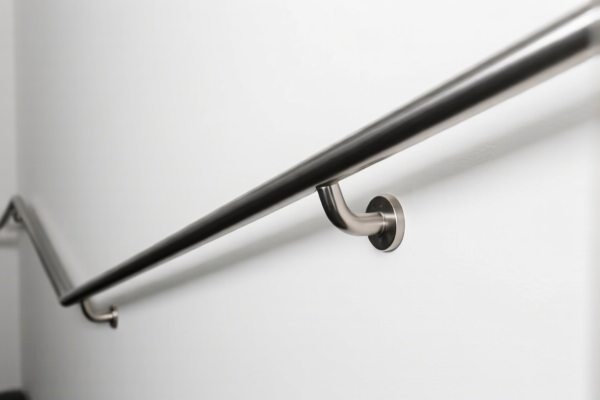
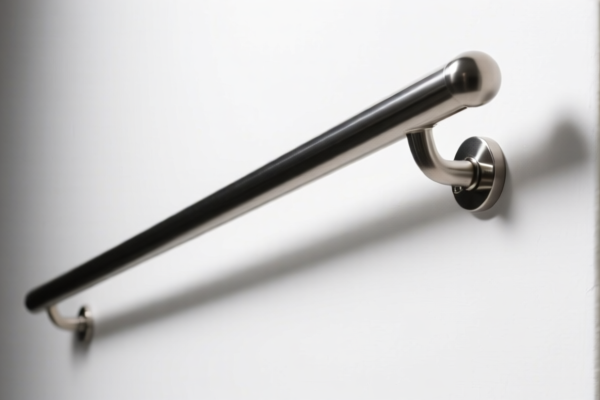
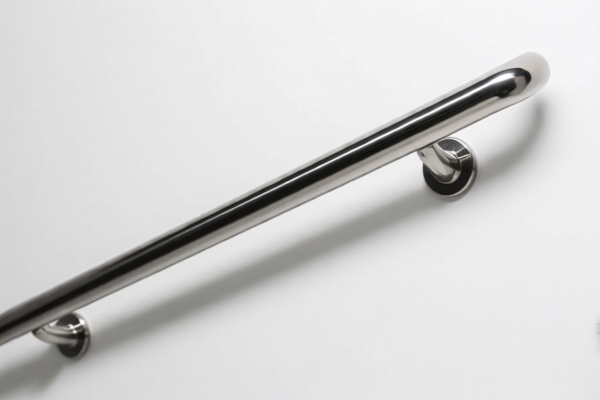
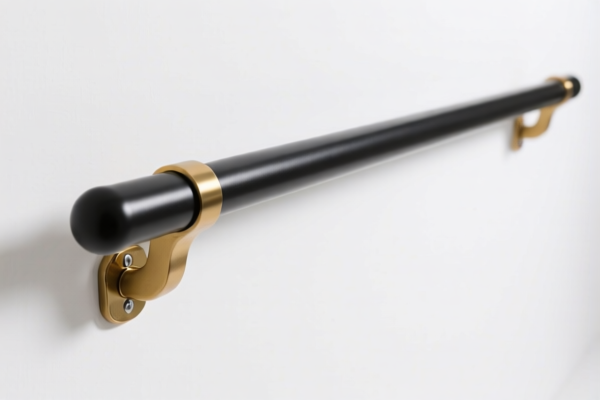
AI Analysis
🛏️ Safety Bed Rail (Protective Bed Rails)
🌐 HS Code Reference & Customs Clearance Guide | 2026 Tariff Schedule Analysis | Professional Entry Strategy
📌 I. Product Definition & Classification: Are You Sure You Know "Safety Bed Rails"?
Safety Bed Rails are protective barriers attached to hospital beds, home care beds, or infant cribs to prevent patients (especially infants, elderly, or mobility-impaired individuals) from falling out. In international trade, the classification heavily depends on the material and the specific intended use (e.g., general medical furniture vs. infant accessory).
There are three primary classification paths based on the provided data:
1. Plastic General Purpose Parts (3926.30.50.00 / 3926.90.99.89)
If the rail is made of plastic and is considered a general "connection part" or "other article" without specific furniture intent.
2. Wooden Furniture Parts (9403.91.00.05)
If the rail is made of wood and is considered a part/accessory of wooden furniture (beds).
3. Infant/Crib Specific Accessories (9403.99.90.10)
If the rail is specifically designed for infant/crib use (baby bed rails).
⚠️ Critical Distinction Point:
- Material Matters: Plastic vs. Wood drastically changes the HS Code and Tax Rate.
- Usage Matters: "General Bed" vs. "Infant Crib" leads to vastly different tax liabilities (35% vs. 85%).
- Conflict Check: Ensure the product description matches the material. You cannot claim "Wooden" if the material is Plastic.
📦 II. HS Code Classification Details (2026 Latest Tariff Data)
| HS Code | Product Description | Material | Key Classification Logic | Tax Risk Level |
|---|---|---|---|---|
3926.30.50.00 |
Other articles of plastics: Connection parts | Plastic | Inferred as "connection/attachment components" for furniture/body parts. No material conflict. | ⚠️ High (22.8%) |
3926.90.99.89 |
Other articles of plastics | Plastic | Fits "Other articles" category. Matches plastic material logic. No specific furniture conflict. | ⚠️ High (22.8%) |
9403.91.00.05 |
Parts of wooden furniture | Wood | Matches "parts of wooden beds." Assumes wooden material by common sense/definition. | ⚖️ Medium (35.0%) |
9403.99.90.10 |
Parts of other furniture: For infant/crib | Any (Logic: Use-based) | Specifically for infant/child beds, cradles, or bouncy seats. High tax due to trade restrictions. | 🔴 Critical (85.0%) |
🔍 Key Reminder:
- Plastic Rails: Must fall under Chapter 39 (Plastics). Choose between3926.30(Connection parts) or3926.90(Other articles).
- Wooden Rails: Must fall under Chapter 94 (Furniture), specifically9403.91(Wooden furniture parts).
- Infant Rails: The9403.99.90.10code triggers a punitive 85% tax rate. This is the most dangerous classification if not carefully managed or if the product is not strictly for infants.
💰 III. 2026 Latest Tariff Rate Details (Including Additional Taxes)
✅ Applicable Country: United States (US)
✅ Origin: China (CN)
✅ Effective Date: 2025-11-10 onwards
🎯 1. 3926.30.50.00 & 3926.90.99.89 —— Plastic Safety Bed Rails
Both plastic codes share the same tax structure in the provided data.
| Item | Content |
|---|---|
| Base Duty | 5.3% (Ad Valorem) |
| Section 301 Additional Duty | +7.5% (List 4A/4B depending on final determination) |
| Section 122 Duty | +10% (Specific additional duty on Chinese goods) |
| Total Duty Rate | 22.8% |
| Tax Calculation | CIF Value × 22.8% |
| De Minimis Eligibility | ❌ Not Eligible (Subject to additional duties) |
| Legal Basis Path | Base Tariff → Section 301 (7.5%) → Section 122 (10%) |
📌 Explanation:
- The 22.8% total rate applies to plastic bed rails imported from China.
- While lower than the infant rail rate, it is still significant compared to pre-trade-war rates.
- No 50% Surcharge: Unlike steel/aluminum, plastic does not incur the additional 50% steel/aluminum tariff.
🎯 2. 9403.91.00.05 —— Wooden Bed Rail Parts
| Item | Content |
|---|---|
| Base Duty | 0.0% |
| Section 301 Additional Duty | +25.0% |
| Section 122 Duty | +10.0% |
| Total Duty Rate | 35.0% |
| Tax Calculation | CIF Value × 35.0% |
| De Minimis Eligibility | ❌ Not Eligible |
| Legal Basis Path | Base Tariff → Section 301 (25%) → Section 122 (10%) |
📌 Note:
- Although the base duty is 0%, the additional tariffs push the total to 35%.
- This classification assumes the rail is a part of the bed, not a separate piece of furniture.
🎯 3. 9403.99.90.10 —— Infant/Child Bed Rail Accessories
| Item | Content |
|---|---|
| Base Duty | 0.0% |
| Section 301 Additional Duty | +25.0% |
| Section 122 Duty | +10.0% |
| Steel/Aluminum Surcharge | +50.0% (If applicable/material conflict exists) |
| Total Duty Rate | 85.0% |
| Tax Calculation | CIF Value × 85.0% |
| De Minimis Eligibility | ❌ Not Eligible |
| Legal Basis Path | Base Tariff → Section 301 (25%) → Section 122 (10%) → Steel/Aluminum Surcharge (50%) |
📌 CRITICAL WARNING:
- This is the highest risk classification.
- The 85% rate is punitive.
- The breakdown shows: Base (0%) + Section 301 (25%) + Section 122 (10%) + Steel/Aluminum Surcharge (50%).
- Note: Even if the rail is plastic, if it is classified under this specific infant/crib subheading, the data indicates a potential linkage to the 50% surcharge logic or a specific high-duty category for this item. Avoid this code if possible unless strictly necessary and verified.
🛠️ IV. Customs Clearance Practical Advice (Battle-Tested Guide)
✅ 1. Preparation Checklist (Must-Haves)
| Document | Mandatory? | Explanation |
|---|---|---|
| ✅ Product Specification Sheet | ✔️ | Must clearly state: Material (Plastic/Wood/Metal), Dimensions, Weight, Intended User (Infant vs. Adult). |
| ✅ Product Photos | ✔️ | Clear images showing the rail, mounting mechanism, and material texture. |
| ✅ Commercial Invoice | ✔️ | Description must be precise: e.g., "Plastic Safety Bed Rail for Adult Hospital Bed" vs. "Infant Crib Safety Rail." |
| ✅ Material Declaration | ✔️ | Explicitly state "100% Plastic" or "Wooden Construction" to prevent customs from assuming the worst (e.g., steel/aluminum). |
| ✅ Declaration of Use | ✔️ | Define if it is for "Adult Care" or "Infant/Crib." This is the biggest differentiator for tax rates. |
✅ 2. Declaration Strategy (Key Mantra)
🔥 “Material First, Use Second, Avoid Infant Code Unless Sure!”
| Scenario | Correct Declaration | Wrong Declaration | Consequence |
|---|---|---|---|
| Plastic Rail for Adult Bed | 3926.30.50.00 or 3926.90.99.89 |
9403.99.90.10 |
Save ~62% tax (22.8% vs 85%) |
| Wooden Rail for Adult Bed | 9403.91.00.05 |
9403.99.90.10 |
Save ~50% tax (35% vs 85%) |
| Infant Rail | 9403.99.90.10 |
3926.90.99.89 |
Pay 85% instead of 22.8% |
| Mixed Material (Plastic+Metal) | 9403.99.90.10 (Risk) |
Any other | Potential 50% surcharge trigger |
📌 Pro Tip:
- If the rail is for adults/hospital use, emphasize "Furniture Part" or "Plastic Article."
- If the rail is for babies, acknowledge the high tax. Consider if packaging/marketing can shift the classification (e.g., as a "general bed accessory" rather than "crib safety device") if legally defensible, but this is risky.
- Never list "Steel" or "Aluminum" if the product is plastic/wood. The 50% surcharge in the9403.99.90.10path is likely triggered by metal content or classification logic. For plastic/wood, the 50% may still appear in the data table but is less relevant for pure plastic/wood. However, based on the provided data,9403.99.90.10explicitly lists the 50% surcharge, so treat it as a black swan risk.
✅ 3. Special Handling
| Situation | Handling Advice |
|---|---|
| OEM Custom Rails | Provide design drawings. Specify exact material composition. |
| Hybrid Materials | If plastic with metal screws/clips, declare as Plastic (3926...) if plastic is the principal material. |
| Gift Sets | If sold with a bed, declare as "Parts of Furniture" (9403.91... or 3926...). Do not split into "Bed" and "Rail" separately if they are a single functional unit. |
| Misclassification Risk | Using 9403.99.90.10 for non-infant products can lead to severe penalties due to the 85% rate and potential fraud allegations. |
🌍 V. Global Market Comparison (2026 Outlook)
| Country/Region | Recommended HS Code | Est. Duty (China Origin) | Certification | Notes |
|---|---|---|---|---|
| 🇺🇸 USA | 3926.90.99.89 (Plastic) |
22.8% | No special certs | High Section 301 + 122 duties. |
| 🇺🇸 USA | 9403.99.90.10 (Infant) |
85.0% | No special certs | Avoid if possible. Highest punitive rate. |
| 🇨🇳 China | 3926.90.99.89 |
5.3% | None | Low base duty. |
| 🇪🇺 EU | 3926.90.90 |
0%~4.5% | CE + RoHS | No Section 301/122 equivalents. |
| 🇬🇧 UK | 3926.90.90 |
0%~4.5% | UKCA + RoHS | Post-Brexit tariffs similar to EU. |
📌 Conclusion:
- The US market is the most expensive due to Section 301, Section 122, and potential punitive infant tariffs.
- Plastic classification (3926) is the most cost-effective for non-infant rails.
- Infant classification (9403.99.90.10) is a financial trap with 85% duty.
📌 VI. Common Mistakes & Pitfalls (Lessons Learned)
❌ Mistake 1: Classifying Adult Bed Rails as "Infant Crib Parts" (9403.99.90.10)
👉 Consequence: Pay 85% tax instead of 22.8%. Loss of Profit Margin!
❌ Mistake 2: Claiming "Wooden" for Plastic Rails
👉 Consequence: Customs inspection reveals plastic. Reclassification + Penalties + Delay.
❌ Mistake 3: Ignoring Section 122 Duty
👉 Consequence: Budgeting only for Base + Section 301. Unexpected 10% hit.
❌ Mistake 4: Splitting "Rail" and "Mounting Kit"
👉 Consequence: If sold together, declare as one unit. Splitting may trigger separate duties or "accessory" rules that favor the higher duty item.
✅ Correct Practice:
"Plastic Safety Bed Rail, Model XYZ, For Adult Hospital Bed, 100% Polypropylene, No Metal Parts, Includes Mounting Hardware."
🎯 VII. Conclusion: Precision Saves Money
🎯 Remember the Mantra:
🔹 "Plastic Adult = 22.8%, Wooden Adult = 35%, Infant = 85%."
🔹 "Material is King, Use is Queen, Infant Code is a Minefield."
📌 Tip:
If you are importing plastic safety bed rails for adults, prioritize the 3926 codes. Avoid the 9403.99.90.10 code unless you are 100% certain the product is for infants and can absorb the 85% duty.
📣 Immediate Action:
📞 Consult a Customs Broker
📄 Provide Material Composition and Target User clearly
🚀 Optimize HS Code to avoid the 85% pitfall.
✨ Professional Clearance Starts with Accurate Classification!
💼 Every percentage point counts in the US market!
Customer Reviews
About HS Code Classification
The Harmonized System (HS) is an internationally standardized nomenclature developed by the World Customs Organization (WCO) to classify traded products. Over 200 countries use the HS system as the basis for customs tariffs, trade statistics, and import/export regulations.
Each HS code follows a hierarchical structure:
- Chapter (2 digits) — Broad category of goods (e.g., Chapter 84: Machinery and Mechanical Appliances)
- Heading (4 digits) — More specific grouping within the chapter
- Subheading (6 digits) — Internationally standardized breakdown, used by all WCO member countries
- National subdivisions (8-10 digits) — Country-specific extensions for further classification, such as US HTSUS 10-digit codes
Correct HS code classification is essential for smooth customs clearance, accurate duty payment, and compliance with trade regulations. Misclassification can lead to customs delays, overpayment of duties, or penalties.
When importing from CN to US, the applicable tariff rates may include:
- Most-Favored-Nation (MFN) rate — The standard duty rate applied to WTO members
- General rate — Applied to countries without trade agreements
- Trade remedy duties — Additional tariffs such as Section 301 (anti-dumping), Section 232 (national security), or countervailing duties
The information provided on this page is for reference purposes only. For official classification, please consult with your local customs authority or a licensed customs broker.