Safety Belt Rope
CN → US| HS Code | Tariff Rate | Origin | Destination | Doc |
|---|---|---|---|---|
| 3926909989 | 22.8% | CN | US | Official Doc |
| 3926909930 | 22.8% | CN | US | Official Doc |
| 7312109090 | 85.0% | CN | US | Official Doc |
| 8708998180 | 37.5% | CN | US | Official Doc |
| 8708210000 | 37.5% | CN | US | Official Doc |
Product Images

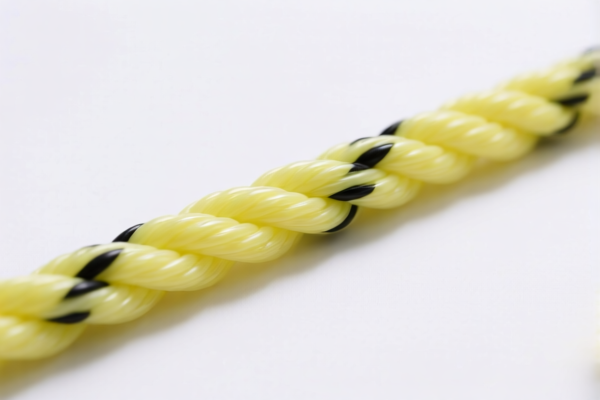
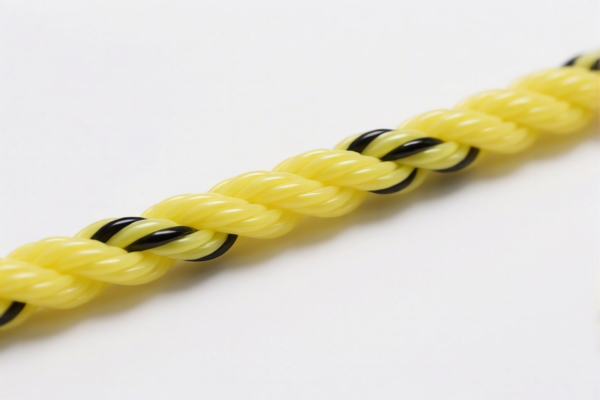
AI Analysis
🛡️ Safety Belt & Rope (Safety Rope)
🌐 HS Code Reference & Customs Clearance Guide | 2026 Latest Tariff Analysis | Professional Clearance Strategy
📌 I. Product Definition & Classification: What Exactly is a "Safety Belt Rope"?
The term "Safety Belt Rope" is ambiguous in international trade. It can refer to two distinct categories of safety equipment based on material and application. Determining the correct classification is critical because the tax rates vary drastically from 22.8% to 85.0%.
1. Synthetic Safety Rope (Plastic/Fiber-Based)
- Material: Nylon, Polyester, or other synthetic fibers.
- Application: General safety, climbing, industrial fall protection, cargo lashing.
- Key Characteristic: Non-metallic, textile-based structure.
2. Automotive Seat Belt (Car Safety Belt)
- Application: Specifically designed for use in motor vehicles.
- Key Characteristic: Part of a vehicle's safety system; classified as a car part.
3. Steel Wire Rope (Metallic)
- Material: Steel wire strands.
- Application: Heavy-duty lifting, structural support, industrial machinery.
- Key Characteristic: Metallic composition, high tensile strength.
⚠️ Critical Distinction:
- If it is a nylon/polyester rope for general use → Chapter 39 (Plastics)
- If it is for cars → Chapter 87 (Vehicles)
- If it is a steel wire rope → Chapter 73 (Iron/Steel)
📦 II. HS Code Classification Details (2026 Latest Tariff Authority对照)
Based on the provided data, here are the four possible HS Codes and their specific rationales:
| HS Code | Product Description | Material/Usage Logic | Key Classification Reason |
|---|---|---|---|
| 3926.90.99.89 | Other articles of plastics (Synthetic Safety Rope) | Nylon/Polyester | Made of plastic/synthetic fibers; "Other" article not specified elsewhere. |
| 3926.90.99.30 | Other articles of plastics (Synthetic Safety Rope) | Nylon/Polyester | Synthetic plastic/fiber material; "Other" item category. |
| 8708.99.81.80 | Car Safety Belt (Parts/Accessories) | For Motor Vehicles | Specifically identified as a car part/accessory; no material conflict. |
| 8708.21.00.00 | Car Safety Belt (Parts/Accessories) | For Motor Vehicles | Name "Safety Belt" matches the specific use (seat belt) and category (vehicle part). |
| 7312.10.90.90 | Steel Wire Rope (Metallic Safety Rope) | Steel/Iron | Metal wire/rope/cable structure; "Other" rope under iron/steel. |
🔍 Important Note:
- HS Code 3926.xxxx: Used for non-metallic safety ropes (nylon/polyester). The distinction between.99.89and.99.30lies in specific sub-heading details regarding the form of the plastic article. - HS Code 8708.xxxx: Strictly for automotive seat belts. Do not use this for general climbing ropes. - HS Code 7312.10.90.90: Used only if the rope is made of steel wire (metallic), not synthetic fiber.
💰 III. 2026 Latest Tariff Rate Breakdown (Detailed Tax Clauses)
✅ Applicable Country: USA (US)
✅ Origin: China (CN)
✅ Effective Time: Includes tariffs effective from 2025/2026 periods.
🎯 1. Synthetic Safety Ropes (Plastic/Fiber)
HS Codes: 3926.90.99.89 & 3926.90.99.30
| Item | Content |
|---|---|
| Base Tariff | 5.3% |
| Section 301 Tariff (Additional) | +7.5% |
| Section 122 Tariff | +10.0% |
| Total Tax Rate | 22.8% |
| Calculation Base | CIF Value × 22.8% |
| Legal Basis Path | Base Rate + Section 301 + Section 122 |
📌 Explanation:
- These synthetic ropes are classified as "Other articles of plastics." - The total tax burden is 22.8%. - Section 122 Tariff (+10%) applies specifically to certain categories of goods, impacting the final cost significantly.
🎯 2. Automotive Seat Belts (Car Parts)
HS Codes: 8708.99.81.80 & 8708.21.00.00
| Item | Content |
|---|---|
| Base Tariff | 2.5% |
| Section 301 Tariff (Additional) | +25.0% |
| Section 122 Tariff | +10.0% |
| Total Tax Rate | 37.5% |
| Calculation Base | CIF Value × 37.5% |
| Legal Basis Path | Base Rate + Section 301 + Section 122 |
📌 Explanation:
- Automotive parts generally have a lower base tariff (2.5%). - However, the Section 301 tariff is higher at 25% for car parts. - Combined with Section 122, the total is 37.5%. - Warning: Ensure the product is strictly for motor vehicles. If misclassified as a general rope, you may face penalties or incorrect tax applications.
🎯 3. Steel Wire Rope (Metallic)
HS Code: 7312.10.90.90
| Item | Content |
|---|---|
| Base Tariff | 0.0% |
| Section 301 Tariff (Additional) | +25.0% |
| Section 122 Tariff | +10.0% |
| Steel/Aluminum/Copper Additional Tariff | +50.0% |
| Total Tax Rate | 85.0% |
| Calculation Base | CIF Value × 85.0% |
| Legal Basis Path | Base Rate + Section 301 + Section 122 + Metal-Specific Tariff |
📌 Explanation:
- This is the most expensive category. - Steel products face an additional 50% tariff under specific metal-related trade policies. - Combined with Section 301 (25%) and Section 122 (10%), the total hits 85.0%. - Critical: Do not use this HS Code for nylon/polyester ropes. Misclassification can lead to severe underpayment of duties.
🛠️ IV. Customs Clearance Practical Advice (Real-World Pitfall Avoidance)
✅ 1. Required Documentation Checklist
| Document | Mandatory? | Description |
|---|---|---|
| ✅ Product Specification Sheet | ✔️ | Must clearly state Material (Nylon, Polyester, Steel, etc.) |
| ✅ Product Photos | ✔️ | Clear images showing the rope's texture (fiber vs. metal strands) and ends (hooks, loops) |
| ✅ Commercial Invoice | ✔️ | Must accurately describe the item (e.g., "Nylon Safety Rope" vs. "Car Seat Belt") |
| ✅ Packing List | ✔️ | Details of quantity and packaging |
| ✅ Usage Declaration | ✔️ | Explicitly state the intended use (e.g., "For climbing," "For automotive use," "For industrial lifting") |
⚠️ Key Tip: The description "Safety Belt Rope" is too vague. Use specific terms: - "Nylon Safety Rope" for HS 3926 - "Automotive Seat Belt Assembly" for HS 8708 - "Steel Wire Rope" for HS 7312
✅ 2. Declaration Strategy (Key Mantra)
🔥 "Material First, Use Second, Name Precise!"
| Scenario | Correct HS Code | Error Consequence |
|---|---|---|
| Nylon/Polyester Rope (General Use) | 3926.90.99.89 / .30 |
If declared as steel → 85% tax; if declared as car part → 37.5% tax |
| Car Seat Belt | 8708.21.00.00 / 99.81.80 |
If declared as general rope → 22.8% tax (Underpayment risk if inspection reveals car part) |
| Steel Wire Rope | 7312.10.90.90 |
If declared as nylon → 22.8% tax (Underpayment risk; Steel is 85%) |
✅ 3. Special Circumstances
| Situation | Handling Advice |
|---|---|
| Mixed Packaging | If car seat belts and general ropes are packed together, declare separately. Mixing categories can lead to full container inspection and delays. |
| OEM Custom Ropes | Provide design drawings showing material composition to prove they are plastic (Chapter 39) and not metal. |
| Steel Rope for Lifting | Be aware of the 50% additional metal tariff. Consider if the product can be classified differently if it has specific functional components (e.g., hooks), but base rope remains steel. |
🌍 V. Global Market Clearance Comparison (2026)
| Country/Region | Recommended HS Code | Estimated Tax (China Origin) | Certification Requirements | Notes |
|---|---|---|---|---|
| 🇺🇸 USA | 3926.90.99.89 (Synthetic) |
22.8% | No specific certs usually | High Section 301/122 impact |
| 🇺🇸 USA | 8708.21.00.00 (Car) |
37.5% | DOT (if for cars) | Higher base but lower than steel |
| 🇺🇸 USA | 7312.10.90.90 (Steel) |
85.0% | No specific certs usually | Highest Tax Burden due to metal tariffs |
| 🇨🇳 China | 3926.90.99.89 |
5-10% | CCC (if applicable) | Lower base rates |
| 🇪🇺 EU | 3926.90.99 |
0-6% | CE (if machinery parts) | No Section 301/122 equivalent |
📌 Conclusion:
- USA imposes heavy tariffs on all categories due to Section 301 and Section 122.
- Steel ropes are the most expensive to import into the US.
- Synthetic ropes offer a moderate tax burden (22.8%).
- Car parts fall in between (37.5%).
📌 VI. Common Errors & Pitfalls (Lessons Learned)
❌ Mistake 1: Calling all "ropes" Safety Rope and declaring under 7312 (Steel)
👉 Result: If it's actually nylon, you underpay tax (22.8% vs 85%). Customs will assess back taxes + penalties.
❌ Mistake 2: Calling a Car Seat Belt a "Safety Belt" and declaring under 3926 (Plastic)
👉 Result: If customs identifies it as a car part, they may reclassify to 8708. While the tax (37.5%) is higher than 22.8%, the misclassification can lead to audits.
❌ Mistake 3: Not specifying Material in the description
👉 Result: Customs may default to the highest duty rate or hold the shipment for inspection, causing delays.
✅ Correct Practice:
- For Nylon: "Nylon Webbing Safety Rope, 10mm, for Industrial Fall Protection"
- For Car: "Automotive Seat Belt Assembly, Type XYZ, For Model ABC Car"
- For Steel: "Galvanized Steel Wire Rope, 6x19 Construction, For Lifting"
🎯 VII. Conclusion: Professional Declaration, Cost Control!
🎯 Remember the Mantra:
🔹 "Material Determines Code, Use Determines Chapter!"
🔹 "Steel is 85%, Car is 37.5%, Plastic is 22.8%!"
🔹 "Be specific in your declaration to avoid customs delays!"
📌 Pro Tip:
If you are importing synthetic safety ropes (Nylon/Polyester), ensure your invoice clearly states "Synthetic Fiber" and "Not for Automotive Use" to avoid confusion with car parts or steel ropes.
For automotive seat belts, ensure they comply with DOT regulations if sold as car parts in the US.
📣 Immediate Action:
📞 Contact your customs broker with the material composition and intended use.
📄 Request an Advance Ruling if you are unsure about the classification for large volumes.
🚀 Optimize your supply chain by choosing the right HS Code to minimize tariff impact!
✨ Professional Clearance Starts with Accurate Classification!
💼 Every percentage point matters!
Customer Reviews
About HS Code Classification
The Harmonized System (HS) is an internationally standardized nomenclature developed by the World Customs Organization (WCO) to classify traded products. Over 200 countries use the HS system as the basis for customs tariffs, trade statistics, and import/export regulations.
Each HS code follows a hierarchical structure:
- Chapter (2 digits) — Broad category of goods (e.g., Chapter 84: Machinery and Mechanical Appliances)
- Heading (4 digits) — More specific grouping within the chapter
- Subheading (6 digits) — Internationally standardized breakdown, used by all WCO member countries
- National subdivisions (8-10 digits) — Country-specific extensions for further classification, such as US HTSUS 10-digit codes
Correct HS code classification is essential for smooth customs clearance, accurate duty payment, and compliance with trade regulations. Misclassification can lead to customs delays, overpayment of duties, or penalties.
When importing from CN to US, the applicable tariff rates may include:
- Most-Favored-Nation (MFN) rate — The standard duty rate applied to WTO members
- General rate — Applied to countries without trade agreements
- Trade remedy duties — Additional tariffs such as Section 301 (anti-dumping), Section 232 (national security), or countervailing duties
The information provided on this page is for reference purposes only. For official classification, please consult with your local customs authority or a licensed customs broker.