Safety Cabinet Lock
CN → US| HS Code | Tariff Rate | Origin | Destination | Doc |
|---|---|---|---|---|
| 8301106080 | 23.6% | CN | US | Official Doc |
| 7326908688 | 87.9% | CN | US | Official Doc |
| 7326190080 | 87.9% | CN | US | Official Doc |
Product Images
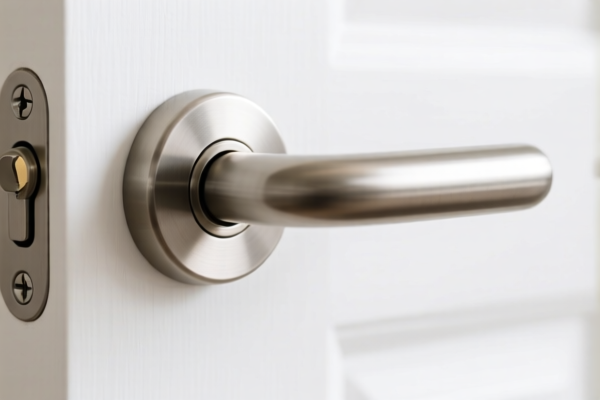
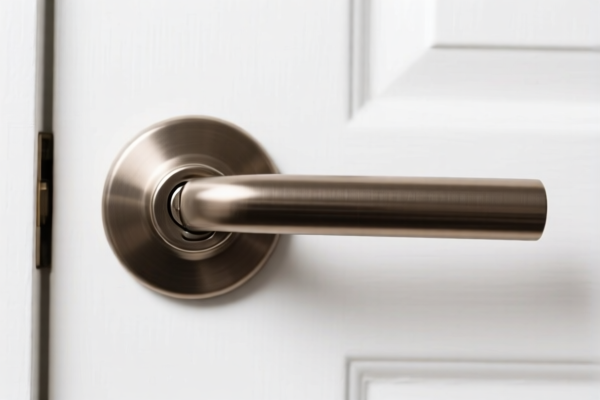
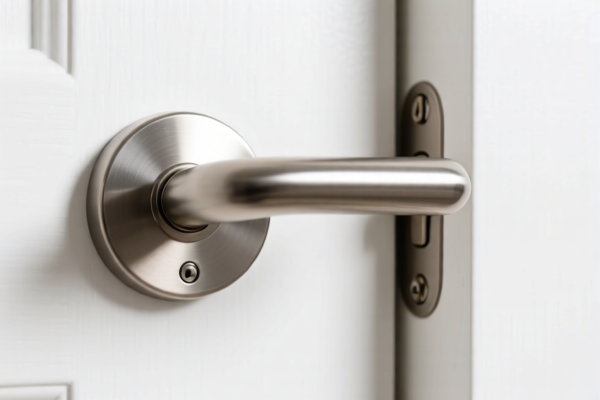
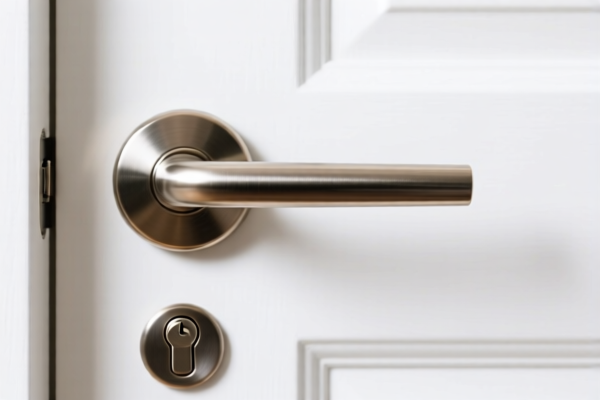
AI Analysis
🔒 Safety Cabinet Lock (Hardware for Furniture)
🌐 HS Code Reference & Customs Clearance Guide | 2026 Latest Tariff Analysis | Professional Entry Strategy
📌 Part 1: Product Definition & Classification: Do You Truly Understand "Safety Locks"?
Safety Cabinet Locks are critical security components used in industrial, laboratory, and commercial storage units. In international trade, their classification hinges primarily on material composition and mechanism type. They are generally categorized into two main buckets:
1. Base Metal Padlocks/Locks (General Use): - Typically made of brass, zinc alloy, or steel. - Classified under Chapter 83 (Miscellaneous Articles of Base Metal). - This is the most common classification for standard mechanical safety locks.
2. Iron or Steel Fabricated Articles: - If the lock is constructed primarily of iron/steel sheets or wires without specific "lock" functionality in Chapter 83, or if it falls under "other articles of iron or steel." - Classified under Chapter 73 (Articles of Iron or Steel). - Note: This often attracts significantly higher tariffs due to specific US trade policies.
⚠️ Key Distinction Point:
- If the lock fits the description of a "padlock" or "security lock" made of base metal → HS Code 8301.
- If classified as a generic "steel part" or "steel fitting" not specifically described as a lock in Ch. 83 → HS Code 7326.
📦 Part 2: HS Code Classification Details (2026 Latest Tariff Authority Mapping)
| HS Code | Product Description | Application Scenario | Tariff Category |
|---|---|---|---|
8301.10.60.80 |
Locks of a kind used for furniture, vehicles, or other purposes, other than electronic or electrically operated, of base metal (Other) | Standard mechanical safety padlocks, key-operated cabinet locks made of brass/steel/zinc alloy | Base Metal Locks |
7326.90.86.88 |
Other articles of iron or steel (Other) | Steel-made lock components or locks classified as general fabricated steel articles rather than specific locks | Other Steel Articles |
7326.19.00.80 |
Other articles of iron or steel (Other forged or stamped) | Steel lock bodies produced via forging/stamping processes, falling under general steel goods | Other Steel Articles |
🔍 Crucial Reminder:
- Classification matters immensely: Misclassifying a standard lock (8301) as a general steel article (7326) can lead to a massive tariff increase (from ~23.6% to ~87.9%). - Customs authorities often scrutinize locks to ensure they are not misclassified to avoid higher duties. Ensure your product fits the specific description of Chapter 83.
💰 Part 3: 2026 Latest Tariff Rate Breakdown (Including Additional Duties & Policy Add-ons)
✅ Applicable Country: United States (US)
✅ Origin: China (CN)
✅ Effective Time: Ongoing (Based on current Section 301, 123, and IEEPA rules)
🎯 1. 8301.10.60.80 —— Base Metal Locks (Furniture/Vehicle Locks)
| Item | Content |
|---|---|
| Base Rate (MFN) | 6.1% |
| Section 301 / Additional Duty | 7.5% |
| Section 123 Duty (Tariff) | 10.0% |
| Total Effective Rate | 23.6% |
| Calculation Basis | CIF Value × 23.6% |
| De Minimis Exemption | ❌ Not Eligible (Deny De Minimis for Section 301 goods) |
| Legal Path | USITC:8301.10.60.80 → Section 301 Footnote → Section 123 Statutory Provision |
📌 Explanation:
- This is the most favorable classification for standard safety cabinet locks. - The 23.6% total includes the base MFN duty plus specific additional tariffs applied to Chinese goods. - Key Advantage: It is significantly lower than the "steel article" classification.
🎯 2. 7326.90.86.88 —— Other Articles of Iron or Steel
| Item | Content |
|---|---|
| Base Rate (MFN) | 2.9% |
| Section 301 / Additional Duty | 25.0% |
| Section 123 Duty (Tariff) | 10.0% |
| Steel/Aluminum/Copper Additional Duty | 50.0% (Specific to steel products under certain trade enforcement actions) |
| Total Effective Rate | 87.9% |
| Calculation Basis | CIF Value × 87.9% |
| De Minimis Exemption | ❌ Not Eligible |
| Legal Path | USITC:7326.90.86.88 → Section 301 Footnote → Section 123 → Steel Additional Duty Provision |
📌 Warning:
- DO NOT USE this code unless your product cannot be classified under Chapter 83. - The 87.9% rate is punitive and will destroy profit margins. - This applies if Customs determines the item is a "general steel article" rather than a specific "lock."
🎯 3. 7326.19.00.80 —— Forged/Stamped Steel Articles
| Item | Content |
|---|---|
| Base Rate (MFN) | 2.9% |
| Section 301 / Additional Duty | 25.0% |
| Section 123 Duty (Tariff) | 10.0% |
| Steel/Aluminum/Copper Additional Duty | 50.0% |
| Total Effective Rate | 87.9% |
| Calculation Basis | CIF Value × 87.9% |
| De Minimis Exemption | ❌ Not Eligible |
| Legal Path | USITC:7326.19.00.80 → Section 301 → Section 123 → Steel Additional Duty Provision |
📌 Note:
- Same exorbitant rate as the previous steel code. - Applies to locks manufactured via forging/stamping if not deemed "locks" in Ch. 83.
🛠️ Part 4: Customs Clearance Practical Advice (Pitfall Avoidance Guide)
✅ 1. Documentation Checklist (Essential)
| Document | Required | Explanation |
|---|---|---|
| ✅ Product Specifications | ✔️ | Must specify: Material (e.g., Brass, Zinc Alloy, Steel), Mechanism (Key, Combination, Electronic), and Application (Cabinet, Safe). |
| ✅ Technical Diagrams | ✔️ | Show internal mechanism to prove it functions as a lock (tumblers, pins, etc.), supporting HS 8301. |
| ✅ Product Photos | ✔️ | Clear images of the lock body, keyway, and any branding/model numbers. |
| ✅ Commercial Invoice | ✔️ | Description should read: "Mechanical Safety Lock for Furniture, Made of Base Metal, Model XYZ" |
| ✅ Bill of Lading | ✔️ | Standard shipping document. |
✅ 2. Declaration Strategy (Key Mnemonic)
🔥 "Material Defines Chapter, Function Defines Subheading!"
| Scenario | Correct HS Code | Risk if Incorrect |
|---|---|---|
| Standard Mechanical Padlock/Cabinet Lock | 8301.10.60.80 |
Correct. Rate: 23.6%. |
| Lock made of Steel, classified as general part | 7326.90.86.88 |
Risk: Rate jumps to 87.9%. High audit risk. |
| Lock made of Steel, forged/stamped | 7326.19.00.80 |
Risk: Rate jumps to 87.9%. |
| Electronic Locks (if any) | Check 8301.50 or 8531 | Different rules apply; not covered in this specific dataset. |
💡 Pro Tip:
If your lock is made of steel, do NOT assume it goes to Chapter 73. Chapter 83 specifically covers "locks and keys," even if made of steel. Ensure your description emphasizes "Lock" and "Base Metal" to stay in HS 8301.
✅ 3. Special Circumstances
| Situation | Handling Advice |
|---|---|
| Electronic Safety Locks | Not covered in this specific dataset. Likely HS 8301.50 or 8531.99. Consult advanced rules. |
| OEM Custom Locks | Provide OEM agreement and design specs to prove functional identity as a "lock." |
| Mixed Containers | If shipping both locks (8301) and other steel parts (7326), declare separately to avoid misclassification penalties. |
| Origin Marking | Ensure "Made in China" is clearly marked on product/packaging to comply with country-of-origin labeling laws. |
🌍 Part 5: Global Market Comparison (2026 Overview)
| Country/Region | Recommended HS Code | Approx. Total Duty (CN Origin) | Notes |
|---|---|---|---|
| 🇺🇸 USA | 8301.10.60.80 |
23.6% | Includes Section 301 (7.5%) + Sec 123 (10%). Avoid 7326 (87.9%). |
| 🇨🇳 China | 8301.10.60.80 |
6.0% - 9.0% | Standard import duty for hardware. |
| 🇪🇺 EU | 8301.40.00 |
0% - 2.7% | Generally low duty for locks. No major US-style additional tariffs. |
| 🇬🇧 UK | 8301.40.00 |
2.7% | Post-Brexit tariff. |
| 🇦🇺 Australia | 8301.40.00 |
5.0% | Standard FTA rates may apply if eligible. |
📌 Conclusion:
- The US market is the most challenging due to layered additional tariffs. - Correct classification as HS 8301 is critical to save 64.3% in duties compared to misclassification as HS 7326.
📌 Part 6: Common Errors & Pitfalls (Lessons Learned)
❌ Mistake 1: Describing a lock as "Steel Fitting" or "Hardware Part"
👉 Consequence: Customs may classify it as 7326 → 87.9% Duty.
✅ Fix: Always use "Lock" in the commercial description.
❌ Mistake 2: Ignoring Section 123 and 301 impacts
👉 Consequence: Budgeting based on base rate (6.1%) leads to severe cash flow issues.
✅ Fix: Always calculate using the Total Effective Rate (23.6%) for US imports.
❌ Mistake 3: Using the same code for Mechanical and Electronic Locks
👉 Consequence: Electronic locks may have different subheadings.
✅ Fix: Verify if your lock has electronic components (keypad, biometric, RFID). This dataset focuses on mechanical/base metal locks.
🎯 Part 7: Conclusion: Precision in Classification Saves Money!
🎯 Remember the Mnemonic:
🔹 "Locks are 8301, Steels are 7326. 23.6% vs 87.9%, the difference is huge!"
🔹 "Describe it as a Lock, not a Part, to keep duties low and smooth!"
📌 Tips:
- If your safety locks are electronic, they may fall under different codes (e.g., 8301.50 or 8531). This analysis is strictly for mechanical base metal locks based on the provided data.
- Always request a Binding Ruling from US Customs (CBP) if you are unsure about the material/function classification for high-volume shipments.
📣 Immediate Action:
📞 Contact your customs broker with the specific product description: "Mechanical Safety Lock, Base Metal, for Furniture"
🚀 Ensure HS Code8301.10.60.80is used to optimize costs for US imports.
✨ Professional Clearance Starts with Accurate Classification!
💼 Every percentage point in duty rates affects your bottom line!
Customer Reviews
About HS Code Classification
The Harmonized System (HS) is an internationally standardized nomenclature developed by the World Customs Organization (WCO) to classify traded products. Over 200 countries use the HS system as the basis for customs tariffs, trade statistics, and import/export regulations.
Each HS code follows a hierarchical structure:
- Chapter (2 digits) — Broad category of goods (e.g., Chapter 84: Machinery and Mechanical Appliances)
- Heading (4 digits) — More specific grouping within the chapter
- Subheading (6 digits) — Internationally standardized breakdown, used by all WCO member countries
- National subdivisions (8-10 digits) — Country-specific extensions for further classification, such as US HTSUS 10-digit codes
Correct HS code classification is essential for smooth customs clearance, accurate duty payment, and compliance with trade regulations. Misclassification can lead to customs delays, overpayment of duties, or penalties.
When importing from CN to US, the applicable tariff rates may include:
- Most-Favored-Nation (MFN) rate — The standard duty rate applied to WTO members
- General rate — Applied to countries without trade agreements
- Trade remedy duties — Additional tariffs such as Section 301 (anti-dumping), Section 232 (national security), or countervailing duties
The information provided on this page is for reference purposes only. For official classification, please consult with your local customs authority or a licensed customs broker.