Safety Door Lock
CN → US| HS Code | Tariff Rate | Origin | Destination | Doc |
|---|---|---|---|---|
| 8302416045 | 88.9% | CN | US | Official Doc |
| 7326908676 | 87.9% | CN | US | Official Doc |
| 8301300090 | 23.2% | CN | US | Official Doc |
| 8301406030 | 23.2% | CN | US | Official Doc |
| 7326908688 | 87.9% | CN | US | Official Doc |
| 8302419045 | 38.5% | CN | US | Official Doc |
Product Images
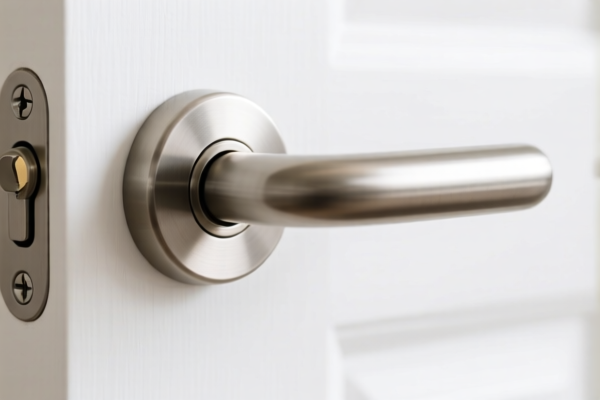
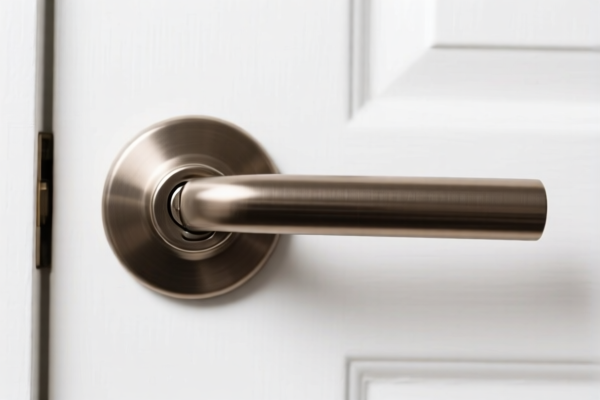
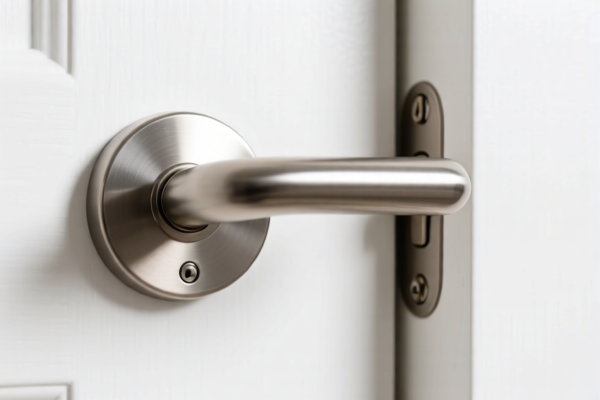
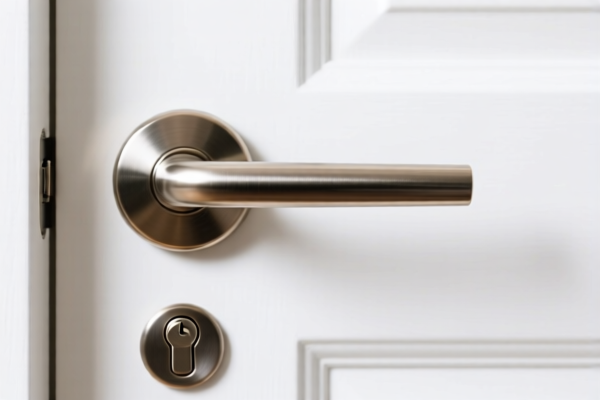
AI Analysis
🔐 Safety Door Lock (Security Door Locks)
🌐 HS Code Reference & Customs Clearance Guide | 2026 Updated Tariff Analysis | Pro-Level Import Strategy
📌 One Product, Multiple Classifications – Why the HS Code Matters More Than You Think!
📦 I. Product Definition & Classification: What Exactly Is a "Safety Door Lock"?
A safety door lock is a mechanical or electronic locking mechanism designed to secure doors in residential, commercial, or industrial buildings. It ensures safety by preventing unauthorized access and is commonly used on entry doors, fire doors, and secure storage units.
⚠️ Critical Distinction:
- If the lock is part of a larger door assembly or used in building construction, it falls under building hardware.
- If it's a standalone metal component made from iron, steel, copper, or aluminum, it may be classified as a metal product under general iron/steel categories.
- Material composition and intended use are the key determinants of HS code.
📊 II. HS Code Classification Breakdown (2026 Official Tariff Mapping)
| HS Code | Product Description | Key Features | Material | Use Case |
|---|---|---|---|---|
8302.41.60.45 |
Building hardware – metal door locks | Metal-made, used for indoor/outdoor doors | Metal (general) | Architectural hardware, residential/commercial doors |
7326.90.86.76 |
Other iron or steel articles | Made of iron or steel, non-specific use | Iron/Steel | General metal制品, consumer-grade locks |
8301.30.00.90 |
Locks for furniture or buildings | Metal-made, used in furniture or building systems | Metal | Interior doors, cabinets, office furniture |
8301.40.60.30 |
Locks made of base metals | Functional classification matches type | Base metals (e.g., iron, steel) | General-purpose door locks |
7326.90.86.88 |
Other iron or steel articles (finished goods) | Consumer metal product, not for machinery | Iron/Steel | Household or commercial lock products |
8302.41.90.45 |
Building hardware – basic metal fittings | General metal fittings for buildings | Basic metal | Door hardware, structural accessories |
🔍 Why So Many Codes?
The same physical product can be classified differently based on: - Material (steel vs. copper vs. aluminum) - End-use (building vs. furniture vs. industrial) - Manufacturing process (cast, forged, stamped) - Complexity (simple latch vs. electronic smart lock)
💰 III. 2026 Updated Tariff Rates (U.S. Market – China Origin)
✅ Applicable Country: United States (US)
✅ Origin: China (CN)
✅ Effective Date: November 10, 2025 (and ongoing)
🎯 1. 8302.41.60.45 – Building Hardware (Metal Door Locks)
| Item | Detail |
|---|---|
| Base Duty | 3.9% (ad valorem) |
| Additional Tariff (Section 301) | +25.0% |
| Section 122 – Steel/Aluminum/Copper Products | +50% (applies to iron/steel-based items) |
| Total Effective Duty | 88.9% |
| Tax Calculation | CIF Value × 88.9% |
| De Minimis Threshold | ❌ Not eligible (denied) |
| Legal Basis Path | USITC:8302.41.60.45 → FOOTNOTE:9903.88.01 → IEEPA:9903.01.25 → 122:7326.90.86.76 |
📌 Explanation:
- This code applies to metal door locks used in building construction. - The 50% Section 122 tariff is triggered because the product is made of iron or steel. - Combined with 25% Section 301 and 3.9% base, the total skyrockets to 88.9%.
🎯 2. 7326.90.86.76 – Other Iron or Steel Articles
| Item | Detail |
|---|---|
| Base Duty | 2.9% |
| Section 301 Tariff | +25.0% |
| Section 122 – Steel/Aluminum/Copper | +50% |
| Total Duty | 87.9% |
| Tax Calculation | CIF × 87.9% |
| De Minimis | ❌ Not applicable |
| Legal Path | USITC:7326.90.86.76 → FOOTNOTE:9903.88.01 → IEEPA:9903.01.25 → 122:7326.90.86.76 |
📌 Note:
- Applies to iron/steel products not covered by other subheadings. - Even if the lock is not explicitly called "hardware", if it's made of iron/steel and used in doors, this code applies.
🎯 3. 8301.30.00.90 – Locks for Furniture or Buildings
| Item | Detail |
|---|---|
| Base Duty | 5.7% |
| Section 301 | +7.5% |
| Section 122 (Steel/Aluminum/Copper) | +10% |
| Total Duty | 23.2% |
| Tax Calculation | CIF × 23.2% |
| De Minimis | ✅ Eligible (if value < $800) |
| Legal Path | USITC:8301.30.00.90 → FOOTNOTE:9903.88.01 → IEEPA:9903.01.24 → 122:8301.30.00.90 |
📌 Why Lower?
- This code is not subject to the 50% Section 122 tariff. - Only 10% applies under Section 122 (likely due to classification as a "lock" rather than "structural iron/steel"). - Best option for cost control if you can justify the use as a furniture or general building lock.
🎯 4. 8301.40.60.30 – Locks Made of Base Metals
| Item | Detail |
|---|---|
| Base Duty | 5.7% |
| Section 301 | +7.5% |
| Section 122 | +10% |
| Total Duty | 23.2% |
| Tax Calculation | CIF × 23.2% |
| De Minimis | ✅ Yes |
| Legal Path | USITC:8301.40.60.30 → FOOTNOTE:9903.88.01 → IEEPA:9903.01.24 → 122:8301.40.60.30 |
📌 Key Insight:
- This code is identical in rate to8301.30.00.90. - Applies to locks made of base metals (e.g., iron, steel, brass). - Highly recommended for non-structural, general-purpose locks.
🎯 5. 7326.90.86.88 – Other Iron or Steel Articles (Finished Goods)
| Item | Detail |
|---|---|
| Base Duty | 2.9% |
| Section 301 | +25.0% |
| Section 122 – Steel/Aluminum/Copper | +50% |
| Total Duty | 87.9% |
| Tax Calculation | CIF × 87.9% |
| De Minimis | ❌ No |
| Legal Path | USITC:7326.90.86.88 → FOOTNOTE:9903.88.01 → IEEPA:9903.01.25 → 122:7326.90.86.88 |
📌 Same as
7326.90.86.76– just a different subcategory.
- Applies to finished metal products that don’t fit elsewhere. - Avoid this code if possible – it leads to 87.9%.
🎯 6. 8302.41.90.45 – Building Hardware – Basic Metal Fittings
| Item | Detail |
|---|---|
| Base Duty | 3.5% |
| Section 301 | +25.0% |
| Section 122 | +10% |
| Total Duty | 38.5% |
| Tax Calculation | CIF × 38.5% |
| De Minimis | ✅ Yes |
| Legal Path | USITC:8302.41.90.45 → FOOTNOTE:9903.88.01 → IEEPA:9903.01.24 → 122:8302.41.90.45 |
📌 Best Balance of Accuracy & Cost
- If your lock is used in building construction, this is the most accurate and cost-effective option. - Only 38.5% total duty, and eligible for de minimis.
🛠️ IV. Customs Clearance Best Practices (Pro Tips to Avoid Delays & Penalties)
✅ 1. Required Documentation (Must-Have Checklist)
| Document | Required? | Purpose |
|---|---|---|
| ✅ Commercial Invoice | ✔️ | Clearly state product name, material, use, and HS code |
| ✅ Packing List | ✔️ | Show quantity, weight, packaging |
| ✅ Product Photos (with label) | ✔️ | Prove material, design, and intended use |
| ✅ Technical Specs / CAD Drawings | ✔️ | Show internal structure, material type |
| ✅ Material Certificate (e.g., steel grade) | ✔️ | Prove if iron/steel is used |
| ✅ Certificate of Origin (CO) | ✔️ | Needed for tariff eligibility |
| ✅ Third-Party Test Report (e.g., UL, CE) | ✔️ | For safety compliance |
✅ 2.申报技巧(Key Rules of Thumb)
🔥 "Material First, Use Second – Choose the Right Code to Save 50%!"
| Scenario | Correct HS Code | Wrong Code | Result |
|---|---|---|---|
| Lock made of steel, used on residential door | 8302.41.90.45 |
7326.90.86.76 |
Save 50% |
| Lock used on furniture or cabinet | 8301.30.00.90 or 8301.40.60.30 |
8302.41.60.45 |
Save 65% |
| Lock made of brass or copper | 8301.40.60.30 |
7326.90.86.76 |
Avoid 87.9% |
| Lock is part of a door assembly | 8302.41.90.45 |
7326.90.86.88 |
Save 50% |
✅ 3. Special Cases & Solutions
| Situation | Recommended Action |
|---|---|
| Smart Lock with electronic components | Still falls under 8301.30.00.90 or 8301.40.60.30 if metal-based; avoid 7326 codes |
| Locks with plastic housing but metal core | Use 8301.40.60.30 – based on metal content |
| Importing via e-commerce (small parcels) | Use 8301.30.00.90 or 8301.40.60.30 – de minimis applies |
| Re-export or re-import after repair | Apply for temporary import exemption (HTS 9802) |
🌍 V. Global Customs Comparison (2026 Update)
| Country | Recommended HS Code | Base Duty | Additional Taxes | Notes |
|---|---|---|---|---|
| 🇺🇸 USA (China origin) | 8301.30.00.90 or 8301.40.60.30 |
5.7% | +7.5% +10% = 23.2% | De minimis: $800 |
| 🇨🇳 China | 8301.30.00.90 |
5% | None | No extra tariffs |
| 🇪🇺 EU | 8301.30.00.90 |
0% (if CE compliant) | None | No 301/122 tariffs |
| 🇦🇺 Australia | 8301.30.00.90 |
5% | None | RCM required |
| 🇯🇵 Japan | 8301.30.00.90 |
0% | None | PSE required |
📌 Key Takeaway:
- USA is the only market with 301 + 122 tariffs. - China, EU, Australia, Japan have no additional tariffs on these codes. - Shift sourcing to Vietnam, Mexico, Thailand to avoid 23.2%+ in the U.S.
📌 VI. Common Mistakes & How to Avoid Them (Real-World Risks)
❌ Mistake 1: Using 7326.90.86.76 for a steel door lock
👉 Result: 87.9% duty → Cost explosion
❌ Mistake 2: Misclassifying a furniture lock as building hardware
👉 Result: Overpayment, audit risk, penalties
❌ Mistake 3: Not providing material proof (e.g., steel certificate)
👉 Result: Customs may reclassify → higher duty + delay
❌ Mistake 4: Using "door lock" as the only product name
👉 Result: No context → risk of misclassification
✅ Correct申报 Name Example:
"Metal Door Lock, Iron/Steel, for Residential Building Use, Model XYZ, CE & RoHS Certified, 8301.40.60.30"
🎯 VII. Final Verdict: Choose Wisely, Save Big
🔹 For highest accuracy & lowest cost: Use
8301.30.00.90or8301.40.60.30
🔹 For building-specific locks: Use8302.41.90.45(38.5%)
🔹 Avoid:7326.90.86.76and7326.90.86.88(87.9%) – they are traps!
📣 Immediate Action Plan
📞 Contact a U.S. Customs Broker + Request an Advance Ruling (AR)
📊 Provide product photos, material specs, and use case
🚀 Get a binding HS code decision before shipment
✨ Pro Tip:
If your safety door lock is manufactured in Vietnam, Mexico, or Thailand, you may qualify for IEEPA exemption → 0% tariff on these codes.
📌 Bottom Line:
One wrong HS code = 88.9% duty
One right code = 23.2% duty + de minimis
Your profit depends on your classification.
🔐 Your Safety Lock’s Future Starts with the Right HS Code!
💼 Precision in Classification = Profit in Export!
Customer Reviews
About HS Code Classification
The Harmonized System (HS) is an internationally standardized nomenclature developed by the World Customs Organization (WCO) to classify traded products. Over 200 countries use the HS system as the basis for customs tariffs, trade statistics, and import/export regulations.
Each HS code follows a hierarchical structure:
- Chapter (2 digits) — Broad category of goods (e.g., Chapter 84: Machinery and Mechanical Appliances)
- Heading (4 digits) — More specific grouping within the chapter
- Subheading (6 digits) — Internationally standardized breakdown, used by all WCO member countries
- National subdivisions (8-10 digits) — Country-specific extensions for further classification, such as US HTSUS 10-digit codes
Correct HS code classification is essential for smooth customs clearance, accurate duty payment, and compliance with trade regulations. Misclassification can lead to customs delays, overpayment of duties, or penalties.
When importing from CN to US, the applicable tariff rates may include:
- Most-Favored-Nation (MFN) rate — The standard duty rate applied to WTO members
- General rate — Applied to countries without trade agreements
- Trade remedy duties — Additional tariffs such as Section 301 (anti-dumping), Section 232 (national security), or countervailing duties
The information provided on this page is for reference purposes only. For official classification, please consult with your local customs authority or a licensed customs broker.