Safety Harness
CN → US| HS Code | Tariff Rate | Origin | Destination | Doc |
|---|---|---|---|---|
| 8708210000 | 37.5% | CN | US | Official Doc |
| 8708998180 | 12.5% | CN | US | Official Doc |
| 8708295160 | 0.0% | CN | US | Official Doc |
| 6307905010 | 17.5% | CN | US | Official Doc |
| 6307905020 | 17.5% | CN | US | Official Doc |
Product Images

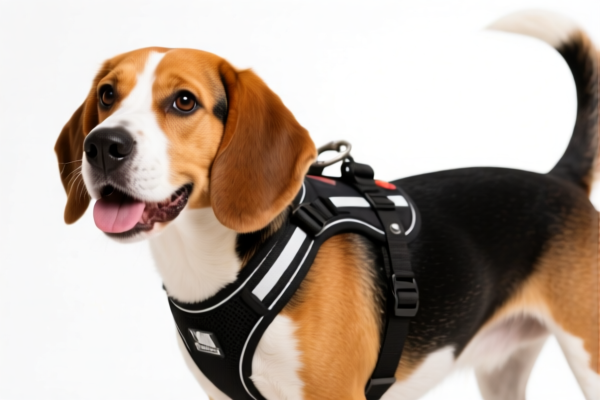

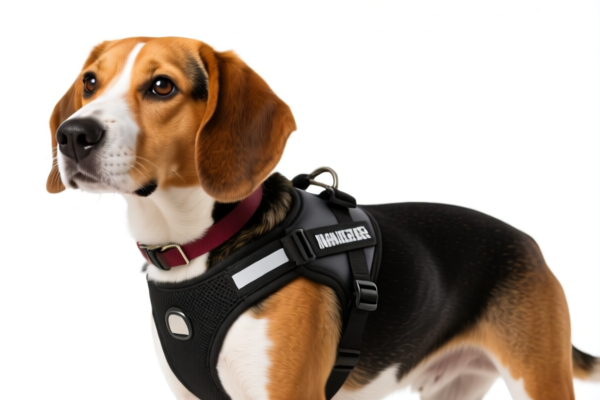
AI Analysis
🦺 Safety Harnesses & Seatbelts: The Ultimate HS Code Guide & 2026 Tax Strategy
🌐 HS Code Reference & Customs Clearance Guide | 2026 Latest Tariff Analysis | Professional Clearance Strategy
📌 I. Product Definition & Classification: What Exactly Is a "Safety Harness"?
In international trade, the term "Safety Harness" (or Safety Belt) is a broad category that can fall under Automotive Parts or Textile Accessories, depending entirely on material composition and intended use.
The Two Main Paths: 1. Automotive Safety Belts (Vehicle Parts): Integrated into vehicles, made of steel/aluminum + textiles.归入 Chapter 87 (Vehicles). 2. Industrial/Textile Safety Straps (General Goods): Used in climbing, construction, or as loose components, often made of cotton/synthetic fibers.归入 Chapter 63 (Textiles).
⚠️ Critical Distinction: * If the item is specifically designed for automobiles (seatbelts for cars) → Look at HS 8708. * If the item is woven textile webbing (climbing gear, industrial straps) or general safety belts → Look at HS 6307. * Material Matters: If it involves Steel/Aluminum/Copper parts with specific textile backing, the tax rate can skyrocket!
📦 II. HS Code Classification Details (2026 Latest Tariff对照)
Based on the 2026 Trade Data, here is the precise mapping for Safety Harnesses:
| HS Code | Product Description | Application Scenarios | Key Material/Feature |
|---|---|---|---|
8708.21.00.00 |
Safety Belts (Automotive Parts) | Car seatbelts, safety restraint systems for vehicles. | Matches "Vehicle Parts & Accessories". |
8708.99.81.80 |
Automotive Safety Belts (Other) | Specialized auto safety belts not covered in 8708.21. | Fits "Auto Parts & Accessories" description. |
8708.29.51.60 |
Webbing Safety Belts (Car Parts) | Textile webbing belts for vehicles. | Mixed Material: Textile + Steel/Al/Copper components. |
6307.90.50.10 |
Cotton/Fiber Webbing | Climbing straps, general textile safety belts. | Inferred as "Cotton/Fiber"; similar to shoelaces/straps. |
6307.90.50.20 |
Textile Webbing (General) | Non-automotive textile straps. | Form factor: "Webbing/Belt-like"; General textile classification. |
🔍 Key Reminder: * Automotive Belts (8708 series) are treated as Vehicle Parts. * Textile Belts (6307 series) are treated as Textile Articles. * Misclassification Risk: Declaring a metal-reinforced automotive belt as a "textile strap" (6307) to avoid high auto taxes will lead to severe penalties.
💰 III. 2026 Latest Tariff Rate Analysis (Detailed Breakdown)
✅ Applicable Market: US Market (Implied by "122 Clause" & "Section 301/232" style tariffs)
✅ Origin: China (CN)
✅ Effective Time: Current 2026 Tariff Regime
🎯 1. 8708.21.00.00 — Automotive Safety Belts (Standard)
The most direct classification for car seatbelts.
| Item | Content |
|---|---|
| Base Duty | 2.5% |
| Section 301 Surcharge | +25.0% |
| "122 Clause" Tariff | +10.0% |
| Total Tax Rate | 37.5% |
| Calculation Basis | CIF Value × 37.5% |
| De Minimis Exemption? | ❌ NO (Commercial import) |
| Legal Path | Base (2.5%) → 301 (25%) → 122 Clause (10%) |
📌 Explanation: * This is the standard "Car Part" tax. * The 37.5% total includes the base duty, the aggressive US Section 301 tariff on Chinese goods, and the specific "122 Clause" surcharge.
🎯 2. 8708.99.81.80 — Automotive Safety Belts (Other/Specific)
For specialized auto safety belts not in the primary 8708.21 category.
| Item | Content |
|---|---|
| Base Duty | 2.5% |
| Section 301 Surcharge | 0.0% (Exempt from this specific surcharge) |
| "122 Clause" Tariff | +10.0% |
| Total Tax Rate | 12.5% |
| Calculation Basis | CIF Value × 12.5% |
| De Minimis Exemption? | ❌ NO |
| Legal Path | Base (2.5%) → 122 Clause (10%) |
📌 Why the Difference? * This specific HS Code appears to exclude the 25% Section 301 surcharge, making it significantly cheaper (12.5% vs 37.5%). * Strategy: If your belt fits this description, this is the ideal clearance path.
🎯 3. 8708.29.51.60 — Woven Webbing Belts (Auto Parts with Metals)
The DANGEROUS category. Contains steel, aluminum, or copper.
| Item | Content |
|---|---|
| Base Duty | 2.5% |
| Section 301 Surcharge | +25.0% |
| "122 Clause" Tariff | +10.0% |
| Steel/Al/Copper Surcharge | +50.0% (Critical!) |
| Total Tax Rate | ~87.5% (2.5% + 25% + 10% + 50%) |
| Calculation Basis | CIF Value × (Complex Calculation) |
| De Minimis Exemption? | ❌ NO |
| Legal Path | Base (2.5%) → 301 (25%) → 122 (10%) → Metals (50%) |
📌 WARNING: * This HS Code triggers the 50% "Steel/Al/Copper" surcharge. * Total tax can reach nearly 87.5%. * Avoid this code unless absolutely necessary. It is designed for parts with heavy metal content (e.g., buckles, retractors with significant metal mass).
🎯 4. & 5. 6307.90.50.10 & 6307.90.50.20 — Textile Webbing (Non-Auto)
For climbing harnesses, industrial straps, or loose webbing.
| Item | Content |
|---|---|
| Base Duty | 0.0% |
| Section 301 Surcharge | +7.5% |
| "122 Clause" Tariff | +10.0% |
| Total Tax Rate | 17.5% |
| Calculation Basis | CIF Value × 17.5% |
| De Minimis Exemption? | ❌ NO |
| Legal Path | Base (0%) → 301 (7.5%) → 122 (10%) |
📌 Why Choose This? * If your product is NOT for a car (e.g., climbing harness, construction safety strap), classify here. * Lowest Risk: Base duty is 0%. * Lower Total: 17.5% is much better than 37.5% or 87.5%.
🛠️ IV. Customs Clearance Practical Advice (Avoiding Pitfalls)
✅ 1. Preparation Checklist (Must-Haves)
| Document | Requirement | Why it Matters |
|---|---|---|
| ✅ Product Spec Sheet | ✔️ Required | Must explicitly state: "Used for Automotive" OR "Used for Climbing/General Industry". |
| ✅ Material Composition | ✔️ Required | Crucial: List % of Textile vs. Steel/Aluminum. If metal > threshold, you might hit the 50% surcharge. |
| ✅ Photos (Labeled) | ✔️ Required | Show the buckle, webbing, and mounting points. Distinguish between "Car Seatbelt" and "Climbing Harness". |
| ✅ Technical Diagram | ✔️ Recommended | Prove the function. If it looks like a car part, prove it's for a car. |
| ✅ Commercial Invoice | ✔️ Required | Clear description: "Safety Belt (Automotive)" or "Webbing (Textile)". |
✅ 2. Declaration Strategy (The "Golden Rules")
🔥 Rule of Thumb: "Define the Use, Define the Material, Avoid the Metal Surcharge!"
| Scenario | Recommended HS Code | Tax Rate | Action |
|---|---|---|---|
| Car Seatbelt | 8708.21.00.00 |
37.5% | Standard declaration. |
| Specialized Auto Belt | 8708.99.81.80 |
12.5% | Best Value if eligible. Check if it fits "Other". |
| Auto Belt with Heavy Metal | 8708.29.51.60 |
~87.5% | Avoid! Try to reclassify to 8708.99.81.80 if metal content is low. |
| Climbing/Industrial Harness | 6307.90.50.10/20 |
17.5% | Lowest Tax! Ensure it is NOT marketed for vehicles. |
✅ 3. Special Scenarios & Risk Management
| Situation | Handling Suggestion |
|---|---|
| Mixed Use (Auto & General) | If a strap can be used for both, declare based on the primary intended use in your marketing. If marketed as "Auto", use 8708. |
| Metal Buckles | If the buckle is steel, does it push the item to the 50% Surcharge? Consult a specialist. Sometimes 8708.99.81.80 avoids this if the metal is minor. |
| "Safety Harness" for Construction | Must use 6307 codes. Do NOT use 8708 codes. Using 8708 for construction gear will cause delays and audits. |
| Reclassified Goods | If Customs finds your item has metal, they will switch you to the 50% surcharge category. Have a "Plan B" HS Code ready. |
🌍 V. Global Market Comparison (2026)
| Market | Recommended HS Code | Estimated Tax (China Origin) | Key Requirement |
|---|---|---|---|
| 🇺🇸 USA | 6307.90.50.20 (Textile) |
17.5% | Strong "Textile" evidence to avoid Auto/301 rates. |
| 🇺🇸 USA | 8708.99.81.80 (Auto) |
12.5% | Lowest for Auto parts if eligible. |
| 🇪🇺 EU | 8708.21.00.00 |
~5-10% (VAT excluded) | No 301/122 Clause surcharges. |
| 🇯🇵 Japan | 8708.29.51.60 |
~3% (VAT excluded) | Lower base rates, but check material rules. |
📌 Conclusion: * USA is the most complex market due to the 301, 122 Clause, and Metal Surcharge. * Strategy: For US imports, try to classify as Textile (6307) if the product is not strictly an auto part. * For Auto Parts: Aim for
8708.99.81.80to avoid the 25% surcharge.
📌 VI. Common Errors & "Blood Lessons"
❌ Error 1: Declaring Auto Belts as "Textile Webbing" (6307) * Consequence: Customs finds the car mounting points → Penalty + 37.5% Back Tax. * Lesson: If it goes in a car, declare it as an Auto Part.
❌ Error 2: Ignoring the Metal Content
* Consequence: You declared 8708.29.51.60 and got hit with a 50% surcharge because you missed the "Steel/Aluminum" note.
* Lesson: Check the Total Metal Weight. If it's significant, consider if 8708.99.81.80 is a better fit.
❌ Error 3: Vague Description "Safety Belt" * Consequence: Customs officer guesses wrong → Delay + Audit. * Lesson: Be specific: "Automotive Safety Belt, Model X" or "Climbing Webbing, Nylon".
✅ Correct Approach:
"Safety Harness for Construction (Textile, Nylon, No Automotive Parts) → HS 6307.90.50.20" "Automotive Seatbelt (Integrated Lock, Textile + Plastic) → HS 8708.99.81.80"
🎯 VII. Final Verdict: Smart Declaration for Maximum Savings
🎯 The "Safety Harness" Tax Hierarchy (Lowest to Highest):
- 🥇
8708.99.81.80(12.5%) - WINNER! If your auto belt qualifies here, use it. Avoids the 25% surcharge. - 🥈
6307.90.50.xx(17.5%) - Best for Non-Auto. If it's a climbing harness or general strap. - 🥉
8708.21.00.00(37.5%) - Standard Auto Belt. High but unavoidable for standard car parts. - ☠️
8708.29.51.60(~87.5%) - AVOID! Heavy metal surcharge makes this cost-prohibitive.
📌 Pro Tip: If your product is an automotive safety belt but has minimal metal (only plastic/buckle), argue for
8708.99.81.80to save 25% in taxes. If your product is NOT for cars, ALWAYS use6307to avoid the 37.5% auto tax and the 50% metal surcharge.
📣 Immediate Action Plan:
🚀 1. Check Material: Is it >20% metal? → Avoid
8708.29.51.60. 🚀 2. Check Use: Is it for a car? → Use8708. 🚀 3. Choose Code: Pick8708.99.81.80(Auto) or6307(Textile) to minimize tax. 🚀 4. Get Pre-Ruling: Ask for a Binding Ruling from Customs if the product is borderline.
✨ Precision Classification = Profit Protection!
💼 Don't let a wrong HS Code cost you 50% of your margins!
Customer Reviews
About HS Code Classification
The Harmonized System (HS) is an internationally standardized nomenclature developed by the World Customs Organization (WCO) to classify traded products. Over 200 countries use the HS system as the basis for customs tariffs, trade statistics, and import/export regulations.
Each HS code follows a hierarchical structure:
- Chapter (2 digits) — Broad category of goods (e.g., Chapter 84: Machinery and Mechanical Appliances)
- Heading (4 digits) — More specific grouping within the chapter
- Subheading (6 digits) — Internationally standardized breakdown, used by all WCO member countries
- National subdivisions (8-10 digits) — Country-specific extensions for further classification, such as US HTSUS 10-digit codes
Correct HS code classification is essential for smooth customs clearance, accurate duty payment, and compliance with trade regulations. Misclassification can lead to customs delays, overpayment of duties, or penalties.
When importing from CN to US, the applicable tariff rates may include:
- Most-Favored-Nation (MFN) rate — The standard duty rate applied to WTO members
- General rate — Applied to countries without trade agreements
- Trade remedy duties — Additional tariffs such as Section 301 (anti-dumping), Section 232 (national security), or countervailing duties
The information provided on this page is for reference purposes only. For official classification, please consult with your local customs authority or a licensed customs broker.