Safety Seat Cushion
CN → US| HS Code | Tariff Rate | Origin | Destination | Doc |
|---|---|---|---|---|
| 4016990500 | 20.9% | CN | US | Official Doc |
| 4016100000 | 35.0% | CN | US | Official Doc |
| 9404909605 | 17.3% | CN | US | Official Doc |
| 3926902100 | 21.7% | CN | US | Official Doc |
| 9404902090 | 23.5% | CN | US | Official Doc |
Product Images
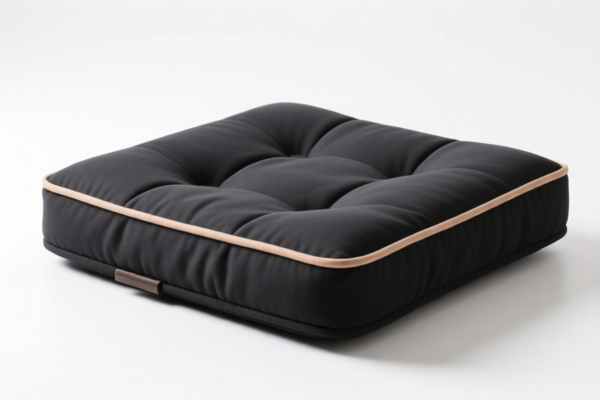
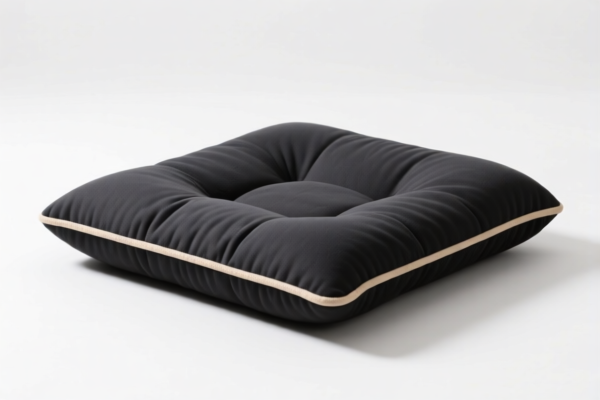
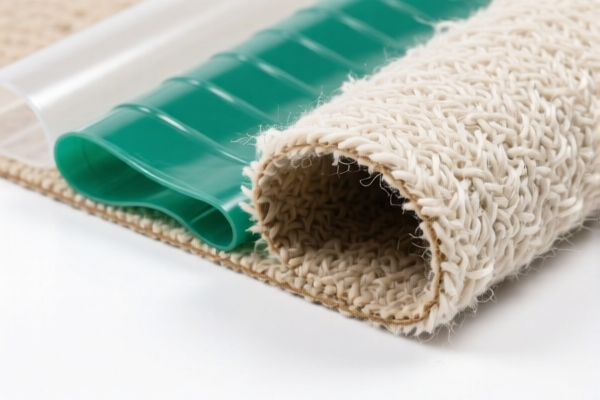
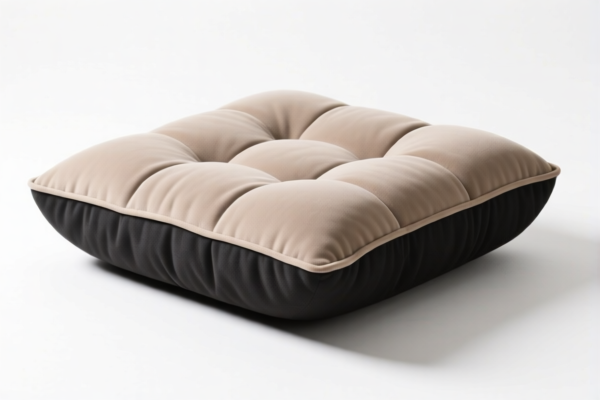
AI Analysis
🛋️ Safety Seat Cushion (Safety Seat Cushion)
🌐 HS Code Reference & Customs Clearance Guide | 2026 Latest Tariff Analysis | Professional Entry Strategy
📌 Part I: Product Definition & Classification: What Exactly is a "Safety Seat Cushion"?
A Safety Seat Cushion is a versatile product that straddles the line between home furnishings, automotive accessories, and personal care items. Its classification heavily depends on its primary material (Rubber, Plastic, Textile) and its specific form/function (Medical, Household, Automotive).
In international trade, it is typically categorized under three main chapters: 1. Chapter 40 (Rubber): If made primarily of vulcanized rubber (common for durable, anti-slip, or medical-grade cushions). 2. Chapter 94 (Furniture/Bedding): If it fits the definition of "Mattresses," "Pillows," or "Upholstered Seats." 3. Chapter 39 (Plastics): If made of synthetic materials like foam, PVC, or polyurethane sheets (e.g., waterproof nursing pads or anti-sweat mats).
⚠️ Key Distinction Point:
- Material Matters: Is it Rubber? Plastic? Or Textile-Filled?
- Function Matters: Is it for Bed/Mattress? Medical Care? Or General Household?
- Incorrect Classification Risk: Misclassifying a rubber cushion as a textile pillow can lead to severe tariff penalties (up to 35% vs 17%).
📦 Part II: HS Code Classification Details (2026 Latest Tariff Authority Comparison)
Based on the provided data, here are the four possible HS Codes for Safety Seat Cushions, ranging from lowest to highest tax burden.
| HS Code | Product Description | Material/Form Logic | Total Tax Rate (US/CN) | Key Tax Components |
|---|---|---|---|---|
9404.90.96.05 |
Bedding Articles (Mattresses/Cushions) | Shape: Mattress/Cushion category. Shell: Cotton/Non-silk/Non-man-made fiber. | 17.3% | Base: 7.3%, Sec 301: 0%, 122 Clause: 10% |
9404.90.20.90 |
Other Bedding/Article (Pillows/Supports) | Shape: Pillow/Support category. Material: Cellular rubber/plastics filling. | 23.5% | Base: 6.0%, Sec 301: 7.5%, 122 Clause: 10% |
3926.90.21.00 |
Other Plastic Articles (Nursing/Anti-sweat Pads) | Shape: Pad/Nursing Pad. Material: Plastic/Synthetic. | 21.7% | Base: 4.2%, Sec 301: 7.5%, 122 Clause: 10% |
4016.99.05.00 |
Other Rubber Articles (Household Items) | Shape: Household/Life item. Material: Vulcanized Rubber. | 20.9% | Base: 3.4%, Sec 301: 7.5%, Sec 122: 10% |
4016.10.00.00 |
Rubber Honeycomb Products | Shape: Rubber Application. Material: Vulcanized Rubber/Honeycomb structure. | 35.0% | Base: 0.0%, Sec 301: 25.0%, 122 Clause: 10% |
🔍 Critical Analysis:
- Lowest Tax (17.3%):9404.90.96.05– Best if the cushion is marketed as a bedding item (e.g., "Orthopedic Mattress Topper") and uses natural/non-synthetic shell materials.
- Highest Tax (35.0%):4016.10.00.00– AVOID if possible. This applies to Honeycomb Rubber Products, which triggers the maximum 25% Section 301 tariff.
- Middle Ground: Rubber Household Items (20.9%) and Plastic Pads (21.7%) offer balanced options depending on material composition.
💰 Part III: 2026 Latest Tariff Rate Breakdown (Including Surcharges)
✅ Applicable Country: United States (US)
✅ Origin: China (CN)
✅ Effective Date: Post-November 10, 2025 (Includes subsequent imports)
🎯 1. 9404.90.96.05 – Bedding Articles (Lowest Risk/Lowest Tax)
| Item | Content |
|---|---|
| Base Tariff | 7.3% |
| Section 301 Surcharge | 0.0% |
| Section 122 Clause | 10.0% |
| Total Effective Rate | 17.3% |
| Calculation | CIF Value × 17.3% |
| De Minimis Eligibility | ❌ No (Denied due to Section 122/Trade restrictions) |
| Legal Path | Base:9404.90.96 → 122:10% |
📌 Explanation:
- This is the most cost-effective route for bedding-style cushions.
- The 0% Section 301 is a significant advantage, saving you 7.5%-25% compared to other codes.
- Condition: Must be classified as "Bedding/Mattress" and the outer shell must likely be non-synthetic/non-silk to fit this specific subheading.
🎯 2. 3926.90.21.00 – Plastic/Nursing Pads
| Item | Content |
|---|---|
| Base Tariff | 4.2% |
| Section 301 Surcharge | 7.5% |
| Section 122 Clause | 10.0% |
| Total Effective Rate | 21.7% |
| Calculation | CIF Value × 21.7% |
| De Minimis Eligibility | ❌ No |
| Legal Path | Base:3926.90.21 → 301:7.5% → 122:10% |
📌 Explanation:
- Ideal for waterproof plastic mats, anti-sweat pads, or medical nursing pads.
- Higher base tariff but lower 301 than rubber honeycomb.
🎯 3. 4016.99.05.00 – Other Rubber Household Items
| Item | Content |
|---|---|
| Base Tariff | 3.4% |
| Section 301 Surcharge | 7.5% |
| Section 122 Clause | 10.0% |
| Total Effective Rate | 20.9% |
| Calculation | CIF Value × 20.9% |
| De Minimis Eligibility | ❌ No |
| Legal Path | Base:4016.99.05 → 301:7.5% → 122:10% |
📌 Explanation:
- Good for vulcanized rubber cushions (e.g., ergonomic seat cushions) that are not honeycomb structured.
- Slightly cheaper than plastic pads due to lower base tariff.
🎯 4. 4016.10.00.00 – Rubber Honeycomb Products (HIGHEST TAX)
| Item | Content |
|---|---|
| Base Tariff | 0.0% |
| Section 301 Surcharge | 25.0% |
| Section 122 Clause | 10.0% |
| Total Effective Rate | 35.0% |
| Calculation | CIF Value × 35.0% |
| De Minimis Eligibility | ❌ No |
| Legal Path | Base:4016.10 → 301:25% → 122:10% |
📌 Warning:
- AVOID THIS CODE IF POSSIBLE.
- The 25% Section 301 tariff makes this the most expensive option.
- Only use if the product is strictly defined as a Honeycomb Rubber Product and no other classification applies.
🛠️ Part IV: Customs Clearance Practical Advice (Real-World Pitfall Guide)
✅ 1. Required Documentation Checklist (Non-Negotiable)
| Document | Must Provide | Description |
|---|---|---|
| ✅ Product Specification Sheet | ✔️ | Dimensions, weight, material composition (e.g., "100% Vulcanized Rubber," "Polyurethane Foam"). |
| ✅ Material Certificate | ✔️ | Proof of material type (Rubber vs. Plastic vs. Textile) to justify HS Code. |
| ✅ Product Photos | ✔️ | Clear images of the cushion, label, and any structural details (e.g., honeycomb pattern). |
| ✅ Commercial Invoice | ✔️ | Must state: "Seat Cushion, Made of [Material]," NOT just "Cushion." |
| ✅ Packing List | ✔️ | Detail contents to avoid "misdeclaration" flags. |
| ✅ Origin Certificate | ✔️ | For Chinese goods, confirms CN origin (subject to tariffs). |
✅ 2. Declaration Strategy (Key Mantra)
🔥 "Material Defines Code, Shape Defines Chapter, Avoid Honeycomb!"
| Scenario | Correct HS Code | Wrong Code (Risk) |
|---|---|---|
| Bedding-style Cushion (Cotton shell, foam/rubber fill) | 9404.90.96.05 (17.3%) |
4016.10.00.00 → 35% Tax! |
| Plastic Waterproof Mat | 3926.90.21.00 (21.7%) |
9404.90.96.05 → Rejection/Misclassification |
| Ergonomic Rubber Seat Cushion (Solid/Vulcanized) | 4016.99.05.00 (20.9%) |
9404.90.20.90 → Higher Base Tariff |
| Honeycomb Rubber Pad | 4016.10.00.00 (35.0%) |
None (If it is honeycomb, this is the only correct code) |
✅ 3. Special Case Handling
| Situation | Handling Advice |
|---|---|
| Mixed Materials | If the cushion has a textile cover and rubber core, try to argue for Chapter 94 (9404.90.96.05) as the "essential character" is the filling/bedding function. Result: 17.3% Tax. |
| "Honeycomb" Structure | If the product has a distinct honeycomb lattice, it MUST go to 4016.10.00.00. No workaround. Budget for 35% tax. |
| Medical Use | If marketed as a "Medical Pressure Relief Cushion," still classify by material/shape. "Medical" does not automatically grant lower tariffs for cushions. |
| OEM Customization | Provide design specs showing the material composition. If the shell is cotton and core is rubber, prioritize 9404.90.96.05. |
🌍 Part V: Global Market Clearance Comparison (2026 Latest)
| Country/Region | Recommended HS Code | Tariff (China Origin) | Certification | Note |
|---|---|---|---|---|
| 🇺🇸 USA | 9404.90.96.05 |
17.3% | None specific | Lowest tariff option. Avoid 4016.10 (35%). |
| 🇨🇳 China | 9404.90.96.05 |
5-10% | CCC (if applicable) | Lower import duties. |
| 🇪🇺 EU | 9404.90.96 |
0-6% | CE/REACH | No Section 301/122 tariffs. |
| 🇬🇧 UK | 9404.90.96 |
0-6% | UKCA | Post-Brexit rules apply. |
📌 Conclusion:
- USA is the most complex market due to Section 301 and Section 122 tariffs.
- Target the 17.3% rate (9404.90.96.05) by ensuring proper material declaration (Bedding/Textile shell).
- Avoid the 35% trap (4016.10.00.00) unless the product is strictly a honeycomb rubber item.
📌 Part VI: Common Errors & Pitfalls (Lessons Learned)
❌ Error 1: Classifying a Rubber Cushion as a Plastic Pad (3926.90.21.00)
👉 Consequence: Customs may detect material mismatch via X-ray or sample test → Fine + Retroactive Tax.
❌ Error 2: Declaring a Honeycomb Rubber Cushion as a General Rubber Item (4016.99.05.00)
👉 Consequence: 35% Tax vs 20.9%. If caught, you pay the difference + penalties. But if you are honeycomb, you must pay 35%.
❌ Error 3: Using "Cushion" as the only description without material details
👉 Consequence: Customs officer makes a guess → Likely assigns Highest Rate (35%) for safety.
❌ Error 4: Ignoring Section 122 Clause (10%)
👉 Consequence: All these codes attract 10% additional duty for Chinese goods. Budget for it in all scenarios.
✅ Correct Declaration Example:
"Seat Cushion, Orthopedic, Outer Shell: 100% Cotton, Filling: Polyurethane Foam & Vulcanized Rubber, Model XYZ, For Home Use"
🎯 Part VII: Conclusion: Smart Classification Saves Money!
🎯 Remember the Mantra:
🔹 "Bedding + Cotton Shell = 17.3% (Best)"
🔹 "Rubber + Household = 20.9%"
🔹 "Plastic Pad = 21.7%"
🔹 "Honeycomb Rubber = 35.0% (Avoid!)"🔹 "HS Code Dictates Profit, 17% vs 35% is a Life-Changer!"
📌 Pro Tip:
If your cushion can be argued as a Bedding Article (9404.90.96.05) due to its shape and use (sleeping/resting), always pursue this classification to save 15-17% in tariffs compared to rubber/plastic codes.
Consider applying for an Advance Ruling (Pro Rata) from US CBP if the product is ambiguous.
📣 Immediate Action:
📞 Consult a Customs Broker + Provide Material Specs + Request HS Code Advance Ruling
🚀 Clear Customs Smoothly, Maximize Margins, Ship with Confidence!
✨ Professional Clearance Starts with Accurate Classification!
💼 Every Dollar of Tariff Saved is Pure Profit!
Customer Reviews
About HS Code Classification
The Harmonized System (HS) is an internationally standardized nomenclature developed by the World Customs Organization (WCO) to classify traded products. Over 200 countries use the HS system as the basis for customs tariffs, trade statistics, and import/export regulations.
Each HS code follows a hierarchical structure:
- Chapter (2 digits) — Broad category of goods (e.g., Chapter 84: Machinery and Mechanical Appliances)
- Heading (4 digits) — More specific grouping within the chapter
- Subheading (6 digits) — Internationally standardized breakdown, used by all WCO member countries
- National subdivisions (8-10 digits) — Country-specific extensions for further classification, such as US HTSUS 10-digit codes
Correct HS code classification is essential for smooth customs clearance, accurate duty payment, and compliance with trade regulations. Misclassification can lead to customs delays, overpayment of duties, or penalties.
When importing from CN to US, the applicable tariff rates may include:
- Most-Favored-Nation (MFN) rate — The standard duty rate applied to WTO members
- General rate — Applied to countries without trade agreements
- Trade remedy duties — Additional tariffs such as Section 301 (anti-dumping), Section 232 (national security), or countervailing duties
The information provided on this page is for reference purposes only. For official classification, please consult with your local customs authority or a licensed customs broker.