Safety Shoes with Plastic Sole and Metal Toe
CN → US| HS Code | Tariff Rate | Origin | Destination | Doc |
|---|---|---|---|---|
| 6403406000 | 18.5% | CN | US | Official Doc |
| 6403403090 | 15.0% | CN | US | Official Doc |
| 6401929030 | 55.0% | CN | US | Official Doc |
| 6402910500 | 16.0% | CN | US | Official Doc |
Product Images
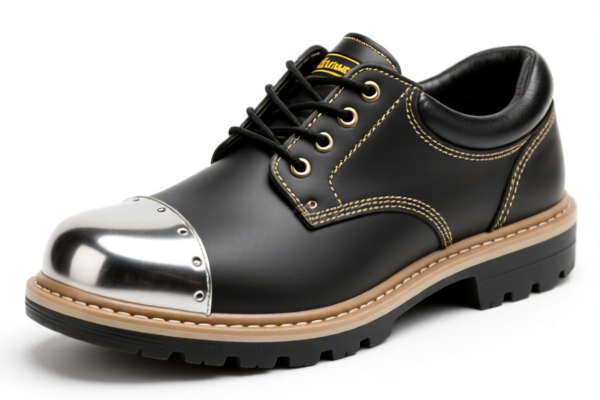
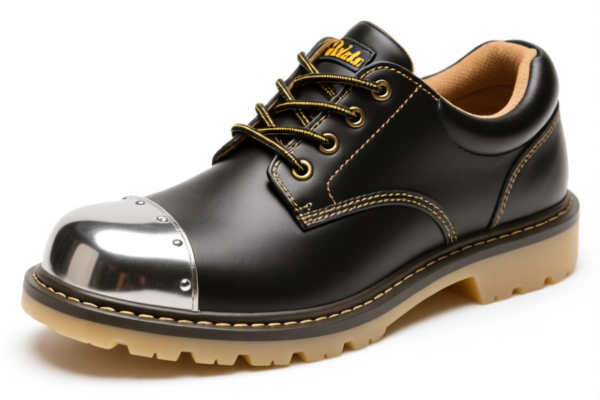
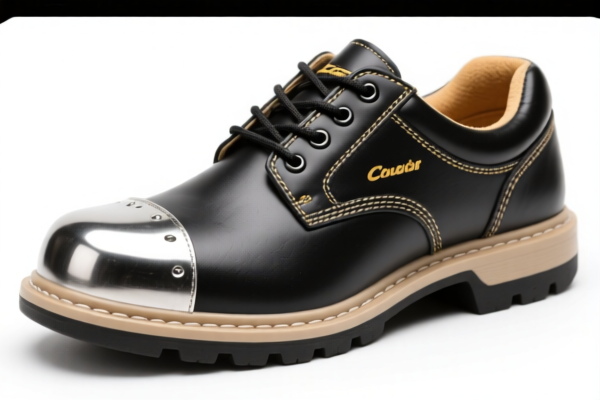
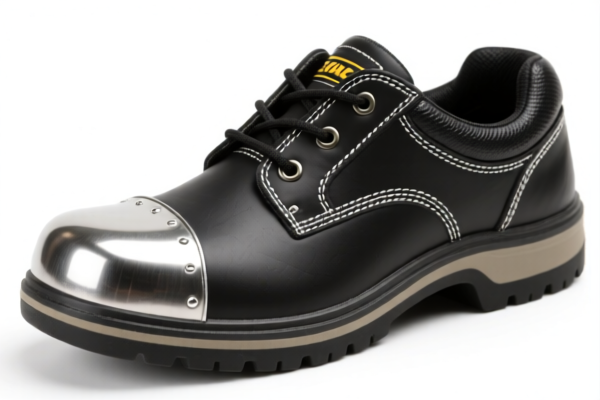
AI Analysis
👟 Safety Shoes with Plastic Sole and Metal Toe (Protective Footwear)
🌐 HS Code Reference & Customs Clearance Guide | 2026 Latest Tariff Analysis | Professional Clearance Strategy
📌 I. Product Definition & Classification: What Exactly Are "Safety Shoes"?
Safety shoes with plastic soles and metal toes are essential protective equipment designed to prevent workplace injuries. In international trade, the classification depends heavily on the composition of the upper (the part covering the foot) and the presence of metal toe caps.
Key Components: * Outer Sole: Plastic (Synthetic rubber, PVC, Polyurethane, etc.) * Upper: Typically leather, textile, or synthetic material (implied by the HS codes provided, though the prompt focuses on sole/toe). * Toe Protection: Metal (Steel toe cap).
⚠️ Critical Distinction:
- If the shoe has a plastic/rubber sole AND a metal toe cap, it generally falls under Chapter 64 (Footwear).
- The specific HS code varies based on the material of the upper and whether it is classified as "Other footwear" or specialized protective gear.
- Do not confuse with "Safety Boots with Leather Upper" (different tariff rates).
📦 II. HS Code Classification Details (Based on Provided Data)
| HS Code | Product Description | Key Characteristics | Total Tax Rate |
|---|---|---|---|
6403.40.60.00 |
Safety shoes with plastic soles and steel toe caps, matching metal toe features and safety shoe components. | Steel Toe + Plastic Sole Specifically matches metal toe protection standards. |
18.5% |
6403.40.30.90 |
Safety shoes with plastic soles and steel toe caps, conforming to metal protective toe cap features, belonging to other categories. | Steel Toe + Plastic Sole General category for other protective footwear. |
15.0% |
6401.92.90.30 |
Safety shoes with plastic soles and steel toe caps, conforming to plastic/rubber material and protective work shoe categories. | Protective Work Shoe Emphasizes plastic/rubber material nature. |
55.0% |
6402.91.05.00 |
Safety shoes with plastic soles and steel toe caps, conforming to rubber/plastic outsole and upper with protective metal toe features. | Rubber/Plastic Upper & Sole + Steel Toe Full plastic/rubber construction. |
16.0% |
🔍 重点提醒 (Key Takeaways):
-6403.40.60.00(18.5%) and6402.91.05.00(16.0%) are the most common for standard safety shoes with steel toes and plastic/rubber soles.
-6401.92.90.30(55.0%) has a significantly higher tax rate. This code often applies to specific types of protective footwear (e.g., waterproof, specialized industrial) or may be triggered by specific material compositions (e.g., pure rubber/plastic upper). Avoid this code unless your product strictly matches its definition to prevent overpayment or misdeclaration.
-6403.40.30.90(15.0%) is a "catch-all" for other protective footwear with similar features.
💰 III. 2026 Latest Tariff Rate Breakdown (Including Surcharges & Policy Additions)
✅ Applicable Country: United States (US)
✅ Origin: China (CN)
✅ Effective Date: From November 10, 2025 (including subsequent imports)
🎯 1. 6403.40.60.00 — Safety Shoes (Plastic Sole, Metal Toe)
| Item | Detail |
|---|---|
| Base Tariff | 8.5% |
| Section 301 Surcharge (232/301) | 0.0% (Not applicable for this specific subheading under current list) |
| Section 122 Tariff | 10.0% (Special tariff for specific protective footwear/steel toe items) |
| Total Tax Rate | 18.5% |
| Tax Calculation | CIF Value × 18.5% |
| De Minimis Eligibility | ❌ No (Deny De Minimis for Section 122 items) |
| Legal Basis Path | HTS:6403.40.60.00 → Section 122 Tariff: 10% → Base Tariff: 8.5% |
📌 Explanation:
- The 8.5% is the standard Most Favored Nation (MFN) rate.
- The 10% Section 122 tariff is a specific surcharge applied to certain footwear with metal toe caps to protect domestic manufacturers.
- Total: 18.5%. This is a moderate-high tariff for footwear.
🎯 2. 6403.40.30.90 — Other Protective Safety Shoes
| Item | Detail |
|---|---|
| Base Tariff | 5.0% |
| Section 301 Surcharge | 0.0% |
| Section 122 Tariff | 10.0% |
| Total Tax Rate | 15.0% |
| Tax Calculation | CIF Value × 15.0% |
| De Minimis Eligibility | ❌ No |
| Legal Basis Path | HTS:6403.40.30.90 → Section 122 Tariff: 10% → Base Tariff: 5.0% |
📌 Note:
- Lower base tariff (5.0%) compared to6403.40.60.00, but still subject to the 10% Section 122 surcharge.
- Suitable for safety shoes that may not strictly match the "primary" metal toe definition of 6403.40.60.00.
🎯 3. 6401.92.90.30 — Protective Work Shoes (Plastic/Rubber)
| Item | Detail |
|---|---|
| Base Tariff | 37.5% |
| Section 301 Surcharge | 7.5% |
| Section 122 Tariff | 10.0% |
| Total Tax Rate | 55.0% |
| Tax Calculation | CIF Value × 55.0% |
| De Minimis Eligibility | ❌ No |
| Legal Basis Path | HTS:6401.92.90.30 → Section 301: 7.5% → Section 122: 10% → Base: 37.5% |
📌 Warning:
- High Tax Alert: This code carries a very high total rate of 55%.
- Use only if the product is strictly defined as "waterproof" or "specialized plastic/rubber protective work shoes" under Chapter 64.01. Misclassification here leads to massive overpayment.
🎯 4. 6402.91.05.00 — Rubber/Plastic Upper & Sole Safety Shoes
| Item | Detail |
|---|---|
| Base Tariff | 6.0% |
| Section 301 Surcharge | 0.0% |
| Section 122 Tariff | 10.0% |
| Total Tax Rate | 16.0% |
| Tax Calculation | CIF Value × 16.0% |
| De Minimis Eligibility | ❌ No |
| Legal Basis Path | HTS:6402.91.05.00 → Section 122 Tariff: 10% → Base Tariff: 6.0% |
📌 Note:
- If your safety shoes are made entirely of rubber or plastic (upper and sole), this is the correct code.
- Total: 16.0%. This is the lowest total tax rate among the options if the product qualifies (full rubber/plastic construction).
🛠️ IV. Customs Clearance Practical Advice (Real-World Pitfall Guide)
✅ 1. Required Documentation Checklist (Essential)
| Document | Must Provide | Description |
|---|---|---|
| ✅ Product Specifications | ✔️ | Material composition of upper, sole, and lining. |
| ✅ Photos (With & Without Labels) | ✔️ | Clear view of the metal toe cap (if visible) and sole. |
| ✅ Safety Certifications | ✔️ | ASTM F2413 (US), EN ISO 20345 (EU), or other relevant standards. |
| ✅ Commercial Invoice | ✔️ | Clearly state "Safety Shoes with Steel Toe Cap". |
| ✅ Packing List | ✔️ | Quantity per carton, gross weight, net weight. |
| ✅ Origin Certificate (CO) | ✔️ | Proof of origin for tariff calculation. |
✅ 2. Declaration Tips (Key Mantras)
🔥 “Steel Toe = Section 122, Material Matters, Certs Are Key!”
| Scenario | Correct Declaration | Wrong Action |
|---|---|---|
| Steel Toe + Leather Upper + Plastic Sole | 6403.40.60.00 (18.5%) |
Declare as 6402 (plastic only) → Audit Risk |
| Steel Toe + Full Rubber Upper & Sole | 6402.91.05.00 (16.0%) |
Declare as 6403 (leather/textile) → Misclassification |
| Waterproof Plastic Work Shoe (No Steel Toe) | 6401.92.90.30 (55.0%) |
Declare as 6403 → High Tax Risk |
| General Safety Shoe (Steel Toe) | 6403.40.30.90 (15.0%) |
Declare as 6401 → Overpayment |
✅ 3. Special Case Handling
| Situation | Handling Advice |
|---|---|
| Mixed Materials (e.g., Leather + Plastic) | Classify based on principal material of the upper. If leather > 50%, use Chapter 64.03. |
| Composite Soles (Rubber/Plastic + Leather) | If outer sole is rubber/plastic, use Chapter 64.02. |
| OEM Custom Safety Shoes | Provide OEM contract and design specs. Avoid vague descriptions like "Work Shoes". |
| Certification Missing | If ASTM/EN certs are missing, Customs may reclassify or reject. Ensure certs are available. |
🌍 V. Global Market Customs Comparison (2026 Latest)
| Country/Region | Recommended HS Code | Tariff | Certification | Remarks |
|---|---|---|---|---|
| 🇺🇸 USA | 6403.40.60.00 or 6402.91.05.00 |
15.0% - 18.5% | ASTM F2413 | Section 122 applies. High scrutiny. |
| 🇨🇳 China | 6403.40.60.00 |
~10-15% | GB 21148 | Lower tariffs, standard safety standards. |
| 🇪🇺 EU | 6403 or 6402 |
6.5% - 10% | CE + EN ISO 20345 | Strict PPE regulations. |
| 🇦🇺 Australia | 6403.40.60.00 |
5% - 10% | AS/NZS 2210.3 | Low tariffs, high safety standards. |
📌 Conclusion:
- USA is the most complex market due to Section 122 tariffs and Section 301 considerations.
- EU and Australia have lower tariffs but stricter PPE certification (CE, EN ISO, AS/NZS).
- Always verify the "Metal Toe" feature in your declaration, as it triggers Section 122 in the US.
📌 VI. Common Errors & Pitfalls (Blood Lessons)
❌ Error 1: Declaring "Plastic Sole" shoes as "Leather Upper" to avoid Section 122
👉 Consequence: Customs audit, penalties, and back taxes. Material must match reality.
❌ Error 2: Ignoring the Section 122 Tariff (10%)
👉 Consequence: Unexpected 10% charge at customs. Always include this in cost calculations.
❌ Error 3: Misclassifying "Waterproof Plastic Shoes" as "Steel Toe Safety Shoes"
👉 Consequence: Tax rate jumps from 16% to 55%. Check for metal toe caps carefully.
❌ Error 4: Using vague terms like "Work Shoes" without specifying "Safety" or "Steel Toe"
👉 Consequence: Customs may reclassify to the highest possible rate (55%). Be specific.
✅ Correct Declaration Example:
"Men's Safety Shoes, Steel Toe Cap, Plastic Sole, Leather Upper, ASTM F2413 Compliant, Model XYZ"
🎯 VII. Conclusion: Professional Declaration, Cost Savings, Efficient Clearance!
🎯 Remember the Mantra:
🔹 "Steel Toe = Section 122 (10%)!
🔹 "Plastic Sole + Steel Toe = 16%~18.5%!
🔹 "Full Plastic/Rubber + Steel Toe = 16%!
🔹 "Waterproof Plastic (No Steel) = 55% (Avoid!)!"
🔹 "Certifications Are Non-Negotiable for Safety Shoes!"
📌 Pro Tip:
If your safety shoes are originating from Vietnam, Mexico, or Thailand, you may qualify for preferential tariffs under USMCA or other FTAs, potentially reducing the effective tax rate.
Recommendation: Apply for an Advance Ruling from CBP (US Customs) to confirm the correct HS code before shipping large volumes.
📣 Action Now:
📞 Contact a professional customs broker + Provide product photos + Request HS Code Advance Ruling
🚀 Let your safety shoes clear customs smoothly, minimize taxes, and maximize profits!
✨ Professional clearance starts with accurate classification!
💼 Every cent of tax cost should be precisely calculated!
Customer Reviews
About HS Code Classification
The Harmonized System (HS) is an internationally standardized nomenclature developed by the World Customs Organization (WCO) to classify traded products. Over 200 countries use the HS system as the basis for customs tariffs, trade statistics, and import/export regulations.
Each HS code follows a hierarchical structure:
- Chapter (2 digits) — Broad category of goods (e.g., Chapter 84: Machinery and Mechanical Appliances)
- Heading (4 digits) — More specific grouping within the chapter
- Subheading (6 digits) — Internationally standardized breakdown, used by all WCO member countries
- National subdivisions (8-10 digits) — Country-specific extensions for further classification, such as US HTSUS 10-digit codes
Correct HS code classification is essential for smooth customs clearance, accurate duty payment, and compliance with trade regulations. Misclassification can lead to customs delays, overpayment of duties, or penalties.
When importing from CN to US, the applicable tariff rates may include:
- Most-Favored-Nation (MFN) rate — The standard duty rate applied to WTO members
- General rate — Applied to countries without trade agreements
- Trade remedy duties — Additional tariffs such as Section 301 (anti-dumping), Section 232 (national security), or countervailing duties
The information provided on this page is for reference purposes only. For official classification, please consult with your local customs authority or a licensed customs broker.