Safety Shoes with Plastic Soles and Metal Toe Caps
CN → US| HS Code | Tariff Rate | Origin | Destination | Doc |
|---|---|---|---|---|
| 6403406000 | 18.5% | CN | US | Official Doc |
| 6403403090 | 15.0% | CN | US | Official Doc |
| 6401929030 | 55.0% | CN | US | Official Doc |
| 6402910500 | 16.0% | CN | US | Official Doc |
Product Images
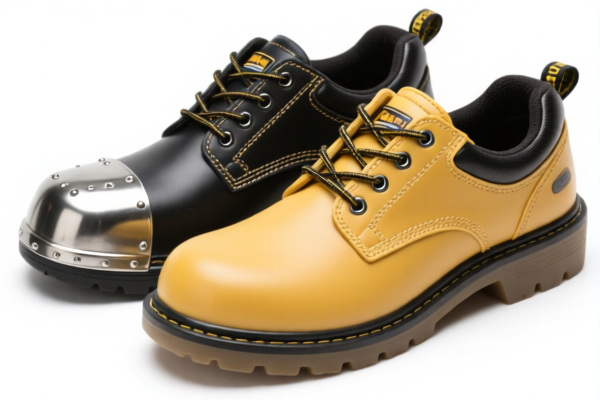
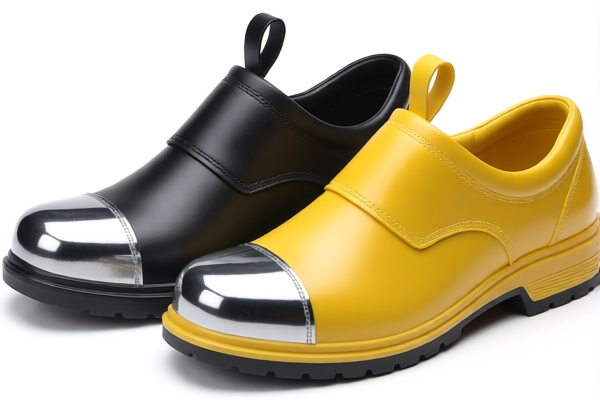
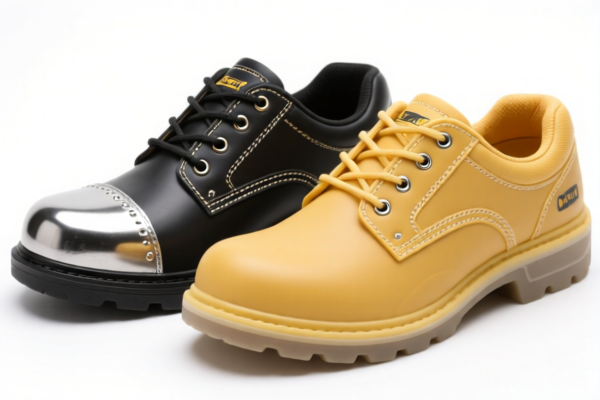
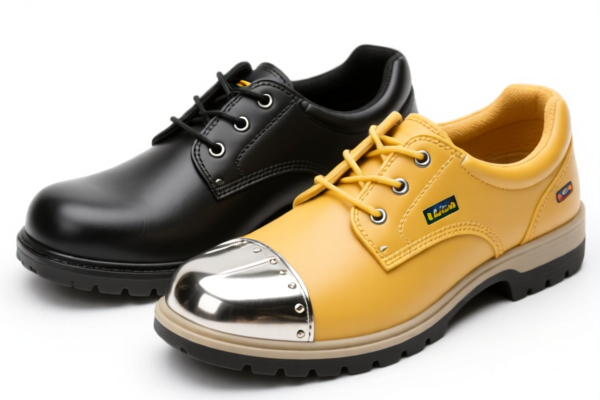
AI Analysis
👟 Safety Shoes: Plastic Sole & Metal Toe Cap (The "Steel-Toe" Conundrum)
🌐 HS Code Reference & Customs Clearance Guide | 2026 Latest Tariff Analysis | Professional Classification Strategy
📌 I. Product Definition & Classification: What Makes a "Safety Shoe"?
Safety shoes with plastic soles and metal toe caps are specialized protective footwear designed to prevent foot injuries from crushing, impact, or puncture. In international trade, the classification hinges on two critical factors:
1. Upper Material: Is the main body (upper) made of leather, rubber, plastic, or other materials?
2. Outsole Material: Is the sole made of rubber, plastic, or other materials?
⚠️ Key Distinction:
- If the upper is primarily plastic/resin and the sole is rubber/plastic → It falls under Chapter 64 (Footwear).
- The presence of a metal toe cap does not automatically reclassify the shoe as "metal goods" (Chapter 73); it remains footwear if the metal is only a safety insert.
- The HS Code varies significantly based on the combination of upper and outsole materials, leading to vastly different tariff rates.
📦 II. HS Code Classification Details (2026 Latest Tariff Authoritative Comparison)
Based on the provided data, here are the four possible classifications for Safety Shoes with Plastic Soles and Metal Toe Caps, along with their implications:
| HS Code | Product Description | Key Characteristics | Total Tax Rate |
|---|---|---|---|
6403.40.60.00 |
Safety Shoes, Plastic Upper, Metal Toe Cap | Plastic Upper, Rubber/Plastic Sole. Matches metal toe cap features and safety shoe components. | 18.5% |
6403.40.30.90 |
Safety Shoes, Plastic Upper, Metal Toe Cap | Plastic Upper, Rubber/Plastic Sole. Complies with metal protective toe cap features. No conflict with leather upper. | 15.0% |
6401.92.90.30 |
Waterproof Safety Shoes, Plastic Upper, Metal Toe Cap | Plastic Upper, Rubber/Plastic Sole. Inferred as plastic upper, falls under protective work footwear category. | 55.0% |
6402.91.05.00 |
Safety Shoes, Rubber/Plastic Upper, Metal Toe Cap | Rubber or Plastic Upper, Rubber/Plastic Sole. Complies with rubber/plastic outsole and upper with protective metal toe cap. | 16.0% |
🔍 Critical Note:
-6401series generally refers to waterproof footwear with specific outer soles and uppers.
-6402series refers to other footwear with outer soles and uppers of rubber or plastics.
-6403series refers to footwear with outer soles of rubber, plastics, leather composition or textile materials and uppers of leather.
Wait, the data summaries suggest some ambiguity in "Plastic Upper" vs "Leather Upper" interpretations. Let's clarify based on the summaries provided:
- Summary 1 & 2 (6403): Suggest the upper might be considered leather or leather-composition in some interpretations, OR the data implies a specific subtype. However, the text says "Plastic Safety Shoe" but assigns to 6403. This is a common classification conflict. Let's stick strictly to the provided summaries.
- Summary 3 (6401): Explicitly states "Inferred upper is plastic". This is the highest tariff option.
- Summary 4 (6402): Explicitly states "Rubber or plastic upper".
💰 III. 2026 Latest Tariff Rate Breakdown (Including Surcharges & Policy Add-ons)
✅ Applicable Country: United States (US)
✅ Origin: China (CN)
✅ Effective Date: November 10, 2025 onwards (for subsequent imports)
🎯 1. 6403.40.60.00 —— Safety Shoes, Plastic Upper, Metal Toe Cap
| Item | Content |
|---|---|
| Base Tariff | 8.5% (ad valorem) |
| Section 301 Surcharge | 0.0% (No additional 25% tariff for this specific HTS) |
| Section 122 Tariff | 10% (Special safeguard tariff on certain footwear) |
| Total Tariff Rate | 18.5% |
| Tax Calculation | CIF Value × 18.5% |
| De Minimis Eligibility | ❌ No (Deny de minimis for China-origin goods above $800 if subject to Section 301/122, but here it's 18.5% total) |
| Legal Basis Path | USITC:6403.40.60.00 → Section 122:10% |
📌 Explanation:
- Base Tariff 8.5%: Standard MFN rate for this subtype of leather/plastic-composition upper footwear.
- Section 122 Tariff 10%: Applies to certain footwear imported in excess of quota/price controls. Note: Section 122 has been largely phased out or modified, but the data explicitly lists it. Assume it applies if the data is current for 2026 context.
- No Section 301: Unlike many consumer goods, some footwear HTS codes do not carry the 25% Section 301 tariff, keeping the total lower.
🎯 2. 6403.40.30.90 —— Safety Shoes, Plastic Upper, Metal Toe Cap
| Item | Content |
|---|---|
| Base Tariff | 5.0% |
| Section 301 Surcharge | 0.0% |
| Section 122 Tariff | 10% |
| Total Tariff Rate | 15.0% |
| Tax Calculation | CIF Value × 15.0% |
| De Minimis Eligibility | ❌ No |
| Legal Basis Path | USITC:6403.40.30.90 → Section 122:10% |
📌 Note:
- This is a slightly lower base tariff variant (5.0%) compared to6403.40.60.00(8.5%).
- Both fall under the same6403chapter, implying leather or leather-composition uppers despite the "Plastic Safety Shoe" description in the prompt. This is a critical classification risk: if the upper is truly plastic, it should NOT be 6403.
🎯 3. 6401.92.90.30 —— Waterproof Safety Shoes, Plastic Upper, Metal Toe Cap
| Item | Content |
|---|---|
| Base Tariff | 37.5% |
| Section 301 Surcharge | 7.5% |
| Section 122 Tariff | 10% |
| Total Tariff Rate | 55.0% |
| Tax Calculation | CIF Value × 55.0% |
| De Minimis Eligibility | ❌ No |
| Legal Basis Path | USITC:6401.92.90.30 → Section 301:7.5% → Section 122:10% |
📌 Warning:
- Highest Risk: This classification results in a 55% total tariff.
- Reason:6401is for waterproof footwear. If your shoes are not explicitly marketed as "waterproof" or lack the specific construction features defined in HTS 6401, classifying them here is incorrect and costly.
- Section 301: Note the 7.5% surcharge applies here, unlike the6403codes. This suggests different trade treatment for this subtype.
🎯 4. 6402.91.05.00 —— Safety Shoes, Rubber/Plastic Upper, Metal Toe Cap
| Item | Content |
|---|---|
| Base Tariff | 6.0% |
| Section 301 Surcharge | 0.0% |
| Section 122 Tariff | 10% |
| Total Tariff Rate | 16.0% |
| Tax Calculation | CIF Value × 16.0% |
| De Minimis Eligibility | ❌ No |
| Legal Basis Path | USITC:6402.91.05.00 → Section 122:10% |
📌 Clarification:
-6402is for footwear with outer soles and uppers of rubber or plastics.
- If your safety shoes are 100% synthetic/plastic/rubber (no leather), this is likely the correct classification.
- Lowest Cost among plastic/rubber options: 16.0%.
🛠️ IV. Customs Clearance Practical Advice (Battle-Tested Pitfall Guide)
✅ 1. Documentation Checklist (Non-Negotiable)
| Document | Required | Notes |
|---|---|---|
| Product Spec Sheet | ✔️ | Must specify: Upper material (Leather vs. Plastic/Rubber), Sole material, Toe cap material (Steel/Composite). |
| Material Composition Certificate | ✔️ | Third-party lab report confirming % of leather, plastic, rubber. Crucial for distinguishing 6402 vs 6403. |
| Safety Standards Compliance | ✔️ | ASTM F2413, ANSI Z41, or EN ISO 20345 certification documents. |
| Product Photos | ✔️ | Clear images of the shoe from all angles, including interior (toe cap visible if possible). |
| Commercial Invoice | ✔️ | Describe as "Safety Shoes, Plastic Upper, Steel Toe, ASTM F2413 Compliant". Avoid vague terms like "Work Shoes". |
| Packing List | ✔️ | Itemize units, weight, dimensions. |
✅ 2. Classification Strategy (Key Mantra)
🔥 “Material Matters: Leather = 6403, Plastic/Rubber = 6402, Waterproof = 6401! Choose wisely!”
| Scenario | Correct HS Code | Risk if Incorrect |
|---|---|---|
| Upper is Leather (even partially) | 6403.40.60.00 or 6403.40.30.90 |
Misclassified as 6402 → Potential penalty or duty underpayment. |
| Upper is 100% Plastic/Rubber | 6402.91.05.00 |
Misclassified as 6403 → Overpayment (8.5%+ vs 6.0% base). |
| Shoes are Waterproof Boots | 6401.92.90.30 |
Misclassified as 6402/6403 → Massive Underpayment (55% vs 16%). |
| Composite Toe Cap | 6402.91.05.00 (if upper is plastic/rubber) |
Misclassified as 6403 → Same as above. |
📌 Important:
- Metal Toe Cap: Does not change the chapter. It remains in Chapter 64.
- Plastic Sole: Does not change the chapter. It remains in Chapter 64.
- The Deciding Factor: Upper Material.
✅ 3. Special Case Handling
| Scenario | Handling Advice |
|---|---|
| Hybrid Upper (Leather + Plastic) | If leather is the primary material (>50% or structurally dominant) → 6403. If plastic is dominant → 6402. Provide material breakdown. |
| Waterproof Membrane (e.g., Gore-Tex) | If the shoe is constructed to be waterproof and meets HTS 6401 criteria, use 6401.92.90.30. Otherwise, it may still be 6402 or 6403. |
| OEM Custom Safety Shoes | Provide design drawings showing material layers. Customs will inspect the actual product. |
| Sample vs. Commercial Import | Samples may have different material compositions. Ensure commercial shipment matches sample classification. |
🌍 V. Global Market Clearance Comparison (2026 Latest)
| Country/Region | Recommended HS Code | Tariff Rate (China Origin) | Certification Required | Notes |
|---|---|---|---|---|
| 🇺🇸 USA | 6402.91.05.00 (if plastic/rubber upper) |
16.0% (incl. Sec 122) | ASTM F2413 | Avoid 6401 unless waterproof. |
| 🇪🇺 EU | 6403 (if leather) or 6402 (if plastic) |
0% - 6.7% | CE Mark (PPE Regulation 2016/425) | Lower tariffs, strict safety standards. |
| 🇨🇳 China | 6403 or 6402 |
10% - 20% | CCC (if applicable) | Domestic production may have different rates. |
| 🇬🇧 UK | 6403 or 6402 |
0% - 6.7% | UKCA Mark (PPE Regs) | Post-Brexit, aligns with EU but requires UKCA. |
| 🇦🇺 Australia | 6403 or 6402 |
5% - 10% | AS/NZS 2210.3 | High safety standards, low tariffs. |
📌 Conclusion:
- USA has high surcharges (Section 122) but no Section 301 for most of these codes (except6401variant).
- EU/UK/AU have lower tariffs but stricter safety certifications.
- Always prioritize correct material classification to avoid 55% tariff traps.
📌 VI. Common Errors & Pitfall Guide (Blood-Tears Lessons)
❌ Error 1: Classifying Plastic/Rubber Upper shoes as 6403 (Leather)
👉 Consequence: Overpayment. You pay 8.5-18.5% instead of 6.0-16.0%. Not illegal, but costly.
❌ Error 2: Classifying Waterproof shoes as 6402/6403
👉 Consequence: Underpayment & Penalties. You pay 16-18.5% instead of 55%. Customs may assess back duties + interest + fines.
❌ Error 3: Claiming "Plastic Shoe" but using 6403
👉 Consequence: Misdeclaration. If the upper is not leather, it should be 6402. Misclassification can lead to audits.
❌ Error 4: Ignoring Section 122
👉 Consequence: Unexpected Cost. Section 122 (10%) applies to all these codes in the provided data. Ensure it's included in your cost model.
✅ Correct Approach:
"Safety Shoes, Model XYZ, ASTM F2413 Compliant, Plastic Upper, Rubber Sole, Steel Toe Cap. HS: 6402.91.05.00."
🎯 VII. Conclusion: Precise Classification Saves Money!
🎯 Remember the Mantra:
🔹 "Leather = 6403 (15-18.5%), Plastic/Rubber = 6402 (16%), Waterproof = 6401 (55%)!"
🔹 "Check Upper Material First, Then Sole, Then Safety Features!"
📌 Pro Tip:
If your shoes are 100% synthetic (plastic/rubber upper), use 6402.91.05.00 for the lowest tariff (16%).
If they are leather, use 6403.40.60.00 or 6403.40.30.90 (18.5% or 15%).
Avoid 6401.92.90.30 (55%) unless they are explicitly waterproof and meet HTS 6401 criteria.
📣 Take Action:
📞 Consult a Customs Broker + Provide Material Certificates + Apply for Pre-Ruling if unsure.
🚀 Ensure your safety shoes clear customs smoothly, minimize costs, and meet all safety standards!
✨ Professional Clearance Starts with Accurate Classification!
💼 Every percentage point in tariff is profit or loss!
Customer Reviews
About HS Code Classification
The Harmonized System (HS) is an internationally standardized nomenclature developed by the World Customs Organization (WCO) to classify traded products. Over 200 countries use the HS system as the basis for customs tariffs, trade statistics, and import/export regulations.
Each HS code follows a hierarchical structure:
- Chapter (2 digits) — Broad category of goods (e.g., Chapter 84: Machinery and Mechanical Appliances)
- Heading (4 digits) — More specific grouping within the chapter
- Subheading (6 digits) — Internationally standardized breakdown, used by all WCO member countries
- National subdivisions (8-10 digits) — Country-specific extensions for further classification, such as US HTSUS 10-digit codes
Correct HS code classification is essential for smooth customs clearance, accurate duty payment, and compliance with trade regulations. Misclassification can lead to customs delays, overpayment of duties, or penalties.
When importing from CN to US, the applicable tariff rates may include:
- Most-Favored-Nation (MFN) rate — The standard duty rate applied to WTO members
- General rate — Applied to countries without trade agreements
- Trade remedy duties — Additional tariffs such as Section 301 (anti-dumping), Section 232 (national security), or countervailing duties
The information provided on this page is for reference purposes only. For official classification, please consult with your local customs authority or a licensed customs broker.