Salad Bowl
CN → US| HS Code | Tariff Rate | Origin | Destination | Doc |
|---|---|---|---|---|
| 3924102000 | 24.0% | CN | US | Official Doc |
| 3924104000 | 13.4% | CN | US | Official Doc |
| 6911108010 | 38.3% | CN | US | Official Doc |
| 7013496090 | 24.7% | CN | US | Official Doc |
| 6911103510 | 43.5% | CN | US | Official Doc |
Product Images
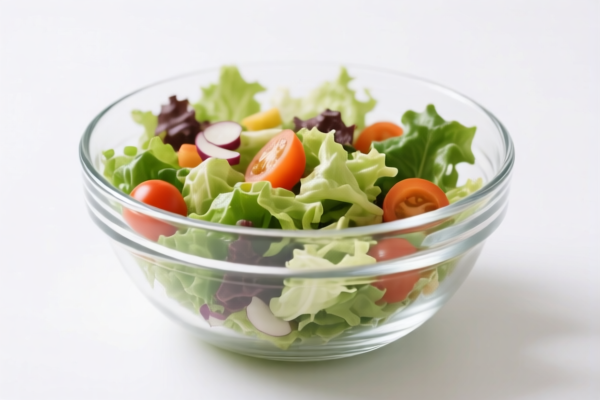
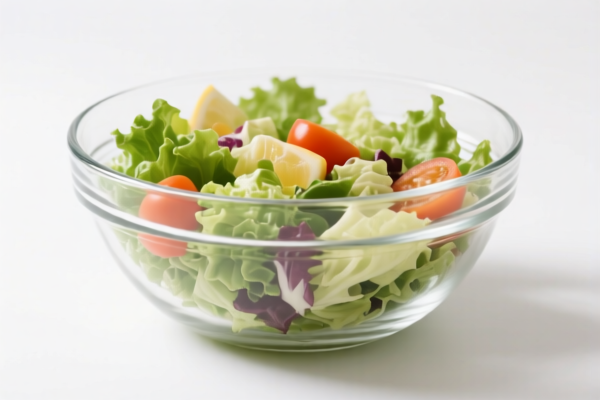
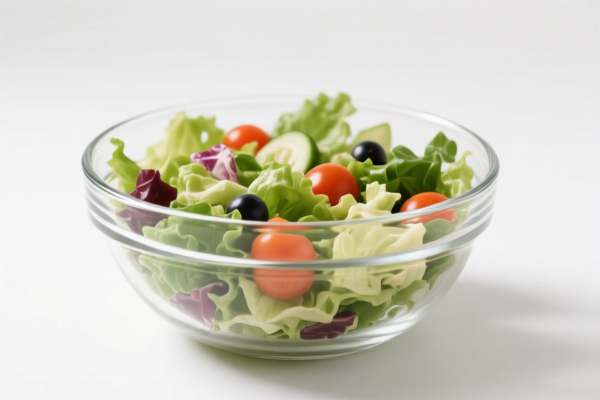
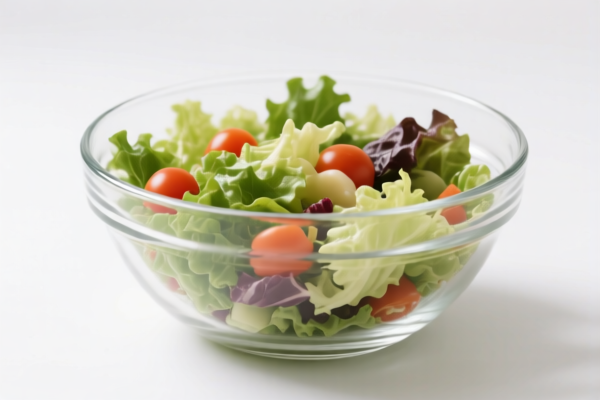
AI Analysis
🥗 Salad Bowls & Tableware (Plastic, Ceramic, Glass)
🌐 HS Code Reference & Customs Clearance Guide | 2026 Latest Tariff Analysis | Professional Strategy
📌 I. Product Definition & Classification: What Exactly Is a "Salad Bowl"?
In international trade, "Salad Bowls" are not a single unified category. They are classified strictly by material and intended use. Misclassifying a plastic bowl as ceramic (or vice versa) can lead to massive tax discrepancies and customs delays.
The core distinction lies in: 1. Material: Plastic vs. Porcelain/Ceramic vs. Glass. 2. Function: Are they dedicated "salad servers," general "eating utensils," or "tableware containers"?
⚠️ Key Distinction:
- If it is Plastic: Look for HS Codes in Chapter 39 (Plastics), specifically heading 3924 (Tableware, kitchenware, household articles).
- If it is Porcelain/Ceramic: Look for HS Codes in Chapter 69 (Ceramic Products), specifically heading 6911 (Tableware, kitchenware).
- If it is Glass: Look for HS Codes in Chapter 70 (Glass and Glassware), specifically heading 7013 (Tableware/Kitchenware of glass).
📦 II. HS Code Classification Matrix (2026 Data Source)
Based on the provided data, here are the specific HS Codes for Salad Bowls/Tableware and their corresponding tax structures.
| HS Code | Product Description | Material | Key Feature |
|---|---|---|---|
| 3924.10.20.00 | Plastic Salad Cups/Bowls | Plastic | Dedicated salad cups, classified as cups/bowls for food. |
| 3924.10.40.00 | Plastic Tableware | Plastic | General plastic cutlery/tableware for holding salad. |
| 6911.10.80.10 | Ceramic/Glass Tableware | Porcelain/Ceramic | Food-contact ceramic/glass tableware. |
| 7013.49.60.90 | Glass Containers | Glass | Glass containers for table or kitchen use. |
| 6911.10.35.10 | Ceramic Bowls | Porcelain/Ceramic | Ceramic cups/bowls specifically for holding salad. |
💰 III. 2026 Tariff Rate Breakdown (USA Import from China)
✅ Applicable Country: United States (US)
✅ Origin: China (CN)
✅ Effective Date: Includes Section 301 and IEEPA surcharges.
🎯 1. 3924.10.20.00 – Plastic Salad Cups/Bowls
“The Heavy Tax Case”
| Item | Detail |
|---|---|
| Base Tariff | 6.5% |
| Section 301 Surcharge | 7.5% |
| IEEPA (122 Clause) Surcharge | 10.0% |
| Total Tax Rate | 24.0% |
| Calculation | CIF Value × 24% |
| De Minimis Exemption? | ❌ No (Deemed taxable) |
📌 Explanation:
- This code captures specific "Plastic Salad Cups."
- The 122 Clause (IEEPA) adds a significant 10% on top of the base and Section 301 rates.
- Total burden: 24%.
🎯 2. 3924.10.40.00 – Plastic Tableware
“The Most Tax-Efficient Option”
| Item | Detail |
|---|---|
| Base Tariff | 3.4% |
| Section 301 Surcharge | 0.0% |
| IEEPA (122 Clause) Surcharge | 10.0% |
| Total Tax Rate | 13.4% |
| Calculation | CIF Value × 13.4% |
| De Minimis Exemption? | ❌ No |
📌 Explanation:
- This is the lowest tax option for plastic salad containers.
- Key Advantage: The Section 301 surcharge is 0%.
- Only the IEEPA 10% and a low base rate (3.4%) apply.
- Strategy: If your product fits the description of general "Plastic Tableware," this is the optimal HS Code.
🎯 3. 6911.10.80.10 – Ceramic/Glass Tableware
“High Cost Import”
| Item | Detail |
|---|---|
| Base Tariff | 20.8% |
| Section 301 Surcharge | 7.5% |
| IEEPA (122 Clause) Surcharge | 10.0% |
| Total Tax Rate | 38.3% |
| Calculation | CIF Value × 38.3% |
| De Minimis Exemption? | ❌ No |
📌 Explanation:
- Ceramic tableware faces a high base tariff (20.8%).
- Combined with 301 and IEEPA, the total cost is nearly 40%.
🎯 4. 7013.49.60.90 – Glass Containers
“Moderate Tax Burden”
| Item | Detail |
|---|---|
| Base Tariff | 7.2% |
| Section 301 Surcharge | 7.5% |
| IEEPA (122 Clause) Surcharge | 10.0% |
| Total Tax Rate | 24.7% |
| Calculation | CIF Value × 24.7% |
| De Minimis Exemption? | ❌ No |
📌 Explanation:
- Glass tableware has a moderate base rate (7.2%).
- Total tax is 24.7%, slightly higher than plastic salad cups (24.0%).
🎯 5. 6911.10.35.10 – Ceramic Bowls for Salad
“The Most Expensive Option”
| Item | Detail |
|---|---|
| Base Tariff | 26.0% |
| Section 301 Surcharge | 7.5% |
| IEEPA (122 Clause) Surcharge | 10.0% |
| Total Tax Rate | 43.5% |
| Calculation | CIF Value × 43.5% |
| De Minimis Exemption? | ❌ No |
📌 Explanation:
- This is the highest tax rate in the dataset.
- The base tariff alone is 26.0%, making ceramics the most expensive category for salad-related imports.
🛠️ IV. Customs Clearance Practical Advice (Pitfall Avoidance)
✅ 1. Material Verification (Crucial Step)
| Material | Check | Risk if Wrong |
|---|---|---|
| Plastic | Confirm composition (PE, PP, PET). | Misclassified as Ceramic → Tax Jumps from 13.4% to 43.5%. |
| Ceramic | Confirm "Tableware" vs. "Decorative". | If decorative, may fall under different HS with different rates. |
| Glass | Confirm "Tableware" vs. "Glassware". | General glassware may have different duties. |
✅ 2. Declaration Tips
🔥 "Declare Function, Specify Material, Avoid Ambiguity!"
| Scenario | Correct Declaration | Incorrect Declaration |
|---|---|---|
| Plastic Salad Cup | 3924.10.40.00 (Plastic Tableware) |
"Salad Bowl" → Might be forced into 3924.10.20.00 (24.0%) |
| Ceramic Salad Bowl | 6911.10.35.10 (Ceramic Bowls for Salad) |
"Ceramic Tableware" → Might be 6911.10.80.10 (38.3%) |
| Glass Container | 7013.49.60.90 (Glass Tableware) |
"Food Container" → Vague, causes inspection delay |
📌 Strategy Note:
- For Plastic items, always try to argue for 3924.10.40.00 (13.4%) if the item can be considered general tableware. It is significantly cheaper than 3924.10.20.00 (24.0%).
- For Ceramic, be prepared for high taxes. Consider if the product can be classified as "General Ceramic Tableware" (38.3%) vs. "Specific Salad Bowls" (43.5%).
✅ 3. Documentation Requirements
| Document | Requirement | Purpose |
|---|---|---|
| Product Photo | Clear view of material, shape, and usage. | Proves it is a "Salad Bowl" and not a decorative vase. |
| Material Spec Sheet | Certifies plastic type or ceramic composition. | Prevents misclassification disputes. |
| Commercial Invoice | Must list "Salad Bowl" and HS Code clearly. | Avoids customs queries on product description. |
| Packaging List | Weight and quantity details. | Ensures correct duty calculation on CIF value. |
🌍 V. Global Market Comparison (2026)
| Region | Recommended HS Code | Approx. Tax Rate | Notes |
|---|---|---|---|
| 🇺🇸 USA | 3924.10.40.00 |
13.4% (Plastic) | Lowest for plastic. High for ceramic (43.5%). |
| 🇨🇳 China | 3924.10.40.00 |
~9-13% | Varies by FTAs, but no Section 301/IEEPA. |
| 🇪🇺 EU | 3924.10.40.00 |
~6.5% | Standard EU duty for plastic tableware. No extra surcharges. |
| 🇯🇵 Japan | 3924.10.40.00 |
~8-10% | Stable rates, no anti-dumping on plastics. |
📌 Conclusion:
- USA is the most tax-heavy market for these goods due to IEEPA and Section 301.
- Plastic tableware (3924.10.40.00) is the most cost-effective option for US import (13.4%).
- Ceramic/Salad-specific plastic incurs heavy penalties (24%-43.5%).
📌 VI. Common Mistakes & Pitfalls (Blood Lessons)
❌ Mistake 1: Using "Salad Bowl" as the HS Code description without specifying material.
👉 Consequence: Customs may assign the highest applicable rate (Ceramic 43.5%) as a precaution.
❌ Mistake 2: Classifying Plastic Salad Cups as 3924.10.20.00 when they fit 3924.10.40.00.
👉 Consequence: Paying 24.0% instead of 13.4%. 10.6% extra tax wasted!
❌ Mistake 3: Ignoring the "122 Clause" (IEEPA).
👉 Consequence: All items above incur a mandatory 10% surcharge. Budgeting fails if this is ignored.
✅ Correct Practice:
"Plastic Salad Bowl, PP Material, Food Grade, For Table Use" → HS 3924.10.40.00 (13.4%)
🎯 VII. Conclusion: Professional Classification Saves Money!
🎯 Remember the Golden Rule:
🔹 "Plastic? Go for 40 (13.4%). Ceramic? Brace for 43.5%. Glass? Expect 24.7%."
🔹 "HS Code determines your profit margin. Misclassification is a tax trap!"
📌 Pro Tip:
If you are exporting Plastic Salad Bowls to the US, explicitly declare them as "Plastic Tableware" (3924.10.40.00) rather than "Salad Cups" to benefit from the 0% Section 301 surcharge. This simple change saves 10.6% in total duties.
📣 Immediate Action:
📞 Consult a licensed customs broker for an Advance Ruling on your specific product design.
🚀 Optimize your HS Code, Reduce your Duty, Maximize Your Profit!
✨ Professional Customs Clearance Starts with Accurate Classification!
💼 Every Percent Matters in Global Trade!
Customer Reviews
About HS Code Classification
The Harmonized System (HS) is an internationally standardized nomenclature developed by the World Customs Organization (WCO) to classify traded products. Over 200 countries use the HS system as the basis for customs tariffs, trade statistics, and import/export regulations.
Each HS code follows a hierarchical structure:
- Chapter (2 digits) — Broad category of goods (e.g., Chapter 84: Machinery and Mechanical Appliances)
- Heading (4 digits) — More specific grouping within the chapter
- Subheading (6 digits) — Internationally standardized breakdown, used by all WCO member countries
- National subdivisions (8-10 digits) — Country-specific extensions for further classification, such as US HTSUS 10-digit codes
Correct HS code classification is essential for smooth customs clearance, accurate duty payment, and compliance with trade regulations. Misclassification can lead to customs delays, overpayment of duties, or penalties.
When importing from CN to US, the applicable tariff rates may include:
- Most-Favored-Nation (MFN) rate — The standard duty rate applied to WTO members
- General rate — Applied to countries without trade agreements
- Trade remedy duties — Additional tariffs such as Section 301 (anti-dumping), Section 232 (national security), or countervailing duties
The information provided on this page is for reference purposes only. For official classification, please consult with your local customs authority or a licensed customs broker.