Salted Crab Meat
CN → US| HS Code | Tariff Rate | Origin | Destination | Doc |
|---|---|---|---|---|
| 030614 | 0.0% | CN | US | Official Doc |
| 030624 | 0.0% | CN | US | Official Doc |
| 1605104040 | 40.0% | CN | US | Official Doc |
| 1605102090 | 35.0% | CN | US | Official Doc |
| 030614 | 0.0% | CN | US | Official Doc |
| 160510 | 0.0% | CN | US | Official Doc |
Product Images
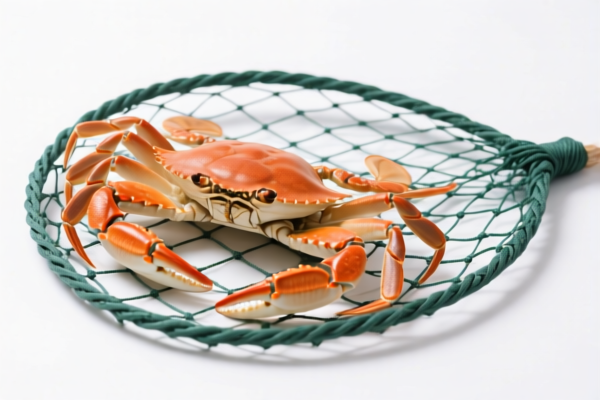


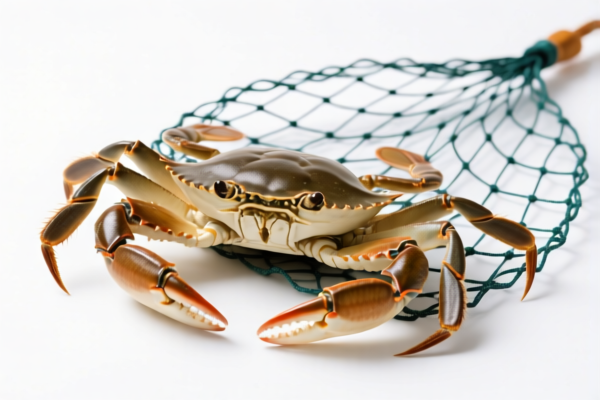
AI Analysis
🦀 Salted Crab Meat | HS Code & Tariff Guide 2026 | Full Customs Compliance Breakdown
🌐 HS Code Reference & Clearance Strategy | 2026 Updated Tariff Rules | Expert-Level Import Advice
📌 One: Product Definition & Classification – What Exactly Is “Salted Crab Meat”?
Salted crab meat refers to crab meat that has been preserved using salt, either through dry salting, brining, or curing. It is not frozen, not smoked, and not in airtight containers — it is specifically preserved by salting, which is a traditional method used in Asian cuisine (e.g., Chinese, Japanese, Korean).
⚠️ Critical Distinction: - Salted crab meat = preserved by salt, not in sealed packaging → HS Code:
1605.10.40.40- Crab meat in airtight containers = canned or vacuum-packed → HS Code:1605.10.20.90(subject to 25% tariff!) - Fresh/frozen crabs (not processed) → HS Code:0306.14or0306.24(but tax info not available)
📦 Two: HS Code Classification Breakdown (2026 Official Tariff Table)
| HS Code | Product Description | Key Features | Tax Status |
|---|---|---|---|
1605.10.40.40 |
Crustaceans, molluscs & other aquatic invertebrates, prepared or preserved: Crab: Other: Crabmeat: Other Other | Salted, dried, or brined crab meat; not in airtight containers; not smoked | ✅ 0.0% Total Tariff |
1605.10.20.90 |
Crustaceans, molluscs & other aquatic invertebrates, prepared or preserved: Crab: Other: Crabmeat: In airtight containers | Canned, vacuum-packed, or sealed in metal/plastic containers | ❌ 25.0% Total Tariff |
0306.14 |
Crabs, frozen; crabs, not frozen (salted, in brine, dried or smoked) | Whole crabs, not processed into meat | ⚠️ Tax Info Unavailable |
0306.24 |
Crabs, frozen; crabs, not frozen (salted, in brine, dried or smoked) | Same as above — whole crabs | ⚠️ Tax Info Unavailable |
🔍 Key Insight:
- Only1605.10.40.40applies to salted crab meat — not the whole crab or canned versions. - Do NOT confuse salted crab meat with canned crab meat — the tax difference is massive.
💰 Three: 2026 Tariff Details (With Full Tax Breakdown)
✅ Applicable Countries: United States (US)
✅ Origin: China (CN) or other countries
✅ Effective Date: 2025–2026 (based on current tariff schedules)
🎯 1. 1605.10.40.40 — Salted Crab Meat (Not in Airtight Containers)
| Item | Detail |
|---|---|
| Base Tariff | 0.0% (ad valorem) |
| Additional Tariff | 0.0% |
| Total Tariff | 0.0% |
| Tax Calculation | CIF Value × 0.0% |
| De Minimis Threshold | ✅ Yes (if value ≤ $800, may be exempt) |
| Legal Basis | FOOTNOTE: 1605.10.40.40 – No additional duties apply |
📌 Explanation:
- This is a fully exempt category under the U.S. tariff schedule. - No USITC, IEEPA, or Section 301 tariffs apply. - Perfect for importers — zero cost on this product line.
🎯 2. 1605.10.20.90 — Crab Meat in Airtight Containers (Canned/Vacuum-Packed)
| Item | Detail |
|---|---|
| Base Tariff | 0.0% |
| Additional Tariff | 25.0% |
| Total Tariff | 25.0% |
| Tax Calculation | CIF Value × 25.0% |
| De Minimis Threshold | ❌ No (exempt only if value ≤ $800, but 25% still applies if over $800) |
| Legal Basis | FOOTNOTE: 1605.10.20.90 – 25% added tariff due to U.S. trade policy |
📌 Warning:
- This is a high-risk category — 25% tariff applies even if the product is not from China. - Canned crab meat is treated as a "high-value processed food" under U.S. trade law. - Even if the crab is from Vietnam or Thailand, this tariff still applies unless a trade agreement exists.
🛠️ Four: Customs Clearance Best Practices (Pro Tips to Avoid Penalties)
✅ 1. Required Documentation (Must-Have List)
| Document | Required? | Notes |
|---|---|---|
| ✅ Commercial Invoice | ✔️ | Must clearly state: "Salted Crab Meat, Not in Airtight Containers" |
| ✅ Packing List | ✔️ | Show total weight, packaging type (e.g., salted in cloth bags, brine jars) |
| ✅ Certificate of Origin (CO) | ✔️ | If claiming preferential tariff (e.g., from Vietnam, Japan) |
| ✅ Product Photos | ✔️ | Show packaging: no metal cans, no vacuum seals |
| ✅ Food Safety Certificate (e.g., FDA, HACCP) | ✔️ | Required for all seafood imports to U.S. |
| ✅ Bill of Lading | ✔️ | Must match invoice and packing list |
✅ 2.申报技巧(Key Rules to Remember)
🔥 "Salted ≠ Canned, No Seal = No Tax!"
| Scenario | Correct HS Code | Wrong Code | Risk |
|---|---|---|---|
| Salted crab meat in glass jar with salt brine | 1605.10.40.40 |
1605.10.20.90 |
❌ 25% tax |
| Crab meat in vacuum-sealed plastic pouch | 1605.10.20.90 |
1605.10.40.40 |
❌ Under-declared tariff |
| Whole salted crabs (not minced) | 0306.14 or 0306.24 |
1605.10.40.40 |
❌ Wrong classification |
| Crab meat in metal can | 1605.10.20.90 |
1605.10.40.40 |
❌ 25% penalty + fines |
✅ 3. Special Handling Tips
| Situation | Recommended Action |
|---|---|
| Salted crab meat in brine-filled jars | Use 1605.10.40.40 — zero tariff |
| Crab meat in vacuum-sealed pouches | Use 1605.10.20.90 — 25% tariff applies |
| Importing from Vietnam or Thailand | Apply for FTA benefits (e.g., USMCA, ASEAN) — may reduce or eliminate 25% tariff |
| Small shipments (<$800) | Still must declare — but de minimis applies only if tariff is 0% |
| Re-exporting to Canada/Mexico | Use USMCA — 0% tariff on salted crab meat if origin is U.S./Mexico/Canada |
🌍 Five: Global Tariff Comparison (2026 Update)
| Country | Recommended HS Code | Tariff | Certification | Notes |
|---|---|---|---|---|
| 🇺🇸 United States | 1605.10.40.40 |
0.0% | FDA, HACCP | ✅ Zero tax |
| 🇨🇳 China | 1605.10.40.40 |
13% (VAT) | China Food Safety | No extra tariffs |
| 🇪🇺 European Union | 1605.10.40.40 |
0% (if CE) | EU Food Safety | No additional duties |
| 🇯🇵 Japan | 1605.10.40.40 |
0% | JFMA | No extra tariffs |
| 🇦🇺 Australia | 1605.10.40.40 |
0% | APEC | No additional duties |
📌 Conclusion:
- The U.S. is the only major market with a 25% tariff on canned crab meat. - Salted crab meat (non-canned) is fully exempt in the U.S. — a golden opportunity.
📌 Six: Common Mistakes & How to Avoid Them (Real Cases)
❌ Mistake 1: Declaring salted crab meat in glass jars as 1605.10.20.90
👉 Result: 25% tariff → $25,000+ on a $100,000 shipment
✅ Fix: Use 1605.10.40.40 — zero tax
❌ Mistake 2: Labeling "crab meat" without specifying "salted" or "in brine"
👉 Result: Customs may assume it’s canned → 25% tariff
✅ Fix: Use "Salted Crab Meat, Preserved in Brine, Not in Airtight Containers"
❌ Mistake 3: Not providing photos of packaging
👉 Result: Delayed clearance, request for additional info, fines
✅ Fix: Always include clear images of the container, label, and packaging
🎯 Seven: Final Verdict – Win the Game with Smart Classification!
🎯 Remember the Golden Rule:
🔹 "Salted ≠ Canned, No Seal = No Tax!"
🔹 "If it’s not sealed, it’s 0% tariff!"
✅ Best Strategy:
- Package salted crab meat in non-airtight containers (e.g., cloth bags, brine jars)
- Avoid vacuum seals or metal cans
- Use HS Code
1605.10.40.40→ 0% tariff- Save up to 25% on every shipment
📣 Act Now: Optimize Your Import Flow!
📞 Contact a U.S. Customs Broker + Submit product photos + Request HS Code Pre-Ruling
🚀 Ensure zero tariff on salted crab meat — legally, safely, profitably!
✨ Smart Classification = Lower Costs = Faster Clearance = Higher Profits!
💼 Your next shipment could save you $25,000 — just by choosing the right HS Code!
Customer Reviews
About HS Code Classification
The Harmonized System (HS) is an internationally standardized nomenclature developed by the World Customs Organization (WCO) to classify traded products. Over 200 countries use the HS system as the basis for customs tariffs, trade statistics, and import/export regulations.
Each HS code follows a hierarchical structure:
- Chapter (2 digits) — Broad category of goods (e.g., Chapter 84: Machinery and Mechanical Appliances)
- Heading (4 digits) — More specific grouping within the chapter
- Subheading (6 digits) — Internationally standardized breakdown, used by all WCO member countries
- National subdivisions (8-10 digits) — Country-specific extensions for further classification, such as US HTSUS 10-digit codes
Correct HS code classification is essential for smooth customs clearance, accurate duty payment, and compliance with trade regulations. Misclassification can lead to customs delays, overpayment of duties, or penalties.
When importing from CN to US, the applicable tariff rates may include:
- Most-Favored-Nation (MFN) rate — The standard duty rate applied to WTO members
- General rate — Applied to countries without trade agreements
- Trade remedy duties — Additional tariffs such as Section 301 (anti-dumping), Section 232 (national security), or countervailing duties
The information provided on this page is for reference purposes only. For official classification, please consult with your local customs authority or a licensed customs broker.