Sand Painting
CN → US| HS Code | Tariff Rate | Origin | Destination | Doc |
|---|---|---|---|---|
| 3926909989 | 22.8% | CN | US | Official Doc |
| 3926909910 | 22.8% | CN | US | Official Doc |
| 4421919300 | 35.0% | CN | US | Official Doc |
| 4421999300 | 35.0% | CN | US | Official Doc |
| 9701920000 | 17.5% | CN | US | Official Doc |
| 9701910000 | 10.0% | CN | US | Official Doc |
Product Images
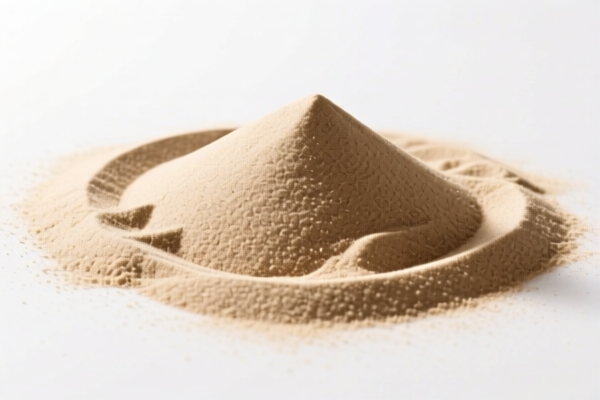
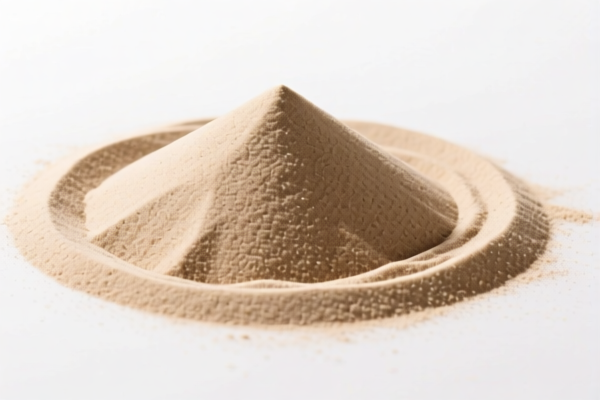
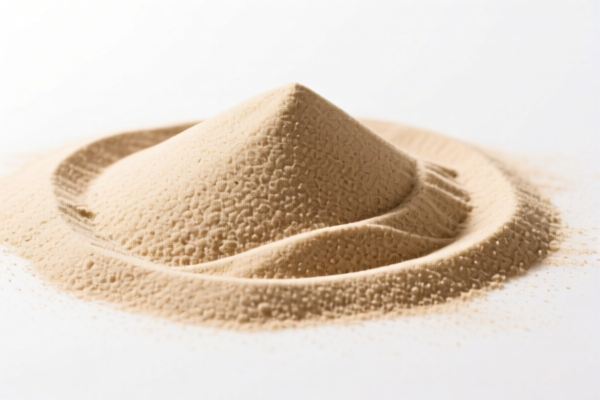
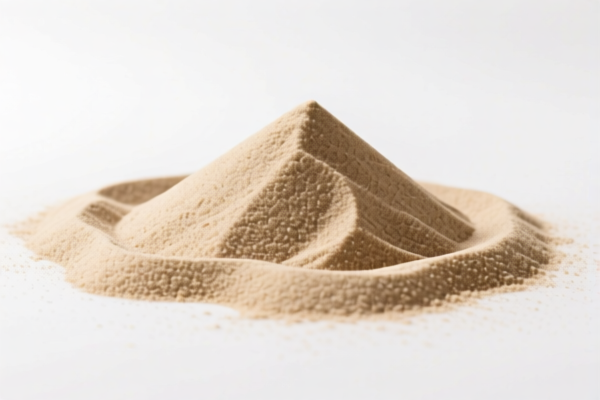
AI Analysis
🎨 Sand Painting (Artistic & Theatrical Properties)
🌐 HS Code Reference & Customs Clearance Guide | 2026 Latest Tariff Analysis | Professional Clearance Strategy
📌 1. Product Definition and Classification: What Exactly is "Sand Painting"?
Sand painting, in the context of international trade and customs classification, generally refers to two distinct types of goods depending on its form and purpose:
- Artistic Works: Hand-executed artistic creations using sand, often falling under artistic goods or decorative plaques.
- Theatrical/Operatic Properties: Sand used as a scenic effect or property in stage sets, ballets, or operas.
⚠️ Critical Distinction:
- If the item is a finished artistic piece (e.g., a framed mosaic-style sand art), it may be classified as Mosaics or Decorative Plaques.
- If the item is raw material or unfinished sets used for theatrical scenery, it falls under Theatrical, Ballet, and Operatic Scenery and Properties.
- Wooden/Plastic Props: If the "sand painting" refers to props made of wood or plastic used in performances, they are classified under Wood or Plastics articles, not artistic media.
📦 2. HS Code Classification Details (2026 Latest Tariff Authority对照)
Based on the provided , here are the precise HS Codes for items related to "Sand Painting" scenarios:
| HS Code | Product Description | Applicable Scenario | Material/Nature |
|---|---|---|---|
9701.92.00.00 |
Mosaics | Finished sand art works, decorative plaques, collages made with sand/grains | Artistic/Decorative |
4421.91.93.00 |
Other articles of wood: Of bamboo: Other: Theatrical, ballet, and operatic scenery and properties, including sets | Wooden props, stage sets, or scenery items (if sand is part of a theatrical set) | Wood/Bamboo |
4421.99.93.00 |
Other articles of wood: Other: Other: Other: Theatrical, ballet, and operatic scenery and properties, including sets | Similar to above, but for non-bamboo wood materials used in theater | Wood |
3926.90.99.89 |
Other articles of plastics: Other Other | Plastic props or decorative items used in performances | Plastic |
3926.90.99.10 |
Other articles of plastics: Other Laboratory ware | ⚠️ Not Applicable unless sand is used in a lab context (rare for "sand painting") | Plastic |
🔍 Key Reminder:
- Finished Art: Use9701.92.00.00(Mosaics).
- Stage Props/Set Pieces: Use4421.91.93.00or4421.99.93.00(if wooden/bamboo).
- Plastic Props: Use3926.90.99.89.
- Do NOT misclassify theatrical scenery as "art supplies" or "laboratory ware" unless explicitly intended for scientific use.
💰 3. 2026 Latest Tariff Rates Detail (Including Additional Taxes)
✅ Applicable Country: United States (US)
✅ Origin: China (CN)
✅ Effective Date: From November 10, 2025 (including subsequent imports)
🎯 1. 9701.92.00.00 —— Mosaics (Finished Sand Art Works)
| Item | Content |
|---|---|
| Base Tariff | 0.0% |
| Additional Tariff (Section 301) | +7.5% |
| Total Tax Rate | 7.5% |
| Tax Calculation | CIF Value × 7.5% |
| De Minimis Exemption | ❌ Not Applicable (De minimis rules do not apply to these specific artistic categories if imported commercially) |
| Legal Basis Path | USITC:9701.92.00.00 → Section 301: 7.5% |
📌 Explanation:
- Artistic mosaics and collages are subject to a 7.5% additional tariff under Section 301.
- The base duty is 0%, so the total burden is 7.5%.
🎯 2. 4421.91.93.00 & 4421.99.93.00 —— Theatrical Scenery & Properties (Wood/Bamboo)
| Item | Content |
|---|---|
| Base Tariff | 0.0% |
| Additional Tariff (Section 301) | +25.0% |
| Total Tax Rate | 25.0% |
| Tax Calculation | CIF Value × 25.0% |
| De Minimis Exemption | ❌ Not Applicable |
| Legal Basis Path | USITC:4421.91.93.00 → Section 301: 25.0% |
📌 Explanation:
- Theatrical props, sets, and scenery made of wood or bamboo are subject to a 25% additional tariff.
- This is a high tariff rate, significantly increasing the cost of stage production imports.
🎯 3. 3926.90.99.89 —— Other Plastic Articles (Plastic Props)
| Item | Content |
|---|---|
| Base Tariff | 5.3% |
| Additional Tariff (Section 301) | +7.5% |
| Total Tax Rate | 12.8% |
| Tax Calculation | CIF Value × 12.8% |
| De Minimis Exemption | ❌ Not Applicable |
| Legal Basis Path | USITC:3926.90.99.89 → Section 301: 7.5% |
📌 Explanation:
- Plastic theatrical props fall under general plastic articles, subject to a 5.3% base rate plus a 7.5% additional tariff, totaling 12.8%.
🎯 4. 3926.90.99.10 —— Laboratory Ware (Plastic)
| Item | Content |
|---|---|
| Base Tariff | 0.0% |
| Additional Tariff | 0.0% |
| Total Tax Rate | 0.0% |
| Tax Calculation | CIF Value × 0.0% |
| Note | ⚠️ Only if explicitly for laboratory use. Misclassification here can lead to severe penalties. |
📌 Explanation:
- If sand or related items are imported for scientific/lab purposes (not artistic/theatrical), they may qualify for 0% duty. However, "Sand Painting" is rarely a lab item. Avoid this unless strictly applicable.
🛠️ 4. Customs Clearance Practical Advice (Real-World Pitfall Avoidance Guide)
✅ 1. Documentation Checklist (None Can Be Skipped)
| Document | Must Provide | Description |
|---|---|---|
| ✅ Product Specification Sheet | ✔️ | Details on material (wood, plastic, art sand), dimensions, purpose (art vs. stage) |
| ✅ Photos of the Product | ✔️ | Clear images showing the item (e.g., framed sand art, wooden stage prop) |
| ✅ Commercial Invoice | ✔️ | Clearly state "Sand Painting Artwork" or "Theatrical Scenery Props" |
| ✅ Bill of Lading/Air Waybill | ✔️ | Standard shipping documents |
| ✅ Certificate of Origin (CO) | ✔️ | To determine eligibility for any potential preferential treatment (if applicable) |
| ✅ Third-Party Inspection Report | ✔️ | If required by customs for verification |
✅ 2. Declaration Tips (Key Mnemonic)
🔥 "Art is Mosaic, Stage is Wood, Plastic Props are General, Lab is 0%!"
| Scenario | Correct Declaration | Incorrect Practice |
|---|---|---|
| Finished Sand Art Frame | 9701.92.00.00 (Mosaics) |
Declare as "Wooden Frame" → 25% |
| Wooden Stage Set with Sand Effect | 4421.91.93.00 or 4421.99.93.00 (Theatrical) |
Declare as "Furniture" → Higher Base Rate |
| Plastic Prop Used in Play | 3926.90.99.89 |
Declare as "Lab Ware" → Fraud Risk |
| Sand in a Lab Beaker | 3926.90.99.10 (If plastic lab ware) |
Declare as "Art Supply" → Unnecessary Tax |
✅ 3. Special Circumstances Handling
| Situation | Handling Advice |
|---|---|
| OEM Custom Theatrical Props | Provide customer order + design drawings. Avoid "general use" terms. |
| Sand Art for Export (Non-US) | Tariffs vary. For US, use the above codes. For EU/China, different rules apply. |
| Mixed Shipments (Art + Props) | Declare separately. Mixing artistic and theatrical items may trigger audits. |
| Laboratory Sand Samples | Provide scientific research purpose letter. Must be strictly for lab use. |
🌍 5. Global Market Comparison (2026 Latest)
| Country/Region | Recommended HS Code | Tariff (China Origin) | Certification | Notes |
|---|---|---|---|---|
| 🇺🇸 USA | 9701.92.00.00 (Art) |
7.5% | None specific | High tariff on wood/plastic props (25%/12.8%) |
| 🇨🇳 China | 9701.92.00.00 (Art) |
0% (Import) | N/A | Low duty on imported art |
| 🇪🇺 EU | 9701.92.00.00 (Art) |
0% (if certified) | CE (if plastic) | No additional Section 301-like tariffs |
| 🇬🇧 UK | 9701.92.00.00 (Art) |
0% | UKCA (if plastic) | Post-Brexit tariffs may vary |
📌 Conclusion:
- The US imposes significant additional tariffs on theatrical props (25%) and plastic items (12.8%), but only 7.5% on artistic mosaics.
- Strategic Tip: If importing sand paintings, declare them as artistic mosaics (9701.92.00.00) if they are finished art pieces, rather than theatrical props, to save 17.5% in tariffs.
📌 6. Common Errors & Pitfalls (Blood-Lesson Guide)
❌ Error 1: Declaring "Sand Painting" as "Laboratory Ware" (3926.90.99.10)
👉 Consequence: Customs will reject misclassification. Penalties + Back Taxes.
👉 Fix: Only use if genuinely for scientific labs.
❌ Error 2: Declaring Theatrical Props as "General Wood Articles" without specifying "Theatrical"
👉 Consequence: May face higher base duties or audit delays.
👉 Fix: Use 4421.91.93.00 or 4421.99.93.00 explicitly.
❌ Error 3: Not distinguishing between "Art" and "Props"
👉 Consequence: Paying 25% for art that could be 7.5%.
👉 Fix: Ensure invoice describes "Framed Sand Artwork" not "Stage Props."
✅ Correct Practice:
"Hand-Crafted Sand Artwork on Canvas, Framed, For Decorative Purpose, Not for Theatrical Use, Model SA-100, Origin: China"
🎯 7. Conclusion: Professional Declaration, Save Time & Cost!
🎯 Remember the Mnemonic:
🔹 "Art is Mosaic (7.5%), Stage is Wood (25%), Plastic is 12.8%, Lab is 0%!"
🔹 "HS Code decides your fate, 17.5% difference, declare wrong, pay double!"
📌 Pro Tip:
If your sand paintings are originally from Vietnam, Mexico, Thailand, or Malaysia, you may qualify for IEEPA Exemptions or lower tariffs.
建议提前申请预裁定(Advance Ruling) to avoid clearance risks.
📣 Immediate Action:
📞 Contact a Professional Customs Broker + Provide Product Photos + Apply for HS Code Advance Ruling
🚀 Let your Sand Painting, Clear Smoothly, Export Efficiently, Maximize Profit!
✨ Professional Clearance Starts with Accurate Classification!
💼 Every Penny of Your Cost Deserves Precise Calculation!
Customer Reviews
About HS Code Classification
The Harmonized System (HS) is an internationally standardized nomenclature developed by the World Customs Organization (WCO) to classify traded products. Over 200 countries use the HS system as the basis for customs tariffs, trade statistics, and import/export regulations.
Each HS code follows a hierarchical structure:
- Chapter (2 digits) — Broad category of goods (e.g., Chapter 84: Machinery and Mechanical Appliances)
- Heading (4 digits) — More specific grouping within the chapter
- Subheading (6 digits) — Internationally standardized breakdown, used by all WCO member countries
- National subdivisions (8-10 digits) — Country-specific extensions for further classification, such as US HTSUS 10-digit codes
Correct HS code classification is essential for smooth customs clearance, accurate duty payment, and compliance with trade regulations. Misclassification can lead to customs delays, overpayment of duties, or penalties.
When importing from CN to US, the applicable tariff rates may include:
- Most-Favored-Nation (MFN) rate — The standard duty rate applied to WTO members
- General rate — Applied to countries without trade agreements
- Trade remedy duties — Additional tariffs such as Section 301 (anti-dumping), Section 232 (national security), or countervailing duties
The information provided on this page is for reference purposes only. For official classification, please consult with your local customs authority or a licensed customs broker.