Sand Toy
CN → US| HS Code | Tariff Rate | Origin | Destination | Doc |
|---|---|---|---|---|
| 9503000073 | 10.0% | CN | US | Official Doc |
| 9503000071 | 10.0% | CN | US | Official Doc |
| 3926909989 | 22.8% | CN | US | Official Doc |
| 2505105000 | 35.0% | CN | US | Official Doc |
| 2505900000 | 35.0% | CN | US | Official Doc |
Product Images
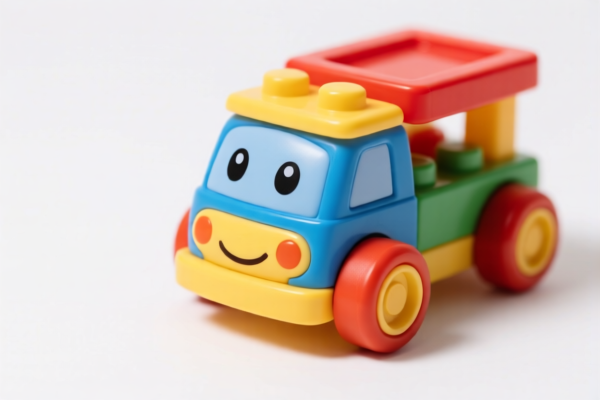
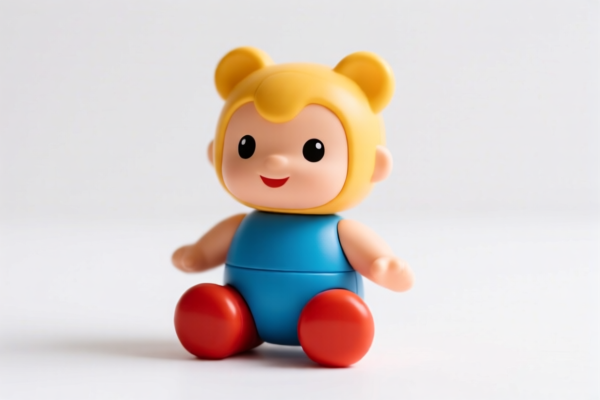
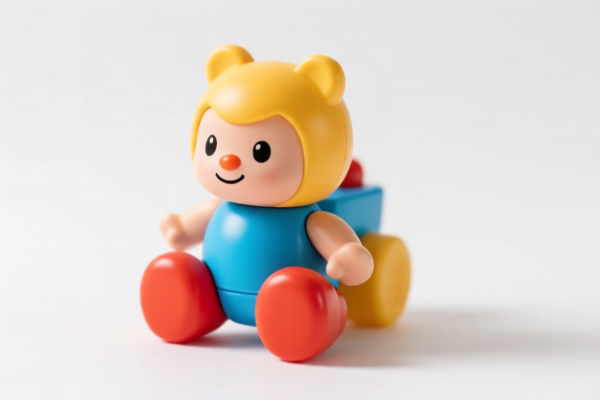
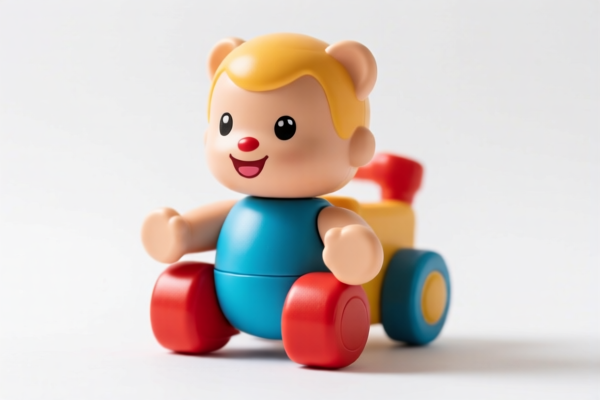
AI Analysis
🏖️ Sand Toys (沙子玩具)
🌐 HS Code Classification & Customs Clearance Guide | 2026 Tax Rate Breakdown | Professional Strategy
📌 I. Product Definition: What Exactly Are "Sand Toys"?
Sand toys are generally defined as play items designed for use with sand, typically found in beach or sandbox settings. They include shovels, buckets, molds, rakes, and sieves.
In international trade and customs classification, the critical determinant is the primary material and functional intent. The classification splits into two main paths: 1. True Toys: Items intended primarily for recreation/play, regardless of material (Plastic, Metal, Wood). 2. Raw Materials/Industrial Goods: Items classified based on their constituent material if they are deemed not to be "toys" (e.g., natural sand itself or generic plastic containers).
⚠️ Key Distinction Point:
- If the item is manufactured specifically for play (e.g., a molded plastic bucket with cartoon designs) → It is a Toy (9503).
- If the item is raw natural material (e.g., bulk quartz sand) → It is a Mineral (2505).
- If the item is a generic plastic article without clear "toy" intent or features → It may fall under Plastics (3926).
📦 II. HS Code Classification Details (2026 Latest Tariff Authority)
| HS Code | Product Description | Applicable Scenario | Material/Intent |
|---|---|---|---|
9503.00.00.73 |
Other Toys, Put-up Sets, Construction Sets (Non-inflatable) |
Plastic/Metal sand buckets, molds, spades designed for play. | ✅ Toy (Non-inflatable) |
9503.00.00.71 |
Other Toys; Reduced-Size ("Scale") Models and Similar Recreational Models (Children's Toys & Accessories) |
Sand toys classified under general children's toy accessories. | ✅ Toy (Children's Accessory) |
3926.90.99.89 |
Other Articles of Plastic | Plastic sand toys that might be scrutinized as generic plastic articles rather than distinct toys, or non-standard plastic play items. | ✅ Plastic (Generic Article) |
2505.10.50.00 |
Quartz Sand and Silica Sand | Bulk Natural Sand intended for filling buckets or play areas, not the toy itself. | ✅ Mineral (Natural Quartz) |
2505.90.00.00 |
Other Natural Sand | Other types of natural sand (e.g., river sand, silica sand) used in play. | ✅ Mineral (Other Natural Sand) |
🔍 Critical Reminder:
- Most commercially sold sand toys (plastic buckets/spades) fall under 9503.00.00.73 or 9503.00.00.71.
- Do NOT ship bulk sand as "Toys" (it will be rejected or re-classified to 2505 with higher duties).
- If customs questions whether it's a "toy" or "plastic article," provide evidence of play intent (packaging, marketing, child-friendly design).
💰 III. 2026 Latest Tariff Rate Breakdown (Including Surcharges & Policy Add-ons)
✅ Applicable Country: United States (US)
✅ Origin: China (CN)
✅ Effective Time: November 10, 2025 onwards (for subsequent imports)
🎯 1. 9503.00.00.73 & 9503.00.00.71 —— Sand Toys (Toy Classification)
| Item | Content |
|---|---|
| Base Tariff | 0% (ad valorem) |
| Section 301 Surcharge | 0% |
| Section 122 Tariff | +10% (Specific to these toy subheadings) |
| Total Rate | 10.0% |
| Tax Calculation | CIF Value × 10% |
| De Minimis Eligibility | ❌ Not Eligible (For Chinese origin, Section 321 de minimis often excluded or scrutinized for toys under new rules) |
| Legal Basis Path | Section 122: 9503.00.00.73/71 → 10% Additional Duty |
📌 Explanation:
- Base Rate is 0%: Toys generally have low base tariffs.
- 122 Clause Tariff: A specific 10% surcharge applies to certain toy categories under recent US trade actions.
- No Section 301: Unlike electronics or steel, these specific toy codes are not subject to the 25% Section 301 tariff.
- Total Cost: Only 10% of CIF value. This is a low-risk, cost-effective classification.
🎯 2. 3926.90.99.89 —— Sand Toys if Classified as Plastic Articles
| Item | Content |
|---|---|
| Base Tariff | 5.3% |
| Section 301 Surcharge | +7.5% |
| Section 122 Tariff | +10% |
| Total Rate | 22.8% |
| Tax Calculation | CIF Value × 22.8% |
| De Minimis Eligibility | ❌ Not Eligible |
| Legal Basis Path | IEEPA:9903.01.25 → USITC:3926.90.99.89 → FOOTNOTE:301 |
📌 Warning:
- If customs argues your "plastic sand shovel" is a generic plastic article (e.g., a plain, unbranded utility scoop), it may fall here.
- Tax Jump: From 10% to 22.8%.
- Strategy: Ensure product descriptions emphasize "Play," "Toys for Children," and include images of colorful, child-friendly designs to support9503classification.
🎯 3. 2505.10.50.00 & 2505.90.00.00 —— Natural Sand (Mineral Classification)
| Item | Content |
|---|---|
| Base Tariff | 0.0% |
| Section 301 Surcharge | +25.0% |
| Section 122 Tariff | +10% |
| Total Rate | 35.0% |
| Tax Calculation | CIF Value × 35.0% |
| De Minimis Eligibility | ❌ Not Eligible |
| Legal Basis Path | IEEPA:9903.01.25 → USITC:2505.10.50.00 → FOOTNOTE:301 |
📌 Critical Note:
- This applies ONLY if you are importing bulk natural sand (e.g., for landscaping or play sand bags).
- Do NOT apply this to plastic/metal toys.
- High Risk: 35% is a significant duty. If you ship plastic toys but declare them as "Sand," customs will penalize for misdeclaration.
🛠️ IV. Customs Clearance Practical Advice (Real-World Pitfall Avoidance)
✅ 1. Required Documentation Checklist
| Document | Mandatory | Notes |
|---|---|---|
| ✅ Product Photos | ✔️ | Clear images showing colorful, child-friendly design (supports 9503). Avoid generic industrial looks. |
| ✅ Commercial Invoice | ✔️ | Description: "Plastic Sand Toys for Children" or "Kids Beach Play Set." Do NOT write "Plastic Scrap" or "Industrial Sand." |
| ✅ Material Statement | ✔️ | Confirm if plastic, metal, or wood. |
| ✅ ASTM F963 / CPSIA Compliance | ✔️ | Essential for toys in the US. Without this, shipment may be detained. |
| ✅ Packaging List | ✔️ | Show units per box. Avoid bulk loose items which look like raw materials. |
✅ 2. Declaration Tips (Key Mantras)
🔥 "Describe as Toy, Not Plastic; Show Play Intent, Avoid High Rate!"
| Scenario | Correct Declaration | Incorrect Declaration |
|---|---|---|
| Plastic Bucket/Shovel | 9503.00.00.73 (Toy, Non-inflatable) |
3926.90.99.89 (Plastic Article) → 22.8% Tax |
| Metal Sand Sieve | 9503.00.00.73 (Toy) |
7326.90.89.00 (Metal Article) → Potential dispute |
| Bulk Play Sand | 2505.10.50.00 (Quartz Sand) |
9503.00.00.73 (Toy) → Misdeclaration Penalty |
| Plastic Molds | 9503.00.00.73 (Toy) |
3926.90.99.89 (Plastic) → Higher Duty |
📌 Strategy:
- Always use keywords: "Children's Toy," "Beach Play Set," "Recreational."
- Avoid keywords: "Industrial," "Construction Material," "Raw Plastic."
- If unsure, apply for a Binding Tariff Information (BTI) or Advance Ruling from US CBP before shipping.
✅ 3. Special Cases & Handling
| Case | Handling Advice |
|---|---|
| OEM Unbranded Toys | Provide customer authorization + design drawings. Prove it's for end-use play, not generic plastic. |
| Mixed Containers (Toys + Sand) | Split Shipment! Toys go to 9503 (10%), Sand goes to 2505 (35%). Mixing them complicates clearance. |
| Wooden Sand Toys | Still falls under 9503 if intended for play. Wood is secondary to function. |
| Inflatable Sand Pools | Falls under 9503.00.00.10 or 9503.00.00.20 (Inflatable Toys). Different tax path. |
🌍 V. Global Market Comparison (2026 Latest)
| Country/Region | Recommended HS Code | Tariff (CN Origin) | Certification | Notes |
|---|---|---|---|---|
| 🇺🇸 USA | 9503.00.00.73 |
10% (122 Clause) | CPSIA + ASTM F963 | Lowest duty for toys. Avoid 3926 (22.8%). |
| 🇨🇳 China | 9503.00.00.73 |
9.5% (Import) | CCC (if applicable) | No Section 122. |
| 🇪🇺 EU | 9503.00.00 |
4.5% | CE + EN71 | No Section 122 equivalent. |
| 🇬🇧 UK | 9503.00.00 |
0% (General) | UKCA + EN71 | Post-Brexit free trade for many toys. |
| 🇦🇺 Australia | 9503.00.00 |
5% | ACCC Safety | Competitive rate. |
📌 Conclusion:
- USA is unique due to the 122 Clause 10% surcharge.
- Do not declare plastic sand toys as "Plastic Articles" (3926) in the US; the tax jumps to 22.8%.
- Always prioritize9503for any item clearly designed for child play.
📌 VI. Common Errors & Pitfalls (Lessons Learned)
❌ Error 1: Declaring plastic sand toys as "Plastic Household Articles" (3926)
👉 Consequence: Tax increases from 10% to 22.8%. Unnecessary cost increase.
❌ Error 2: Shipping bulk sand labeled as "Toy"
👉 Consequence: Customs rejects as "Misdeclaration." Goods may be seized or re-classified to 2505 (35%) + penalties.
❌ Error 3: Missing CPSIA/ASTM F963 Compliance Docs
👉 Consequence: CBP detains shipment at port. Demurrage charges accrue. Product recalled later.
❌ Error 4: Using vague descriptions like "Plastic Item"
👉 Consequence: Customs officer has discretion → likely to choose higher duty code (3926).
✅ Correct Practice:
"Children's Plastic Sand Toy Set (Bucket, Spade, Mold), for Beach Play, Model XYZ, CPSIA Certified"
🎯 VII. Conclusion: Precise Classification, Maximize Profit!
🎯 Remember the Mantra:
🔹 "Toy First, Plastic Second. 10% vs 22.8% is Huge!"
🔹 "Natural Sand is 35%. Toys are 10%. Don't Mix Them!"
🔹 "Documentation Saves Dollars. Compliance Saves Time."
📌 Pro Tip:
- If you are an OEM manufacturer, ensure your product packaging clearly states "For Children's Play" to support 9503 classification.
- For large volume imports, apply for a CBP Advance Ruling to lock in the 9503 classification and avoid disputes.
📣 Immediate Action:
📞 Contact Customs Broker + Provide Product Photos + Verify CPSIA Compliance
🚀 Ship Confidently, Clear Customs Fast, Keep Margins High!
✨ Professional Clearance Starts with Accurate Classification!
💼 Every Percent of Duty Saved is Pure Profit!
Customer Reviews
About HS Code Classification
The Harmonized System (HS) is an internationally standardized nomenclature developed by the World Customs Organization (WCO) to classify traded products. Over 200 countries use the HS system as the basis for customs tariffs, trade statistics, and import/export regulations.
Each HS code follows a hierarchical structure:
- Chapter (2 digits) — Broad category of goods (e.g., Chapter 84: Machinery and Mechanical Appliances)
- Heading (4 digits) — More specific grouping within the chapter
- Subheading (6 digits) — Internationally standardized breakdown, used by all WCO member countries
- National subdivisions (8-10 digits) — Country-specific extensions for further classification, such as US HTSUS 10-digit codes
Correct HS code classification is essential for smooth customs clearance, accurate duty payment, and compliance with trade regulations. Misclassification can lead to customs delays, overpayment of duties, or penalties.
When importing from CN to US, the applicable tariff rates may include:
- Most-Favored-Nation (MFN) rate — The standard duty rate applied to WTO members
- General rate — Applied to countries without trade agreements
- Trade remedy duties — Additional tariffs such as Section 301 (anti-dumping), Section 232 (national security), or countervailing duties
The information provided on this page is for reference purposes only. For official classification, please consult with your local customs authority or a licensed customs broker.