Sandblasting Peeling Machine
CN → US| HS Code | Tariff Rate | Origin | Destination | Doc |
|---|---|---|---|---|
| 8424309000 | 35.0% | CN | US | Official Doc |
| 8479899599 | 87.5% | CN | US | Official Doc |
| 8467891000 | 17.5% | CN | US | Official Doc |
| 8424209000 | 35.0% | CN | US | Official Doc |
| 8479896500 | 20.3% | CN | US | Official Doc |
Product Images
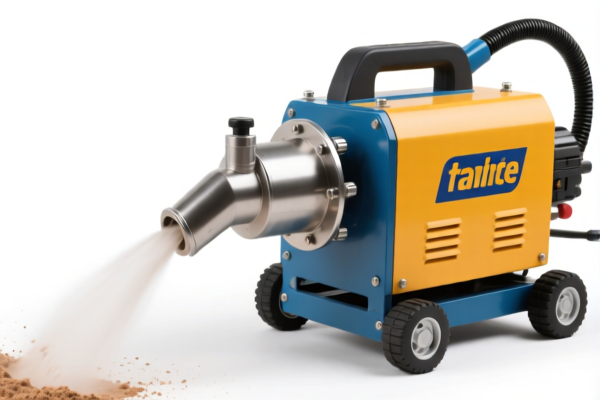
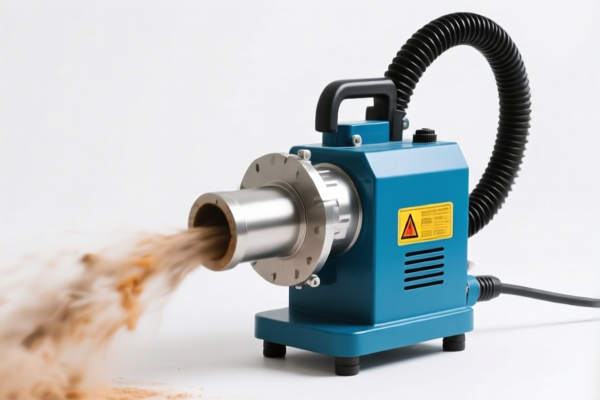
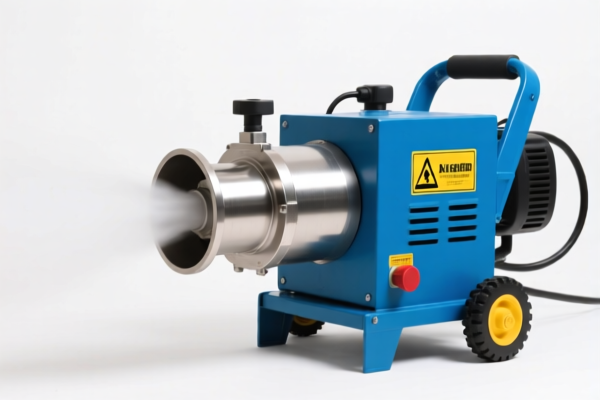
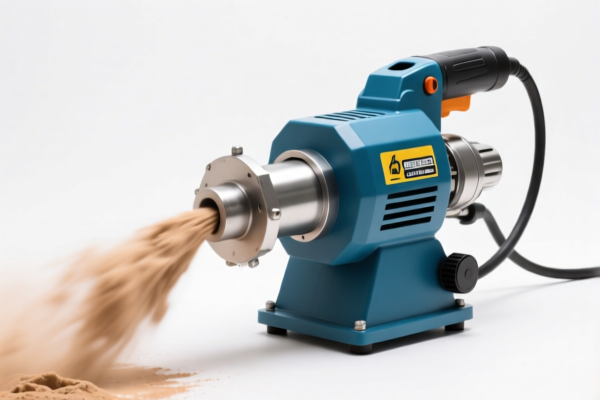
AI Analysis
🏗️ Sandblasting Peeling Machine (喷砂剥离机)
🌐 HS Code Classification & Tariff Analysis | Professional Customs Clearance Strategy
📌 I. Product Definition: What is a Sandblasting Peeling Machine?
A Sandblasting Peeling Machine is an industrial mechanical device primarily used for surface preparation, such as removing rust, old paint, scale, or corrosion from metal and composite materials. It operates by propelling a stream of abrasive material (such as sand, grit, or steel shot) at high velocity against a surface.
In international trade, these machines are often classified based on their primary function (whether they are simple nozzles/tips or complex standalone mechanical units) and their power source (pneumatic, electric, or self-contained).
⚠️ Critical Classification Point:
- Is it just a nozzle/tip assembly (part of a larger system)? → Likely Chapter 84, Head 84.24
- Is it a standalone powered machine with its own motor/compressor? → Likely Chapter 84, Head 84.79 or 84.67
- Misclassification leads to massive tariff discrepancies (e.g., 17.5% vs. 87.5%).
📦 II. HS Code Classification Details (Based on Provided Data)
| HS Code | Product Description | Key Characteristics | Primary Tariff Burden |
|---|---|---|---|
8424.30.90.00 |
Spraying Machines (Nozzles/Dispersers) Machine tools for projecting, dispersing, or spraying liquids or powders. |
Classified as a spraying device. Fits the "projecting" function of sandblasting. | 35.0% |
8479.89.95.99 |
Machinery with Individual Functions (General) Machinery and mechanical appliances having individual functions, not specified elsewhere. |
Treated as a general mechanical unit for metal/composite processing. | 87.5% ⚠️ Highest |
8467.89.10.00 |
Other Power-Driven Tools Pneumatic or power-driven tools for working in the hand (excluding machines of Heading 84.56–84.65). |
Classified as a powered hand tool or portable unit. Fits the "power-driven" nature. | 17.5% ✅ Lowest |
8424.20.90.00 |
Fire Extinguishers and Similar Appliances (Note: Data Summary says "Spray Guns") Machine tools for projecting, dispersing, or spraying liquids or powders. |
Similar to 8424.30, classified under spraying nozzles/guns. | 35.0% |
8479.89.65.00 |
Machinery with Individual Functions (Electric/Motor Driven) Machinery and mechanical appliances having individual functions. |
Specifically identified as motor-driven independent machinery. | 20.3% |
💰 III. Detailed Tariff Breakdown (USA / China Origin Context)
✅ Assumption: Based on the provided
tax_detail, these rates apply to imports from China to the USA, including Base Rate, Section 301 (Add-on), and Section 122 (If applicable).
🎯 1. 8424.30.90.00 & 8424.20.90.00 — The "Spraying Machine" Route
These classifications view the machine primarily as a spraying or projecting device.
| Item | Details |
|---|---|
| Base Tariff | 0.0% |
| Section 301 Add-on | +25.0% |
| Section 122 / Other | +10.0% |
| Total Effective Rate | 35.0% |
| Why this rate? | The machinery is seen as a nozzle/spray apparatus. The 25% is the standard Section 301 tariff. The 10% may refer to specific trade remedy duties or Section 122 adjustments depending on the exact subheading interpretation. |
📌 Risk: If the machine is complex and motorized, CBP might argue it doesn't fit "simple spray machines," leading to a reclassification to the higher 8479 rates.
🎯 2. 8479.89.95.99 — The "General Machinery" Route (High Risk)
This is the "catch-all" category for industrial machinery with specific functions not listed elsewhere.
| Item | Details |
|---|---|
| Base Tariff | 2.5% |
| Section 301 Add-on | +25.0% |
| Section 122 / Other | +10.0% |
| Section 301 (Steel/Alu/Cu) | +50.0% (If containing significant steel/aluminum parts subject to specific rules) |
| Total Effective Rate | 87.5% |
| Why this rate? | This is the highest possible rate in the dataset. It assumes the machine is a complex industrial unit. The 50% surcharge for steel/aluminum products drastically inflates the cost. |
🚨 WARNING: Avoid this classification unless absolutely necessary. A 87.5% duty is prohibitive for most commercial shipments.
🎯 3. 8467.89.10.00 — The "Power-Driven Tool" Route (Optimal?)
This classification treats the sandblaster as a portable or hand-held powered tool (similar to grinders or drills).
| Item | Details |
|---|---|
| Base Tariff | 0.0% |
| Section 301 Add-on | +7.5% |
| Section 122 / Other | +10.0% |
| Total Effective Rate | 17.5% |
| Why this rate? | Pneumatic or electric hand tools often enjoy lower base tariffs (0%) and lower Section 301 rates (7.5% or 25% depending on the list). Here, the data indicates a lower 7.5% add-on. |
✅ Strategy: If the machine is portable, handheld, or pneumatic, this is likely the best classification at 17.5%.
🎯 4. 8479.89.65.00 — The "Motor-Driven Machine" Route
A middle-ground classification for standalone electric machinery.
| Item | Details |
|---|---|
| Base Tariff | 2.8% |
| Section 301 Add-on | +7.5% |
| Section 122 / Other | +10.0% |
| Total Effective Rate | 20.3% |
| Why this rate? | Similar to the tool classification, it benefits from a lower Section 301 rate (7.5%). However, the base duty is slightly higher than the "tool" category. |
🛠️ IV. Customs Clearance Recommendations
✅ 1. Documentation Preparation
To support the lowest possible duty rate (17.5% under 8467.89.10.00), provide:
| Document | Description |
|---|---|
| Product Brochure | Highlight "Portable," "Hand-Held," or "Pneumatic/Power Tool" features. |
| Technical Specs | Show weight (lightweight tools favor Chapter 84.67) and power source (Pneumatic/Electric). |
| Operation Manual | Emphasize ease of use for surface preparation (not heavy industrial processing). |
| Commercial Invoice | Use precise wording: "Portable Pneumatic Sandblasting Gun/Tool" rather than "Industrial Sandblasting Peeling Machine" if possible. |
✅ 2. Classification Strategy
- Best Case: Classify as
8467.89.10.00(Power-Driven Tool). - Why? Lowest total duty (17.5%).
-
Condition: Must be portable/handheld/pneumatic.
-
Second Best: Classify as
8479.89.65.00(Other Machinery). - Why? Moderate duty (20.3%).
-
Condition: If it is a standalone electric unit but not easily classified as a "hand tool."
-
Avoid:
8479.89.95.99(87.5%). - Why? Exorbitant duty due to steel/aluminum surcharges. Only use if the machine is a massive, fixed industrial unit that cannot fit any other category.
✅ 3. Common Pitfalls to Avoid
| Mistake | Consequence |
|---|---|
| Mislabeling as "Machine" | CBP may classify it as 8479.89.95.99 → 87.5% duty. |
| Ignoring Section 301 Rates | Assuming 0% base rate means 0% total. Remember: Total = Base + 301 + Other. |
| Vague Descriptions | "Sandblaster" is ambiguous. Use "Pneumatic Sandblasting Nozzle" or "Electric Surface Cleaning Tool." |
🌍 V. Global Market Comparison (Estimates)
| Market | Recommended HS Code | Est. Duty | Notes |
|---|---|---|---|
| 🇺🇸 USA | 8467.89.10.00 |
17.5% | Best option for portable tools. |
| 🇨🇳 China | 8467.89.10.00 |
Varies | Import duties may differ; focus on US export compliance. |
| 🇪🇺 EU | 8424.30 |
~4.5% | EU may classify as spraying appliances. Check for local anti-dumping. |
| 🇬🇧 UK | 8467.89 |
~4.5% | Post-Brexit rules apply. |
📌 Conclusion:
For the US market, striving for8467.89.10.00(17.5%) is the most cost-effective strategy. Ensure the product is marketed and documented as a portable tool rather than a large industrial machine.
📌 VI. Final Checklist for Shippers
- Is it portable? → Yes → Aim for
8467.89.10.00. - Is it motor-driven but standalone? → Yes → Aim for
8479.89.65.00. - Is it a simple spray nozzle? → Yes →
8424.30.90.00(35%). - Is it a large, fixed industrial unit? → Yes →
8479.89.95.99(87.5%) – Negotiate price or redesign.
🔥 Pro Tip:
"Tool vs. Machine" is the key battleground.
Define your sandblasting peeling machine as a power-driven hand tool to unlock the 17.5% duty rate. Avoid the 87.5% trap by not calling it a "General Industrial Machine" in your invoice.
✨ Accurate Classification = Significant Cost Savings!
💼 Consult a licensed customs broker for pre-classification ruling if the shipment value is high.
Customer Reviews
About HS Code Classification
The Harmonized System (HS) is an internationally standardized nomenclature developed by the World Customs Organization (WCO) to classify traded products. Over 200 countries use the HS system as the basis for customs tariffs, trade statistics, and import/export regulations.
Each HS code follows a hierarchical structure:
- Chapter (2 digits) — Broad category of goods (e.g., Chapter 84: Machinery and Mechanical Appliances)
- Heading (4 digits) — More specific grouping within the chapter
- Subheading (6 digits) — Internationally standardized breakdown, used by all WCO member countries
- National subdivisions (8-10 digits) — Country-specific extensions for further classification, such as US HTSUS 10-digit codes
Correct HS code classification is essential for smooth customs clearance, accurate duty payment, and compliance with trade regulations. Misclassification can lead to customs delays, overpayment of duties, or penalties.
When importing from CN to US, the applicable tariff rates may include:
- Most-Favored-Nation (MFN) rate — The standard duty rate applied to WTO members
- General rate — Applied to countries without trade agreements
- Trade remedy duties — Additional tariffs such as Section 301 (anti-dumping), Section 232 (national security), or countervailing duties
The information provided on this page is for reference purposes only. For official classification, please consult with your local customs authority or a licensed customs broker.