Sandpaper Block
CN → US| HS Code | Tariff Rate | Origin | Destination | Doc |
|---|---|---|---|---|
| 6805200000 | 35.0% | CN | US | Official Doc |
| 6805100000 | 35.0% | CN | US | Official Doc |
| 4016996050 | 37.5% | CN | US | Official Doc |
| 4016993550 | 35.0% | CN | US | Official Doc |
| 6805200000 | 35.0% | CN | US | Official Doc |
Product Images
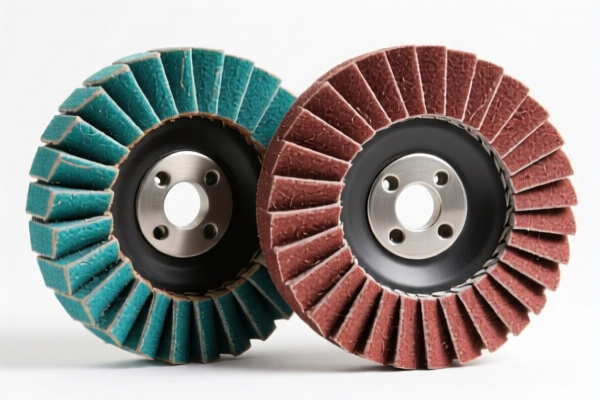
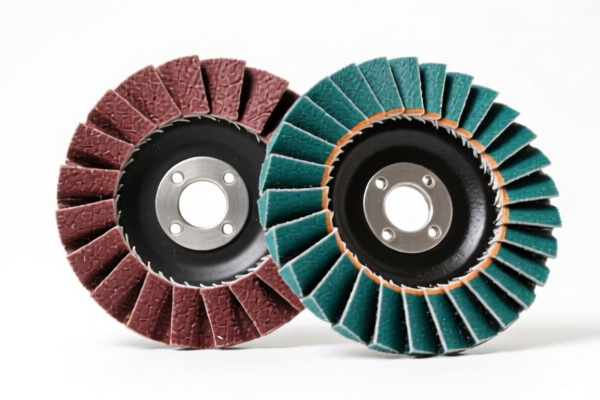
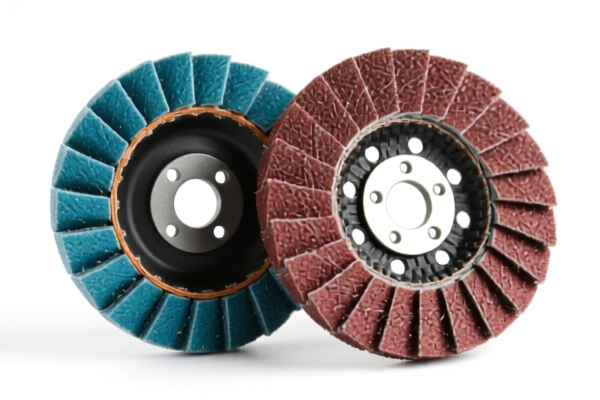
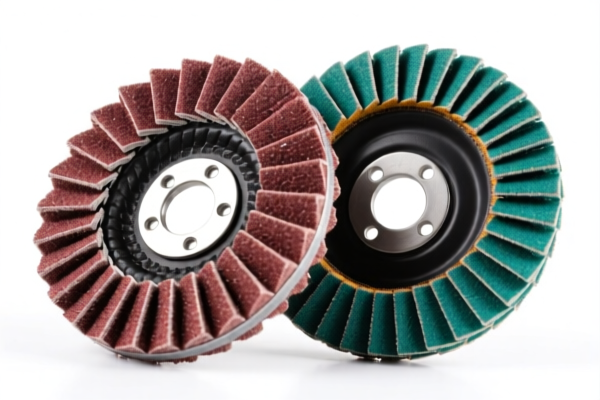
AI Analysis
🪨 Sandpaper Block (Sandpaper Block)
🌐 HS Code Reference & Customs Clearance Guide | 2026 Latest Tariff Analysis | Professional Clearance Strategy
📌 I. Product Definition and Classification: Do You Really Understand "Sandpaper Block"?
A sandpaper block is an abrasive tool consisting of abrasive particles (such as alumina, silicon carbide, or garnet) bonded to a flexible backing (paper, cloth, or foam) or a rigid backing (rubber, cork, or plastic). In international trade, the classification depends on the primary material of the backing and the nature of the abrasive.
Key Distinction Points: * Paper/Backed Abrasives: If the backing is primarily paper or cardboard → Chapter 68 (Articles of Stone, Plaster, Cement, etc.). * Rubber/Other Backed Abrasives: If the backing includes significant rubber components or falls under general rubber制品 → Chapter 40 (Rubber and articles thereof).
⚠️ Critical Classification Logic: - If the product is essentially "abrasive powder/grains on paper/cardboard" → It belongs to 6805.20.00.00 (and potentially 6805.10.00.00 depending on specific grain type/structure). - If the product involves "vulcanized rubber" or other rubber-based backing without fitting specific abrasive headings strictly → It may fall under 4016.99.60.50 (Other articles of vulcanized rubber other than hard rubber). - If the rubber content is incidental or it falls under a general fallback category for rubberized items → It may fall under 4016.99.35.50.
📦 II. HS Code Classification Details (2026 Latest Tariff Authority Comparison)
| HS Code | Product Description | Application Scenario | Classification Logic |
|---|---|---|---|
6805.20.00.00 |
Sandpaper/Emery Paper: Abrasive powder/grains adhered to paper or cardboard backing | Standard sandpaper sheets, blocks with paper backing | ✅ Primary Logic: Fits the definition of abrasive products on paper/cardboard base. |
6805.10.00.00 |
Sandpaper/Emery Paper: Abrasive particles coated on paper/textile base | Specialized abrasive blocks, textile-backed sandpaper | ✅ Primary Logic: Grinding articles where the base is paper or textile materials. |
4016.99.60.50 |
Other vulcanized rubber articles: Other abrasive tools/molds | Sandpaper blocks with rubber backing (vulcanized) | ✅ Logic: Composed of backing and abrasive, classified as other abrasive tools outside specific headings. |
4016.99.35.50 |
Other rubber articles: Other category fallback | Sandpaper blocks with rubber adhesive/backing structure | ✅ Logic: Rubber-based adhesives or backing structures often trigger this "catch-all" rubber logic. |
🔍 Key Reminder: - Paper Backing: Prioritize Chapter 68 (6805.x.x). This is the most common classification for standard sandpaper blocks. - Rubber Backing: If the block uses a rubber sponge or vulcanized rubber backing, customs may classify it under Chapter 40 (4016.x.x). - Misclassification Risk: Declaring a rubber-backed sandpaper block as
6805.20.00.00to avoid higher Chapter 40 tariffs is a common audit trigger. Ensure the backing material matches the description.
💰 III. 2026 Latest Tariff Rate Details (Including Surcharges & Policy Add-ons)
✅ Applicable Country: United States (US) ✅ Origin: China (CN) ✅ Effective Date: From November 10, 2025 (including subsequent imports)
🎯 1. 6805.20.00.00 & 6805.10.00.00 —— Abrasive Products on Paper/Cardboard Base
These two codes share the same tariff structure for Chinese-origin goods.
| Item | Content |
|---|---|
| Base Tariff | 0.0% (ad valorem) |
| Section 301 Surcharge | +25.0% |
| Section 122 Tariff | +10.0% |
| Total Tax Rate | 35.0% |
| Tax Calculation | CIF Value × 35% |
| De Minimis Exemption | ❌ Not Eligible (deny_de_minimis applies to high-tariff goods) |
| Legal Basis Path | USITC:6805.20.00.00 → Section 301: 25% → Section 122: 10% |
📌 Explanation: - Base 0%: China-origin abrasive papers often enjoy 0% MFN base duty. - Section 301 (25%): This is the core "Trump Tax" on many Chinese industrial goods, including abrasives. - Section 122 (10%): Additional tariff under Section 122 of the Trade Expansion Act of 1962 (often applied to imports affecting national security or specific manufacturing bases). - Total 35%: This is a significant cost burden. You must factor this into your pricing strategy.
🎯 2. 4016.99.60.50 —— Other Vulcanized Rubber Articles (Abrasive Tools)
| Item | Content |
|---|---|
| Base Tariff | 2.5% |
| Section 301 Surcharge | +25.0% |
| Section 122 Tariff | +10.0% |
| Total Tax Rate | 37.5% |
| Tax Calculation | CIF Value × 37.5% |
| De Minimis Exemption | ❌ Not Eligible |
| Legal Basis Path | USITC:4016.99.60.50 → Section 301: 25% → Section 122: 10% |
📌 Note: - This code has a 2.5% base duty, making it 2.5% more expensive than the paper-backed abrasive codes at the base level. - However, the surcharges remain the same, so the total difference is only 2.5%. - Warning: Misclassifying a rubber-backed block as paper-backed (
6805.20.00.00) to save 2.5% is risky if audited, as customs will inspect the material composition.
🎯 3. 4016.99.35.50 —— Other Rubber Articles (Fallback)
| Item | Content |
|---|---|
| Base Tariff | 0.0% |
| Section 301 Surcharge | +25.0% |
| Section 122 Tariff | +10.0% |
| Total Tax Rate | 35.0% |
| Tax Calculation | CIF Value × 35% |
| De Minimis Exemption | ❌ Not Eligible |
| Legal Basis Path | USITC:4016.99.35.50 → Section 301: 25% → Section 122: 10% |
📌 Note: - This is the "catch-all" for rubber articles. It matches the 35% total rate of the paper-backed abrasives. - Use this only if the product structure does not fit the specific "abrasive tool" definition in
4016.99.60.50but clearly contains rubber components that prevent classification in Chapter 68.
🛠️ IV. Customs Clearance Practical Advice (Real-World Pitfall Guide)
✅ 1. Documentation Checklist (All Required)
| Document | Required | Explanation |
|---|---|---|
| ✅ Product Specifications | ✔️ | Must clearly state: Backing Material (Paper vs. Rubber vs. Foam), Abrasive Type (Alumina, Silicon Carbide), Grit Size, Dimensions. |
| ✅ Material Composition Report | ✔️ | CRITICAL: Provide a detailed breakdown of the backing material. Is it >50% paper? Is it vulcanized rubber? This determines Chapter 68 vs. Chapter 40. |
| ✅ Product Photos | ✔️ | Clear images of the front (abrasive side) and back (backing side). Show any rubber/sponge layers. |
| ✅ Commercial Invoice | ✔️ | Description should be precise: "Sandpaper Block, Paper Backed, Alumina Abrasive, Grit 80" or "Sandpaper Block, Rubber Backed...". Do not use generic terms. |
| ✅ Packing List | ✔️ | Weight and quantity details. |
| ✅ HS Code Pre-Ruling (Optional) | ✔️ | Highly recommended for large volumes to secure the correct HS code before shipment. |
✅ 2. Declaration Tips (Key Mantras)
🔥 "Back Material Determines Chapter, Paper is 6805, Rubber is 4016. Be precise to avoid penalties!"
| Scenario | Correct Declaration | Wrong Practice |
|---|---|---|
| Standard Sandpaper Block (Paper Back) | 6805.20.00.00 | Classify as 4016.99.60.50 → Pay extra 2.5% base duty unnecessarily. |
| Sandpaper Block (Rubber Back) | 4016.99.60.50 | Classify as 6805.20.00.00 → High risk of customs audit, penalties, and retroactive taxes. |
| Foam Back Sandpaper Block | 4016.99.35.50 (if rubberized foam) | Classify as 6805.20.00.00 → Incorrect, as foam/rubber is not paper. |
| Generic "Sandpaper" | Specify Backing | Vague description → Customs will assign the highest applicable tariff or delay clearance. |
✅ 3. Special Situation Handling
| Situation | Handling Advice |
|---|---|
| Hybrid Backing (Paper + Rubber Layer) | If the rubber layer is thin and for grip, and the primary abrasive surface is on paper, argue for 6805.20.00.00. Provide engineering diagrams. |
| Large Industrial Blocks | If the block is rigid and heavy, ensure it's not classified as a "machine part." It must be clearly an "abrasive tool." |
| Small Sample Shipments | Even for samples, if the total value is high, the 35% tax applies. De Minimis ($800) |
🌍 V. Global Market Comparison (2026 Latest)
| Country/Region | Recommended HS Code | Tariff (China Origin) | Certification Requirements | Notes |
|---|---|---|---|---|
| 🇺🇸 USA | 6805.20.00.00 / 4016.99.60.50 |
35.0% / 37.5% | None specific, but accurate classification is key | High tariffs due to Section 301 & 122. |
| 🇨🇳 China | 6805.20.00.00 |
5.0% - 10.0% | N/A | Import into China has different rates. |
| 🇪🇺 EU | 6805.20.00.00 |
0% (Most cases) | CE (if power tools included), REACH | EU tariffs on abrasives are generally low. |
| 🇦🇺 Australia | 6805.20.00.00 |
5.0% | None | Competitive market. |
| 🇯🇵 Japan | 6805.20.00.00 |
0% - 5.0% | JIS Standards (if applicable) | Low tariffs. |
📌 Conclusion: - The US market is the most challenging for sandpaper blocks due to the 35%-37.5% effective tax rate. - Europe, Japan, and Australia are much more favorable with 0%-5% tariffs. - If your product is primarily for the US market, consider cost-absorption strategies or supplier adjustments.
📌 VI. Common Mistakes & Pitfall Guide (Lessons Learned)
❌ Mistake 1: Classifying all sandpaper blocks as 6805.20.00.00 regardless of backing.
👉 Consequence: If the block is rubber-backed, customs will reclassify it to 4016.99.60.50, leading to penalties and back taxes.
❌ Mistake 2: Ignoring the Section 122 Tariff. 👉 Consequence: Forgetting to account for the additional 10% leads to underpayment by 10% of the CIF value, resulting in severe fines.
❌ Mistake 3: Using generic terms like "Sandpaper" on the invoice. 👉 Consequence: Customs officers may use the highest available duty rate or hold the shipment for further inspection, causing delays and storage fees.
❌ Mistake 4: Assuming De Minimis applies. 👉 Consequence: Since Section 301 and Section 122 goods are excluded from De Minimis, even small shipments are subject to full 35% tax.
✅ Correct Approach:
"Sandpaper Block, 4-inch x 9-inch, Aluminum Oxide Abrasive on Paper Backing, Grit 120, for Hand Use, Model XYZ" OR "Sandpaper Block, Rubber Base, Silicon Carbide Abrasive, Grit 80, Model ABC"
🎯 VII. Conclusion: Professional Declaration, Save Money, Avoid Risks!
🎯 Remember the Mantra:
🔹 "Paper is 6805 (35%) 🔹 "35% is the US Reality. Prepare your budget and documentation in advance."
📌 Tips:
- If your sandpaper blocks are sourced from Vietnam, Malaysia, or Thailand, they may be exempt from Section 301 and Section 122 tariffs (depending on current origin rules). Check the Country of Origin Certificate.
- Pre-clearance Ruling: For large volumes, obtain an US Customs and Border Protection (CBP) to lock in the HS code and avoid disputes.
📣 Immediate Action:
📞 Contact a professional customs broker + Provide Material Composition Reports + Apply for HS Code Pre-Ruling 🚀 Let your sandpaper blocks clear smoothly, avoid penalties, and maximize your profit margins!
✨ Professional clearance starts with accurate classification! 💼 Every cent of cost deserves precise calculation!
Customer Reviews
About HS Code Classification
The Harmonized System (HS) is an internationally standardized nomenclature developed by the World Customs Organization (WCO) to classify traded products. Over 200 countries use the HS system as the basis for customs tariffs, trade statistics, and import/export regulations.
Each HS code follows a hierarchical structure:
- Chapter (2 digits) — Broad category of goods (e.g., Chapter 84: Machinery and Mechanical Appliances)
- Heading (4 digits) — More specific grouping within the chapter
- Subheading (6 digits) — Internationally standardized breakdown, used by all WCO member countries
- National subdivisions (8-10 digits) — Country-specific extensions for further classification, such as US HTSUS 10-digit codes
Correct HS code classification is essential for smooth customs clearance, accurate duty payment, and compliance with trade regulations. Misclassification can lead to customs delays, overpayment of duties, or penalties.
When importing from CN to US, the applicable tariff rates may include:
- Most-Favored-Nation (MFN) rate — The standard duty rate applied to WTO members
- General rate — Applied to countries without trade agreements
- Trade remedy duties — Additional tariffs such as Section 301 (anti-dumping), Section 232 (national security), or countervailing duties
The information provided on this page is for reference purposes only. For official classification, please consult with your local customs authority or a licensed customs broker.