Satchels
CN → US| HS Code | Tariff Rate | Origin | Destination | Doc |
|---|---|---|---|---|
| 4203403000 | 39.9% | CN | US | Official Doc |
| 4203406000 | 35.0% | CN | US | Official Doc |
| 4202221500 | 26.0% | CN | US | Official Doc |
| 4202228100 | 52.6% | CN | US | Official Doc |
| 4202923120 | 52.6% | CN | US | Official Doc |
Product Images
AI Analysis
🎒 Satchels (Handbags & Shoulder Bags)
🌐 HS Code Reference & Clearance Guide | 2026 Tariff Breakdown | Strategic Customs Strategy
📌 I. Product Definition & Classification: What Exactly is a "Satchel"?
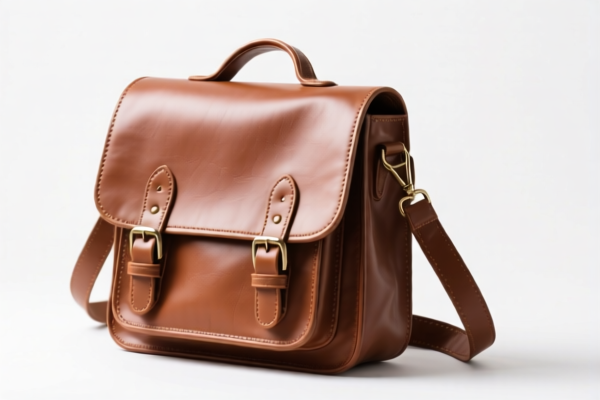
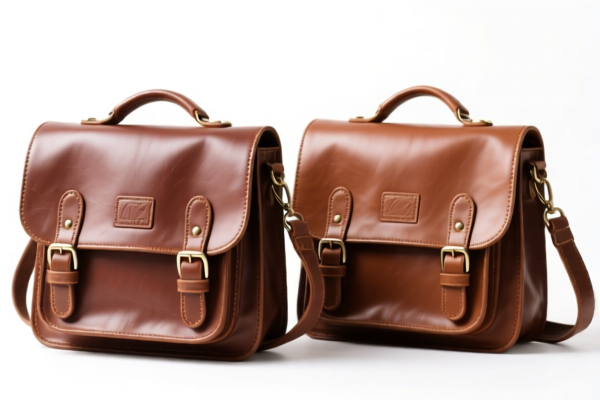
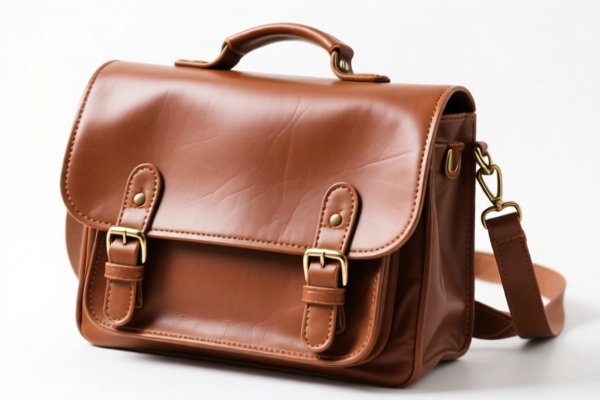
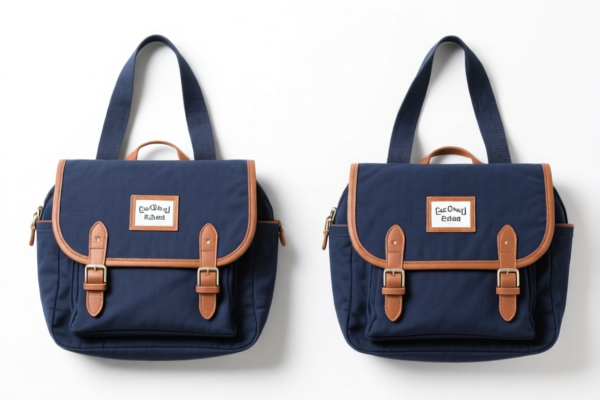
A Satchel is a type of bag typically worn over the shoulder or carried by a handle, often characterized by a flat or rectangular shape, a front flap, and a strap. In international trade, satchels are classified under Chapter 42 (Articles of Leather; Saddlery and Harness; Travel Goods, Handbag and similar containers) and Chapter 42 (Articles of Textile Materials) depending on their outer surface material and construction.
⚠️ Key Classification Criteria:
- Material Composition: Is the outer surface leather, synthetic leather, textile (fabric), or plastic?
- Function: Is it a handbag (carried by hand/strap) or a backpack (carried on back)?
- Target Market: USA (High tariffs apply to China-origin goods).
📦 II. HS Code Classification Breakdown (2026 Authorized Tariff对照)
Based on the provided data, here are the 5 specific HS Codes applicable to Satchels, along with their tax implications:
| HS Code | Material/Type Description | Outer Surface | Tax Logic |
|---|---|---|---|
| 4203.40.30.00 | Leather/Synthetic Leather Accessories | Leather or Synthetic Leather | Summary: "Handbags fall under clothing accessories/bags. May fit the "Other" catch-all category." |
| 4203.40.60.00 | Leather/Synthetic Leather Satchels | Leather or Synthetic Leather | Summary: "Satchel material likely contains leather or synthetic leather. Classified as leather/synthetic clothing accessories." |
| 4202.22.15.00 | Plastic/Textile Handbags | Plastic Sheets or Textile | Summary: "Satchel shape is a handbag type. Outer surface is likely plastic or textile." |
| 4202.22.81.00 | Textile Handbags (Catch-all) | Textile Materials | Summary: "Consistent with handbag shape. Outer surface textile. Fits the 'Other' catch-all category." |
| 4202.92.31.20 | Backpacks (Textile) | Textile or Synthetic Fiber | Summary: "Backpacks made of textile or synthetic fibers. Shape and usage match perfectly." |
🔍 Critical Distinction:
- Leather/Synthetic (4203.xx): Higher base duty (0% or 4.9%) but heavy Section 301 and 122 penalties.
- Textile/Plastic (4202.xx): Higher base duty (16-17.6%) but no Section 301 (0% or 25% depending on the specific code).
- Backpack vs. Satchel: If the bag is designed to be worn on the back, it must be classified under 4202.92.31.20, not as a satchel.
💰 III. 2026 Tariff Rate Analysis (USA + China Origin)
✅ Applicable Market: USA (US)
✅ Country of Origin: China (CN)
✅ Effective Time: Based on latest Section 301 & 122 Clause updates.
🎯 1. The "Leather" Category (4203.40.30.00 & 4203.40.60.00)
High Risk due to "301" Section 301 Add-on.
| Item | 4203.40.30.00 (General) | 4203.40.60.00 (Leather Focus) |
|---|---|---|
| Base Tariff | 4.9% | 0.0% |
| Section 301 Add-on | +25.0% | +25.0% |
| Clause 122 Add-on | +10.0% | +10.0% |
| Total Tax Rate | 39.9% | 35.0% |
| Calculation | CIF Value × 39.9% | CIF Value × 35.0% |
| Key Insight | Higher base duty makes it slightly more expensive. | Cheaper Base, but still heavy penalties. |
📌 Explanation:
- Section 301 (25%): A punitive tariff imposed on Chinese goods deemed to violate trade rules.
- Clause 122 (10%): Additional tariff on specific Chinese imports.
- Result: Even with a 0% base duty, the total landed cost includes 35% in taxes.
🎯 2. The "Textile/Plastic" Category (4202.22.15.00 & 4202.22.81.00)
Variable Risk: Some avoid 301, others face it.
| Item | 4202.22.15.00 (Plastic/Textile) | 4202.22.81.00 (Textile Catch-all) |
|---|---|---|
| Base Tariff | 16.0% | 17.6% |
| Section 301 Add-on | 0.0% ✅ | +25.0% ❌ |
| Clause 122 Add-on | +10.0% | +10.0% |
| Total Tax Rate | 26.0% | 52.6% |
| Calculation | CIF Value × 26.0% | CIF Value × 52.6% |
| Key Insight | Lowest Total Tax! No Section 301 penalty. | Highest Total Tax! 301 penalty applies. |
📌 Strategic Note:
- 4202.22.15.00 is the sweet spot for textile/plastic satchels (Total 26%).
- 4202.22.81.00 is a "trap" code for textile satchels (Total 52.6%).
- Crucial: The material composition must be exactly "Plastic Sheet" or specific "Textile" to avoid the 25% penalty.
🎯 3. The "Backpack" Category (4202.92.31.20)
High Base Duty + High Penalty.
| Item | 4202.92.31.20 (Textile Backpack) |
|---|---|
| Base Tariff | 17.6% |
| Section 301 Add-on | +25.0% |
| Clause 122 Add-on | +10.0% |
| Total Tax Rate | 52.6% |
| Calculation | CIF Value × 52.6% |
| Key Insight | If your "Satchel" is actually worn on the back, it hits the 52.6% ceiling. |
🛠️ IV. Customs Clearance Practical Advice (Avoiding Pitfalls)
✅ 1. Documentation Checklist (Must-Have)
| Document | Requirement | Why It Matters |
|---|---|---|
| Product Composition Report | ✔️ Critical | Must specify % of Leather vs. Textile vs. Plastic. A 1% leather error shifts you to 39.9% tax! |
| Material Safety Data Sheet (MSDS) | ✔️ | Required for synthetic materials. |
| Photos of Construction | ✔️ | Must clearly show flap, strap, zipper, and inner lining. |
| Commercial Invoice | ✔️ | Must use precise terms: "Synthetic Leather Satchel" or "Woven Canvas Handbag". |
| Packing List | ✔️ | Must match the HS Code logic (e.g., weight, quantity). |
✅ 2. Classification Strategy (The "Golden Rules")
🔥 Rule 1: "Material is King"
- If the bag is 100% Leather/Synthetic → Expect 35-40% tax.
- If the bag is Textile/Plastic → Aim for 4202.22.15.00 (26%) to avoid the 301 penalty.
- Do NOT use 4202.22.81.00 unless you are sure it fits the specific "Other" definition (it carries 52.6% tax).🔥 Rule 2: "Satchel vs. Backpack"
- If the bag has two straps and is worn on the back, it is 4202.92.31.20.
- Tax Trap: Many suppliers mislabel backpacks as "Satchels" to get lower rates. If Customs inspects and sees two straps, they will reclassify and charge 52.6% + penalties.🔥 Rule 3: "The 122 Clause"
- All codes listed above include the 10% Clause 122 tax. This is mandatory for most Chinese-origin bags. Do not assume it is waived.
✅ 3. Special Scenarios
| Scenario | Recommended Action |
|---|---|
| Mixed Material Bag (e.g., Leather flap + Textile body) | Declare based on principal material (outer surface). If leather flap dominates, risk 39.9%. |
| OEM Custom Design | Provide design sketches. If the shape is unique, it might fall under "Other" (4203.40.30.00). |
| Small Orders (<$800) | Check if De Minimis (Section 321) applies. Note: High tariffs often bypass de minimis if not carefully declared. |
| High Risk of Audit | Get a Pre-Classification Ruling (Binding Ruling) from CBP before shipping. |
🌍 V. Global Market Comparison (2026 Context)
| Market | HS Code | Total Tax (China Origin) | Key Risk |
|---|---|---|---|
| 🇺🇸 USA | 4202.22.15.00 | 26.0% | Lowest (No 301) |
| 🇺🇸 USA | 4203.40.60.00 | 35.0% | Medium (Base 0%, but 301+122) |
| 🇺🇸 USA | 4202.22.81.00 | 52.6% | Highest (301 Penalty) |
| 🇪🇺 EU | 4202.22.15.00 | ~3-5% | No Section 301, but VAT applies. |
| 🇨🇳 China | 4202.22.15.00 | 0% | Domestic import, no export tax. |
📌 Conclusion:
- The USA is the only market imposing the Section 301 (25%) + 122 (10%) combination on Chinese bags.
- Strategy: If possible, source or assemble Textile/Plastic bags (Code 4202.22.15.00) to achieve the 26% rate. Avoid Leather if you want to minimize base duty, but be aware of the 39.9% total.
- Avoid the 52.6% rate at all costs (Codes 4202.22.81.00 & 4202.92.31.20).
📌 VI. Common Mistakes & Pitfalls (Learn from Others' Pain)
❌ Mistake 1: Misclassifying "Backpacks" as "Satchels"
👉 Consequence: Customs detects 2 straps → Re-classify to 4202.92.31.20 → 52.6% tax + fines.
✅ Fix: Use "Backpack" in description if worn on back.
❌ Mistake 2: Declaring "Textile" but using "Leather-like" Material
👉 Consequence: Customs tests material → Finds Synthetic Leather → Re-classify to 4203.40.60.00 → 35% tax.
✅ Fix: Be honest about material composition. Use "Synthetic Leather" if it is.
❌ Mistake 3: Choosing the "Catch-all" Code (4202.22.81.00)
👉 Consequence: Unnecessary 25% Section 301 penalty.
✅ Fix: Only use 4202.22.81.00 if the material is specifically textile and cannot fit 4202.22.15.00.
❌ Mistake 4: Ignoring Clause 122
👉 Consequence: Assuming only 25% tax → Short paying 10% → Audit later.
✅ Fix: Always calculate Base + 301 + 122.
🎯 VII. Conclusion: Smart Classification = Higher Profit
🔹 "Material Dictates Rate: Leather = ~35%, Plastic/Textile = ~26% (Best)"
🔹 "Backpacks = 52.6%, Satchels = 26-40%, Avoid 52.6% at all costs!"
🔹 "Don't Guess: Get a Pre-Classification Ruling for your specific satchel design."
📌 Pro Tip:
If you are importing Textile Satchels, prioritize 4202.22.15.00. This code offers the lowest total tax (26%) in the USA for China-origin goods because it avoids the 25% Section 301 penalty.
For Leather Satchels, the total tax is fixed at 35-40%, so focus on reducing the CIF value (e.g., via freight optimization).
📣 Immediate Action Required:
📞 Contact your Customs Broker: Provide photos and material breakdown.
🚀 Apply for Pre-Ruling: Save thousands in potential penalties.
✨ Your Bottom Line: Precise classification is the difference between 26% tax and 52.6% tax!
✨ Professional Customs Clearance Starts with the Right HS Code!
💼 Every percentage point counts in your profit margin!
Customer Reviews
About HS Code Classification
The Harmonized System (HS) is an internationally standardized nomenclature developed by the World Customs Organization (WCO) to classify traded products. Over 200 countries use the HS system as the basis for customs tariffs, trade statistics, and import/export regulations.
Each HS code follows a hierarchical structure:
- Chapter (2 digits) — Broad category of goods (e.g., Chapter 84: Machinery and Mechanical Appliances)
- Heading (4 digits) — More specific grouping within the chapter
- Subheading (6 digits) — Internationally standardized breakdown, used by all WCO member countries
- National subdivisions (8-10 digits) — Country-specific extensions for further classification, such as US HTSUS 10-digit codes
Correct HS code classification is essential for smooth customs clearance, accurate duty payment, and compliance with trade regulations. Misclassification can lead to customs delays, overpayment of duties, or penalties.
When importing from CN to US, the applicable tariff rates may include:
- Most-Favored-Nation (MFN) rate — The standard duty rate applied to WTO members
- General rate — Applied to countries without trade agreements
- Trade remedy duties — Additional tariffs such as Section 301 (anti-dumping), Section 232 (national security), or countervailing duties
The information provided on this page is for reference purposes only. For official classification, please consult with your local customs authority or a licensed customs broker.