Satin Lining Fabric
CN → US| HS Code | Tariff Rate | Origin | Destination | Doc |
|---|---|---|---|---|
| 5408210030 | 49.9% | CN | US | Official Doc |
| 5407810040 | 49.9% | CN | US | Official Doc |
| 5208192020 | 42.9% | CN | US | Official Doc |
| 5208192090 | 42.9% | CN | US | Official Doc |
| 5407912090 | 49.9% | CN | US | Official Doc |
Product Images
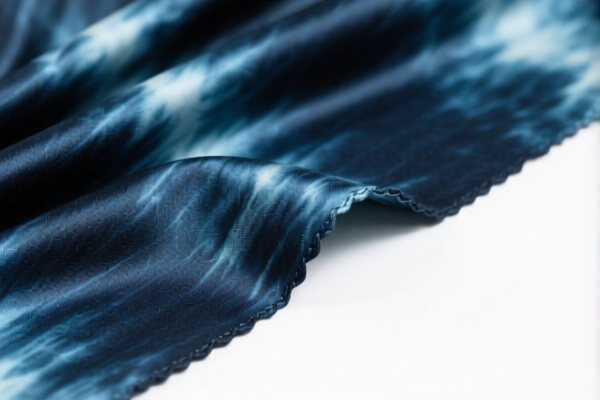
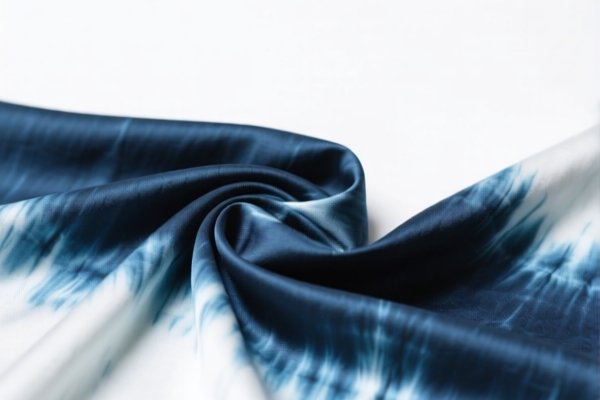


AI Analysis
🧵 Satin Lining Fabric: HS Code Guide & Customs Clearance Strategy
🌐 HS Code Reference & Clearance Guide | 2026 Latest Tariff Analysis | Professional Clearance Strategy
📌 I. Product Definition & Classification: Do You Really Understand "Satin Lining"?
Satin lining fabric is a key auxiliary material used in the garment industry, primarily serving the function of lining inside suits, dresses, coats, and high-end accessories. In international trade, its classification depends strictly on fiber content and weave structure, not just the visual "satin" appearance.
Key Distinctions: * Synthetic Fiber (Man-made Filament/Yarn): If the fabric is made from polyester, nylon, or other synthetic long filaments, it falls under Chapter 54. * Cotton Blends: If the fabric is a mix of synthetic fibers and cotton, it falls under Chapter 54 but specific to blended goods. * Pure Cotton: If the fabric is 100% cotton (even if woven in a satin structure), it falls under Chapter 52.
⚠️ Critical Classification Point:
- Do NOT classify by "Lining" alone. Customs look at the material composition.
- Synthetic Filament → Chapter 54 (e.g.,5408,5407)
- Cotton → Chapter 52 (e.g.,5208)
- Unbleached State: The data specifies these are unbleached (gray state), which is crucial for accurate duty calculation.
📦 II. HS Code Classification Details (2026 Latest Tariff Authority对照)
| HS Code | Product Description | Material Composition | Weave/State |
|---|---|---|---|
5408.21.00.30 |
Unbleached Satin Lining, Man-made Filament | 100% Synthetic Long Filament (e.g., Polyester/Nylon) | Woven, Unbleached |
5407.81.00.40 |
Unbleached Satin Lining, Blended Fabric | Synthetic Fiber + Cotton Blend | Satin Weave, Unbleached |
5208.19.20.20 |
Unbleached Satin Lining, 100% Cotton | 100% Cotton | Satin Weave, Unbleached |
5208.19.20.90 |
Unbleached Satin Lining, Cotton-based | Cotton-based Fabric | Satin Weave, Unbleached |
5407.91.20.90 |
Lining Fabric, Synthetic Filament | Synthetic Fiber Filament Fabric | General Woven, Unbleached |
🔍 Important Note:
-5408vs5407:5408typically covers woven fabrics of man-made filaments that are other than those of heading 5407.5407covers woven fabrics of synthetic filaments. The specific subheadings distinguish the exact blend or type.
-5208: Strictly for cotton woven fabrics. If your "satin lining" is polyester but looks like satin, it cannot go here.
-5407.91: A broader category for synthetic filament woven fabrics not specified elsewhere.
💰 III. 2026 Latest Tariff Rate Breakdown (Including Surcharges & Policy Add-ons)
✅ Applicable Country: United States (US)
✅ Origin: China (CN)
✅ Effective Date: 2025/2026 (Current Trade War Context)
🎯 1. Synthetic Filament Satin Lining (5408.21.00.30)
| Item | Detail |
|---|---|
| Base Tariff | 14.9% (Standard MFN rate) |
| Section 301 Surcharge | +25.0% |
| Section 122 Tariff | +10.0% (Specific to certain textile categories under recent executive actions) |
| Total Tax Rate | 49.9% |
| Calculation Basis | CIF Value × 49.9% |
| De Minimis Exemption | ❌ Not Eligible (Deny de minimis for China-origin textiles under Section 301) |
| Legal Basis | HTSUS:5408.21.00 → USITC Footnote 9903.88.01 → IEEPA:9903.01.25 |
📌 Explanation:
- The 25% is the standard Section 301 tariff for Chinese textiles/synthetics.
- The 10% is an additional surcharge (Section 122) targeting specific synthetic filament fabrics.
- Total 49.9% makes this category extremely expensive. Cost-saving strategies are essential.
🎯 2. Blended Synthetic-Cotton Satin Lining (5407.81.00.40)
| Item | Detail |
|---|---|
| Base Tariff | 14.9% |
| Section 301 Surcharge | +25.0% |
| Section 122 Tariff | +10.0% |
| Total Tax Rate | 49.9% |
| Calculation Basis | CIF Value × 49.9% |
| De Minimis Exemption | ❌ Not Eligible |
| Legal Basis | HTSUS:5407.81.00 → USITC Footnote 9903.88.01 → IEEPA:9903.01.25 |
📌 Note:
- Even with cotton content, if the primary fiber is synthetic filament (Chapter 54), it bears the same high tariffs as pure synthetic.
- Do not assume blending reduces the Section 301 liability automatically.
🎯 3. 100% Cotton Satin Lining (5208.19.20.20 & 5208.19.20.90)
| Item | Detail |
|---|---|
| Base Tariff | 7.9% |
| Section 301 Surcharge | +25.0% |
| Section 122 Tariff | +10.0% |
| Total Tax Rate | 42.9% |
| Calculation Basis | CIF Value × 42.9% |
| De Minimis Exemption | ❌ Not Eligible |
| Legal Basis | HTSUS:5208.19.20 → USITC Footnote 9903.88.01 → IEEPA:9903.01.25 |
📌 Comparison:
- Cotton lining is 7.0% cheaper in total duty than synthetic lining.
- If your brand allows, switching to 100% Cotton Satin (if durability permits) can save significant costs.
🎯 4. Other Synthetic Filament Lining (5407.91.20.90)
| Item | Detail |
|---|---|
| Base Tariff | 14.9% |
| Section 301 Surcharge | +25.0% |
| Section 122 Tariff | +10.0% |
| Total Tax Rate | 49.9% |
| Calculation Basis | CIF Value × 49.9% |
| De Minimis Exemption | ❌ Not Eligible |
| Legal Basis | HTSUS:5407.91.20 → USITC Footnote 9903.88.01 → IEEPA:9903.01.25 |
📌 Note:
- This code is for synthetic filaments not specified in the more specific5408or5407subheadings. Ensure your specific blend/structure doesn't fit the more precise codes first.
🛠️ IV. Customs Clearance Practical Advice (Real-World Pitfall Guide)
✅ 1. Preparation Checklist (Non-negotiable)
| Document | Required? | Notes |
|---|---|---|
| ✅ Fabric Composition Certificate | ✔️ | Must specify exact fiber content (e.g., "100% Polyester" vs "65% Polyester/35% Cotton"). |
| ✅ Weave Structure Description | ✔️ | Confirm "Satin Weave" and "Unbleached (Gray State)". |
| ✅ Commercial Invoice | ✔️ | Clearly state "Satin Lining Fabric, Unbleached" and HS Code. |
| ✅ Packing List | ✔️ | Include weight, yardage/meters, and roll dimensions. |
| ✅ Photos of Fabric | ✔️ | Show texture, edge, and label to prove "unbleached" status. |
🔥 Key Tip:
- Do NOT simply list "Lining Fabric." Use the exact material description.
- Do NOT claim "De Minimis" (<$800) for Chinese-origin satin lining. Customs have strict rules denying this for textiles under Section 301.
✅ 2. Declaration Strategy (Crucial Keywords)
| Scenario | Correct Declaration | Incorrect Declaration |
|---|---|---|
| Polyester Satin | "Unbleached Satin Lining, 100% Polyester Filament, Woven" | "Satin Lining" |
| Cotton Satin | "Unbleached Satin Lining, 100% Cotton, Woven" | "Cotton Lining Fabric" |
| Blended | "Unbleached Satin Lining, Synthetic/Cotton Blend, Woven" | "Mixed Fabric Lining" |
📌 Why it matters:
- Vague descriptions lead to Customs Audits and Re-classification, which can result in higher duties and penalties.
- Explicitly stating "Unbleached" is critical, as bleached/dyed fabrics may have different base rates or additional environmental regulations.
✅ 3. Special Case Handling
| Case | Advice |
|---|---|
| OEM Custom Colors | If unbleached gray fabric is dyed domestically after import, declare as "Unbleached" to avoid higher base rates for dyed goods (if applicable). |
| Sample Shipments | Even small samples (<$800) from China are NOT exempt from Section 301 tariffs. Plan for full duty payment. |
| Transshipment | Do not route through third countries (e.g., Vietnam) without substantial transformation. Customs tracks origin closely. |
🌍 V. Global Market Comparison (2026)
| Country/Region | Recommended HS Code | Total Tax (China Origin) | Key Requirements |
|---|---|---|---|
| 🇺🇸 USA | 5408.21.00.30 / 5208.19.20.20 |
49.9% (Synthetic) 42.9% (Cotton) |
Section 301 + 122 Tariffs Apply. No De Minimis. |
| 🇨🇳 China | 5408 / 5208 |
7% - 14.9% | Import VAT 13% applies. No Section 301. |
| 🇪🇺 EU | 5408 / 5208 |
0% - 8% | No Section 301. CBAM may apply if carbon-intensive. |
| 🇬🇧 UK | 5408 / 5208 |
0% - 8% | Post-Brexit tariffs apply. No Section 301. |
📌 Conclusion:
- USA is the most expensive market due to Section 301 + 122 combined tariffs.
- EU/UK are significantly cheaper but require strict compliance with REACH (chemical restrictions) for dyes/finishers.
📌 VI. Common Mistakes & Pitfalls (Lessons Learned)
❌ Mistake 1: Declaring "Satin Lining" without specifying fiber content.
👉 Result: Customs assigns default high rate (often 25%+ base) and audits.
❌ Mistake 2: Claiming De Minimis for <$800 shipments from China.
👉 Result: 100% Duty Assessment + Penalty. The "De Minimis" exemption is blocked for Chinese textiles under Section 301.
❌ Mistake 3: Confusing "Unbleached" with "Dyed".
👉 Result: Unbleached has a lower base rate (7.9%-14.9%). If you declare dyed but ship unbleached, you face fraud charges. If you declare unbleached but ship dyed, you face base rate adjustments.
✅ Correct Practice:
"Satin Lining Fabric, Unbleached, 100% Polyester Filament, Woven, Gray State, Model XYZ, Certified by [Lab Name]"
🎯 VII. Conclusion: Professional Declaration, Cost Efficiency!
🎯 Remember the Mantra:
🔹 "Fiber Defines Code, Section 301 Kills Profit, Unbleached is Cheaper, De Minimis is a Trap!"
🔹 "Cotton Lining Saves 7%, Synthetic Lining Costs 49.9% - Choose Wisely!"
📌 Pro Tip:
If your supplier can switch to 100% Cotton satin lining, you save 7.0% in total tariffs. If not, consider pre-paid duty models or bonded warehouses if applicable.
Always obtain a Pre-Ruling (Binding Tariff Information) from US CBP for high-volume shipments to ensure HS Code accuracy.
📣 Immediate Action:
📞 Contact Your Customs Broker: Provide fabric swatches + composition certificate.
🚀 Apply for HS Code Pre-Ruling: Avoid clearance delays and ensure you pay the correct 49.9% or 42.9%, not more.
✨ Professional Clearance Starts with Accurate Classification!
💼 Every Percent of Duty Counts in the Textile Trade!
Customer Reviews
About HS Code Classification
The Harmonized System (HS) is an internationally standardized nomenclature developed by the World Customs Organization (WCO) to classify traded products. Over 200 countries use the HS system as the basis for customs tariffs, trade statistics, and import/export regulations.
Each HS code follows a hierarchical structure:
- Chapter (2 digits) — Broad category of goods (e.g., Chapter 84: Machinery and Mechanical Appliances)
- Heading (4 digits) — More specific grouping within the chapter
- Subheading (6 digits) — Internationally standardized breakdown, used by all WCO member countries
- National subdivisions (8-10 digits) — Country-specific extensions for further classification, such as US HTSUS 10-digit codes
Correct HS code classification is essential for smooth customs clearance, accurate duty payment, and compliance with trade regulations. Misclassification can lead to customs delays, overpayment of duties, or penalties.
When importing from CN to US, the applicable tariff rates may include:
- Most-Favored-Nation (MFN) rate — The standard duty rate applied to WTO members
- General rate — Applied to countries without trade agreements
- Trade remedy duties — Additional tariffs such as Section 301 (anti-dumping), Section 232 (national security), or countervailing duties
The information provided on this page is for reference purposes only. For official classification, please consult with your local customs authority or a licensed customs broker.