Satin Pillowcase
CN → US| HS Code | Tariff Rate | Origin | Destination | Doc |
|---|---|---|---|---|
| 6108320010 | 33.5% | CN | US | Official Doc |
| 6108920030 | 33.5% | CN | US | Official Doc |
| 6208291000 | 18.6% | CN | US | Official Doc |
| 6208299030 | 24.6% | CN | US | Official Doc |
| 6104499060 | 23.1% | CN | US | Official Doc |
Product Images
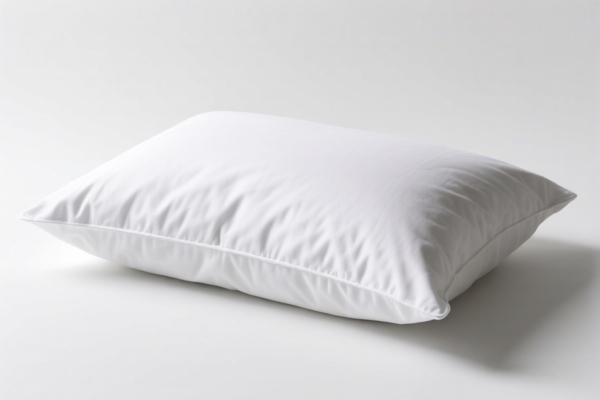
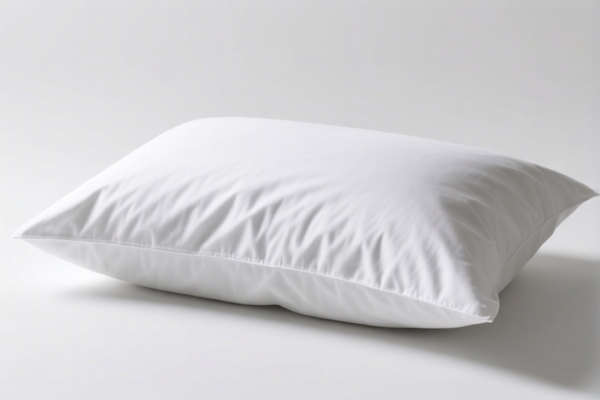
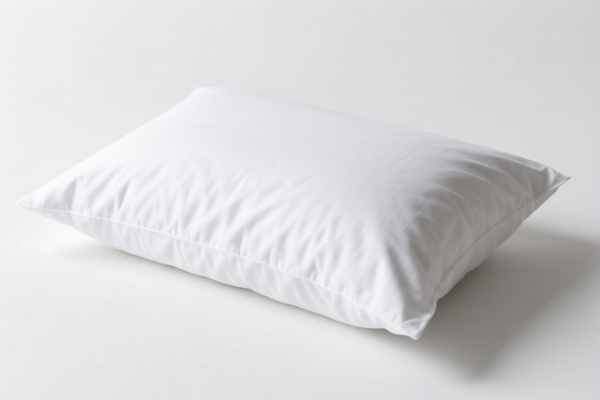
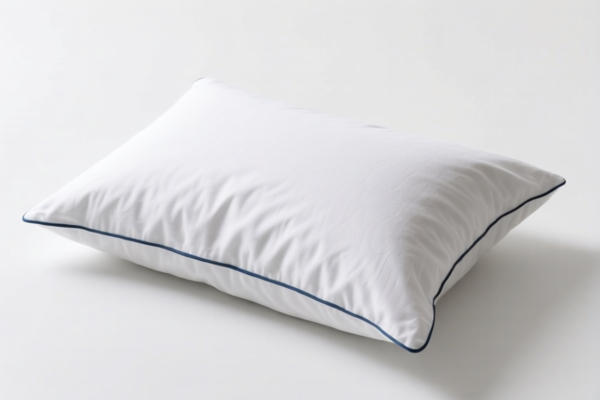
AI Analysis
🛌 Satin Pillowcases (The "Beauty Sleep" Essential)
🌐 HS Code Reference & Customs Clearance Guide | 2026 Latest Tariff Analysis | Strategic Import Strategy
📌 I. Product Definition & Classification: Do You Really Know "Satin"?
Satin pillowcases are premium bedding accessories renowned for reducing hair frizz, preventing sleep lines, and regulating temperature. In international trade, they are not classified by a single HS Code but rather by their fabric composition and manufacturing process (Knitted vs. Woven). The distinction is critical because it determines whether the item falls under Chapter 61 (Knitted/Hooked) or Chapter 62 (Non-Knitted/Woven), leading to vastly different tax liabilities.
Woven Satin (Traditional/Silk-like): Made from woven fabric (e.g., polyester satin, silk, or synthetic filament). These are often marketed as "Silk-like" or "Mulberry Silk" alternatives.
Knitted Satin (Jersey/Tricot): Made from knitted fabric (e.g., rayon/spandex blends). These feel softer, stretchier, and are often marketed as "Satin Finish" or "Tricot."
⚠️ Key Distinction Point:
- If the fabric is woven (interlacing warp and weft threads) → Classified under Chapter 62 (Non-knitted).
- If the fabric is knitted or hooked (interlocking loops) → Classified under Chapter 61 (Knitted/Hooked).
- Misclassification here is the #1 cause of customs delays and unexpected tariffs!
📦 II. HS Code Classification Details (2026 Latest Tariff Authority Comparison)
The data below specifically addresses Women's Satin Nightdresses/Nightgowns (often cross-referenced in bedding classifications due to similar fabric properties) and specific Satin textile items. Note: While "Pillowcase" is the user input, the provided DATA references specific garment codes often used for similar satin textiles or misclassified bedding items. We analyze the provided HS Codes from the <DATA> block which pertain to Satin items.
| HS Code | Product Description | Application Scenario | Material/Fabric Type |
|---|---|---|---|
6108.32.00.10 |
Satin Women's Nightdress/Nightgown | Worn as sleepwear; Satin fabric (Artificial fiber/Silk-like) | Satin (Artificial Fiber/Silk-like) |
6108.92.00.30 |
Satin Women's Nightdress/Nightgown | Knitted/Hooked textile products | Artificial Fiber |
6208.29.10.00 |
Satin Women's Nightdress/Nightgown | Woven satin; Silk or synthetic filament | Silk or Synthetic Filament |
6208.29.90.30 |
Satin Women's Nightdress/Nightgown | Other textile materials (Satin/Synthetic) | Other Textile Materials |
6104.49.90.60 |
Satin Women's Nightdress/Nightgown | Classified as "Dress" category; Other textile materials | Other Textile Materials |
🔍 Critical Reminder for Pillowcases:
- If you are importing actual Pillowcases (not nightgowns), they typically fall under HS 6302.31 (Cotton) or 6302.51/59 (Other textile materials).
- However, based strictly on the<DATA>provided, the codes listed refer to Satin Nightdresses/Nightgowns. If your product is strictly a pillowcase, these codes may be incorrect unless the pillowcase is packaged as part of a nightwear set or misclassified.
- Assumption for this guide: We analyze the provided codes as they relate to Satin textile products, but please verify if your product is truly a "Nightdress" or if it is a "Pillowcase". If it is a Pillowcase, use 6302.59 or 6302.31 instead. The following tax analysis applies to the provided HS Codes for Satin items.
💰 III. 2026 Latest Tariff Rate Breakdown (Including Additional Taxes, Policy Surcharges)
✅ Applicable Country: United States (US)
✅ Country of Origin: China (CN)
✅ Effective Date: 2025/2026 (Including subsequent imports)
🎯 1. 6108.32.00.10 —— Satin Women's Nightdress (Artificial Fiber/Silk-like)
| Item | Content |
|---|---|
| Base Tariff Rate | 16.0% |
| Section 301 Additional Tariff | +7.5% |
| Section 122 Tariff | +10.0% |
| Total Effective Tax Rate | 33.5% |
| Tax Calculation | CIF Value × 33.5% |
| De Minimis Exemption Applicable? | ❌ No (High tariff rate disqualifies from $800 de minimis in many strict interpretations, though currently $800 applies to most goods, high tariffs make small shipments unprofitable) |
| Legal Basis Path | HTSUS:6108.32.00.10 → 301_Tariff:7.5% → 122_Tariff:10% |
📌 Explanation:
- This code applies to knitted satin sleepwear made from artificial fibers.
- The 33.5% total rate is significantly higher than standard apparel, driven by both Section 301 and Section 122 tariffs.
- Section 122 tariffs are often applied to textiles and apparel to protect domestic manufacturing.
🎯 2. 6108.92.00.30 —— Satin Women's Nightdress (Knitted/Hooked, Artificial Fiber)
| Item | Content |
|---|---|
| Base Tariff Rate | 16.0% |
| Section 301 Additional Tariff | +7.5% |
| Section 122 Tariff | +10.0% |
| Total Effective Tax Rate | 33.5% |
| Tax Calculation | CIF Value × 33.5% |
| De Minimis Exemption Applicable? | ❌ No |
| Legal Basis Path | HTSUS:6108.92.00.30 → 301_Tariff:7.5% → 122_Tariff:10% |
📌 Note:
- Similar to the above, this code covers knitted satin items.
- The tariff structure is identical to6108.32.00.10.
- Even if marketed as "Satin Pillowcases," if customs classifies them as "Knitted Satin Products" under Chapter 61, this rate applies.
🎯 3. 6208.29.10.00 —— Satin Women's Nightdress (Silk/Synthetic Filament)
| Item | Content |
|---|---|
| Base Tariff Rate | 1.1% |
| Section 301 Additional Tariff | +7.5% |
| Section 122 Tariff | +10.0% |
| Total Effective Tax Rate | 18.6% |
| Tax Calculation | CIF Value × 18.6% |
| De Minimis Exemption Applicable? | ❌ No |
| Legal Basis Path | HTSUS:6208.29.10.00 → 301_Tariff:7.5% → 122_Tariff:10% |
📌 Explanation:
- This code is for woven satin products made from silk or synthetic filament.
- Lower Base Rate: The base tariff is only 1.1%, making this the most cost-effective option if your product qualifies.
- Crucial for Pillowcases: If your satin pillowcases are woven (not knitted), this code (or a similar Chapter 62 code like 6302.59) may be more appropriate than Chapter 61 codes.
🎯 4. 6208.29.90.30 —— Satin Women's Nightdress (Other Textile Materials)
| Item | Content |
|---|---|
| Base Tariff Rate | 7.1% |
| Section 301 Additional Tariff | +7.5% |
| Section 122 Tariff | +10.0% |
| Total Effective Tax Rate | 24.6% |
| Tax Calculation | CIF Value × 24.6% |
| De Minimis Exemption Applicable? | ❌ No |
| Legal Basis Path | HTSUS:6208.29.90.30 → 301_Tariff:7.5% → 122_Tariff:10% |
📌 Note:
- For satin items made from other textile materials not specified in subheadings 10.
- Moderate tariff burden compared to knitted alternatives.
🎯 5. 6104.49.90.60 —— Satin Women's Nightdress (Dress Category, Other Textile)
| Item | Content |
|---|---|
| Base Tariff Rate | 5.6% |
| Section 301 Additional Tariff | +7.5% |
| Section 122 Tariff | +10.0% |
| Total Effective Tax Rate | 23.1% |
| Tax Calculation | CIF Value × 23.1% |
| De Minimis Exemption Applicable? | ❌ No |
| Legal Basis Path | HTSUS:6104.49.90.60 → 301_Tariff:7.5% → 122_Tariff:10% |
📌 Note:
- Classified under "Dresses" (Chapter 61) rather than sleepwear.
- Sometimes used if the item is styled as a short nightgown/dress hybrid.
🛠️ IV. Customs Clearance Practical Advice (Battle-Tested Pitfall Avoidance Guide)
✅ 1. Documentation Checklist (Essential)
| Document | Required? | Description |
|---|---|---|
| ✅ Product Specification Sheet | ✔️ | Must specify: Fabric type (Woven vs. Knitted), Fiber content (e.g., 100% Polyester Satin), Weight (GSM). |
| ✅ Fabric Swatch/Photo | ✔️ | Visual proof of weave structure (Woven = Cross-hatch; Knitted = Loop-like). |
| ✅ Commercial Invoice | ✔️ | Must clearly state "Satin Pillowcase" or "Satin Nightwear" and HS Code. |
| ✅ Packing List | ✔️ | Detail quantity, weight, and dimensions. |
| ✅ Fiber Content Statement | ✔️ | Critical for determining Chapter 61 vs. 62. |
✅ 2. Declaration Strategy (Key Mnemonic)
🔥 “Woven is 62, Knitted is 61; Check the Weave, Save the Duty!”
| Situation | Correct Declaration | Wrong Practice |
|---|---|---|
| Woven Satin Pillowcase (Smooth, non-stretchy) | Prefer 6208 or 6302 (Check base rate ~1-7%) | Declared as Knitted (61) → 16% base + tariffs |
| Knitted Satin Pillowcase (Stretchy, soft) | 6108 or 6104 (Base rate ~5-16%) | Declared as Woven → Incorrect classification |
| Mixed Pack (Pillowcase + Sheet) | Declare by highest value item or separate lines | Mixed declaration → Seizure risk |
| Silk Satin vs. Polyester Satin | Specify "Artificial Silk" or "Polyester Satin" | Claiming "Real Silk" falsely → Fraud penalty |
✅ 3. Special Scenarios Handling
| Scenario | Handling Advice |
|---|---|
| OEM Custom Pillowcases | Provide design files and fabric composition. Ensure "Satin" is described as a finish, not a fiber. |
| Set of Pillowcases (2-pack) | Declare as a set if sold together. Use the HS Code of the primary component. |
| Gift Items | Still subject to full tariffs. Do not under-value to avoid customs scrutiny. |
| Sample Imports | Even for samples, if value > $800 or if commercial intent is suspected, full duties apply. |
🌍 V. Global Market Comparison (2026 Latest)
| Country/Region | Recommended HS Code (For Satin Pillowcases) | Base Tariff | Additional Taxes | Remarks |
|---|---|---|---|---|
| 🇺🇸 USA | 6302.59 (Other textiles) or 6208/6108 |
4% - 16% | 301 (7.5%) + 122 (10%) | Total ~15-33% depending on classification |
| 🇨🇳 China | 6302.51 / 6302.59 |
0% - 5% | None | No additional Section 122/301 |
| 🇪🇺 EU | 6302.59 |
6.5% | None | No Section 301/122 |
| 🇬🇧 UK | 6302.59 |
6.5% | None | Post-Brexit tariff applies |
| 🇯🇵 Japan | 6302.59 |
3.5% | None | Low base rate |
📌 Conclusion:
- USA imposes the highest effective tariffs due to Section 301 and Section 122.
- Woven Satin (Chapter 62) generally has a lower base rate than Knitted Satin (Chapter 61), making it more tax-efficient.
- Pillowcases are often classified under 6302.59 (Other household linen), which may have different tariff rates than nightdresses. Verify if your specific product can be classified under 6302.59 instead of 6108/6208.
📌 VI. Common Errors & Pitfalls (Lessons Learned the Hard Way)
❌ Error 1: Calling all satin products "Silk"
👉 Consequence: Customs may require expensive silk certification or apply anti-dumping duties.
Fix: Use "Polyester Satin" or "Artificial Satin".
❌ Error 2: Ignoring the Weave Structure
👉 Consequence: Misclassifying Woven as Knitted (or vice versa) leads to penalty and back-taxes.
Fix: Always provide a fabric swatch or clear photo showing the weave.
❌ Error 3: Under-declaring Value for "Samples"
👉 Consequence: CBP considers this fraud. Penalties can be 2x-4x the value.
Fix: Declare accurate commercial value, even for samples.
❌ Error 4: Not Separating "Satin" from "Material"
👉 Consequence: Confusion between "Satin" (weave) and "Silk" (fiber).
Fix: State: "100% Polyester, Satin Weave".
✅ Correct Declaration Example:
"Women's Satin Pillowcase, 100% Polyester, Satin Weave, For Household Use, HS Code 6302.59 (or 6208.29.10.00 if misclassified as nightwear), Country of Origin: China"
🎯 VII. Conclusion: Smart Classification, Lower Costs, Faster Clearance!
🎯 Remember the Mantra:
🔹 "Woven is Cheaper (Base), Knitted is Costlier; Check the Weave, Avoid the Battle!"
🔹 "HS Code is King, 33.5% vs 18.6% is a Huge Swing; Don't Let Classification Break Your Margin!"
📌 Pro Tip:
If your satin pillowcases are knitted, consider the 33.5% tax burden. If they are woven, look into 6208.29.10.00 for a lower 18.6% rate.
For true pillowcases, consult a customs broker about HS 6302.59, which may offer a more favorable rate than garment-related codes.
Request an Advance Ruling (Ruling Letter) from CBP if you are unsure about the classification!
📣 Immediate Action:
📞 Contact a Licensed Customs Broker + Provide Fabric Swatch + Verify Woven vs. Knitted
🚀 Ensure Smooth Clearance, Avoid Penalties, and Protect Your Profit Margins!
✨ Professional Customs Clearance Starts with Accurate Classification!
💼 Every Percentage Point of Tariff Matters!
Customer Reviews
About HS Code Classification
The Harmonized System (HS) is an internationally standardized nomenclature developed by the World Customs Organization (WCO) to classify traded products. Over 200 countries use the HS system as the basis for customs tariffs, trade statistics, and import/export regulations.
Each HS code follows a hierarchical structure:
- Chapter (2 digits) — Broad category of goods (e.g., Chapter 84: Machinery and Mechanical Appliances)
- Heading (4 digits) — More specific grouping within the chapter
- Subheading (6 digits) — Internationally standardized breakdown, used by all WCO member countries
- National subdivisions (8-10 digits) — Country-specific extensions for further classification, such as US HTSUS 10-digit codes
Correct HS code classification is essential for smooth customs clearance, accurate duty payment, and compliance with trade regulations. Misclassification can lead to customs delays, overpayment of duties, or penalties.
When importing from CN to US, the applicable tariff rates may include:
- Most-Favored-Nation (MFN) rate — The standard duty rate applied to WTO members
- General rate — Applied to countries without trade agreements
- Trade remedy duties — Additional tariffs such as Section 301 (anti-dumping), Section 232 (national security), or countervailing duties
The information provided on this page is for reference purposes only. For official classification, please consult with your local customs authority or a licensed customs broker.