Satin Printed Dyed Fabric
CN → US| HS Code | Tariff Rate | Origin | Destination | Doc |
|---|---|---|---|---|
| 5408329050 | 50.0% | CN | US | Official Doc |
| 5408339050 | 47.0% | CN | US | Official Doc |
| 5407810040 | 49.9% | CN | US | Official Doc |
| 5407820040 | 49.9% | CN | US | Official Doc |
| 6006901000 | 42.0% | CN | US | Official Doc |
Product Images
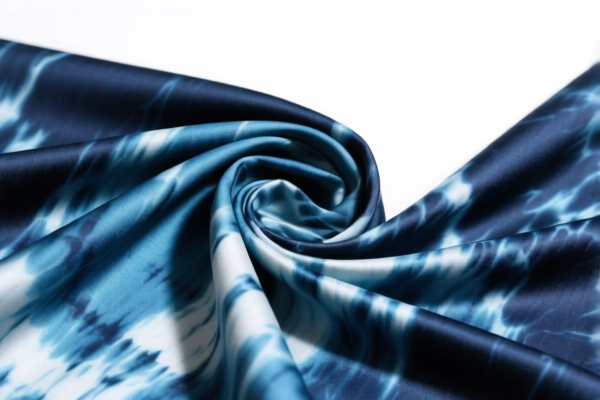
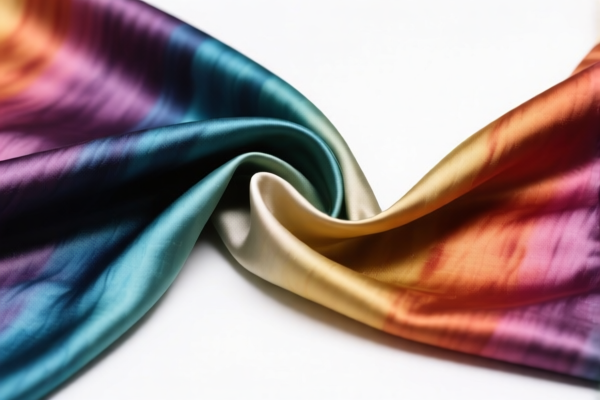
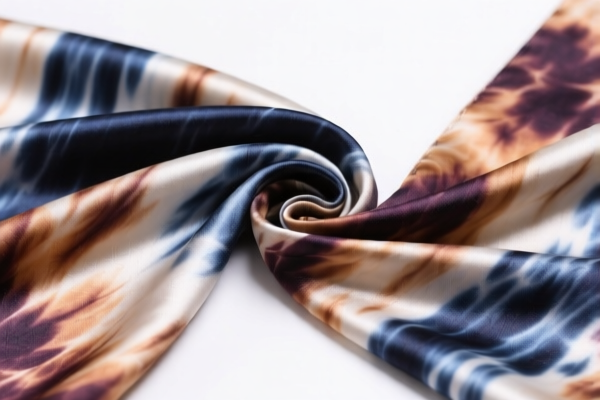

AI Analysis
🧵 Satin Printed Dyed Fabric (色丁面料)
🌐 HS Code Reference & Customs Clearance Guide | 2026 Latest Tariff Analysis | Professional Entry Strategy
📌 I. Product Definition & Classification: Do You Really Know "Satin Fabric"?
Satin is not a fiber, but a weave structure (Satin Weave) characterized by a smooth, glossy surface and a dull back. In international trade, "Satin Printed Dyed Fabric" falls under Chapter 54 (Man-Made Filaments) or Chapter 60 (Knitted/Crocheted Fabrics), depending on the fiber content and production method.
The classification depends strictly on three factors: 1. Fiber Material: Synthetic (Polyester/Nylon) vs. Artificial (Viscose/Rayon) vs. Blends. 2. Weave Type: Woven (traditional satin) vs. Knitted (satin knit). 3. Structure: Pure filament vs. Blended with other fibers (e.g., Cotton).
⚠️ Key Distinction Point:
- Pure Artificial Filament Satin (e.g., Viscose Satin) → 5408 Series
- Synthetic/Acrylic Blended Satin (e.g., Poly-Cotton Satin) → 5407 Series
- Knitted Satin (Any fiber) → 6006 Series
📦 II. HS Code Classification Details (2026 Latest Tariff Authority Comparison)
Based on the provided data, here is the breakdown for Satin Printed Dyed Fabric:
| HS Code | Product Description | Application Scenario | Fiber Composition |
|---|---|---|---|
5408.32.90.50 |
Satin Fabric, Satin Weave, Man-Made Filament Fabric | High-end apparel, linings, artificial silk dresses | ✅ 100% Artificial Filament (e.g., Viscose/Rayon) |
5408.33.90.50 |
Satin Fabric, Satin Weave, Man-Made Filament Fabric | Similar to above, but different sub-category classification | ✅ 100% Artificial Filament (Different Sub-heading) |
5407.81.00.40 |
Satin Fabric, Satin Weave, Synthetic Fiber & Cotton Blended Fabric | Shirts, blouses, home textiles | ✅ Blended (e.g., Polyester + Cotton) |
5407.82.00.40 |
Satin Fabric, Satin Weave, Fabric Form | General synthetic satin fabrics | ✅ Synthetic Filament (Woven) |
6006.90.10.00 |
Satin Fabric, Knitted or Crocheted Fabric, Other Classes | Stretchy satin, jersey-satin blends, knitwear | ✅ Knitted/Crocheted (Any fiber type) |
🔍 Key Reminder:
- If the fabric is knitted (stretchy, looped structure), it MUST go to6006.90.10.00, regardless of fiber content.
- If it is woven and made of pure artificial filament (like rayon/viscose), it goes to 5408.
- If it is woven and made of synthetic fibers (like polyester) often blended with cotton, it goes to 5407.
💰 III. 2026 Latest Tariff Rate Breakdown (Including Surcharges & Policy Add-ons)
✅ Applicable Country: United States (US)
✅ Origin: China (CN)
✅ Effective Date: Including imports from 2025 onwards
🎯 1. 5408.32.90.50 & 5408.33.90.50 —— Pure Artificial Filament Satin (Woven)
These codes apply to fabrics made primarily from regenerated fibers like Viscose, Rayon, or Cupra.
| Item | Content |
|---|---|
| Base Tariff | 15.0% (for .50) / 12.0% (for .50) |
| Section 301 Surcharge (Additional Duty) | +25.0% |
| Section 122 Tariff | +10.0% |
| Total Tax Rate | 50.0% (for .50) / 47.0% (for .50) |
| Tax Calculation | CIF Value × 50% / 47% |
| De Minimis Exemption Available? | ❌ No (deny_de_minimis) |
| Legal Basis Path | Base Tariff → Section 301 Footnote → Section 122 Clause |
📌 Explanation:
- Base Tariff: Varies between 12-15% depending on the specific sub-classification of artificial filaments.
- Section 301 (+25%): Applies to all Chinese-origin goods in Chapter 54.
- Section 122 (+10%): Additional tariff on specific textile imports from China.
- Total: A staggering 47%-50%. This is a high-cost item for US importers.
🎯 2. 5407.81.00.40 & 5407.82.00.40 —— Synthetic & Cotton Blended Satin (Woven)
These codes apply to fabrics like Polyester-Cotton blends or other synthetic satins.
| Item | Content |
|---|---|
| Base Tariff | 14.9% |
| Section 301 Surcharge (Additional Duty) | +25.0% |
| Section 122 Tariff | +10.0% |
| Total Tax Rate | 49.9% |
| Tax Calculation | CIF Value × 49.9% |
| De Minimis Exemption Available? | ❌ No (deny_de_minimis) |
| Legal Basis Path | Base Tariff → Section 301 → Section 122 |
📌 Note:
- The tax rate is nearly identical to the artificial filament category.
- Even if it's a blend (e.g., 65% Polyester / 35% Cotton), as long as it's synthetic-dominated or falls under this specific heading, the surcharges apply fully.
🎯 3. 6006.90.10.00 —— Knitted Satin Fabric (Any Fiber)
This code applies if the satin fabric is knitted (not woven).
| Item | Content |
|---|---|
| Base Tariff | 7.0% |
| Section 301 Surcharge (Additional Duty) | +25.0% |
| Section 122 Tariff | +10.0% |
| Total Tax Rate | 42.0% |
| Tax Calculation | CIF Value × 42.0% |
| De Minimis Exemption Available? | ❌ No (deny_de_minimis) |
| Legal Basis Path | Base Tariff → Section 301 → Section 122 |
📌 Key Insight:
- Knitted satin has the LOWEST total tax rate (42%) among all listed options due to a lower base tariff (7% vs 12-15%).
- However, structure matters: You cannot classify a woven fabric as knitted. Misclassification leads to severe penalties.
🛠️ IV. Customs Clearance Practical Advice (Battle-Tested Pitfall Guide)
✅ 1. Required Documentation Checklist (All Are Mandatory)
| Document | Mandatory? | Explanation |
|---|---|---|
| ✅ Product Specification Sheet | ✔️ | Must detail: Fiber content (e.g., 100% Viscose vs. 65/35 Poly/Cotton), Weave type (Woven/Knitted), Weight (GSM), Width. |
| ✅ Technical Diagram / Weave Structure Photo | ✔️ | Crucial to prove "Satin Weave" vs. plain/weft knit. |
| ✅ Product Photos (With Label) | ✔️ | Clear view of pattern, color, and any brand labels. |
| ✅ Commercial Invoice | ✔️ | Must specify "Satin Printed Dyed Fabric" and exact HS Code. |
| ✅ Packing List | ✔️ | Net weight, gross weight, dimensions. |
| ✅ Origin Certificate (CO) | ✔️ | To prove Chinese origin (triggers tariffs). |
| ✅ Third-Party Test Report | ✔️ | Fiber content analysis is critical for correct HS classification. |
✅ 2. Declaration Tips (Key Mnemonics)
🔥 "Fiber First, Weave Second, Print is Irrelevant for HS!"
| Scenario | Correct Declaration | Wrong Practice |
|---|---|---|
| 100% Viscose Satin (Woven) | 5408.32.90.50 or 5408.33.90.50 |
Misclassifying as Polyester → Wrong Tax Base |
| Poly-Cotton Satin (Woven) | 5407.81.00.40 |
Misclassifying as 100% Polyester → Potential Penalty |
| Stretchy Satin (Knitted) | 6006.90.10.00 |
Declaring as Woven Satin → Incorrect Structure |
| Printed Pattern | Ignore print in HS Code | Print affects style, NOT HS classification |
📌 Important:
- "Printed Dyed" describes the finishing, not the fiber. HS codes are determined by Fiber + Weave.
- Do NOT try to hide the "Print" aspect; it doesn't change the tariff, but misrepresenting the fiber will.
✅ 3. Special Situations Handling
| Situation | Handling Advice |
|---|---|
| Mixed Container (Satin + Other Fabrics) | Separate HS Codes clearly. Do not lump "Satin" with "Cotton T-shirt Fabric". Each needs its own line item. |
| Sample Shipment | Still subject to 42-50% tariffs. No de minimis exemption for textile goods from China. |
| Re-export from Vietnam/Mexico | If re-exported, prove Substantial Transformation. If merely transshipped, US Customs will still trace origin to China and apply tariffs. |
| Blended Fabrics (e.g., 50% Cotton, 50% Polyester) | Check the "Principal Character" test. If synthetic is dominant or falls under 5407, use 5407 codes. |
🌍 V. Global Market Clearance Comparison (2026 Latest)
| Country/Region | Recommended HS Code | Total Tax Rate (China Origin) | Key Certification | Notes |
|---|---|---|---|---|
| 🇺🇸 United States | Varies (See Above) | 42% - 50% | None for fabric, but FDA/EPA may apply for chemicals | Highest Tariffs Globally due to Section 301 & 122 |
| 🇨🇳 China | Varies | ~5% - 15% | None | Import duties lower; focus on VAT (13%) |
| 🇪🇺 European Union | Varies | 0% - 4% | REACH (Chemical Safety) | No Section 301 equivalent; lower risk |
| 🇬🇧 United Kingdom | Varies | 0% - 4% | UKCA (if applicable) | Post-Brexit rules; generally low fabric tariffs |
| 🇯🇵 Japan | Varies | 0% - 5% | PSE (if chemical-treated) | FTA benefits possible if origin qualifies |
📌 Conclusion:
- USA is the most expensive market for Chinese satin fabrics.
- EU/UK/Japan are significantly cheaper for importers, but have strict chemical/environmental regulations (REACH).
- Cost Saving Tip: If targeting the US, consider sourcing from Vietnam, India, or Turkey to avoid Section 301/122 tariffs.
📌 VI. Common Errors & Pitfall Guide (Lessons Learned)
❌ Error 1: Classifying Knitted Satin as Woven Satin
👉 Consequence: Incorrect HS Code → Customs delay, potential fines, or forced re-classification.
❌ Error 2: Assuming "Printed" changes the HS Code
👉 Consequence: None. Printing is a finishing process. Focusing on print instead of fiber leads to misclassification.
❌ Error 3: Ignoring Section 122 Tariffs
👉 Consequence: Calculating only Base + 301 tariffs → Underestimating cost by 10% → Profit margin erosion.
❌ Error 4: Misidentifying Artificial Filament vs. Synthetic
👉 Consequence:
- Artificial (Viscose) → 5408
- Synthetic (Polyester) → 5407
- Confusion leads to wrong code → Potential penalty for undervaluation/overvaluation.
✅ Correct Declaration Example:
"100% Viscose Satin Weave Fabric, Dyed, Printed, Width 150cm, Weight 120gsm, For Apparel Use"
🎯 VII. Conclusion: Precision in Classification Saves Money!
🎯 Remember the Mantra:
🔹 "Fiber defines Chapter, Weave defines Heading, Print is Just Style."
🔹 "USA Tariffs: 42-50% – Plan Your Supply Chain!"
🔹 "Knitted vs. Woven – Get It Wrong, Pay It Twice!"
📌 Pro Tip:
If you are importing into the US, calculate the Total Landed Cost including the 42-50% tariff before signing contracts.
Consider Advanced Rulings (Pre-Rulings) with US CBP to confirm HS Code classification, especially for blended fabrics.
📣 Immediate Action:
📞 Consult with a licensed customs broker.
📤 Provide fiber content analysis reports.
🚀 Optimize your supply chain to mitigate high US tariffs.
✨ Professional Customs Clearance Starts with Accurate Classification!
💼 Every Percentage Point of Tariff Matters!
Customer Reviews
About HS Code Classification
The Harmonized System (HS) is an internationally standardized nomenclature developed by the World Customs Organization (WCO) to classify traded products. Over 200 countries use the HS system as the basis for customs tariffs, trade statistics, and import/export regulations.
Each HS code follows a hierarchical structure:
- Chapter (2 digits) — Broad category of goods (e.g., Chapter 84: Machinery and Mechanical Appliances)
- Heading (4 digits) — More specific grouping within the chapter
- Subheading (6 digits) — Internationally standardized breakdown, used by all WCO member countries
- National subdivisions (8-10 digits) — Country-specific extensions for further classification, such as US HTSUS 10-digit codes
Correct HS code classification is essential for smooth customs clearance, accurate duty payment, and compliance with trade regulations. Misclassification can lead to customs delays, overpayment of duties, or penalties.
When importing from CN to US, the applicable tariff rates may include:
- Most-Favored-Nation (MFN) rate — The standard duty rate applied to WTO members
- General rate — Applied to countries without trade agreements
- Trade remedy duties — Additional tariffs such as Section 301 (anti-dumping), Section 232 (national security), or countervailing duties
The information provided on this page is for reference purposes only. For official classification, please consult with your local customs authority or a licensed customs broker.