Satin Printed Fabric for Bedding (Discharge Printing)
CN → US| HS Code | Tariff Rate | Origin | Destination | Doc |
|---|---|---|---|---|
| 5408349085 | 47.0% | CN | US | Official Doc |
| 5408349050 | 47.0% | CN | US | Official Doc |
| 5407942050 | 49.9% | CN | US | Official Doc |
| 5208592015 | 45.3% | CN | US | Official Doc |
| 5407942050 | 49.9% | CN | US | Official Doc |
Product Images
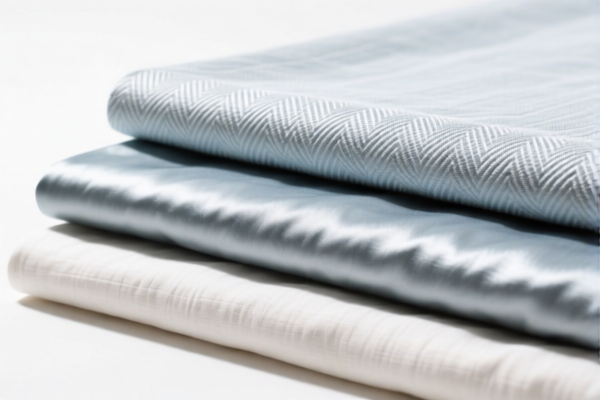
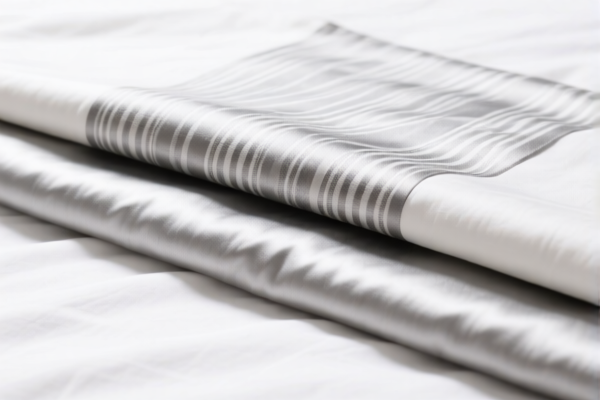
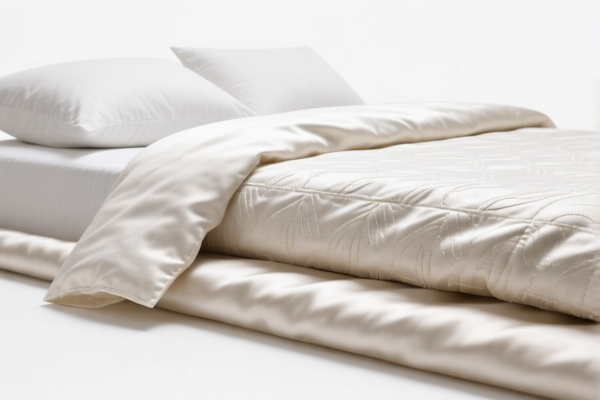
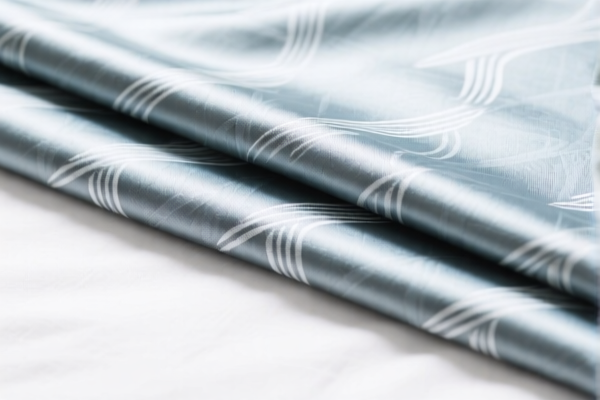
AI Analysis
🛏️ Satin Printed Fabric for Bedding (Discharge Printing)
🌐 HS Code Reference & Customs Clearance Guide | 2026 Latest Tariff Analysis | Professional Clearance Strategy
📌 I. Product Definition & Classification: Do You Really Know "Satin Printed Fabric"?
Satin Printed Fabric, specifically utilizing Discharge Printing (拔印/显白印花) technology for bedding applications, is a high-end textile product. In international trade, its classification depends strictly on three core elements: 1. Material Composition: Synthetic filaments (typically Polyester) vs. Cotton. 2. Weave Structure: Satin Weave (缎纹). 3. Finishing Process: Discharge Printing (拔印) vs. Regular Printing.
⚠️ Key Distinction:
- If the fabric is made of Cotton with Satin weave → Falls under Chapter 52.
- If the fabric is made of Synthetic Filaments (e.g., Polyester) with Satin weave → Falls under Chapter 54 or 55.
- Discharge Printing is a specific chemical process where dye is removed from pre-dyed fabric. Customs often scrutinizes this to ensure it's not misclassified as a simple woven fabric without noting the specific printing process if required by local notes.
📦 II. HS Code Classification Details (Based on Provided Data)
The following HS Codes and tax rates are derived directly from the provided dataset. Note that there are conflicting interpretations regarding the material (Cotton vs. Synthetic), leading to different tariff outcomes.
| HS Code | Summary of Classification Logic | Total Tax Rate | Tax Breakdown |
|---|---|---|---|
5408.34.90.85 |
Matched. Explicitly mentions "Printed (Discharge Print)" process. Material is fabric form. Fully matches specific requirements for discharge process. | 47.0% | Base: 12.0% + Section 301: 25.0% + IEEPA Sec 122: 10% |
5408.34.90.50 |
Matched. Material determined as Artificial Synthetic Filaments (from "Satin Woven" judgment). Form is Satin Weave & Printed category. Consistent with code explanation. | 47.0% | Base: 12.0% + Section 301: 25.0% + IEEPA Sec 122: 10% |
5407.94.20.50 |
Matched. Material inferred as Synthetic Fiber (common textile sense). Form is Printed Fabric, Structure is Satin. Fully fits material, form, and structure requirements. | 49.9% | Base: 14.9% + Section 301: 25.0% + IEEPA Sec 122: 10% |
5208.59.20.15 |
Matched. Form fits 'Satin', Process fits 'Discharge Printed'. Material inferred as Cotton Fabric combined with "Woven Fabrics"常识 (common sense). No obvious conflict. | 45.3% | Base: 10.3% + Section 301: 25.0% + IEEPA Sec 122: 10% |
5407.94.20.50 |
Matched. Material inferred as Synthetic Fiber. Form is Printed Fabric, Structure is Satin. Fits classification logic for printing, satin weave, and use (Home Textile). | 49.9% | Base: 14.9% + Section 301: 25.0% + IEEPA Sec 122: 10% |
🔍 Critical Note:
- Codes5408.34.90.85and5408.34.90.50suggest Woven Fabrics of Synthetic Filaments (Chapter 54).
- Code5208.59.20.15suggests Woven Fabrics of Cotton (Chapter 52).
- Codes5407.94.20.50suggest Other Woven Fabrics of Synthetic Filaments (Chapter 54).
The biggest risk lies in determining the exact fiber content. Misdeclaring Polyester as Cotton (or vice versa) is a primary cause of customs penalties.
💰 III. 2026 Latest Tariff Rate Details (Including Surtaxes & Policy Surcharges)
✅ Applicable Country: United States (US)
✅ Origin: China (CN)
✅ Effective Time: 2025/2026 (Current Trade Policy)
🎯 1. 5408.34.90.85 & 5408.34.90.50 —— Woven Fabrics of Synthetic Filaments (Satin/Discharge)
| Item | Content |
|---|---|
| Base Tariff | 12.0% (ad valorem) |
| Section 301 Surtax | +25.0% (USITC Footnote) |
| IEEPA Sec 122 Surtax | +10.0% (Targeting China/HK products) |
| Total Tax Rate | 47.0% |
| Tax Calculation | CIF Value × 47.0% |
| De Minimis Eligibility | ❌ Not Eligible (High tariff threshold usually excludes Section 301 goods from de minimis relief if declared as such, though specific CBP enforcement varies, high-value shipments are scrutinized). |
| Legal Basis Path | USITC:5408.34.90.xx → SECTION_301:8524/5408 → IEEPA:9903.01.24 |
📌 Explanation:
- The 12% Base Rate is standard for synthetic woven fabrics. - The 25% Section 301 Tariff is applied to virtually all Chinese textiles unless specifically exempted (which is rare for general home textile fabrics). - The 10% IEEPA Surcharge adds an additional layer of cost for Chinese-origin goods. - Total 47% is a significant cost factor. Margin planning must account for this.
🎯 2. 5407.94.20.50 —— Other Woven Fabrics of Synthetic Filaments
| Item | Content |
|---|---|
| Base Tariff | 14.9% |
| Section 301 Surtax | +25.0% |
| IEEPA Sec 122 Surtax | +10.0% |
| Total Tax Rate | 49.9% |
| Tax Calculation | CIF Value × 49.9% |
| De Minimis Eligibility | ❌ Not Eligible |
| Legal Basis Path | USITC:5407.94.20.50 → SECTION_301 → IEEPA:9903.01.24 |
📌 Explanation:
- This code carries a higher Base Rate (14.9%) compared to5408.34.90, resulting in a nearly 50% total tax burden. - This suggests a less specific sub-category for synthetic fabrics, possibly lacking the specific "satin/discharge" recognition or falling under "other" synthetic woven fabrics. Avoid if possible if a more specific code (like 5408.34) is applicable.
🎯 3. 5208.59.20.15 —— Woven Fabrics of Cotton (Satin/Discharge)
| Item | Content |
|---|---|
| Base Tariff | 10.3% |
| Section 301 Surtax | +25.0% |
| IEEPA Sec 122 Surtax | +10.0% |
| Total Tax Rate | 45.3% |
| Tax Calculation | CIF Value × 45.3% |
| De Minimis Eligibility | ❌ Not Eligible |
| Legal Basis Path | USITC:5208.59.20.15 → SECTION_301 → IEEPA:9903.01.24 |
📌 Explanation:
- If the fabric is 100% Cotton, this is the lowest tax option (45.3%) among the listed codes. - However, the dataset notes: "Material inferred as Cotton... based on common sense." This is risky. If the fabric is actually Polyester, declaring it as Cotton is fraud. - Verification is Key: You must have a lab test (GCMS) confirming fiber content before choosing this code.
🛠️ IV. Customs Clearance Practical Advice (Battle-Tested Pitfall Guide)
✅ 1. Preparation Checklist (Essential Documents)
| Document | Required? | Explanation |
|---|---|---|
| ✅ Fiber Content Test Report | ✔️ Critical | Must clearly state composition (e.g., "100% Polyester" or "100% Cotton"). This determines if you use Chapter 52 or 54. |
| ✅ Product Description | ✔️ | Must include: "Woven Fabric, Satin Weave, Discharge Printed, for Bedding." |
| ✅ Photos of Fabric | ✔️ | Show the weave structure (satin sheen) and print details (discharge white areas on colored background). |
| ✅ Commercial Invoice | ✔️ | Value must match CIF. Mention "China Origin" explicitly. |
| ✅ Packing List | ✔️ | Weight and dimensions must align with invoice. |
| ✅ Origin Certificate | ✔️ | For verifying Chinese origin (triggers 301/IEEPA taxes). |
✅ 2. Declaration Strategy (Key Mantras)
🔥 "Fiber Truth, Weave Clear, Process Named, Tax Calculated!"
| Scenario | Correct Declaration | Wrong Declaration |
|---|---|---|
| Polyester Satin Discharge | 5408.34.90.85 or 5407.94.20.50 |
Declaring as Cotton → Audit Risk |
| Cotton Satin Discharge | 5208.59.20.15 |
Declaring as Polyester → Overpayment |
| Generic "Printed Fabric" | Specify "Discharge Printed" | Just "Printed" → May lose specific classification benefits or trigger broader checks |
| Unfinished Fabric | Declare as "Woven Fabric" | Declare as "Bedding Set" → Wrong Chapter (Garments/Home Textiles vs. Raw Fabric) |
✅ 3. Special Handling for Discharge Printing
| Issue | Recommendation |
|---|---|
| Chemical Residue | Ensure the discharge process is complete. Residual chemicals may trigger EPA/CPSC inspections. |
| Labeling | Even if it's fabric, ensure it doesn't look like a finished garment. Use "For Home Textile/Beding Use" in description. |
| Origin Marking | "Made in China" must be clear on the master carton, not necessarily every roll, but traceable. |
🌍 V. Global Market Comparison (2026 Update)
| Country/Region | Recommended HS Code | Est. Tariff (China Origin) | Notes |
|---|---|---|---|
| 🇺🇸 USA | 5408.34.90.85 / 5208.59.20.15 |
45.3% - 49.9% | High due to Section 301 + IEEPA. Verify fiber content! |
| 🇨🇳 China | 5407.94.20 / 5208.59.20 |
~7-10% (Import Duty) | Domestic consumption tax may apply. |
| 🇪🇺 EU | 5407.94 / 5208.59 |
~6-12% | No Section 301 equivalent. Verify REACH compliance for dyes. |
| 🇬🇧 UK | Similar to EU | ~6-12% | Post-Brexit rules apply. |
📌 Conclusion:
- USA is the most expensive market due to political tariffs.
- Accuracy of Fiber Content is the single most important factor.
- If you can prove Cotton, you save ~1.7% - 4.6% compared to Synthetic codes in this specific dataset.
- If it is Synthetic,5408.34.90.85(47%) is better than5407.94.20.50(49.9%).
📌 VI. Common Errors & Pitfalls (Lessons Learned)
❌ Error 1: Guessing fiber content based on "Satin" feel.
👉 Result: Satin weave exists in both Cotton and Polyester. Misclassification leads to Back Duties + Penalties.
❌ Error 2: Ignoring the "Discharge" process.
👉 Result: While it doesn't change the HS Code significantly, it may affect Labor Compliance (UFLPA) checks if chemicals are involved. Ensure supply chain transparency.
❌ Error 3: Using 5407.94.20.50 when 5408.34.90.85 is applicable.
👉 Result: Paying 2.9% extra tax unnecessarily. Always seek the most specific subheading.
❌ Error 4: Declaring as "Bedding" (Finished Goods) instead of "Fabric".
👉 Result: Chapter 63 (Furnishing Articles) has different tariffs. If it's just fabric, declaring as finished goods is fraud.
✅ Correct Practice:
"Woven Fabric, 100% Polyester, Satin Weave, Discharge Printed, White on Blue Background, for Bedding Use, Unfinished"
🎯 VII. Conclusion: Precise Classification Saves Money!
🎯 Remember the Mantra:
🔹 "Fiber First, Weave Second, Process Third, Tax Last!"
🔹 "Cotton is Cheaper (45.3%), Synthetics are Pricier (47-50%), Guessing is Dangerous!"
📌 Pro Tip:
If your fabric is Polyester, try to qualify for HTS 5408.34.90.85 (47%) instead of 5407.94 (49.9%) by providing detailed fabric construction reports that highlight the specific satin/discharge characteristics recognized under 5408.34.
If your fabric is Cotton, 5208.59.20.15 (45.3%) offers the lowest rate in this dataset.
📣 Immediate Action:
📞 Get a Lab Test! Don't guess the fiber.
📄 Prepare Detailed Tech Specs showing weave and print method.
🚀 Apply for an Advance Ruling if the shipment value is high to lock in the HS Code.
✨ Professional Clearance Starts with Accurate Classification!
💼 Every Percent Saved is Pure Profit!
Customer Reviews
About HS Code Classification
The Harmonized System (HS) is an internationally standardized nomenclature developed by the World Customs Organization (WCO) to classify traded products. Over 200 countries use the HS system as the basis for customs tariffs, trade statistics, and import/export regulations.
Each HS code follows a hierarchical structure:
- Chapter (2 digits) — Broad category of goods (e.g., Chapter 84: Machinery and Mechanical Appliances)
- Heading (4 digits) — More specific grouping within the chapter
- Subheading (6 digits) — Internationally standardized breakdown, used by all WCO member countries
- National subdivisions (8-10 digits) — Country-specific extensions for further classification, such as US HTSUS 10-digit codes
Correct HS code classification is essential for smooth customs clearance, accurate duty payment, and compliance with trade regulations. Misclassification can lead to customs delays, overpayment of duties, or penalties.
When importing from CN to US, the applicable tariff rates may include:
- Most-Favored-Nation (MFN) rate — The standard duty rate applied to WTO members
- General rate — Applied to countries without trade agreements
- Trade remedy duties — Additional tariffs such as Section 301 (anti-dumping), Section 232 (national security), or countervailing duties
The information provided on this page is for reference purposes only. For official classification, please consult with your local customs authority or a licensed customs broker.